One of the greatest unsolved mysteries of our time may have had a different ending if it had happened today.
That’s according to Emmy-winner Anthony Hemingway, director and executive producer of the new true crime series “Unsolved”, which tells the story of Biggie and Tupac.
He points out that the killings, which took place over two decades ago, occurred at a time when hip hop and rap weren’t as mainstream as they are today. There was also no social media back then.
Today, those two factors would probably have culminated in a different outcome, says Hemingway, who also produced “The People v. OJ Simpson.”
“Unsolved” attempts to answer the questions behind the shootings of the two rival rap superstars, examining not just what happened but the context surrounding the events.
“This was a period of time that was on the heels of the O.J. trial, the Rampart scandal, even [the] L.A. riots,” Hemingway explains. “L.A. at the time was volatile."
Add to that tinderbox the notorious reputations of both Tupac Shakur and The Notorious B.I.G.
“We’ve only really been given the negative of their story,” he says.
In an attempt to change that, Hemingway’s series tries to “humanize” the two rappers and put forth an idea of “who they could’ve been today.”
“[The] theme that really drove us through the story is perception and how perception challenges your best judgements, how perception dictates treatment,” he says.
Hemingway hopes the series will “shine a light on what we continue to struggle with -- the injustices that are happening, that have just been systemic for a very long time.”
“Unsolved: The Murder Of Tupac and Notorious B.I.G.” premieres on February 27 on USA Network.
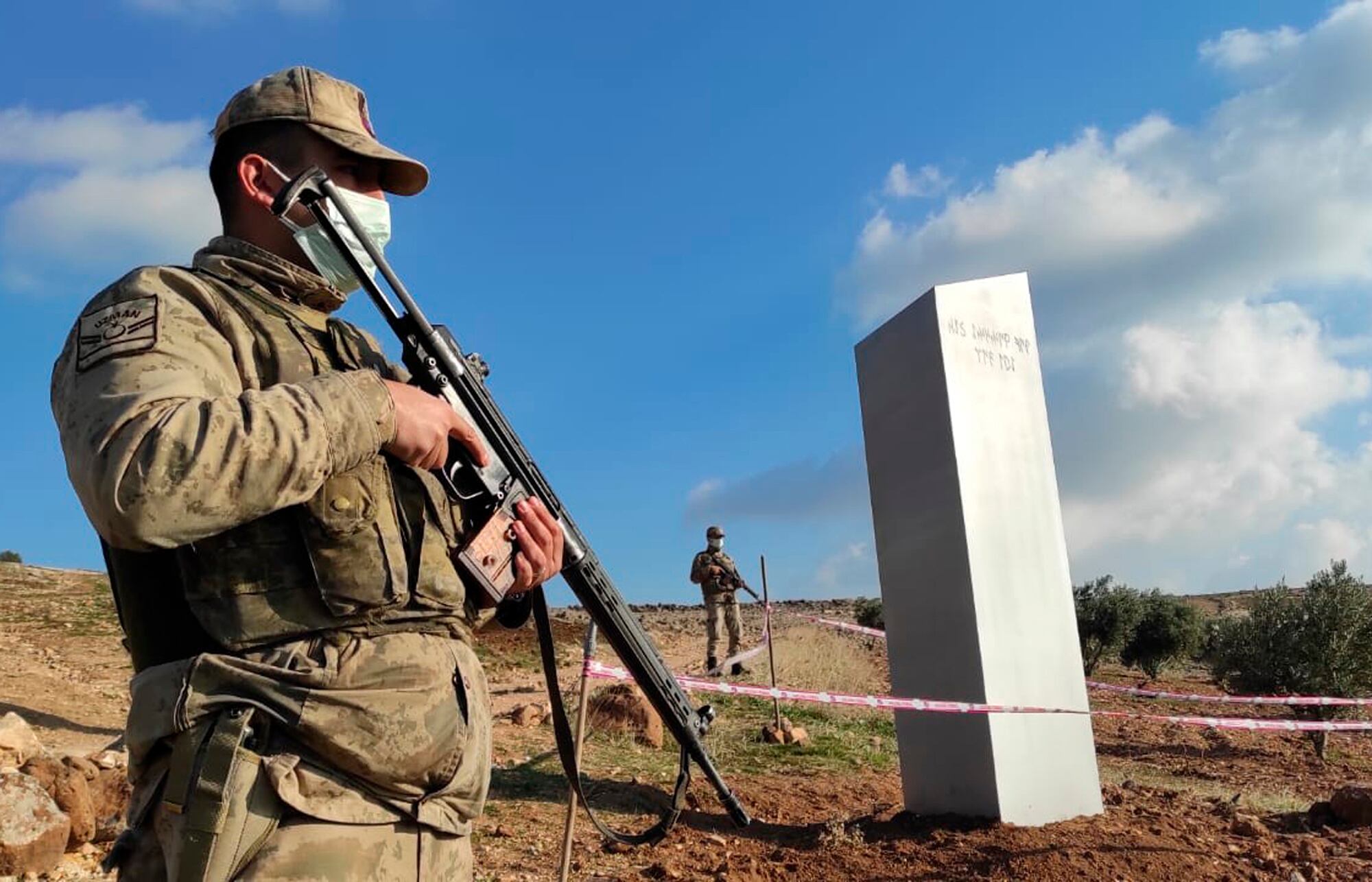
A mysterious metal monolith has disappeared four days after it was discovered.
Jill and Carlo are talking impeachment, the debate over the minimum wage, Fauci's vaccine strategy, and how the media did Britney Spears dirty in the early 2000s. Plus, some special guest hosts coming up and other housekeeping.
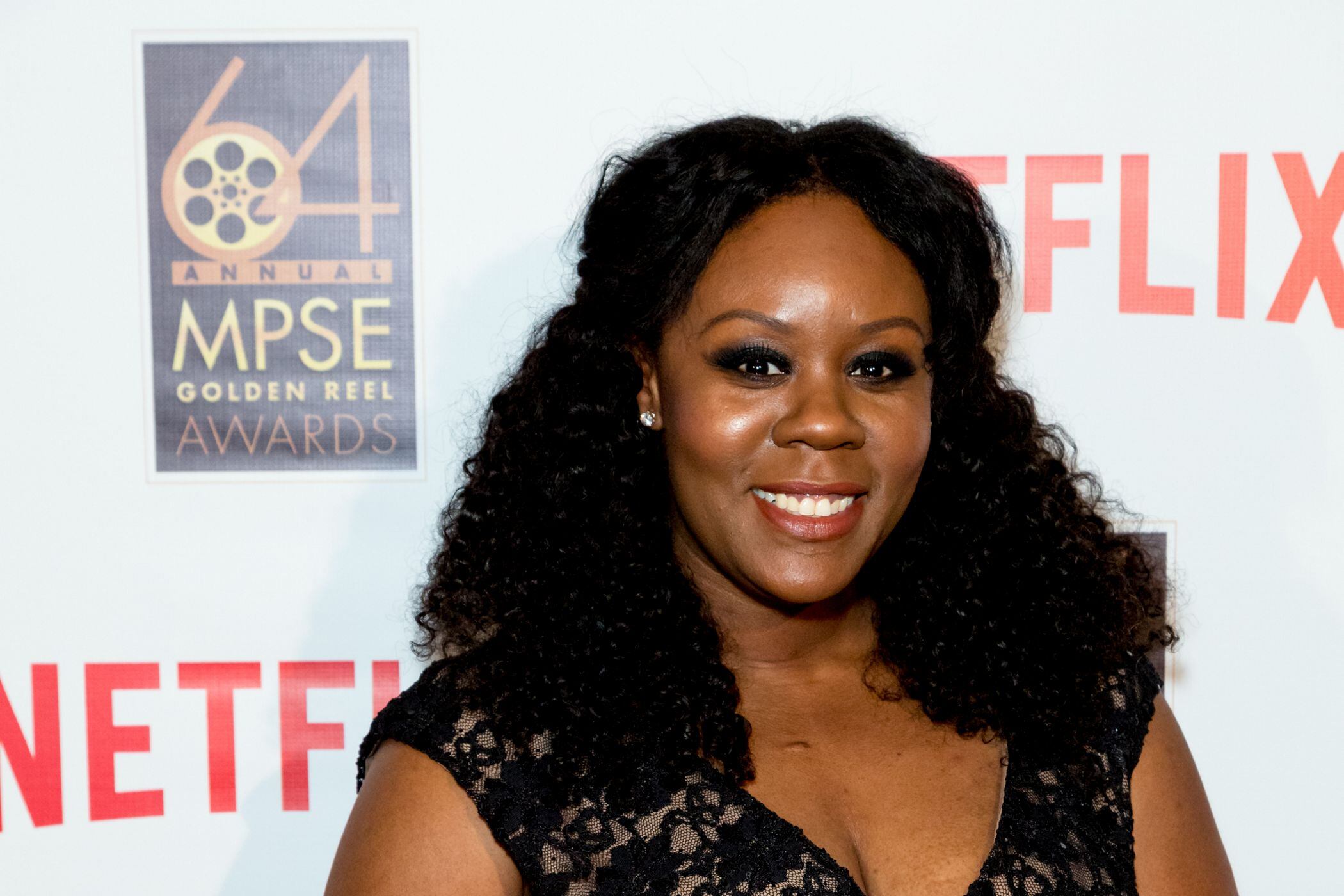
Andrene Ward-Hammond, who plays Big Mo on Showtime's "Your Honor" talks to Cheddar about how the limited series reflects the ongoing issues of inequity in the U.S. criminal justice system.
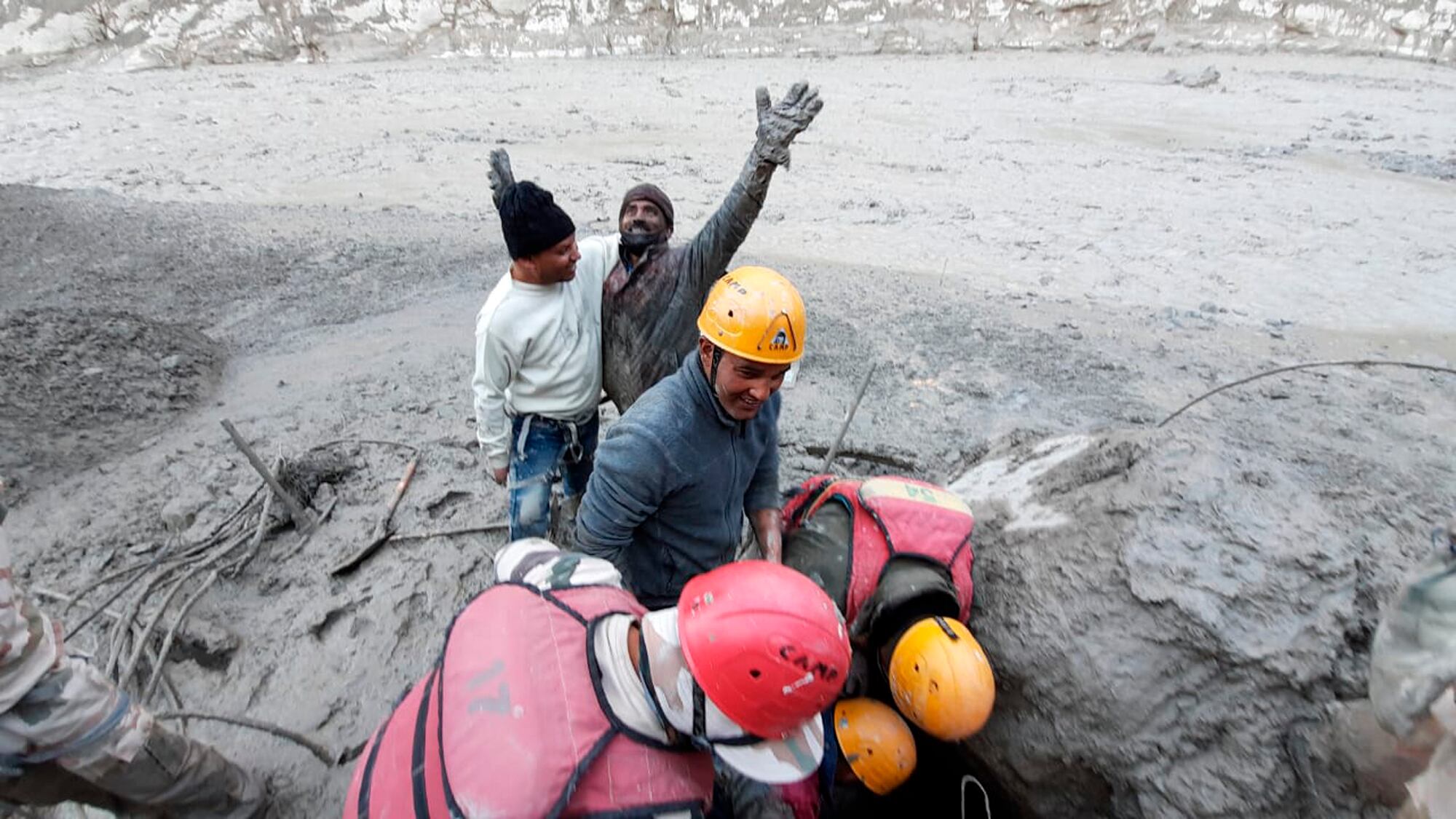
Rescuers in northern India are working to rescue more than three dozen power plant workers trapped in a tunnel after part of a Himalayan glacier broke off and sent a wall of water and debris rushing down a mountain.
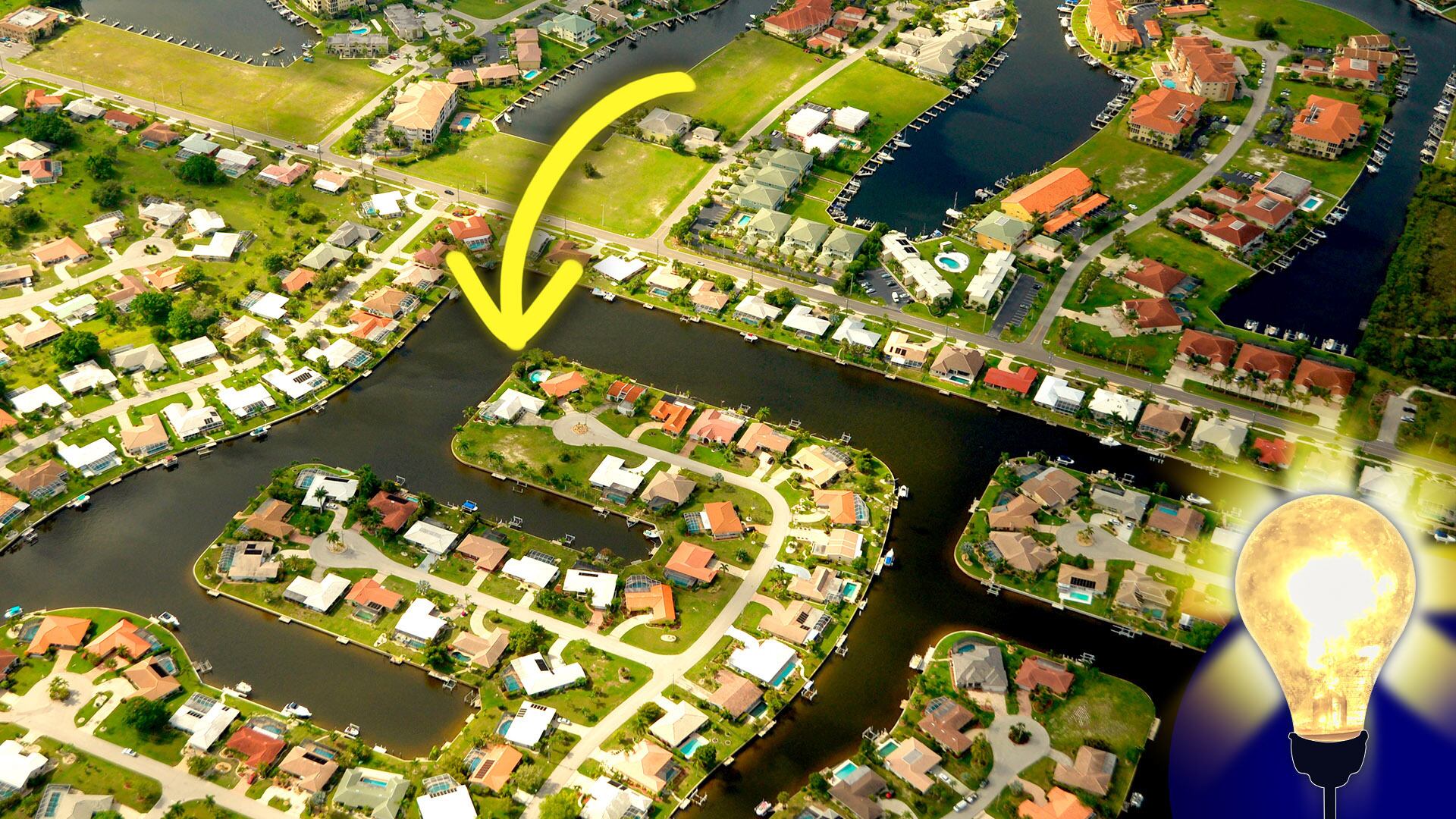
In the 1920s, an army of real estate boosters set out to redefine Florida from an economic backwater to a ritzy vacation destination, sparking a land boom — and bust — the likes of which America had never seen before.
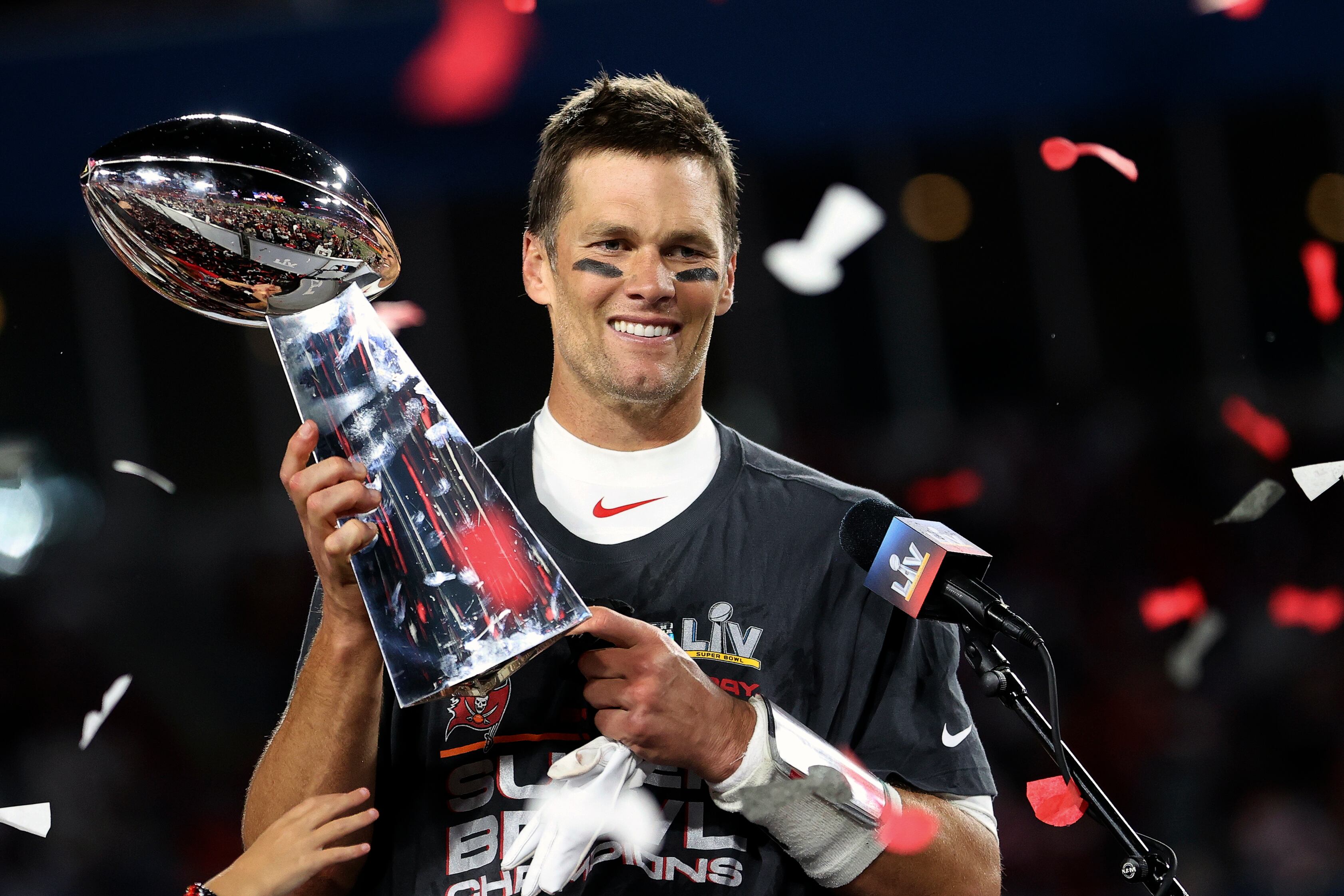
Jill and Carlo talk Super Bowl 55: Tom Brady gets the last laugh, The Weeknd gets mixed reviews, and the commercials we're still talking about. Also, the good news and bad news on Covid.
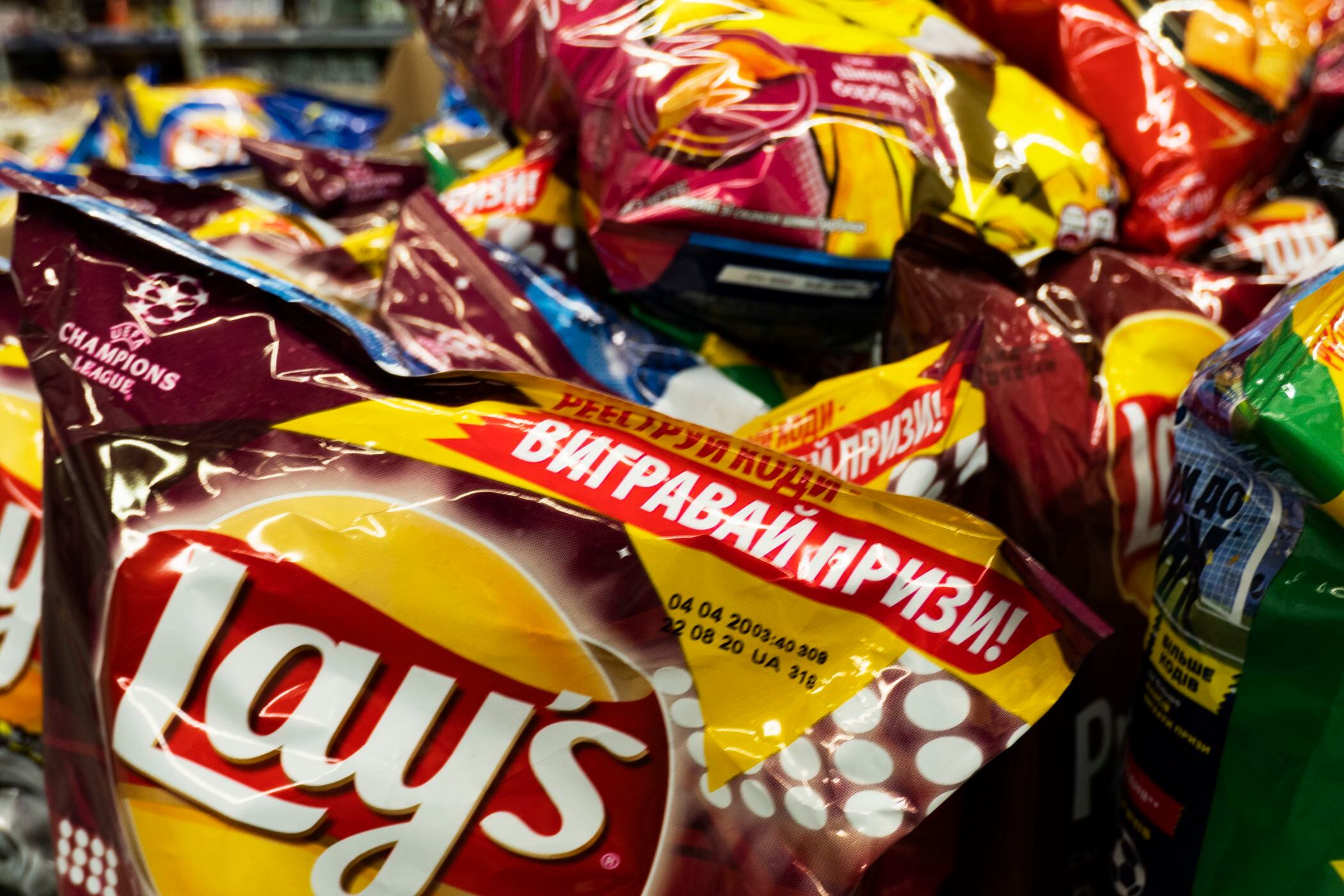
It's Big Game time and Frito-Lay says it knows people will reach for the chips, dip, and other savory, salty, or sweet treats more than ever.
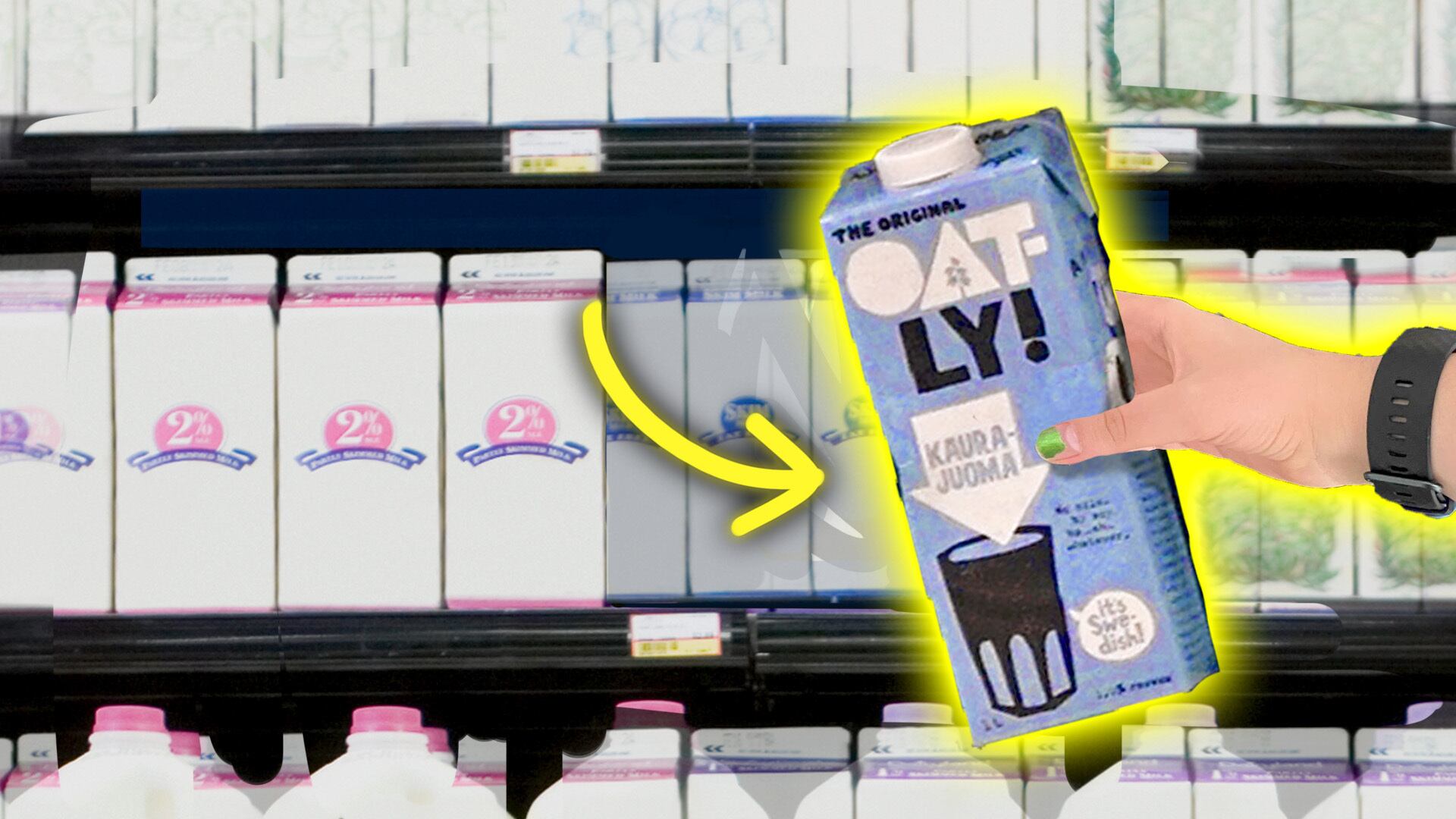
Despite the dairy industry spending over $30 million dollars between 2005 and 2010, they may not have a stranglehold on the market anymore.
Jill and Carlo end the week with several promising developments on the pandemic, from plummeting hospitalization numbers to record vaccinations. Plus, can Tom Brady play an underdog in the Super Bowl? And Love, Hate, Ate!
It took just one tweet from Rihanna to anger the Indian government and supporters of Prime Minister Narendra Modi’s party.