One of the greatest unsolved mysteries of our time may have had a different ending if it had happened today.
That’s according to Emmy-winner Anthony Hemingway, director and executive producer of the new true crime series “Unsolved”, which tells the story of Biggie and Tupac.
He points out that the killings, which took place over two decades ago, occurred at a time when hip hop and rap weren’t as mainstream as they are today. There was also no social media back then.
Today, those two factors would probably have culminated in a different outcome, says Hemingway, who also produced “The People v. OJ Simpson.”
“Unsolved” attempts to answer the questions behind the shootings of the two rival rap superstars, examining not just what happened but the context surrounding the events.
“This was a period of time that was on the heels of the O.J. trial, the Rampart scandal, even [the] L.A. riots,” Hemingway explains. “L.A. at the time was volatile."
Add to that tinderbox the notorious reputations of both Tupac Shakur and The Notorious B.I.G.
“We’ve only really been given the negative of their story,” he says.
In an attempt to change that, Hemingway’s series tries to “humanize” the two rappers and put forth an idea of “who they could’ve been today.”
“[The] theme that really drove us through the story is perception and how perception challenges your best judgements, how perception dictates treatment,” he says.
Hemingway hopes the series will “shine a light on what we continue to struggle with -- the injustices that are happening, that have just been systemic for a very long time.”
“Unsolved: The Murder Of Tupac and Notorious B.I.G.” premieres on February 27 on USA Network.
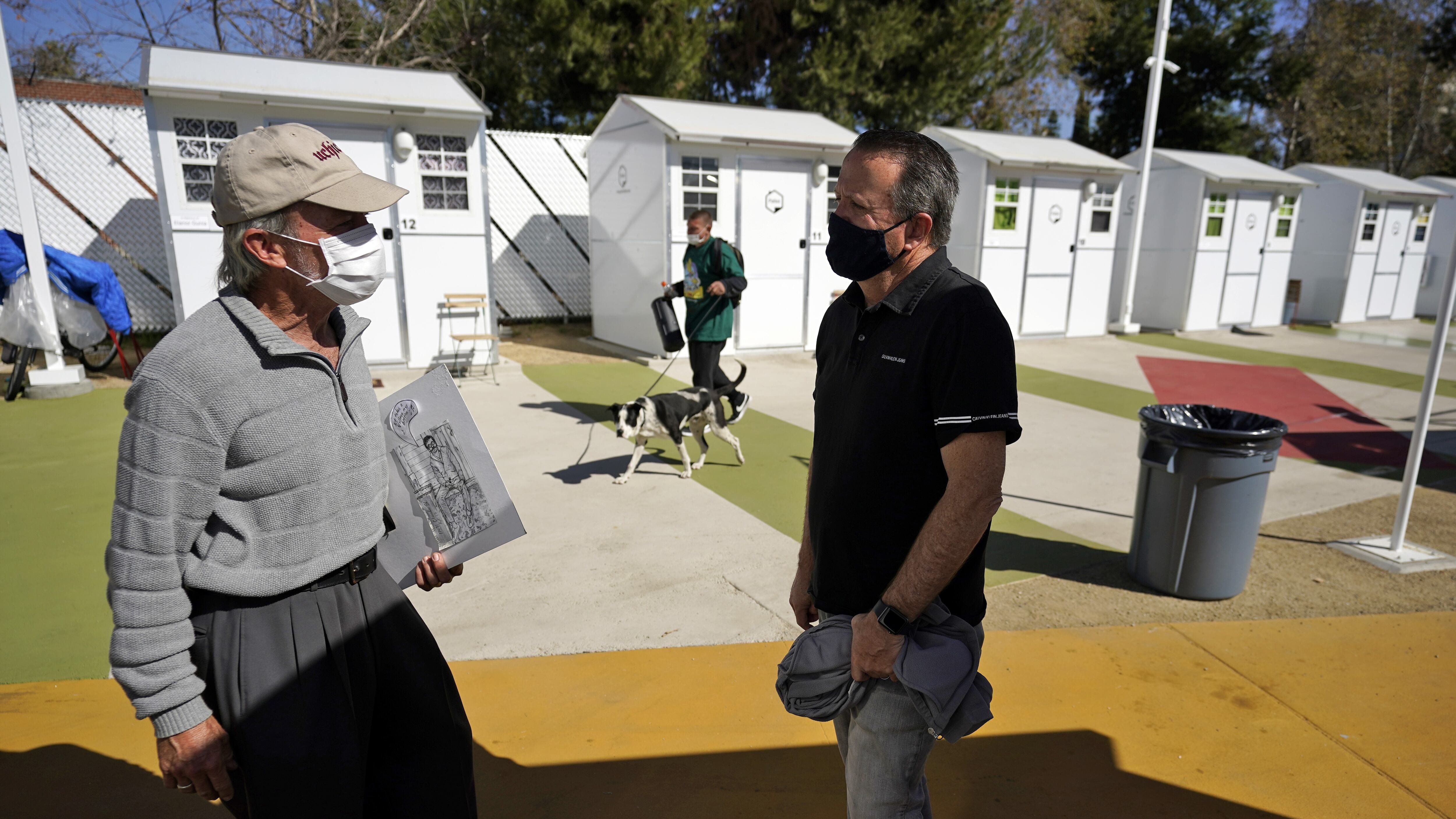
Tiny homes have been promoted as the solution to all kinds of housing needs — an affordable option in expensive big cities and simplicity for people who want to declutter their lives. They are increasingly used as shelter for homeless people in other California cities, including San Jose and Sacramento, as well as nationally in Seattle, Minneapolis and Des Moines, Iowa.
Eisenhower’s interstate system was the biggest infrastructure project of its time. What justified the cost was its potential to connect all corners of America, but the unforeseen impacts of the highway system seemed to do the opposite of the intention.
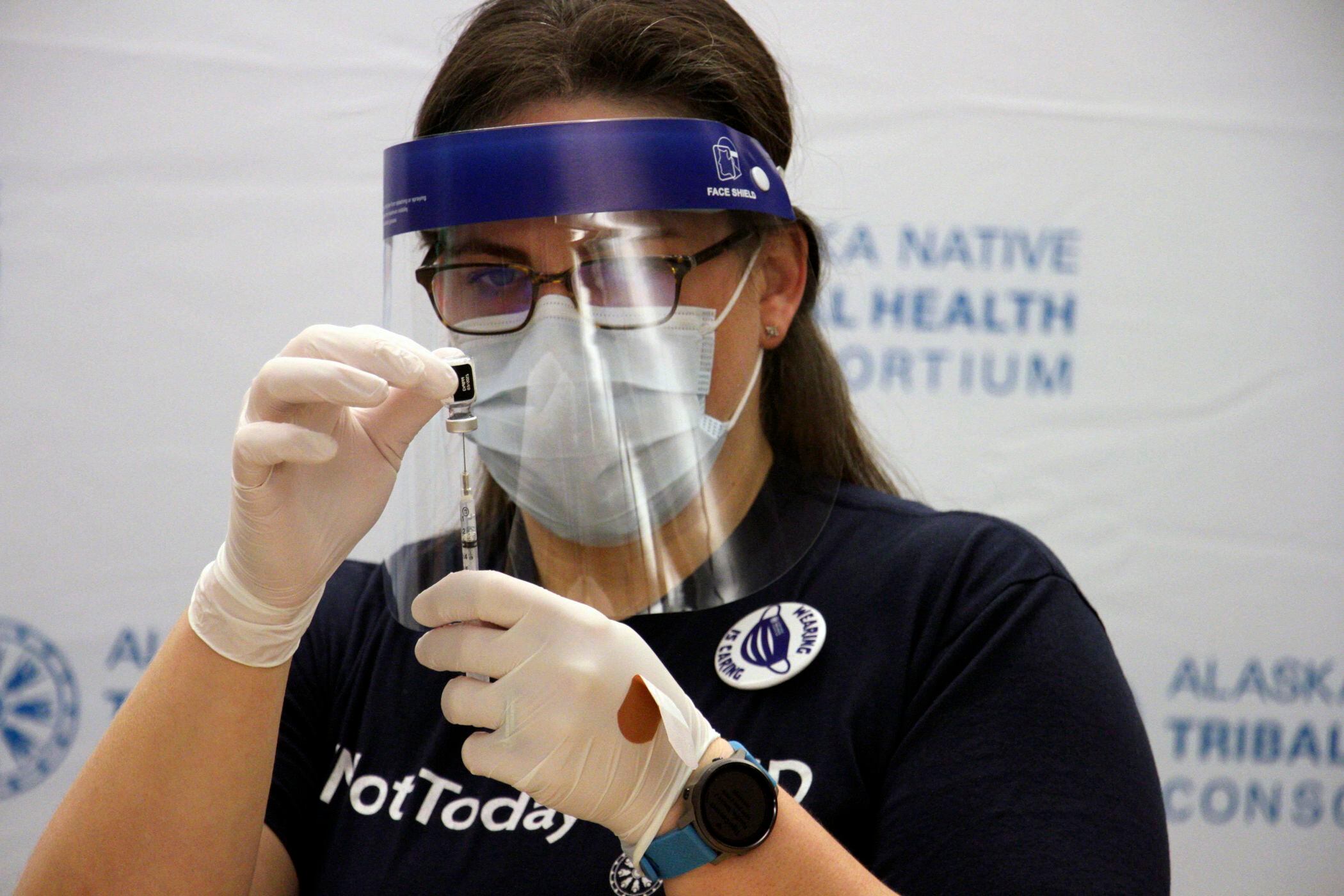
Dr. Anne Zink, chief medical officer for the state of Alaska, spoke to Cheddar about Alaska's remarkable task of getting COVID vaccines to a widespread populace even as the state opens up eligibility to nearly everyone.
Nod your head, chug your cocktail, or just close your tired eyes if you’ve done any of the following during this crazy quarantine
Roblox, a gaming platform last valued at $29.5 billion in the private sector, took off immediately in its public debut on the NYSE Wednesday.
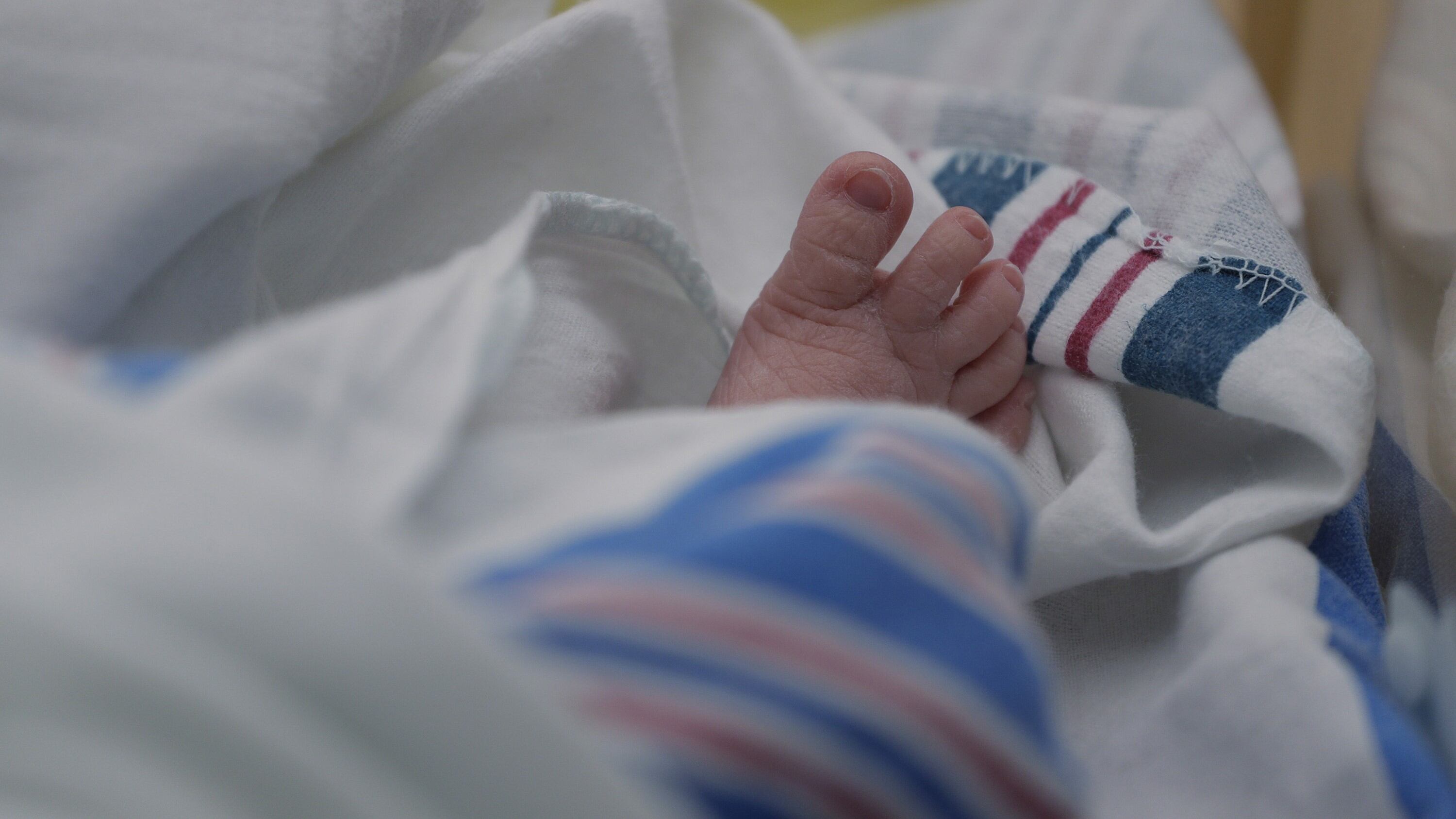
Alaska becomes the first state to drop all eligibility requirements for vaccinations. Breast milk from vaccinated mothers is shown to have antibodies. Biden won't put his name on the stimulus checks, and more.
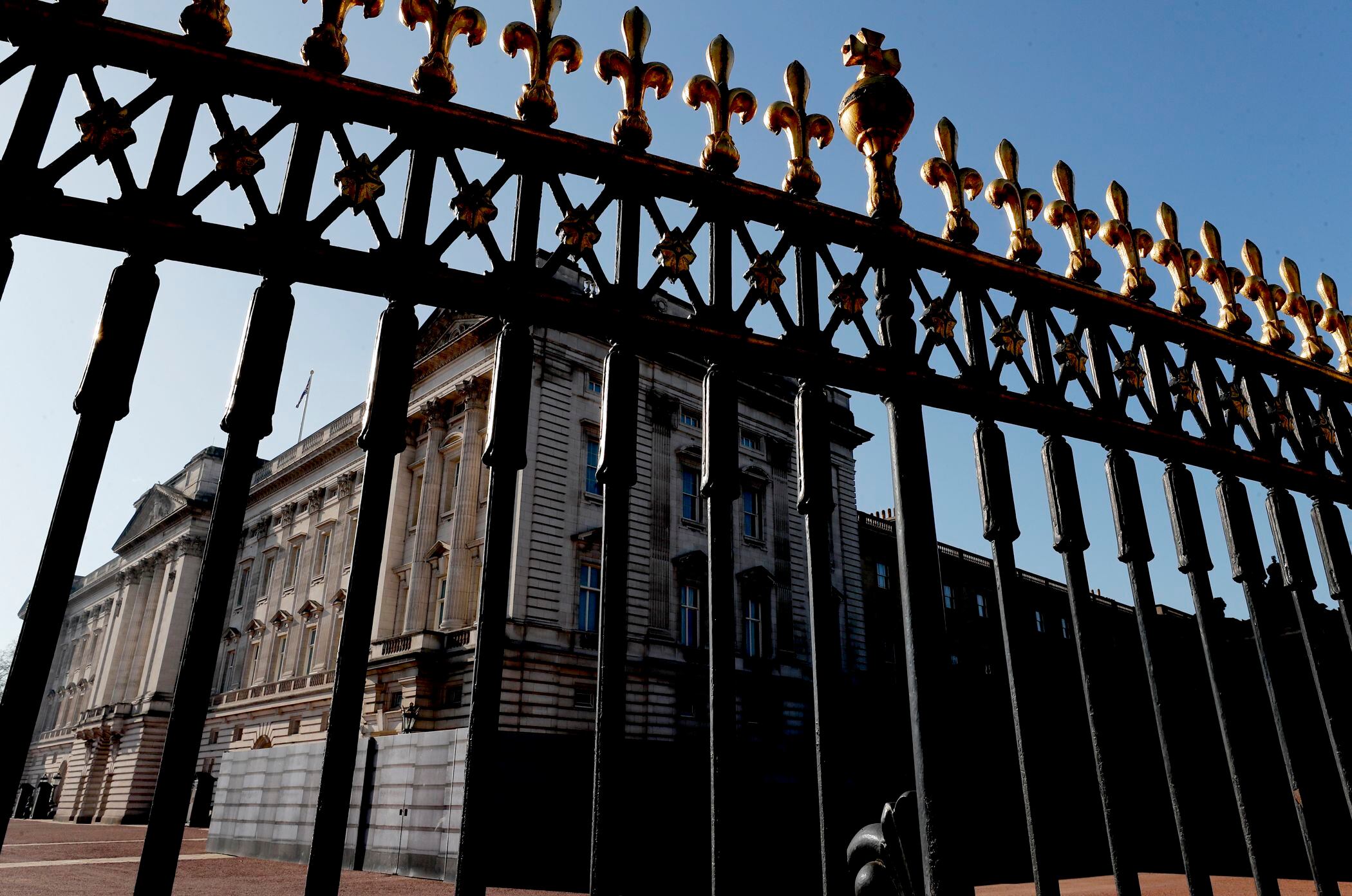
Buckingham Palace says allegations of racism made earlier this week by Prince Harry and Meghan were “concerning” and would be addressed privately by the royal family.
COVID infections are on the rise in U.S. prisons and are accounting for some of the largest outbreaks. Cheddar's Michelle Castillo reports.
Olympic gold medalist Gabby Douglas spoke to Cheddar about the need for aspiring athletes to address both their mental and physical health and her partnership with Smoothie King.
Despite COVID-19, sports betting has skyrocketed. In January, Americans spent approximately $4 billion on sports wagering according to the American Gaming Association.