One of the greatest unsolved mysteries of our time may have had a different ending if it had happened today.
That’s according to Emmy-winner Anthony Hemingway, director and executive producer of the new true crime series “Unsolved”, which tells the story of Biggie and Tupac.
He points out that the killings, which took place over two decades ago, occurred at a time when hip hop and rap weren’t as mainstream as they are today. There was also no social media back then.
Today, those two factors would probably have culminated in a different outcome, says Hemingway, who also produced “The People v. OJ Simpson.”
“Unsolved” attempts to answer the questions behind the shootings of the two rival rap superstars, examining not just what happened but the context surrounding the events.
“This was a period of time that was on the heels of the O.J. trial, the Rampart scandal, even [the] L.A. riots,” Hemingway explains. “L.A. at the time was volatile."
Add to that tinderbox the notorious reputations of both Tupac Shakur and The Notorious B.I.G.
“We’ve only really been given the negative of their story,” he says.
In an attempt to change that, Hemingway’s series tries to “humanize” the two rappers and put forth an idea of “who they could’ve been today.”
“[The] theme that really drove us through the story is perception and how perception challenges your best judgements, how perception dictates treatment,” he says.
Hemingway hopes the series will “shine a light on what we continue to struggle with -- the injustices that are happening, that have just been systemic for a very long time.”
“Unsolved: The Murder Of Tupac and Notorious B.I.G.” premieres on February 27 on USA Network.
According to Mark Zuckerberg, a select number of creators in Meta's Horizon Worlds will now have the option to sell virtual assets and experiences they create to other players for a profit.
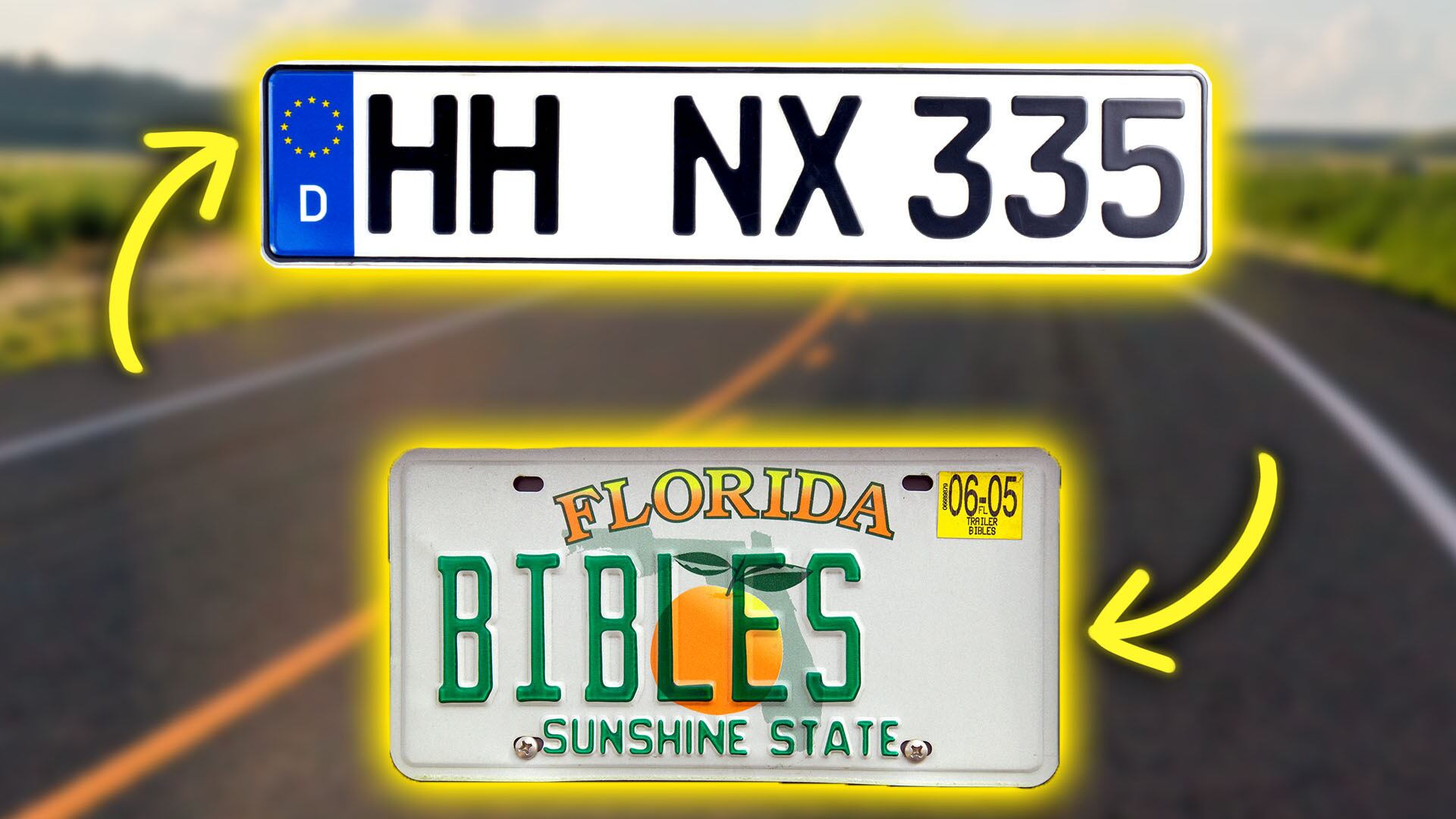
As of 2020, there were some 270 million registered vehicles in the United States, each one adorned with a mandatory license plate or two. And while plates appear standardized within states, when you zoom out to the whole country, the system get well, downright chaotic.
European plates vary by country, but look similar. While that’s certainly less visually interesting, it's a whole lot more effective. Back here in the States, our lack of license plate standardization can cause real headaches
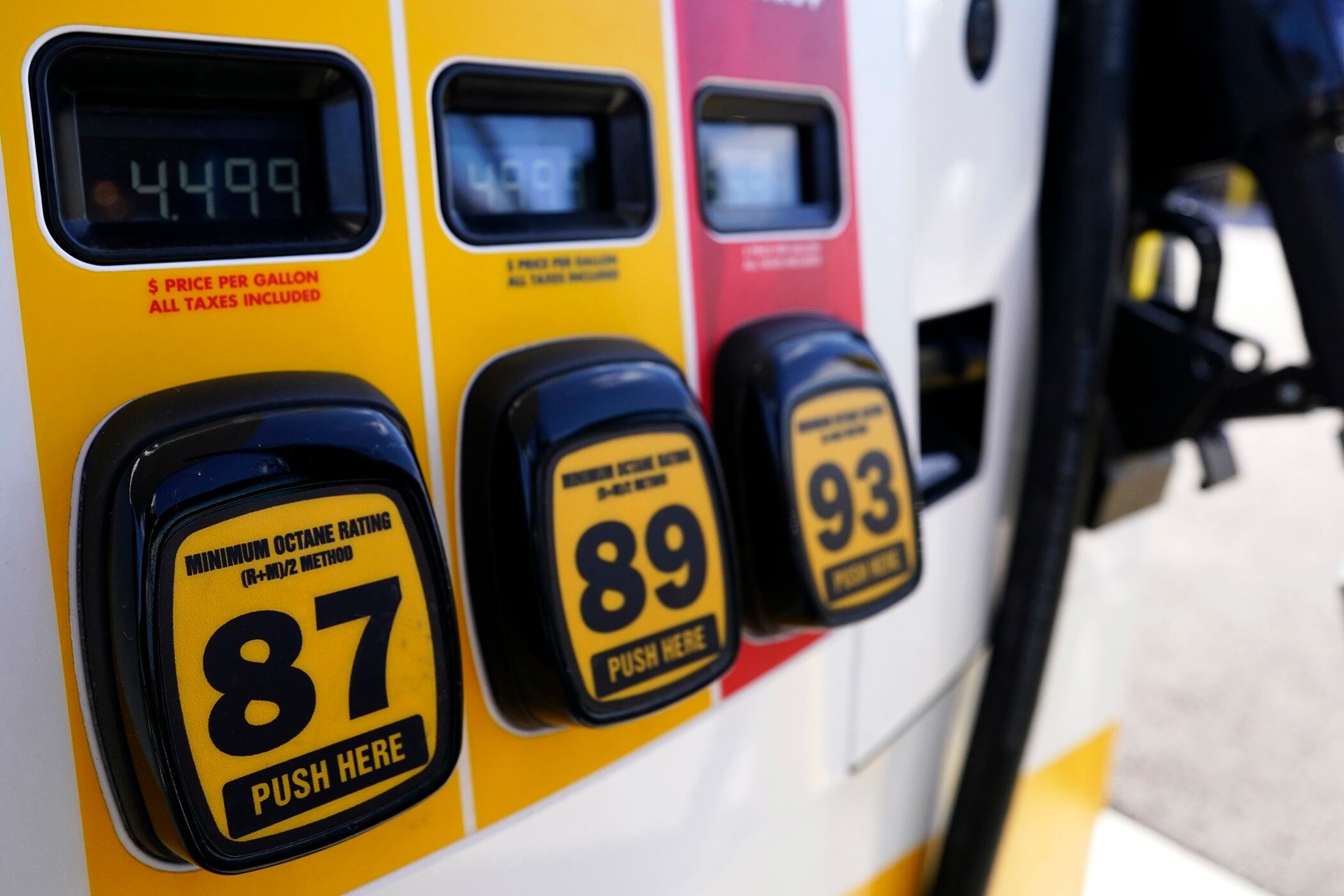
The March consumer price index showed a 1.2 percent month-over-month increase and 8.5 percent increase from a year ago, which was the highest reading since 1981.
Police are looking for a U-Haul truck in connection to the Brooklyn subway shooting. At least 10 people were shot and seven others injured in the Tuesday morning shooting.
Putin's first face-to-face meeting with an EU leader in a while, Philadelphia is bringing back its mask mandate, and puppy fraud! Here is all the news you Need2Know for Tuesday, April 12, 2022.
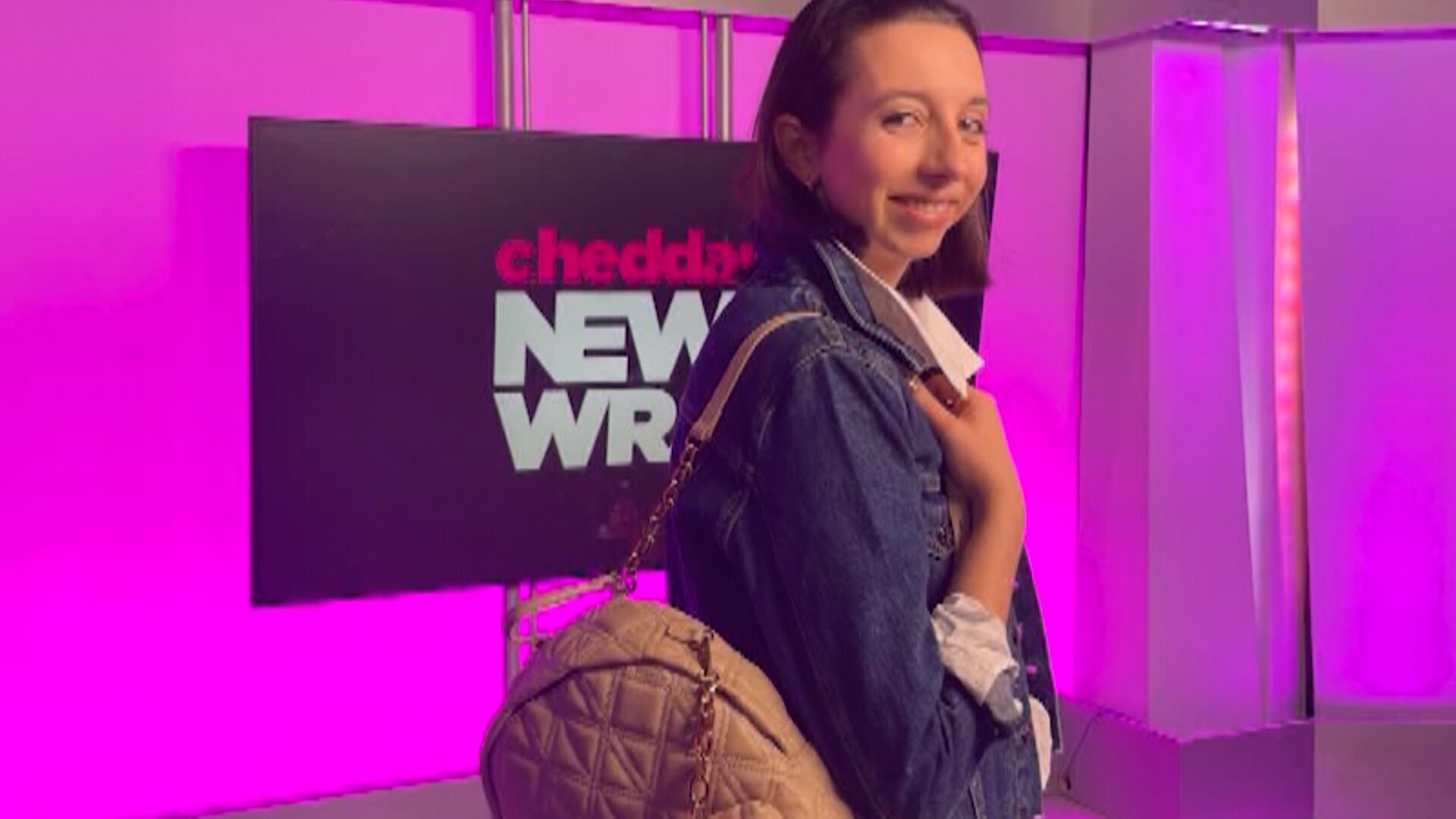
As life inches toward a post-pandemic world, many people are trying to navigate how to transition from their work-from-home look to a new back-to-office style for the first time in two years. Dina Scherer, the owner of Modnitsa Styling, joined Cheddar News to provide some styling suggestions for those returning to the office. 'I do hear this from a lot of my clients that they just have no idea how to transition from sweat pants, athleisure, into a work office environment outfit that's both appropriate and comfortable,' she noted.
April is Alcohol Awareness Month, and while COVID-19 has not made it easy for people who deal with addiction, Marci Hopkins, the author of the upcoming "Chaos to Clarity: Seeing the Signs and Breaking the Cycles," joined Cheddar News to talk about ways people can break out of a bad cycle of bad habits. “Things that have helped me; move a muscle change a thought," she said. "If you start thinking about having that drink or whatever it is that you have turned to, get up. Move. That's really, really important," she said.
U.S. stocks saw a jump in the final hour of Thursday's session, and ultimately closed slightly higher for the day. Tim Pagliara, Chief Investment Officer of CapWealth, joined Cheddar News' Closing Bell to discuss. "The markets have had to digest a lot of action from the federal reserve this quarter and it's affecting everything from mortgage rates to how they value stocks," he said.
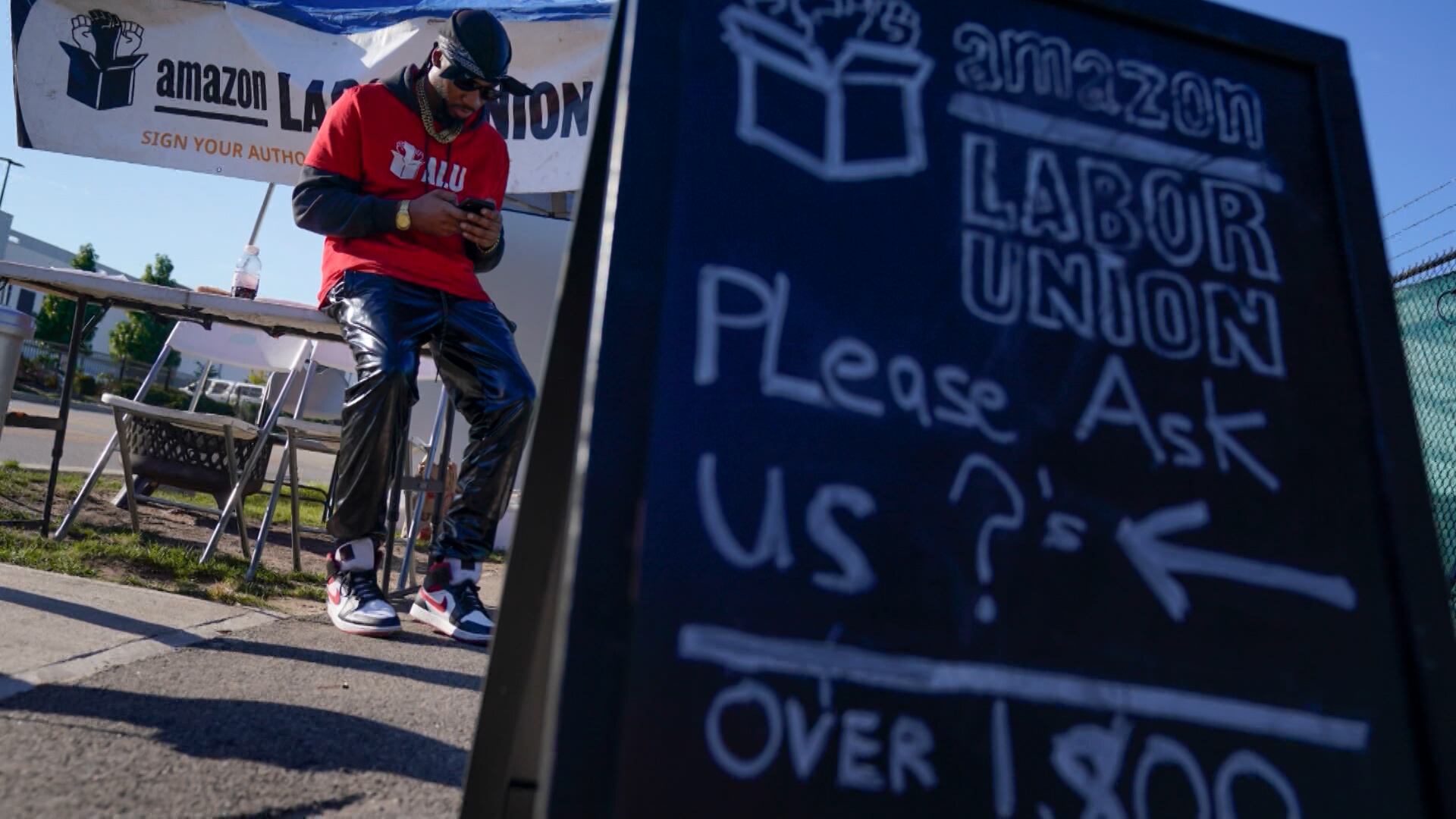
Herold Meyerson, Editor at Large of 'The American Prospect,' joined Closing Bell to discuss the recent uptick in unionization efforts across the U.S. and what it might mean for large corporations like Amazon and Starbucks, where workers are increasingly pushing to unionize.