When you think of volcanoes in the United States, Hawaii likely comes to mind. However, America's most dangerous volcano isn't on an island.
Mount St. Helens sits just miles from the city of Seattle, and has erupted regularly throughout the past century. It last erupted on May 18, 2017, but scientists have picked up subterranean activity recently near the volcano.
Steve Olson, Author of "Eruption: The Untold Story of Mount St. Helens" discusses the likelihood of another eruption in the near future. He also takes a look at some of the other active volcanoes in the United States.
If a volcano erupts near a large city like Seattle, it would not only be dangerous for the people who live there, but very costly for the businesses located in the area. Olson discusses the economic impact that an eruption would have.
The Food and Drug Administration is meeting on Thursday to plan a long-term strategy for Covid-19.
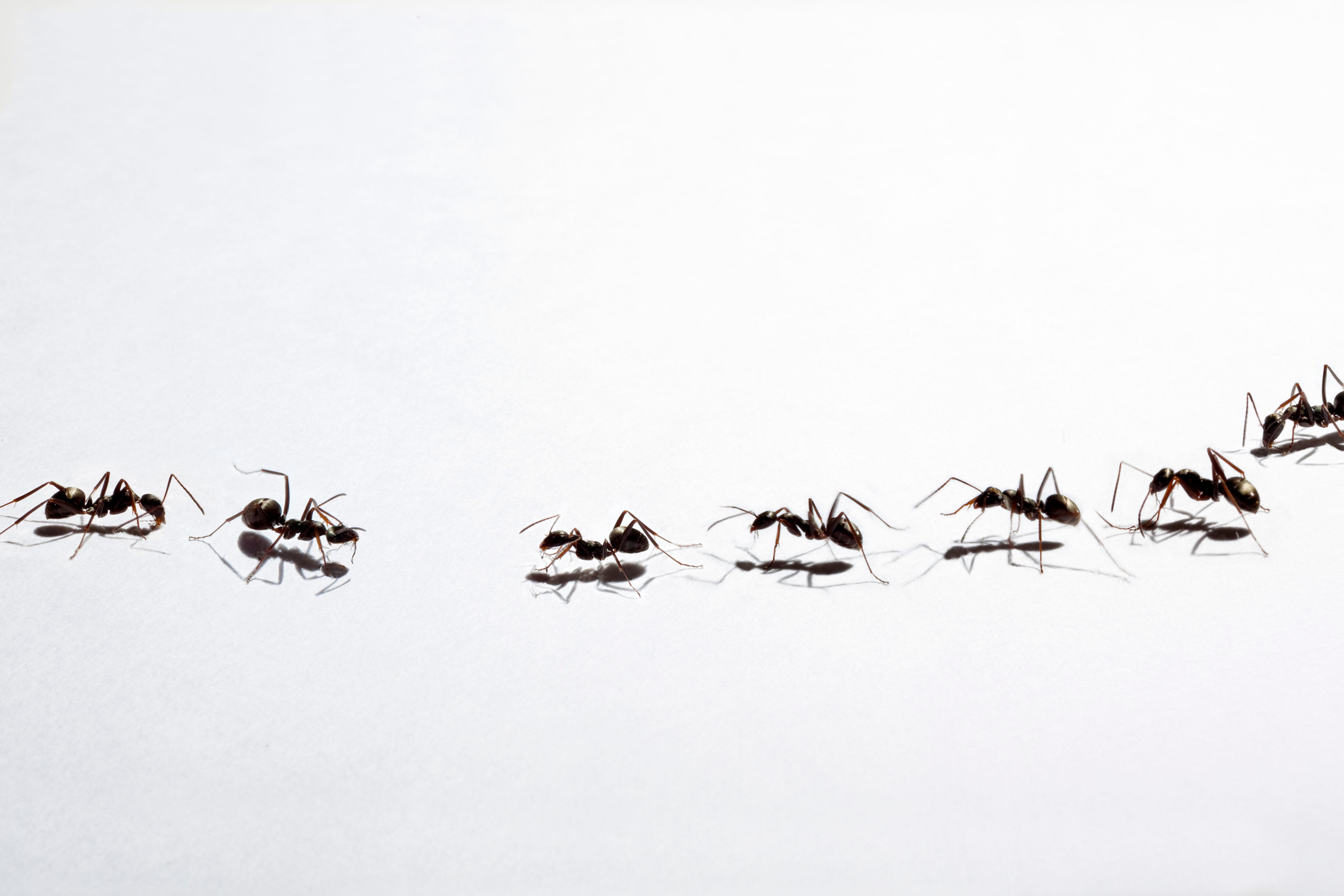
A study shows ants could be key to detecting human cancer.
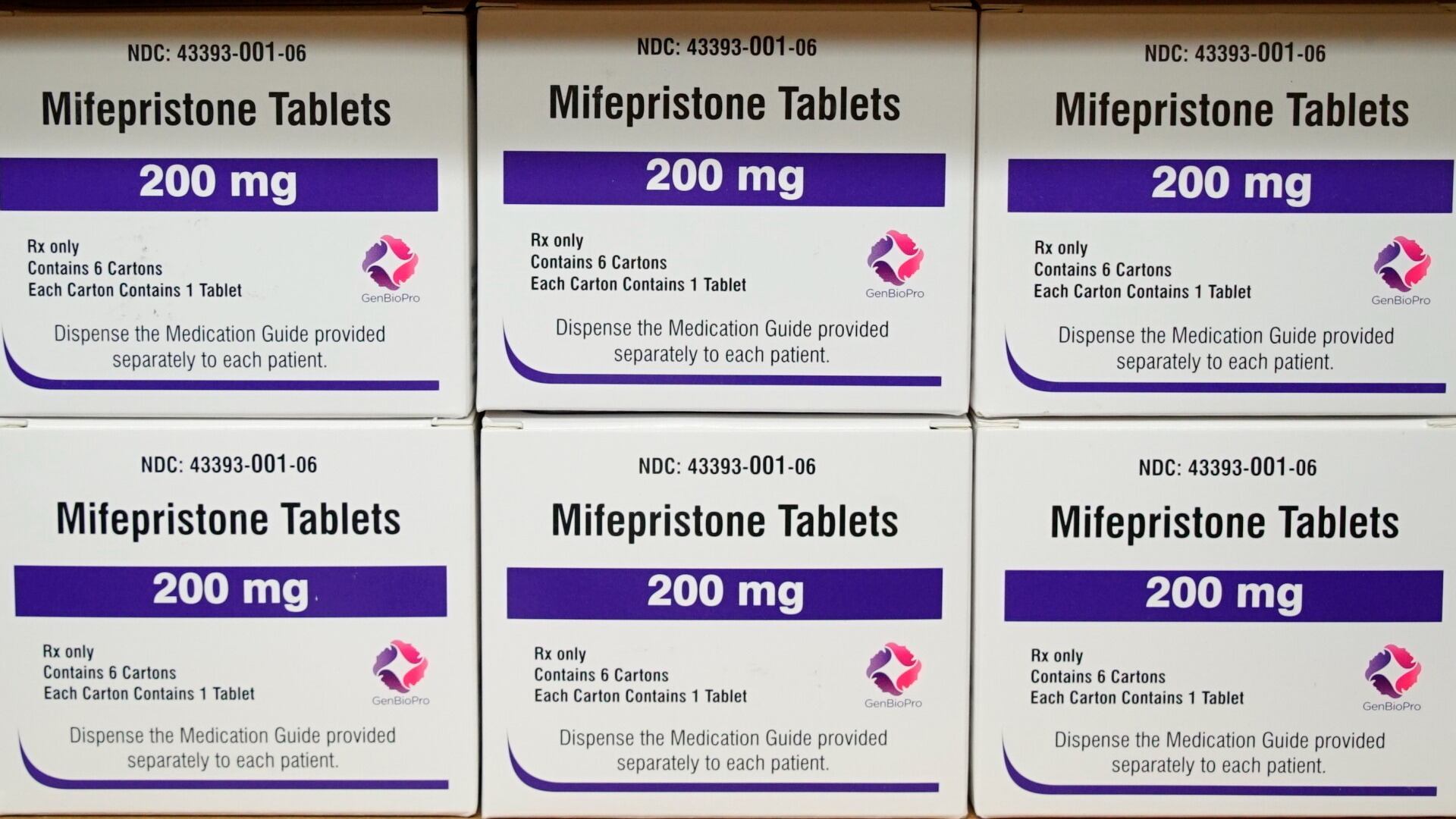
GenBioPro, an abortion pill maker, is suing West Virginia over its abortion ban.
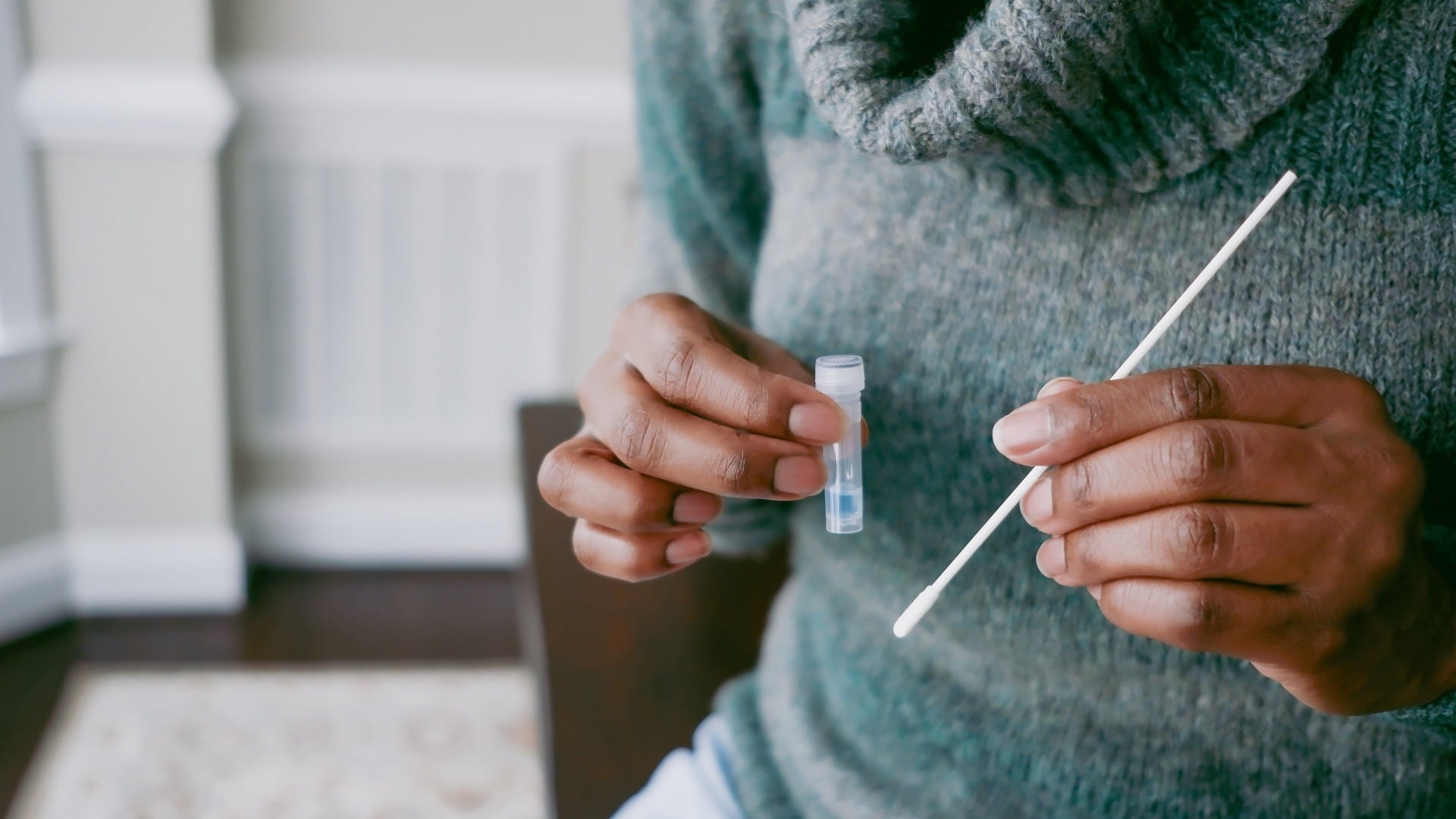
A surge in COVID-19 infections overseas in places like China has prompted the U.S. Centers for Disease and Control to consider testing airplane wastewater for the virus.
A new study shows that ants may be able to detect human cancer with their highly-developed sense of smell.
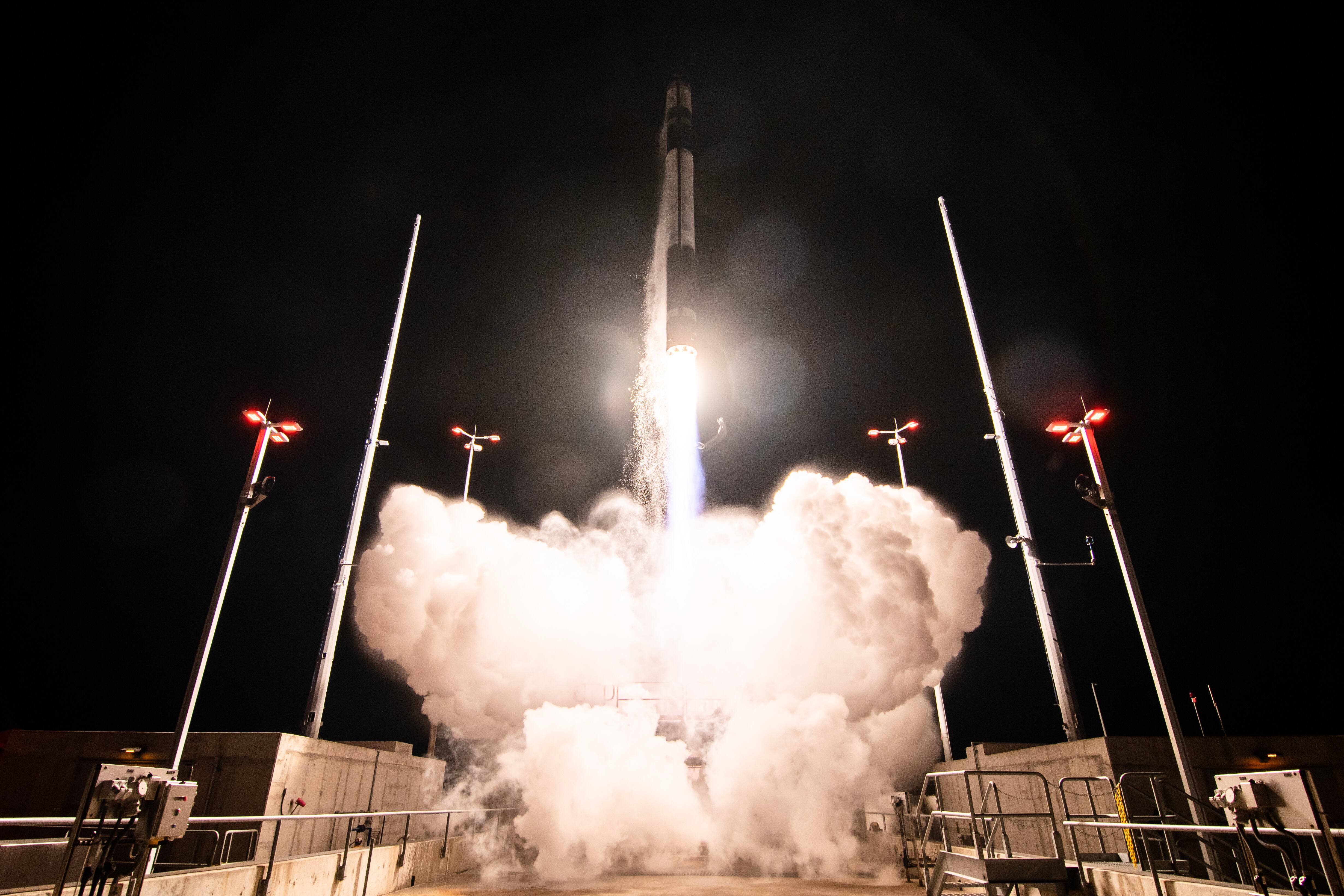
Rocket Lab launched its Electron rocket for its first liftoff from U.S. soil.
New guidance, proposed by the Food and Drug Administration (FDA), seeks to limit levels of the dangerous heavy metal lead in food for babies and toddlers.
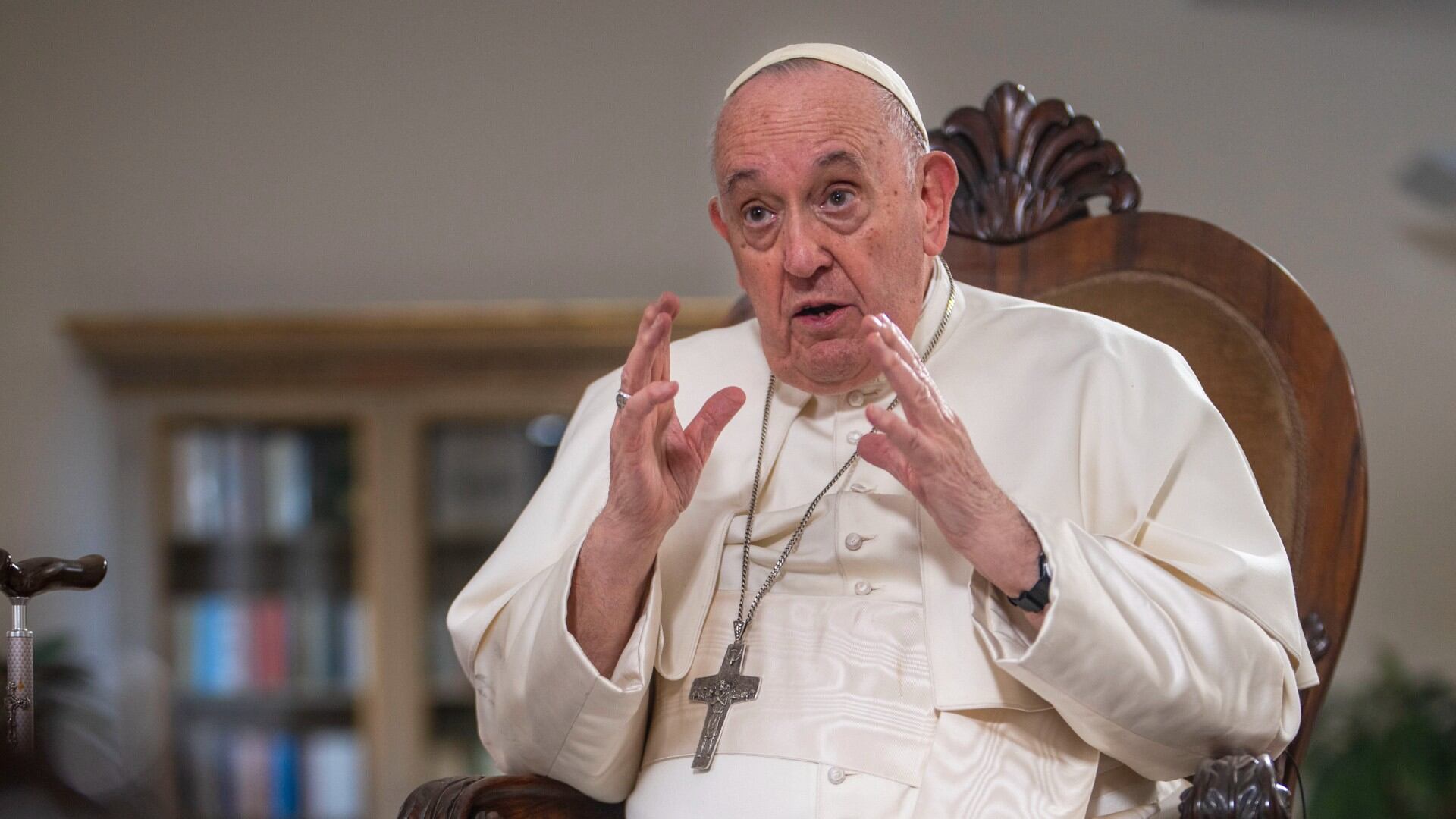
Pope Francis, in an interview with the Associated Press, said being gay is not a crime but called it "a sin."
The Centers for Disease Control and Prevention is shaking up its internal structure, due in part to the criticism over its pandemic response.
The Food and Drug Administration released draft guidance that limits the amount of lead allowed in baby food.