When you think of volcanoes in the United States, Hawaii likely comes to mind. However, America's most dangerous volcano isn't on an island.
Mount St. Helens sits just miles from the city of Seattle, and has erupted regularly throughout the past century. It last erupted on May 18, 2017, but scientists have picked up subterranean activity recently near the volcano.
Steve Olson, Author of "Eruption: The Untold Story of Mount St. Helens" discusses the likelihood of another eruption in the near future. He also takes a look at some of the other active volcanoes in the United States.
If a volcano erupts near a large city like Seattle, it would not only be dangerous for the people who live there, but very costly for the businesses located in the area. Olson discusses the economic impact that an eruption would have.
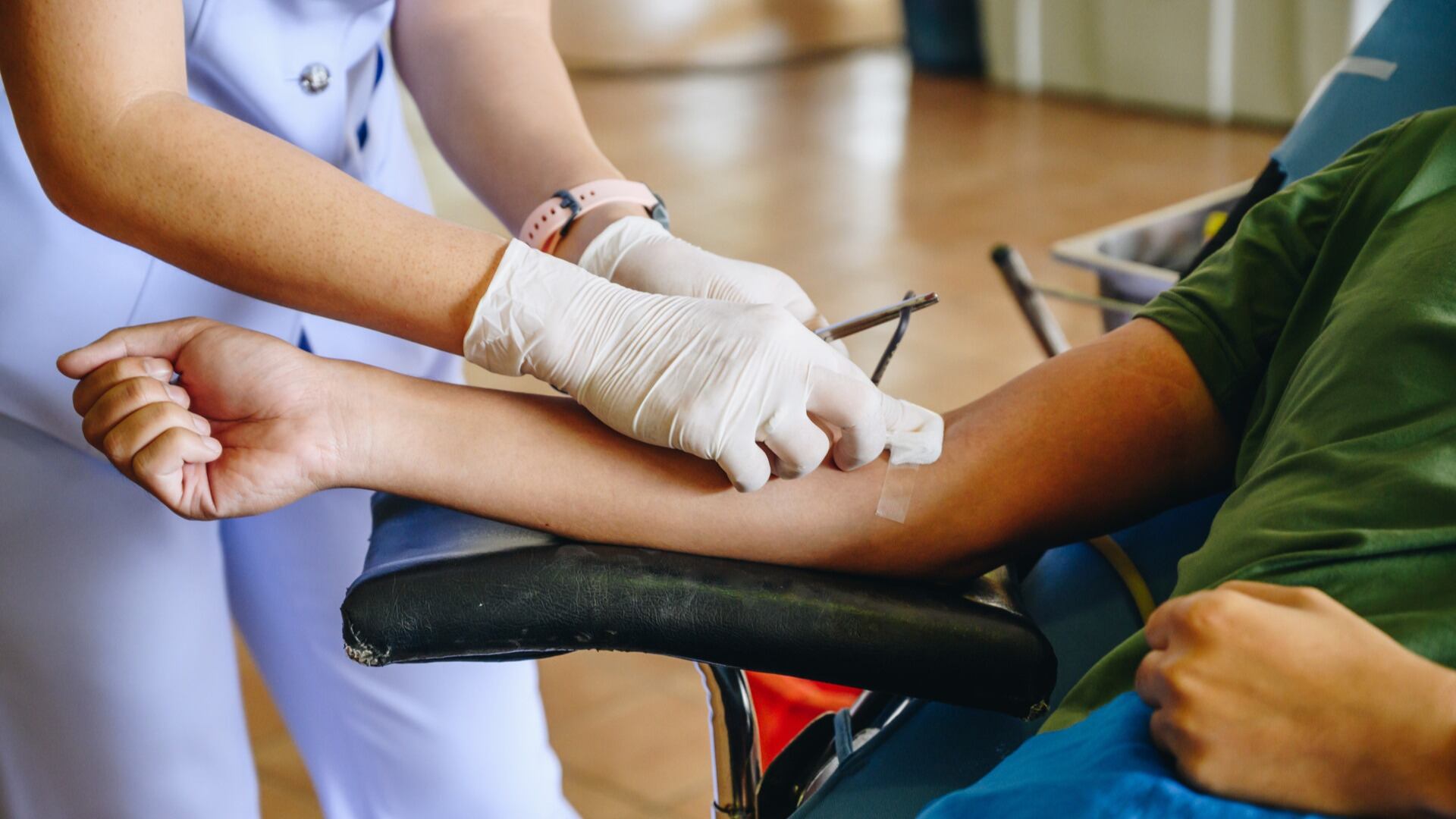
The Food and Drug Administration is changing its policy to make it easier for gay men to donate blood.
Blue Origin is sending an all-female crew into orbit next year, according to The Wall Street Journal.
Jeff Bezos' girlfriend is leading an all-female space mission aboard a Blue Origin spacecraft.
The Food and Drug Administration is raising concerns about the long-term effects of CBD.
CVS and Walmart are cutting back pharmacy hours due to a shortage of pharmacists.
The U.S. plans to make it easier for gay and bisexual men to give blood by easing restrictions on groups that typically face higher risks of HIV.
Five former Memphis police officers were charged with murder in the death of Tyre Nichols, the FDA explores yearly COVID vaccines, and New York City explores electric Uber and Lyft rides. Here is everything you Need2Know for Friday, January 27, 2023.
The Food and Drug Administration is joining an international probe that is taking a closer look at some cough syrups that have killed over 300 children worldwide.
Payam Banazadeh, founder and CEO of Capella Space, joined Cheddar News to discuss the satellite imagery company's latest $60 million funding and what government projects lie ahead.
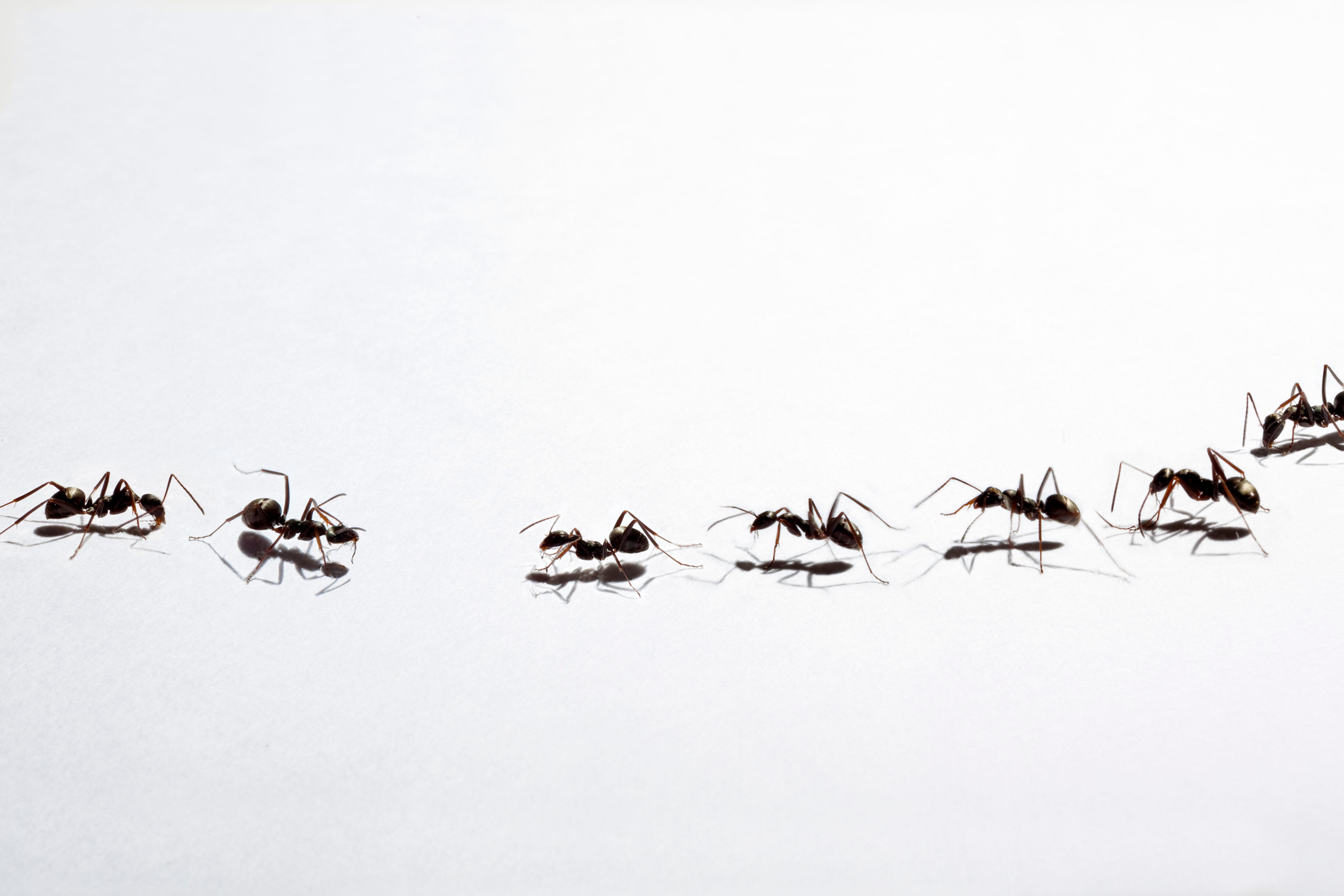
Ants could be the next line of defense against cancer, according to a study.