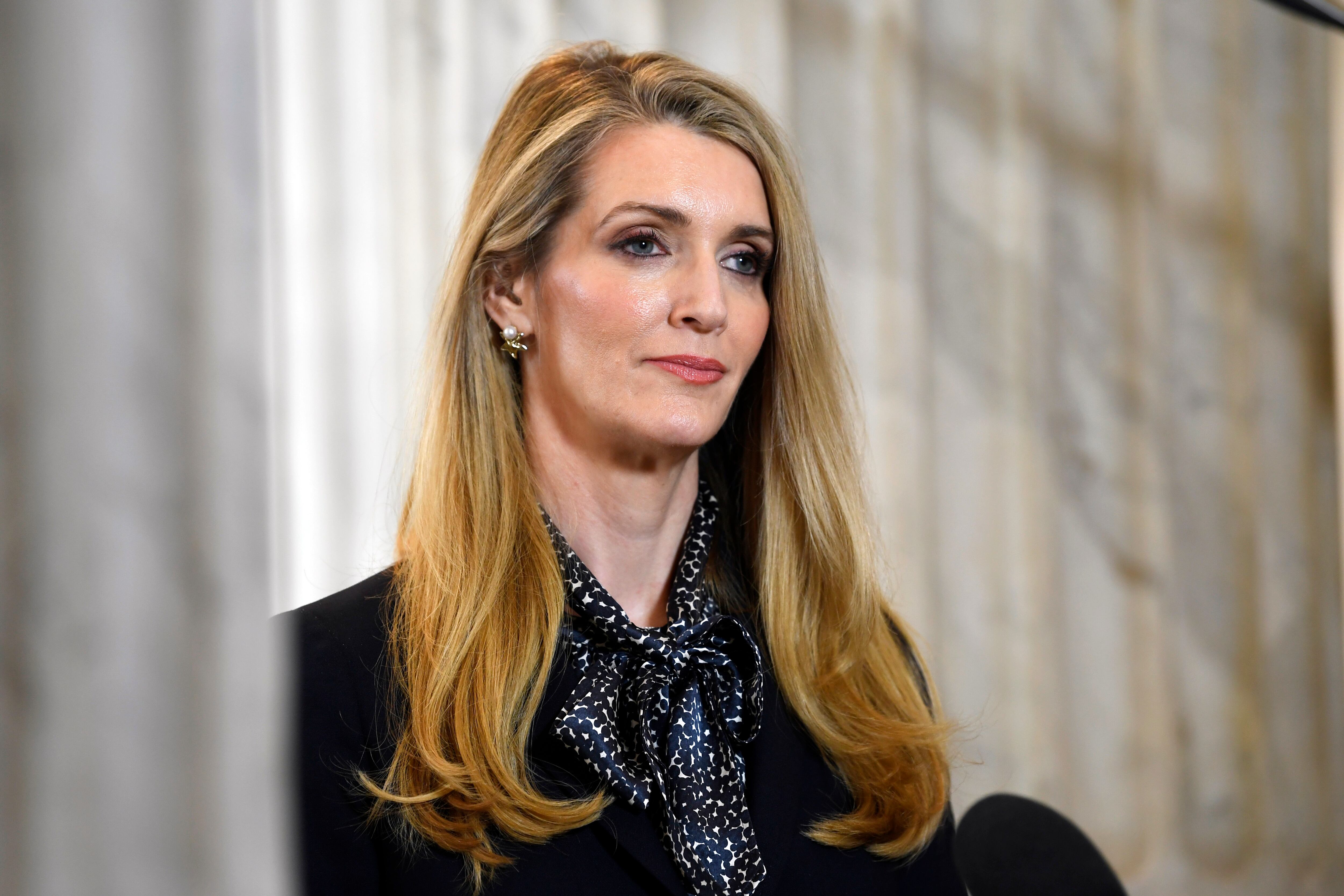
In this March 20, 2020, file photo, Sen. Kelly Loeffler, R-Georgia, waits to speak in a television interview on Capitol Hill in Washington. Loeffler was appointed to the U.S. Senate last year on the hope that she would help the GOP hold on to moderates uncomfortable with the party’s right turn under President Donald Trump. (AP Photo/Susan Walsh, File)
In Georgia, Republican Sen. Kelly Loeffler and Democrat Raphael Warnock have advanced to a Jan. 5 runoff in the special election for Loeffler’s Senate seat.
They’re the top two finishers in a crowded field that also included Republican Rep. Doug Collins. But no candidate was able to get the 50% threshold needed in order to win outright.
Loeffler, a wealthy businesswoman, was appointed last year to replace retiring Sen. Johnny Isakson. Warnock is pastor of the Atlanta church where the Rev. Martin Luther King Jr. preached. Warnock is trying to become Georgia’s first Black U.S. senator.
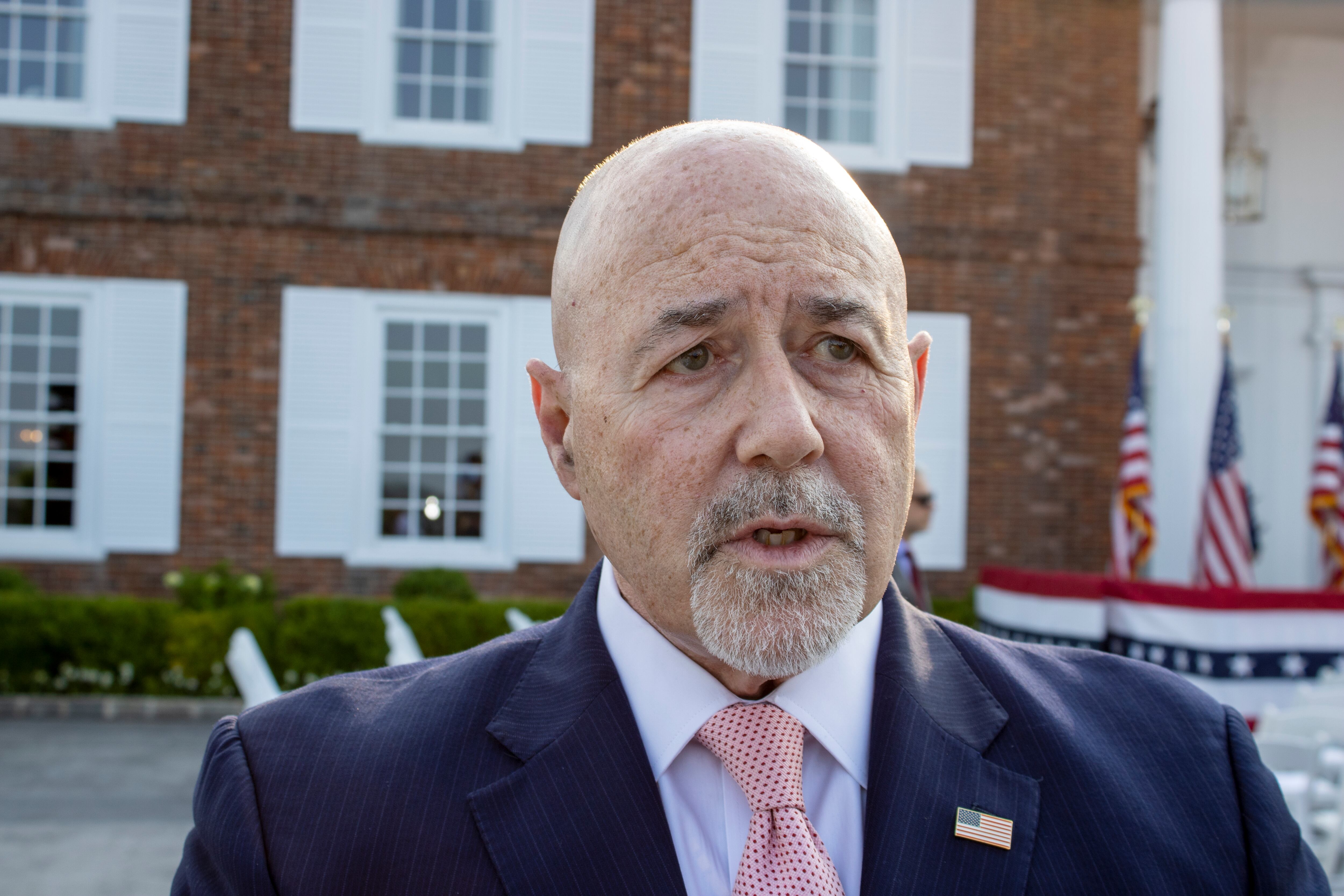
The lawyer for former NYPD commissioner Bernard Kerik turned over thousands of pages and documents to a special counsel as part of an investigation into Kerik's alleged involvement to overturn the results of the 2020 election.
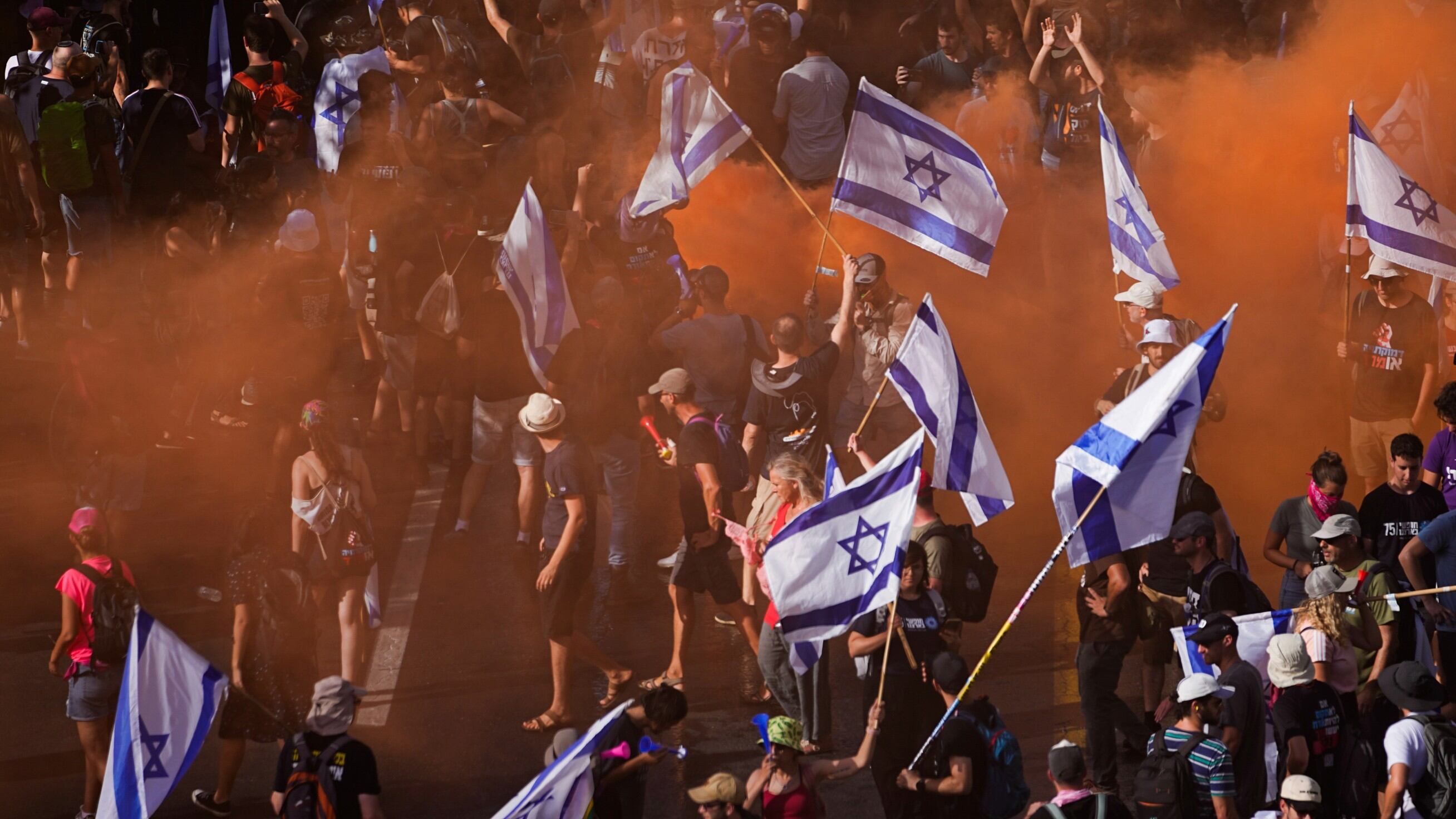
Israel’s parliament on Monday approved the first major law in Prime Minister Benjamin Netanyahu’s contentious plan to overhaul the country’s justice system, triggering a new burst of mass protests and drawing accusations that he was pushing the country toward authoritarian rule.
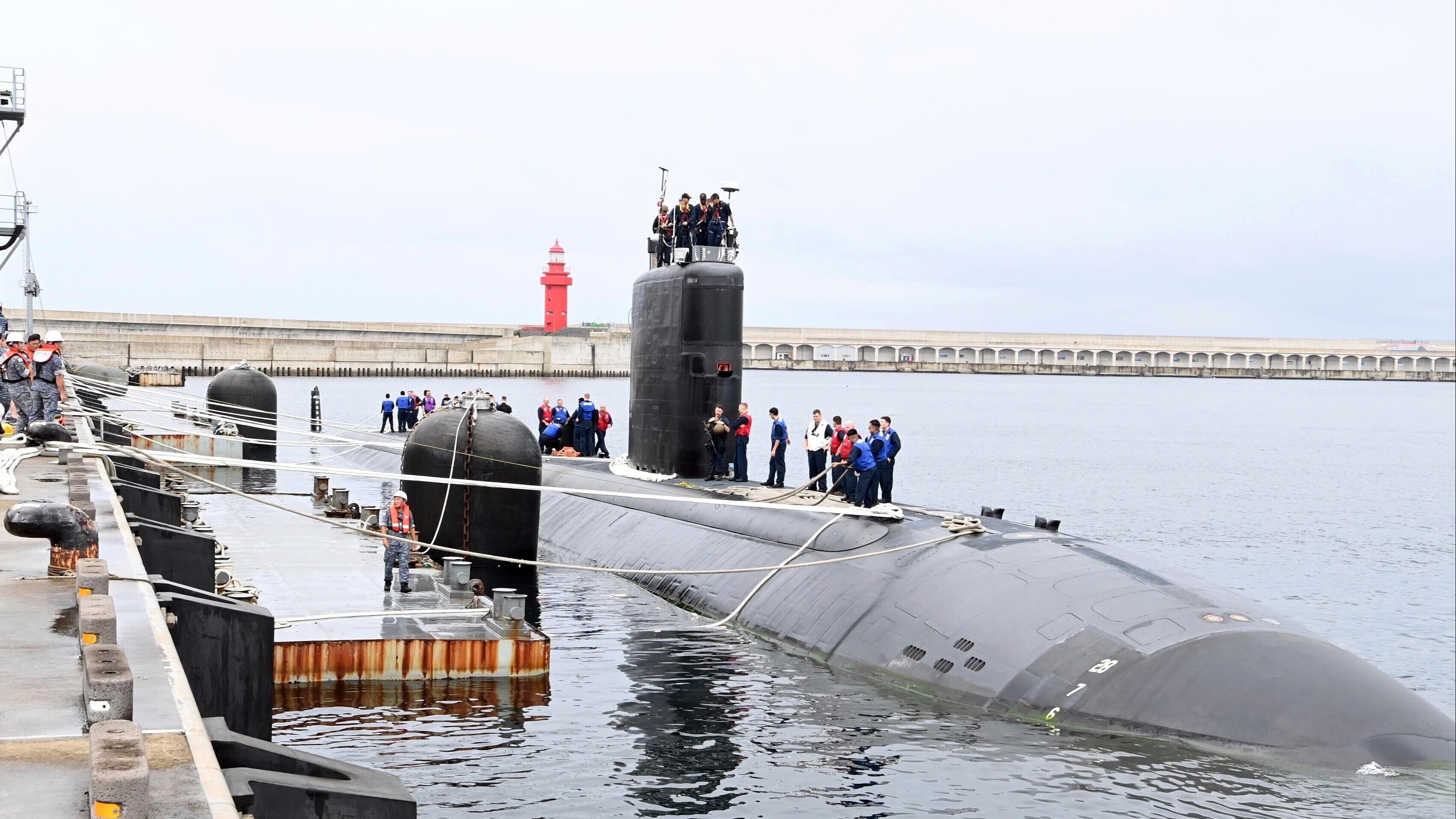
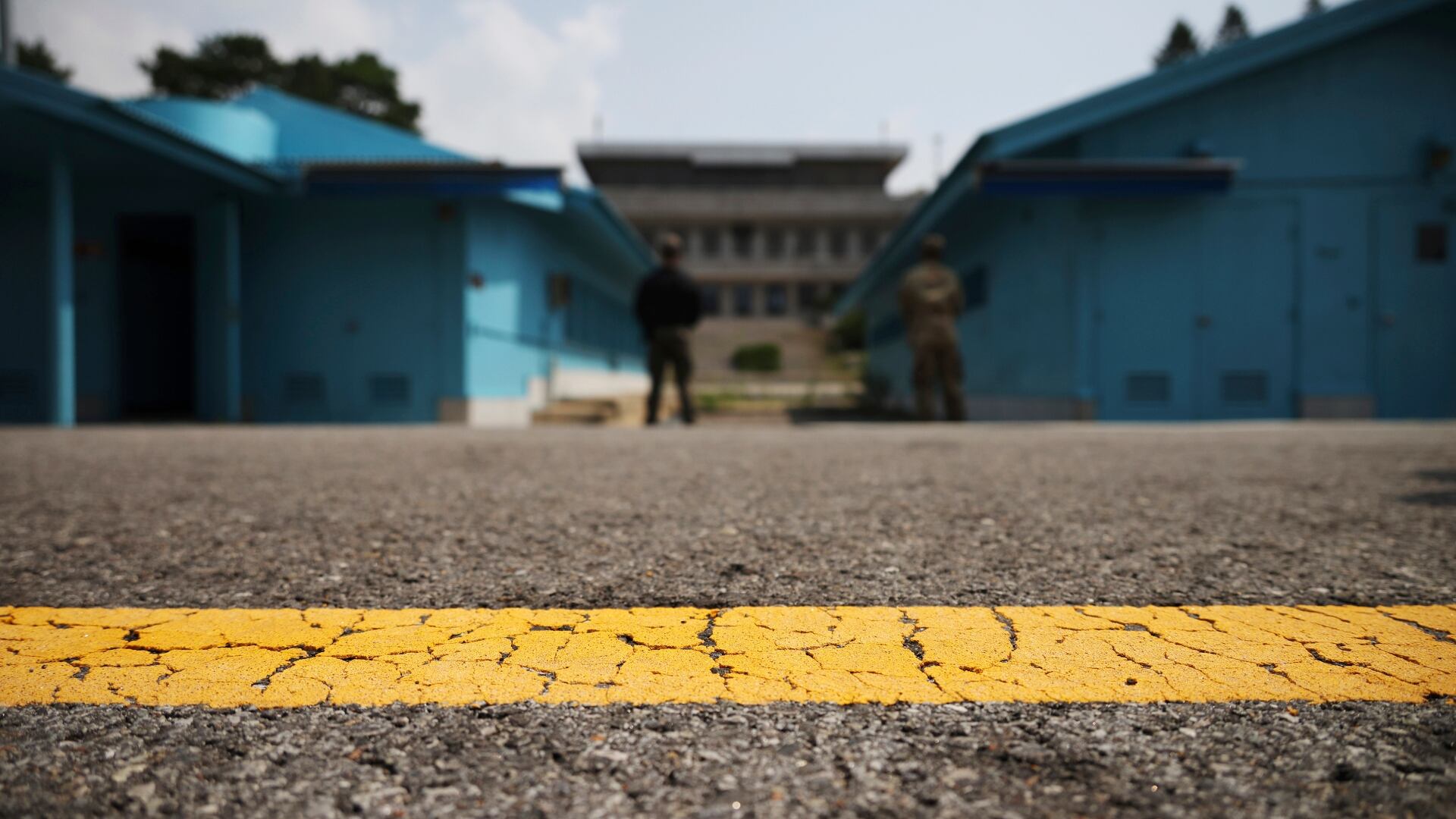
North Korea fired two short-range ballistic missiles into its eastern sea, South Korea’s military said Tuesday, adding to a recent streak in weapons testing that is apparently in protest of the U.S. sending major naval assets to South Korea in a show of force.
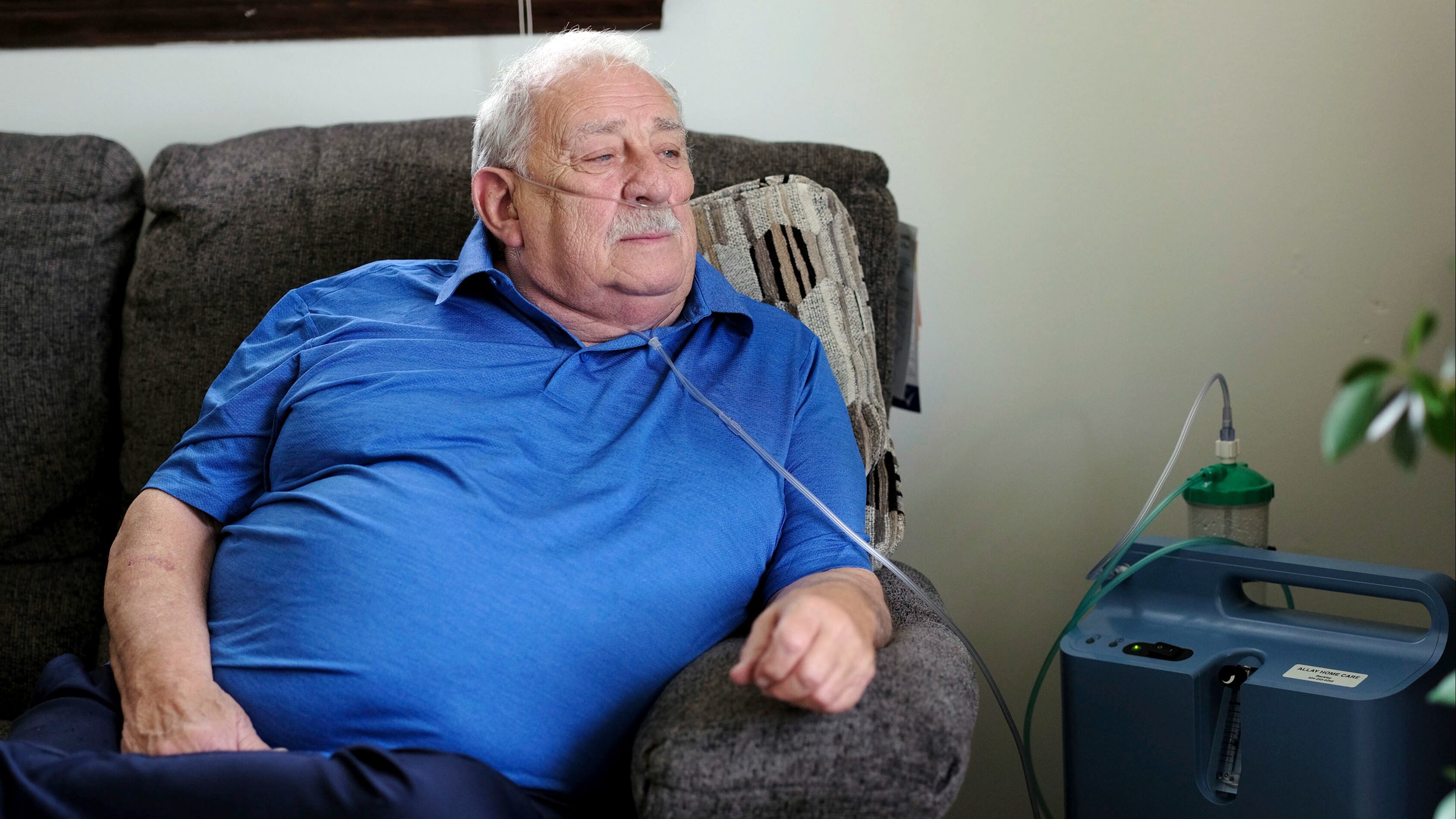
Now the federal Mine Safety and Health Administration has proposed a rule that would cut the current limit for silica exposure by half — a major victory for safety advocates. But there is skepticism and concern about the government following through after years of broken promises and delays.
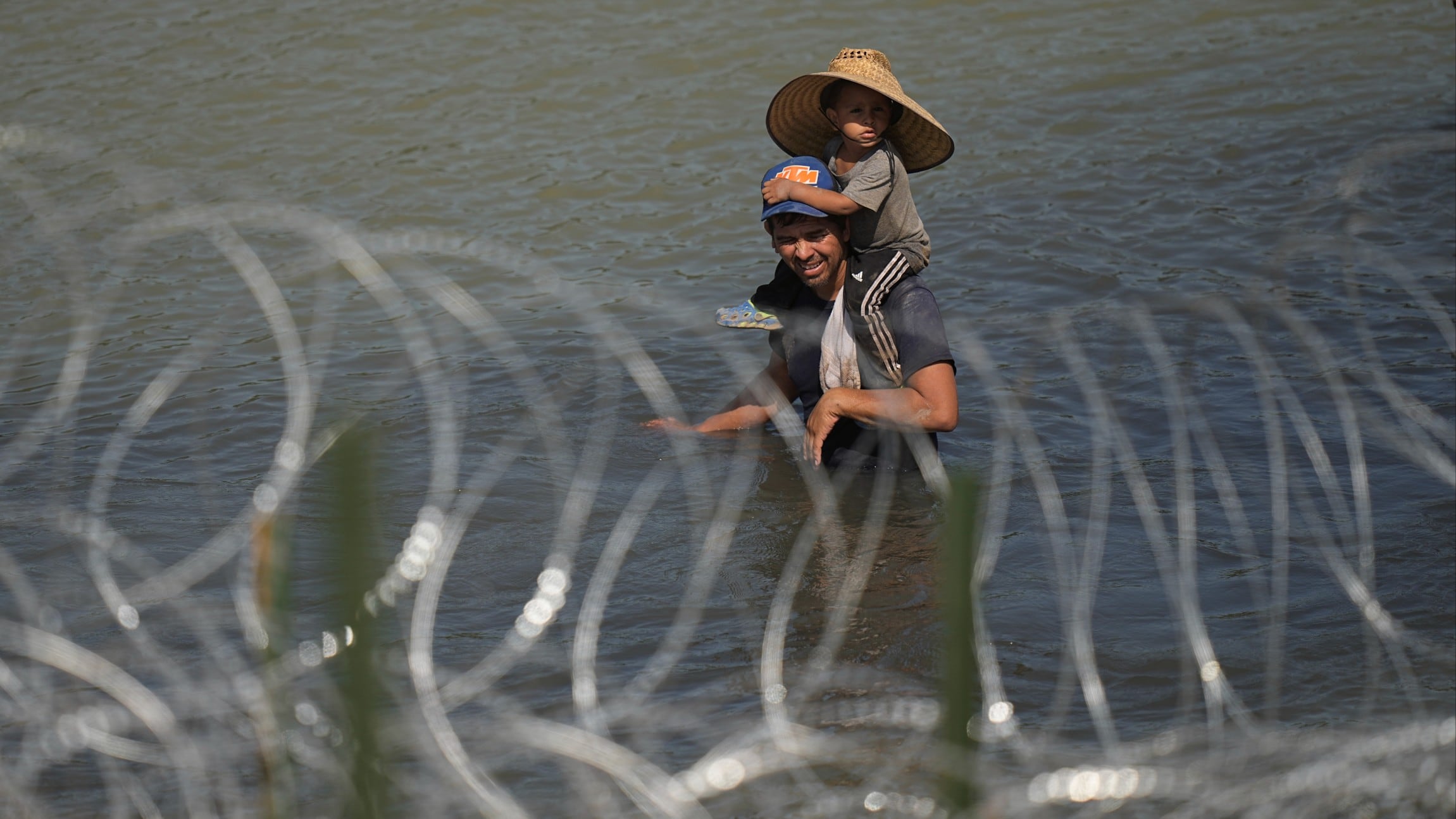
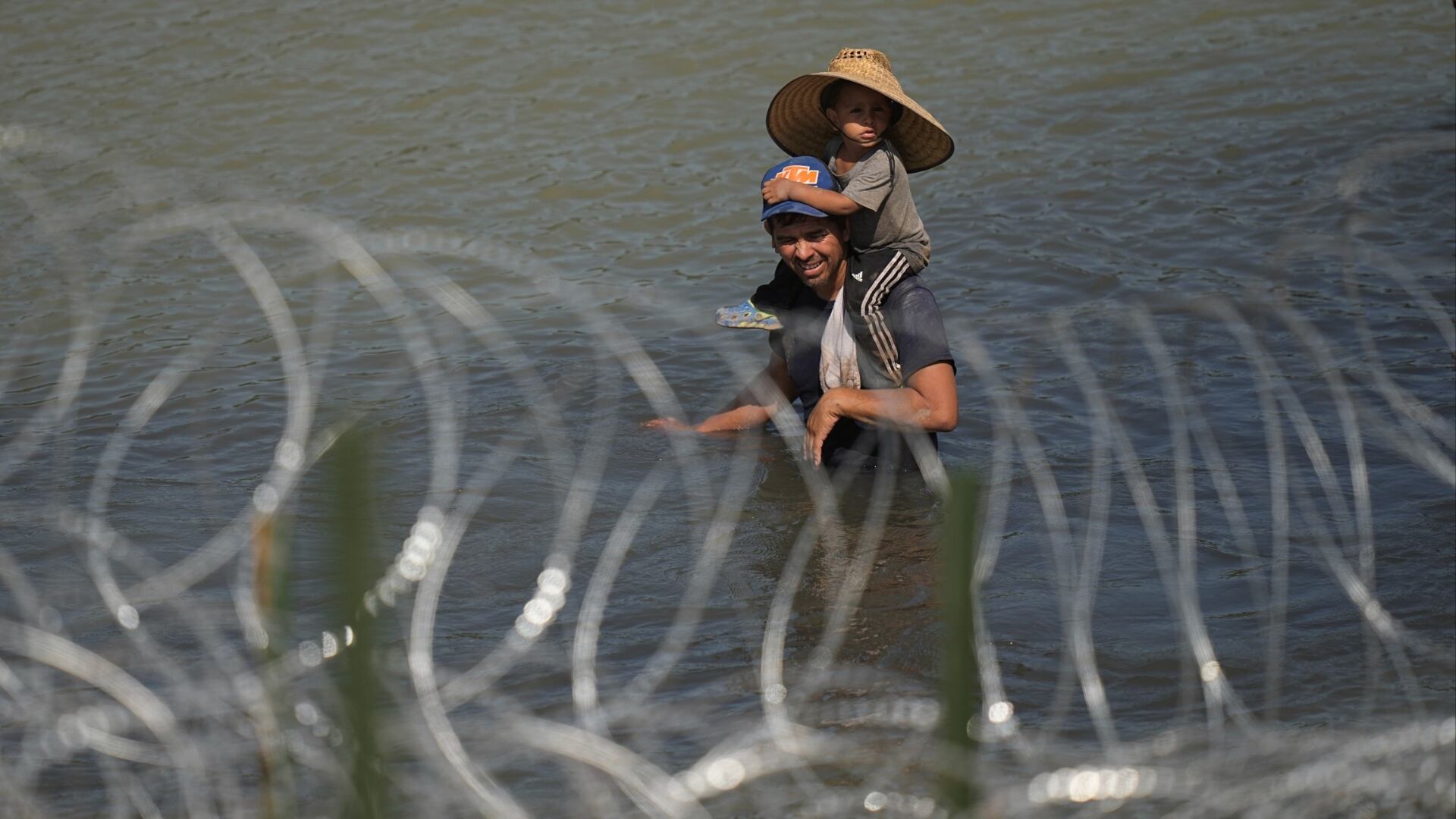
A state trooper's account of officers denying migrants water in 100-degree Fahrenheit (37.7 Celsius) temperatures and razor wire leaving asylum-seekers bloodied has prompted renewed criticism.