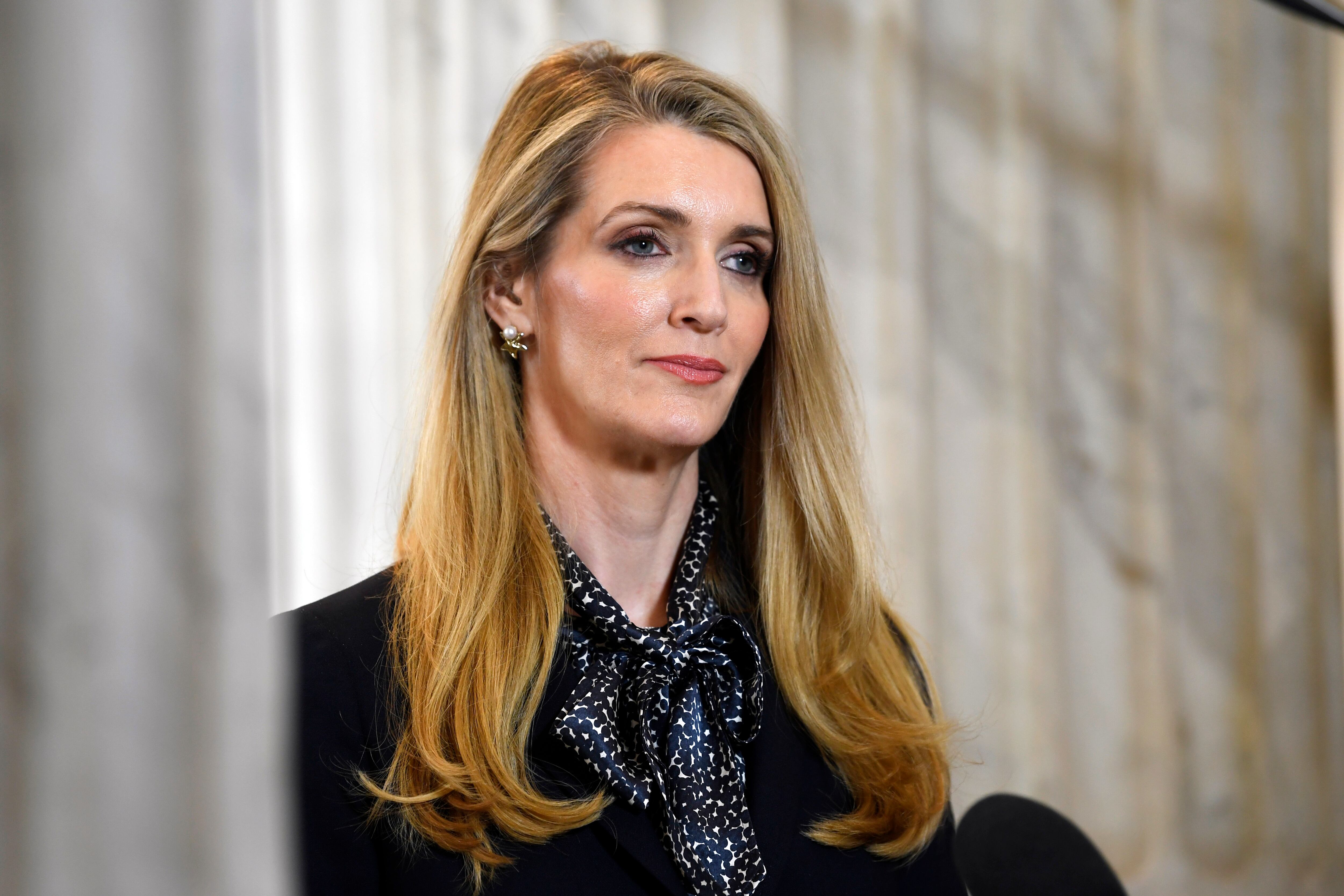
In this March 20, 2020, file photo, Sen. Kelly Loeffler, R-Georgia, waits to speak in a television interview on Capitol Hill in Washington. Loeffler was appointed to the U.S. Senate last year on the hope that she would help the GOP hold on to moderates uncomfortable with the party’s right turn under President Donald Trump. (AP Photo/Susan Walsh, File)
In Georgia, Republican Sen. Kelly Loeffler and Democrat Raphael Warnock have advanced to a Jan. 5 runoff in the special election for Loeffler’s Senate seat.
They’re the top two finishers in a crowded field that also included Republican Rep. Doug Collins. But no candidate was able to get the 50% threshold needed in order to win outright.
Loeffler, a wealthy businesswoman, was appointed last year to replace retiring Sen. Johnny Isakson. Warnock is pastor of the Atlanta church where the Rev. Martin Luther King Jr. preached. Warnock is trying to become Georgia’s first Black U.S. senator.
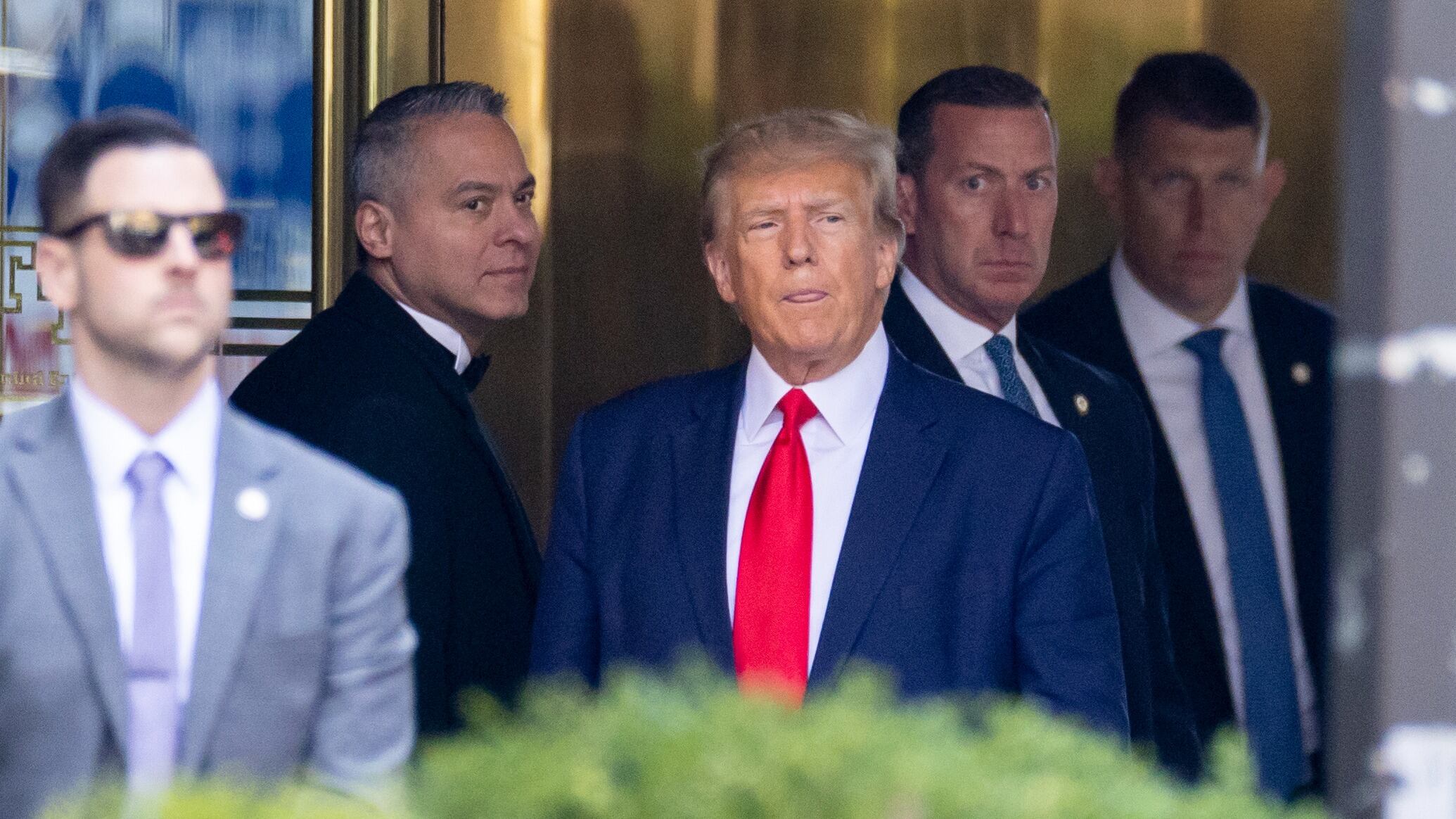
Former President Donald Trump answered questions for nearly seven hours Thursday during his second deposition in a legal battle with New York's attorney general over his company's business practices, reversing an earlier decision to invoke his Fifth Amendment protection against self-incrimination and remain silent.
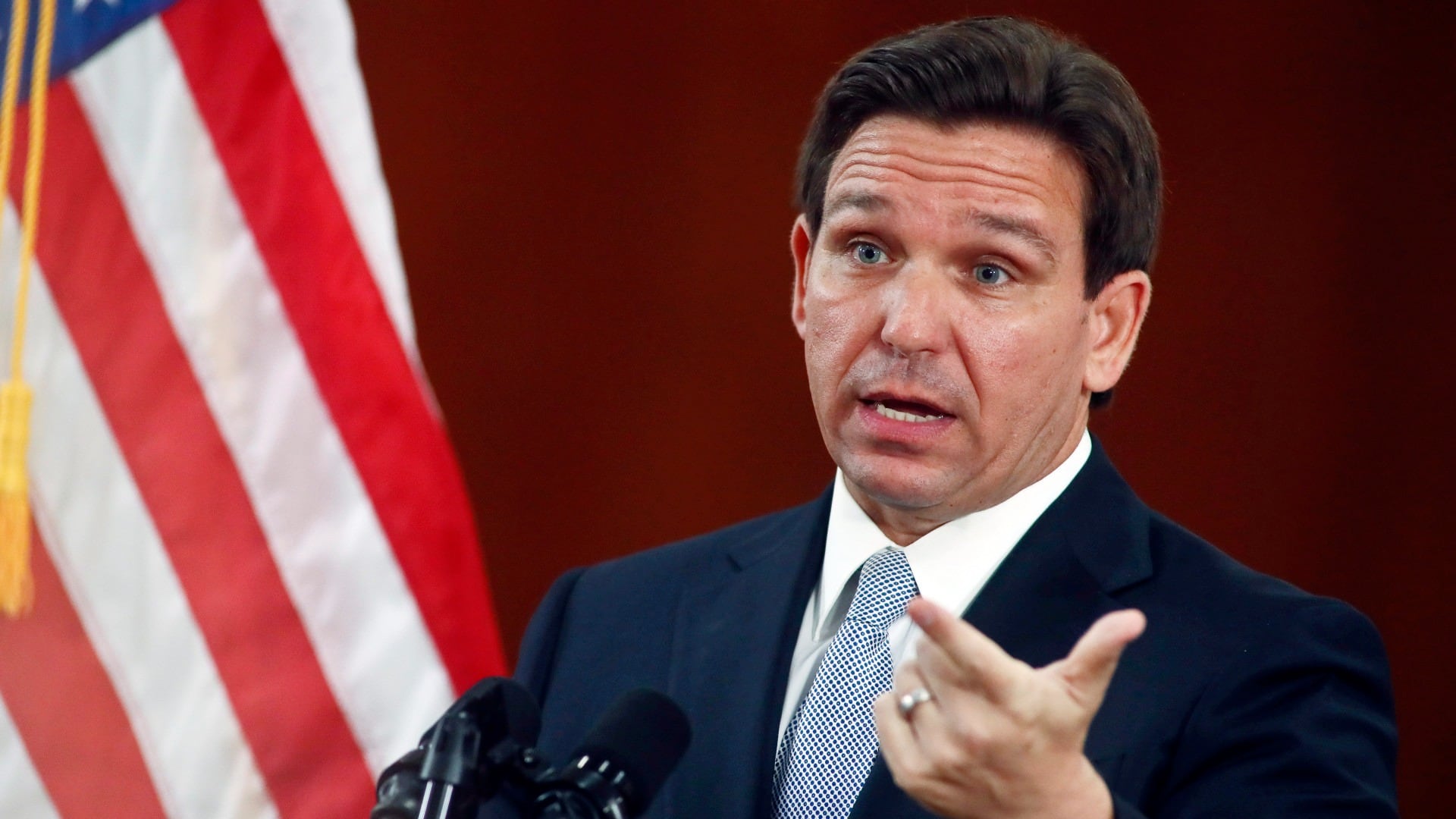
Republican Gov. Ron DeSantis has signed into law a bill approved by the Republican-dominated Florida Legislature to ban abortions after six weeks of pregnancy.
A federal appeals court has ruled that the abortion pill mifepristone can still be used for now but reduced the period of pregnancy when the drug can be taken and said it could not be dispensed by mail.
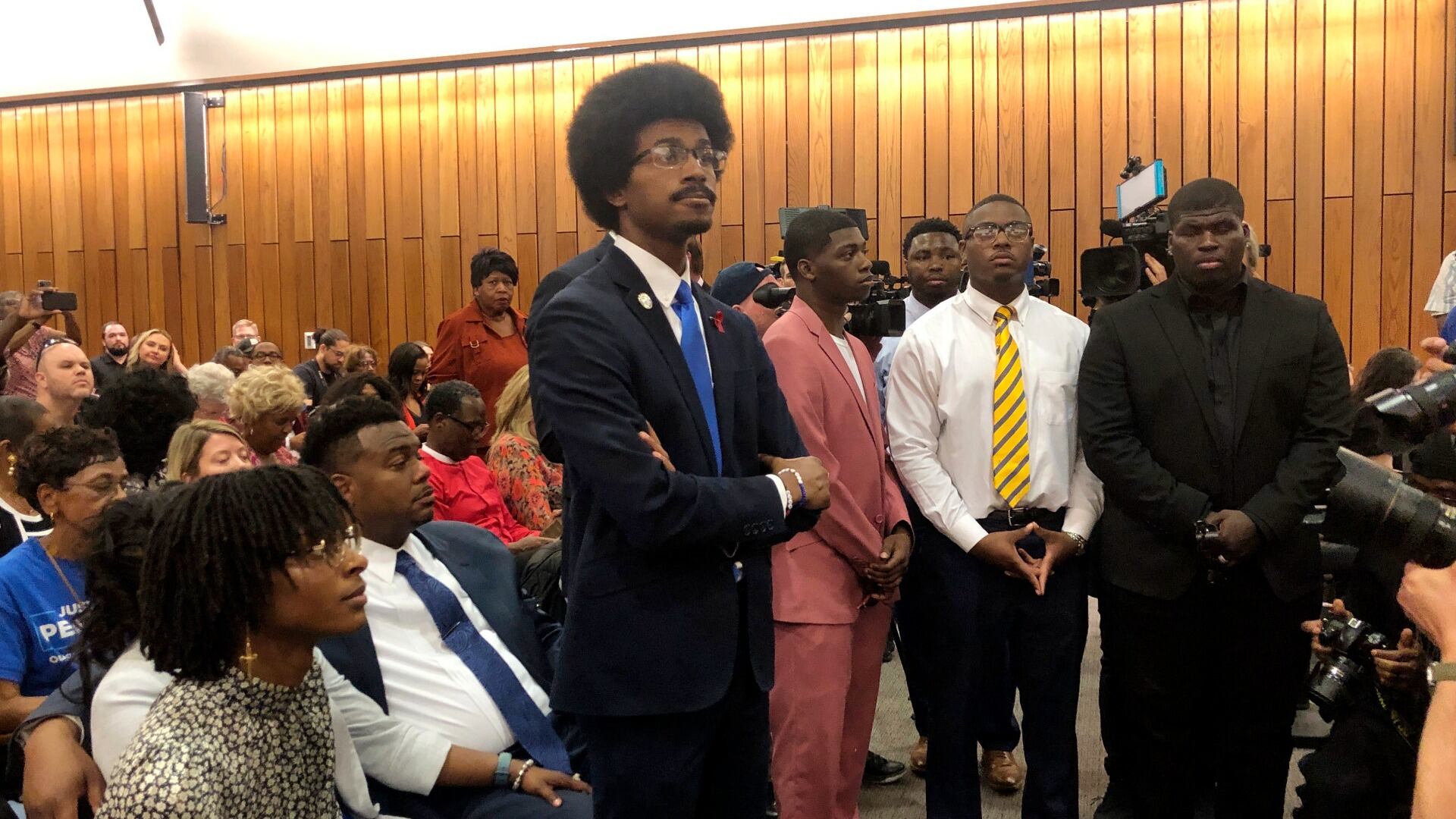
The second of two Black Democrats expelled from the Republican-led Tennessee House will return to the Legislature after a Memphis commission voted to reinstate him Wednesday.
Some abortion clinics are fielding lots of calls from patients since a court ruling last Friday threatened the availability of a main drug used in medication abortion, mifepristone.
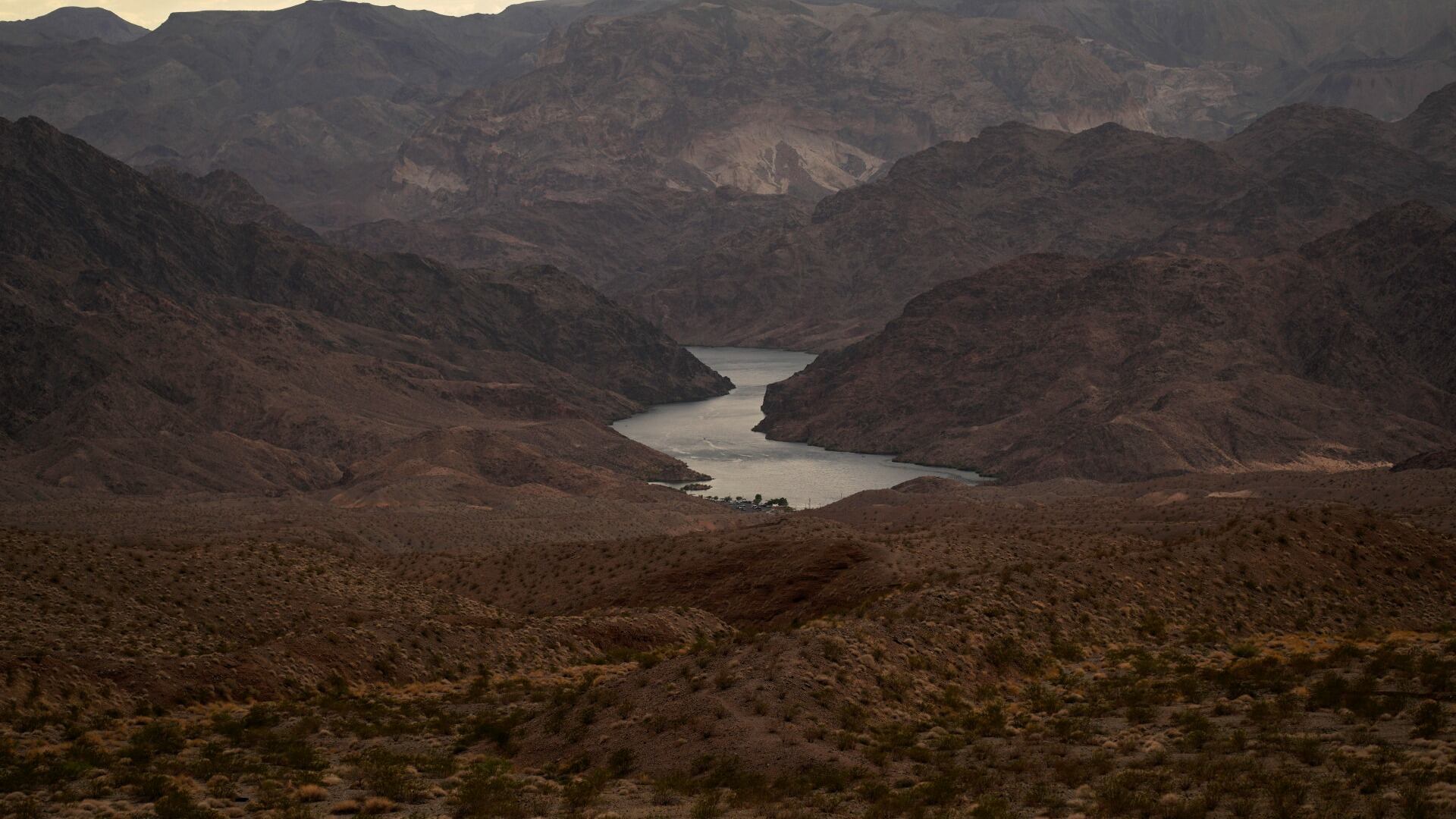
The Biden administration released an environmental analysis Tuesday that outlined two ways that seven Western states and tribes reliant on the over-tapped Colorado River could cut their use, but declined to publicly take a side on the best option.