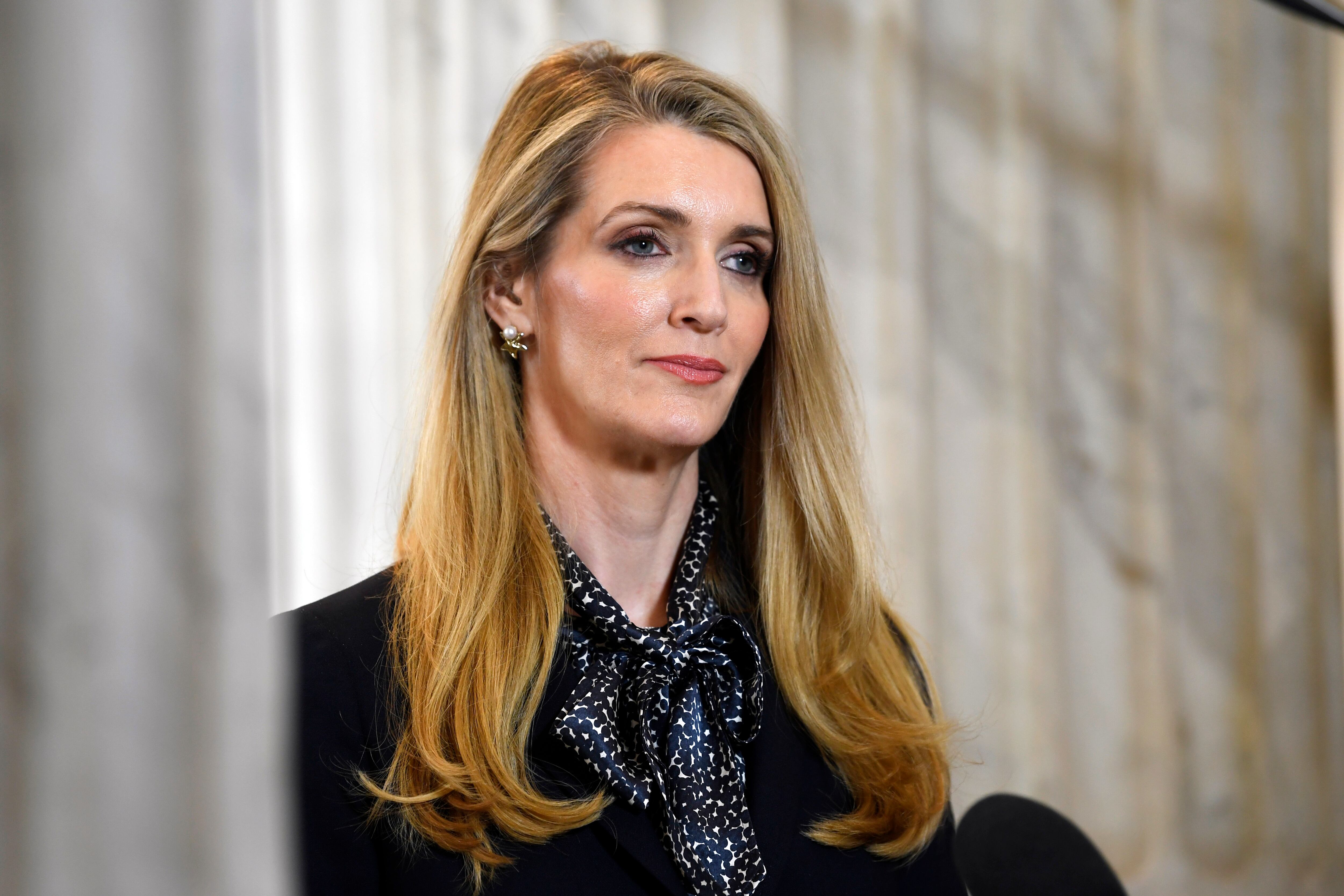
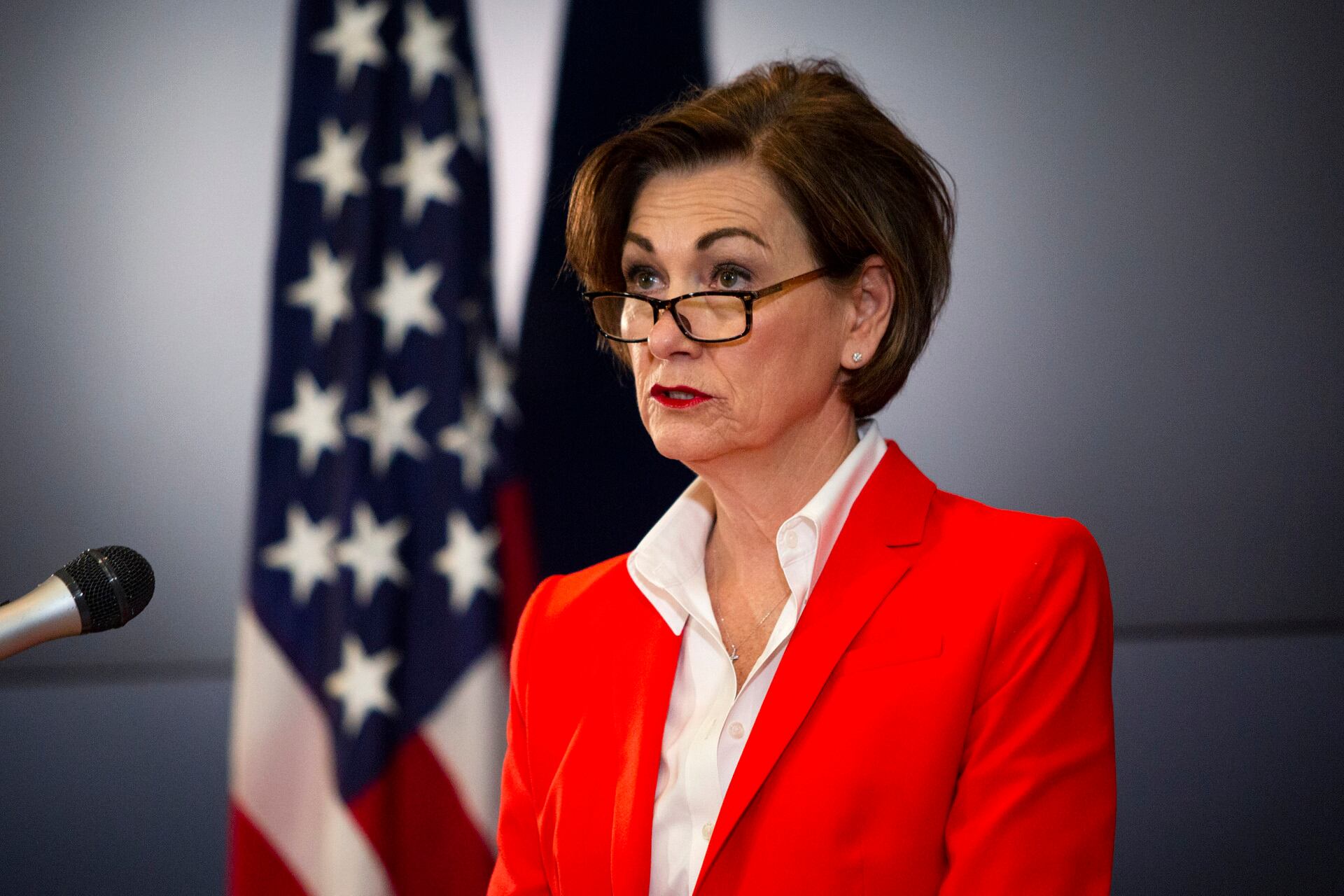
In this March 20, 2020, file photo, Sen. Kelly Loeffler, R-Georgia, waits to speak in a television interview on Capitol Hill in Washington. Loeffler was appointed to the U.S. Senate last year on the hope that she would help the GOP hold on to moderates uncomfortable with the party’s right turn under President Donald Trump. (AP Photo/Susan Walsh, File)
In Georgia, Republican Sen. Kelly Loeffler and Democrat Raphael Warnock have advanced to a Jan. 5 runoff in the special election for Loeffler’s Senate seat.
They’re the top two finishers in a crowded field that also included Republican Rep. Doug Collins. But no candidate was able to get the 50% threshold needed in order to win outright.
Loeffler, a wealthy businesswoman, was appointed last year to replace retiring Sen. Johnny Isakson. Warnock is pastor of the Atlanta church where the Rev. Martin Luther King Jr. preached. Warnock is trying to become Georgia’s first Black U.S. senator.
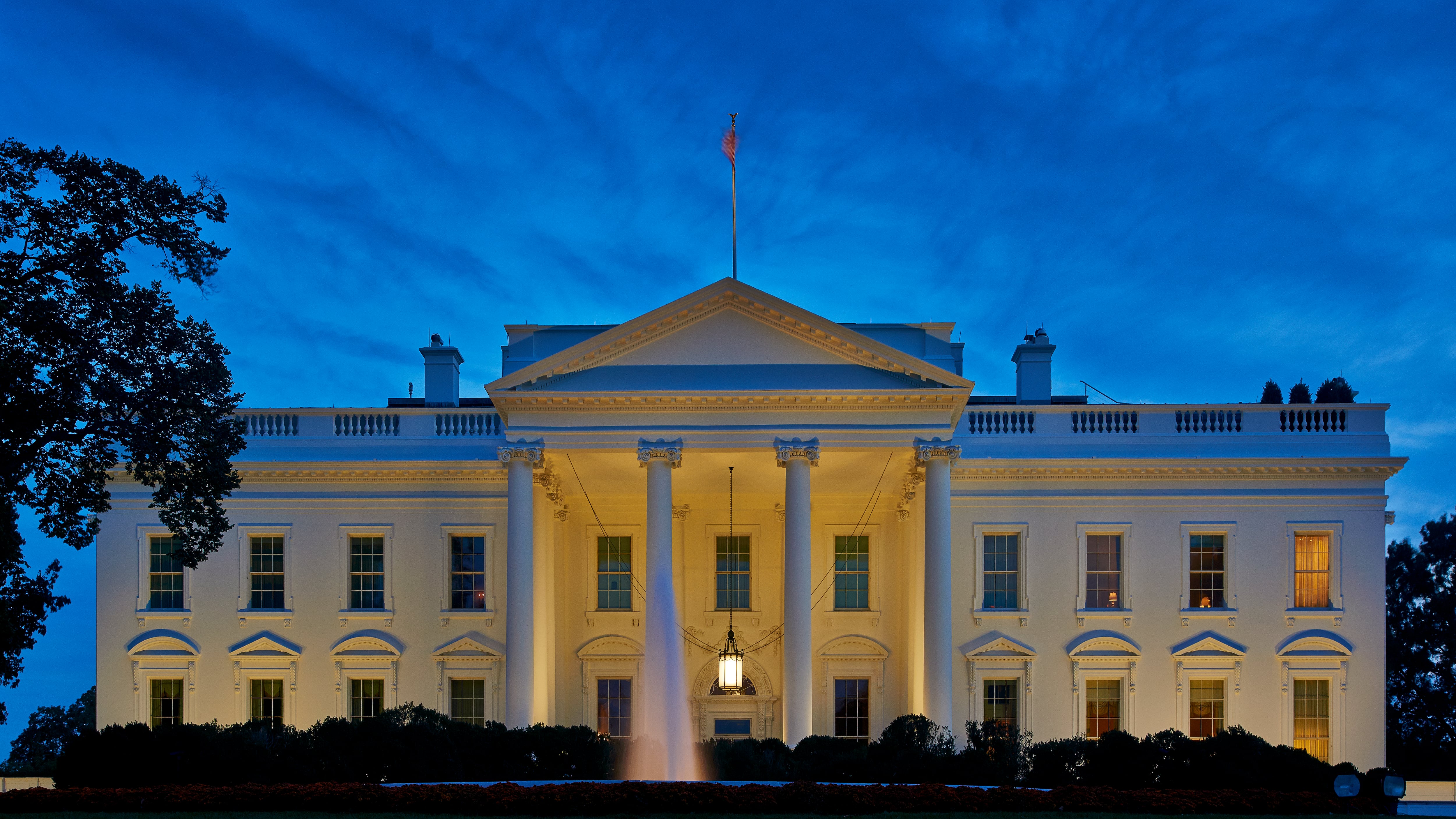
No fingerprints or DNA turned up on the baggie of cocaine found in a lobby at the White House last week despite a sophisticated FBI crime lab analysis, and surveillance footage of the area didn’t identify a suspect, according to a summary of the Secret Service investigation obtained by The Associated Press. There are no leads on who brought the drugs into the building.
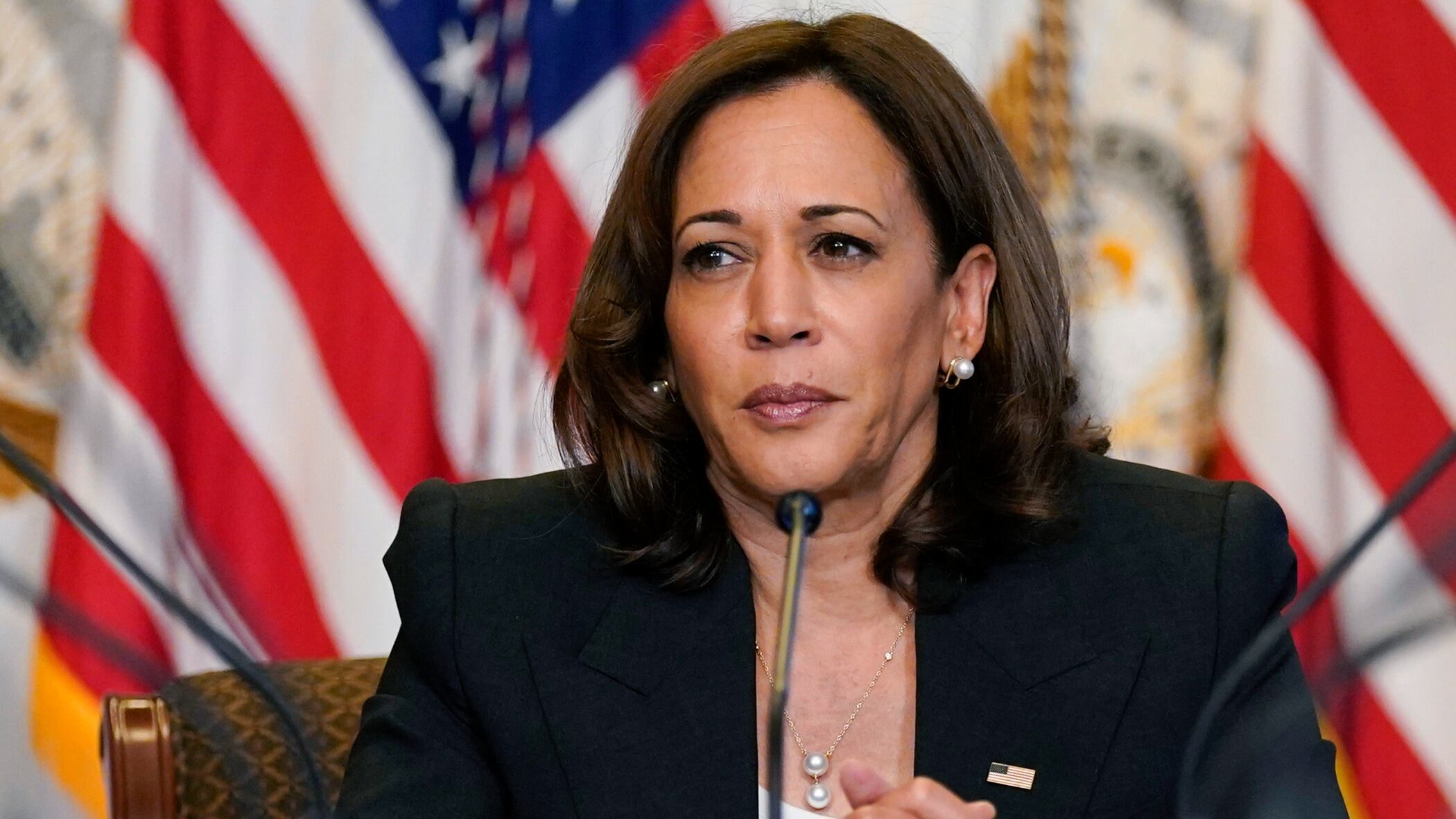
Kamala Harris, who made history as the first woman or person of color to serve as vice president, has made history again by matching the record for most tiebreaking votes in the Senate.
Republicans on the House Judiciary Committee accused the agency of targeting conservatives, suppressing evidence that Covid-19 came from a lab leak and abusing its surveillance powers.
The Biden administration calls it a “student loan safety net.” Opponents call it a backdoor attempt to make college free. And it could be the next battleground in the legal fight over student loan relief.
Nearly 30,000 people in Mississippi were dropped from the state's Medicaid program after an eligibility review that the government ended during the pandemic.
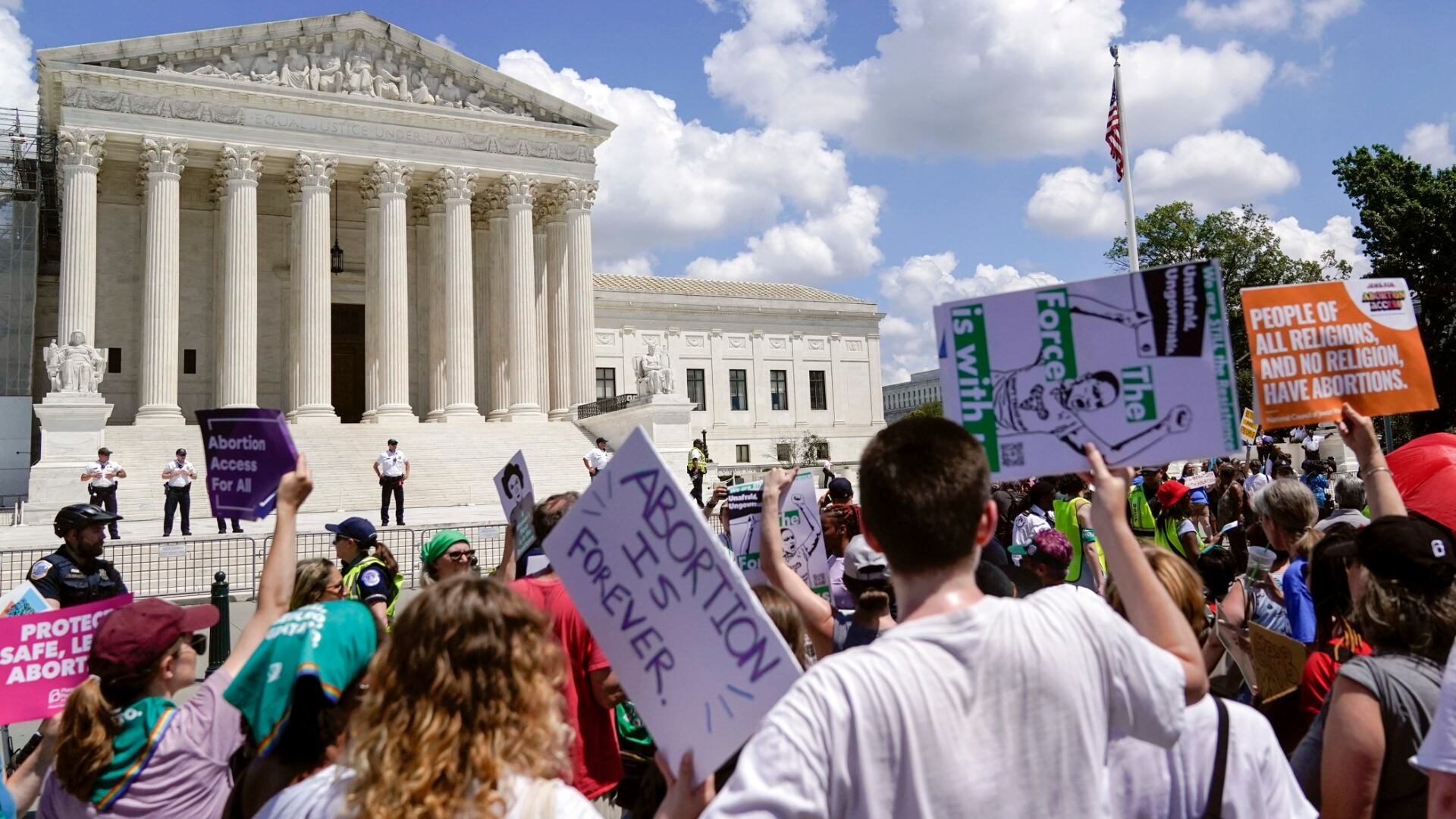
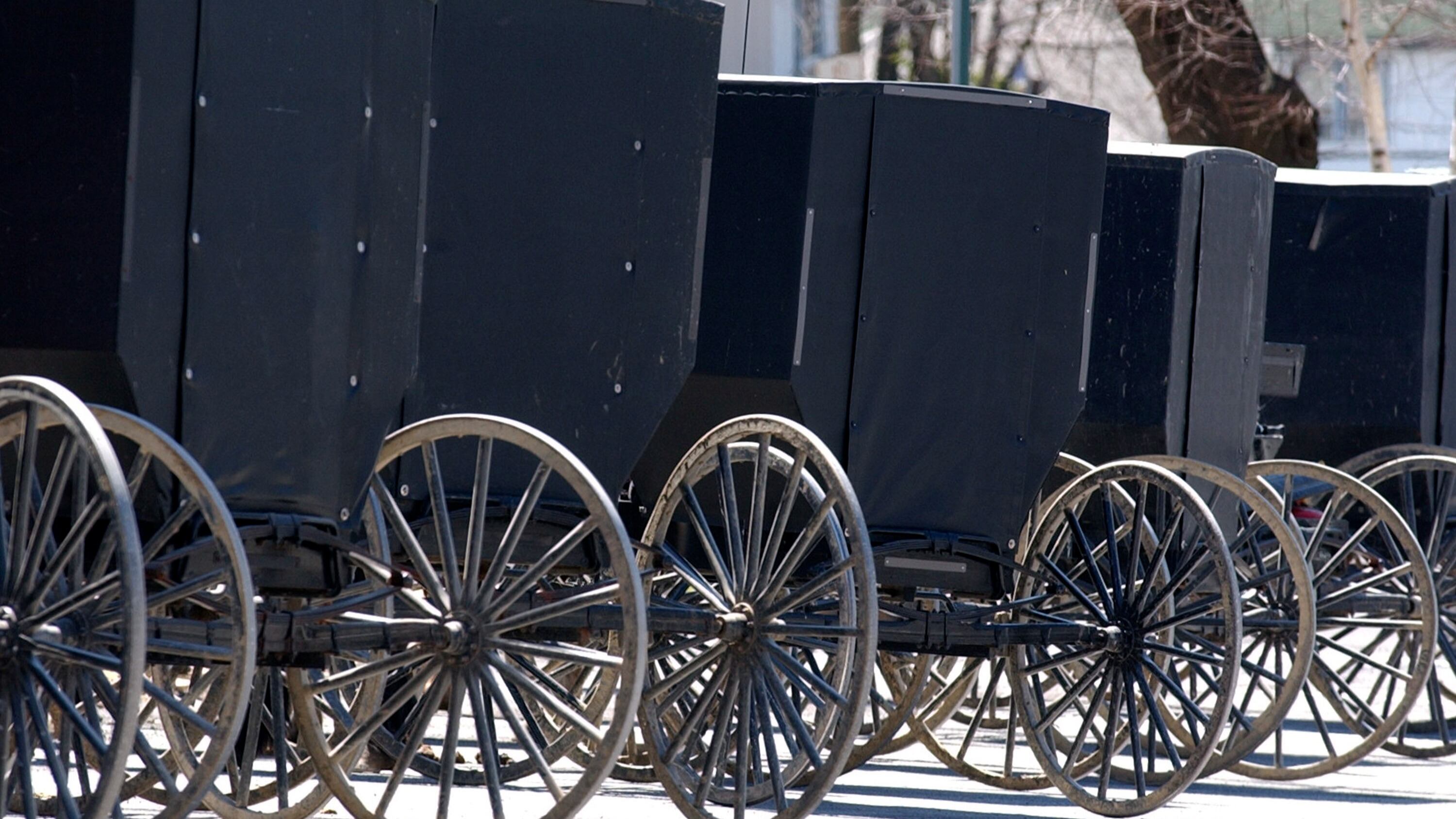
Members of a deeply conservative Amish community in Minnesota don't need to install septic systems to dispose of their “gray water,” the state Court of Appeals ruled Monday in a long-running religious freedom case that went all the way up to the U.S. Supreme Court.