Saudi Arabia's Lifting Women Driver Ban Is an Economic Play
*By Jacqueline Corba*
For the first time in nearly three decades, women are allowed to get behind the wheel of a car in Saudi Arabia.
And while the change that went into effect Sunday may be a step forward for women's rights in the kingdom, it is also an economic move.
"The driving ban being lifted has been one in a set of limited economic and social reforms aimed specifically at making women good workers and good consumers," Human Rights Watch Acting Saudi Researcher Hiba Zayadin told Cheddar Monday. "With the drop in oil prices Saudi's strategy now is to shift the economy away from an over-dependence on oil."
And to do that, it means getting women to work.
Saudi Arabia's workforce is currently only [22 percent female](https://www.ft.com/content/c55d6cf4-8cd3-11e7-9084-d0c17942ba93), though women account for about 45 percent of the total population. PwC estimates that the number of female drivers will [reach 3 million within two years](https://www.pwc.com/m1/en/publications/women-driving-the-transformation-of-the-ksa-automotive-market.html), and if those women are better able to look for employment, that's going to have an impact. In fact, allowing women to drive will add $90 billion to Saudi Arabia's economy by 2030, according to [Bloomberg Economics](https://www.bloomberg.com/news/articles/2018-06-24/saudi-women-driving-is-seen-better-for-economy-than-aramco-ipo).
But getting everybody on board may not be so easy. The move, spearheaded by Saudi Arabia Crown Prince Mohammed bin Salman, [has some afraid of backlash](https://www.wsj.com/search/term.html?KEYWORDS=saudi%20arabia&page=2) from men reluctant to adopt more western norms. And many who champion equality reportedly remain detained for taking such a stance.
"The women's rights activists currently behind bars should be out there celebrating as well," said Zayadin. "What you are seeing on the news is women smiling with drivers licenses, but at the same time people are afraid to show solidarity for the women behind bars."
For the full segment, [click here.](https://cheddar.com/videos/saudi-arabia-lifts-womens-driving-ban)
Jarrod Loadholt, Partner at Ice Miller, joins Cheddar News' Closing Bell, where he breaks down the latest proposal by the SEC and explains how it could allow the agency to make major regulatory moves within the cryptocurrency space if approved.
Personal data platform Caden raised $3.1 million in pre-seed funding. Caden says its service allows users to have complete control over their data and earn a profit from it by sharing certain data with trusted brands, while never relinquishing ownership. The company also says its goal is to transform the internet and the use of personal data and make a better system for both consumers and brands. Caden founder and CEO John Roa joins Cheddar News' Closing Bell to discuss.
The leaders of Russia and China have declared their joint opposition to any expansion of NATO and affirmed that the island of Taiwan is a part of China.
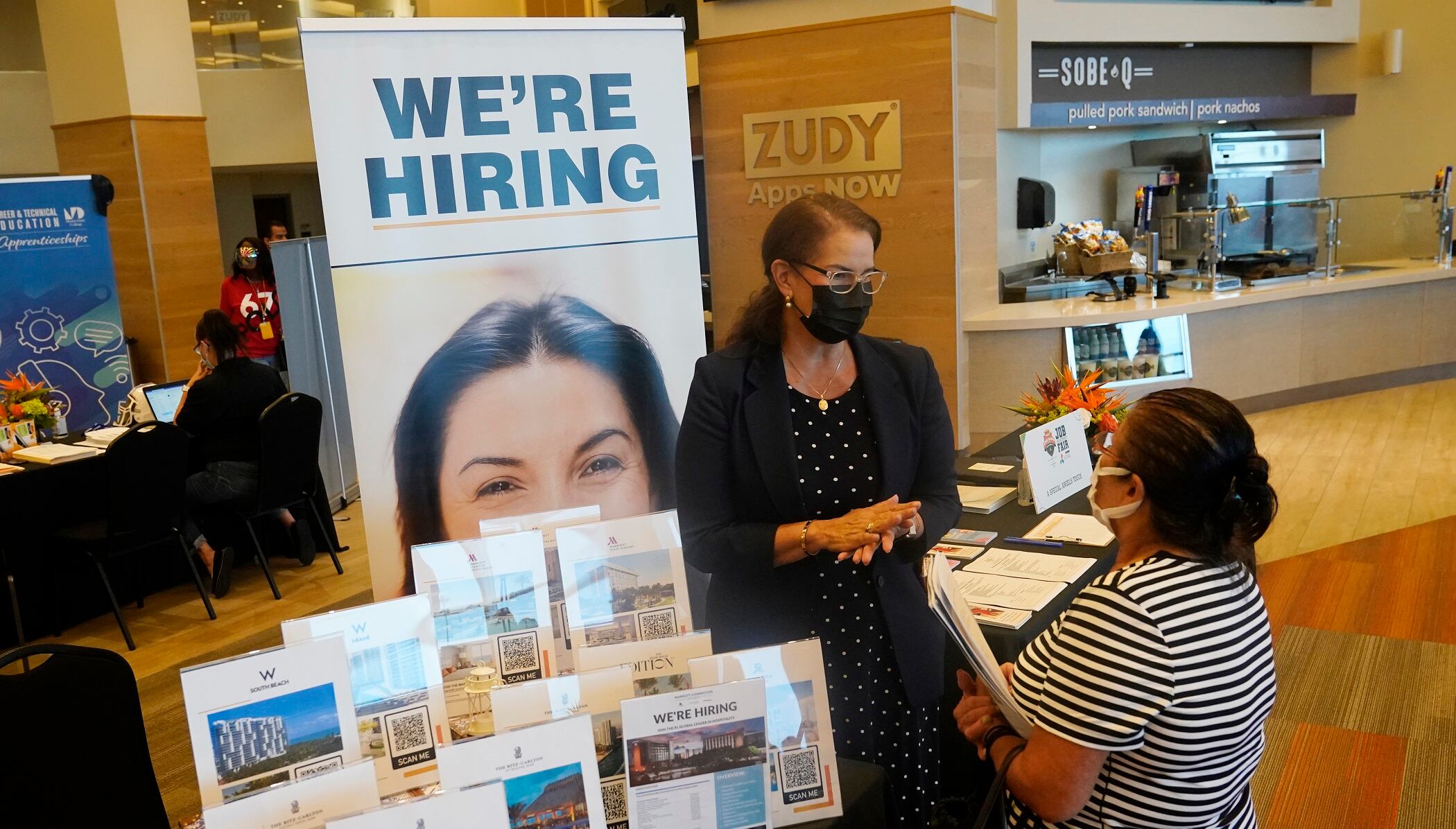
U.S. employers stepped up hiring in January, adding 467,000 jobs despite a wave of omicron inflections that sickened millions of workers, kept many consumers at home and left businesses from restaurants to manufacturers short-staffed.
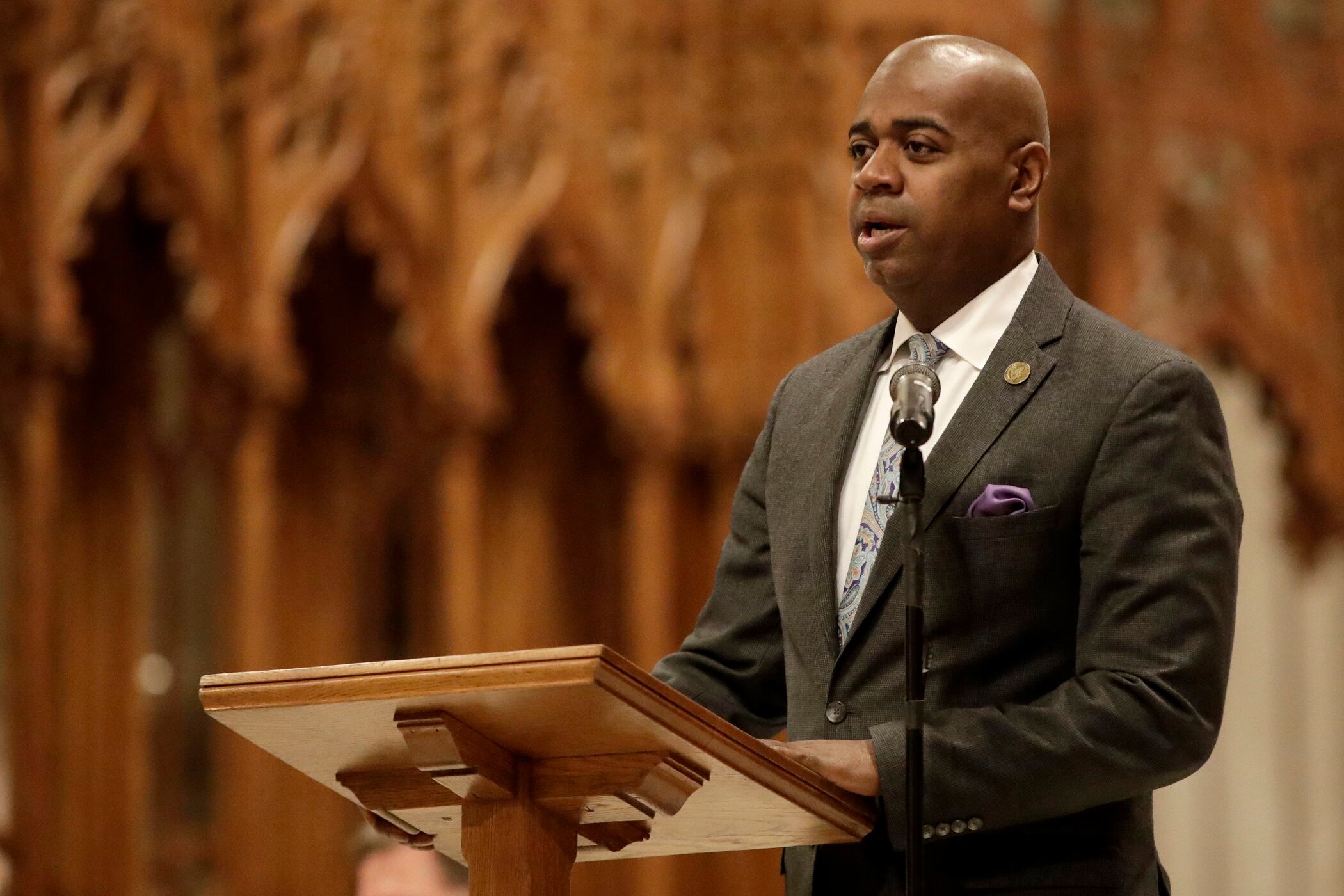
As we celebrate Black History Month, Cheddar is highlighting prominent Black Americans who are carving their own historic paths and trailblazing in their industries. Today we profile Newark, NJ, Mayor Ras Baraka.
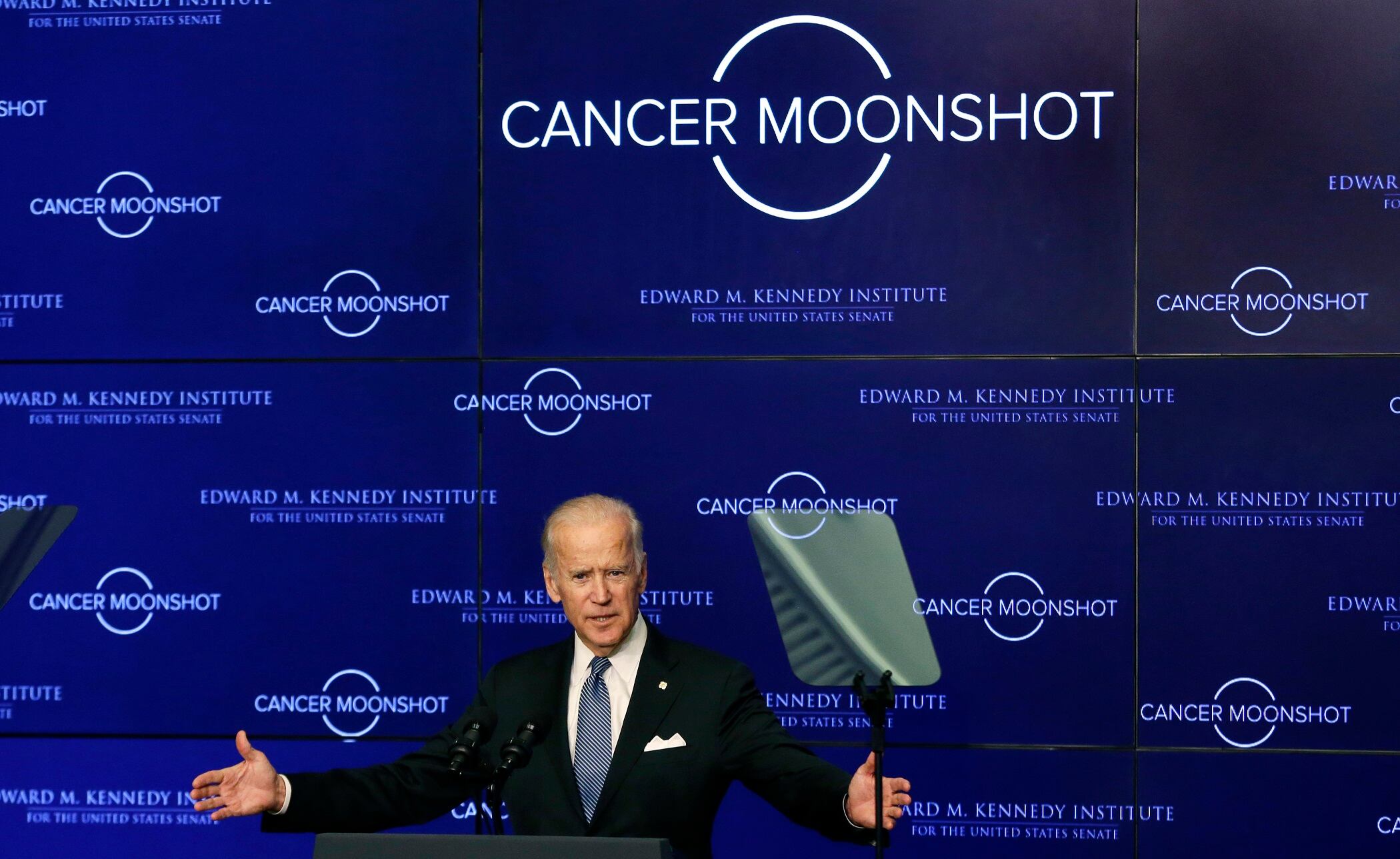
President Joe Biden is committing to reduce the cancer death rate by 50% over the next 25 years. That's a new goal for the “moonshot” against the disease that was announced in 2016 when Biden was vice president.
A major winter storm with millions of Americans in its path brought a mix of rain, freezing rain and snow to the middle section of the United States as airlines canceled hundreds of flights, governors urged residents to stay off roads and schools closed campuses.
Russia says it will relocate naval exercises off the coast of Ireland after Dublin raised concerns about them amid the tense dispute with the West over expansion of the NATO alliance and fears that Russia is preparing to invade Ukraine.
he Australian government has pledged to spend another 1 billion Australian dollars ($704 million) over nine years on improving the health of the Great Barrier Reef after stalling a UNESCO decision on downgrading the natural wonder’s World Heritage status.