Saudi Arabia's Lifting Women Driver Ban Is an Economic Play
*By Jacqueline Corba*
For the first time in nearly three decades, women are allowed to get behind the wheel of a car in Saudi Arabia.
And while the change that went into effect Sunday may be a step forward for women's rights in the kingdom, it is also an economic move.
"The driving ban being lifted has been one in a set of limited economic and social reforms aimed specifically at making women good workers and good consumers," Human Rights Watch Acting Saudi Researcher Hiba Zayadin told Cheddar Monday. "With the drop in oil prices Saudi's strategy now is to shift the economy away from an over-dependence on oil."
And to do that, it means getting women to work.
Saudi Arabia's workforce is currently only [22 percent female](https://www.ft.com/content/c55d6cf4-8cd3-11e7-9084-d0c17942ba93), though women account for about 45 percent of the total population. PwC estimates that the number of female drivers will [reach 3 million within two years](https://www.pwc.com/m1/en/publications/women-driving-the-transformation-of-the-ksa-automotive-market.html), and if those women are better able to look for employment, that's going to have an impact. In fact, allowing women to drive will add $90 billion to Saudi Arabia's economy by 2030, according to [Bloomberg Economics](https://www.bloomberg.com/news/articles/2018-06-24/saudi-women-driving-is-seen-better-for-economy-than-aramco-ipo).
But getting everybody on board may not be so easy. The move, spearheaded by Saudi Arabia Crown Prince Mohammed bin Salman, [has some afraid of backlash](https://www.wsj.com/search/term.html?KEYWORDS=saudi%20arabia&page=2) from men reluctant to adopt more western norms. And many who champion equality reportedly remain detained for taking such a stance.
"The women's rights activists currently behind bars should be out there celebrating as well," said Zayadin. "What you are seeing on the news is women smiling with drivers licenses, but at the same time people are afraid to show solidarity for the women behind bars."
For the full segment, [click here.](https://cheddar.com/videos/saudi-arabia-lifts-womens-driving-ban)
President Joe Biden announced Friday that along with the European Union and the Group of Seven countries, the U.S. will revoke “most favored nation” trade status for Russia over its invasion of Ukraine.
The consumer price index jumped 7.9 percent in February, marking a 40-year high for inflation in the U.S. This report comes less than a week ahead of the Fed's all important meeting. Kayla Bruun, Economic Analyst, Morning Consult, joined Cheddar's Opening Bell to discuss.
Markets opened lower amid hotter-than-expected inflation data, which surged to its highest level in nearly 40 years. Lisa Erickson, Senior Vice President and Co-Head, Public Markets Group, U.S. Bank joined Cheddar's Opening Bell to discuss the significance of this figure ahead of the Federal Reserve's FOMC meeting.
As the Russia-Ukraine war disrupts the global economy, sending markets on a roller coaster ride, gold remains hovering around $2,000 an ounce. Often seen as a safe haven in times of economic crisis, Jason Cozens, founder and CEO of gold-as-currency platform Glint Pay, joined Cheddar’s Opening Bell to discuss the latest gold rush, how the war is impacting prices, and how people can use Glint to trade in the precious metal. “You know the stock markets and cryptocurrencies are risky investments," he stated. "Whereas gold is just reliable money. It's no one else's liability if you own."
As Western sanctions weigh on Russia's economy, the country is at the risk of defaulting on its debt. Fitch ratings agency has downgraded Russia's debt for the second time in a week, warning a "sovereign default is imminent." Jesse Wheeler, Economic Analyst at Morning Consult, explains what that means, and how it could have ripple effects across the global economy.
Uber Lyft and Doordash are all set to spend $1 million dollars on a campaign and efforts to stop lawmakers from classifying their gig workers as employees. The campaign features TV and online ads highlighting Washington area workers who say they prefer the flexibility of being an independent contractor rather than following the model of a company employee. Professor at NYU. Stern School of Business and author of the sharing economy, Arun Sundararajan, joined Cheddar to discuss more.
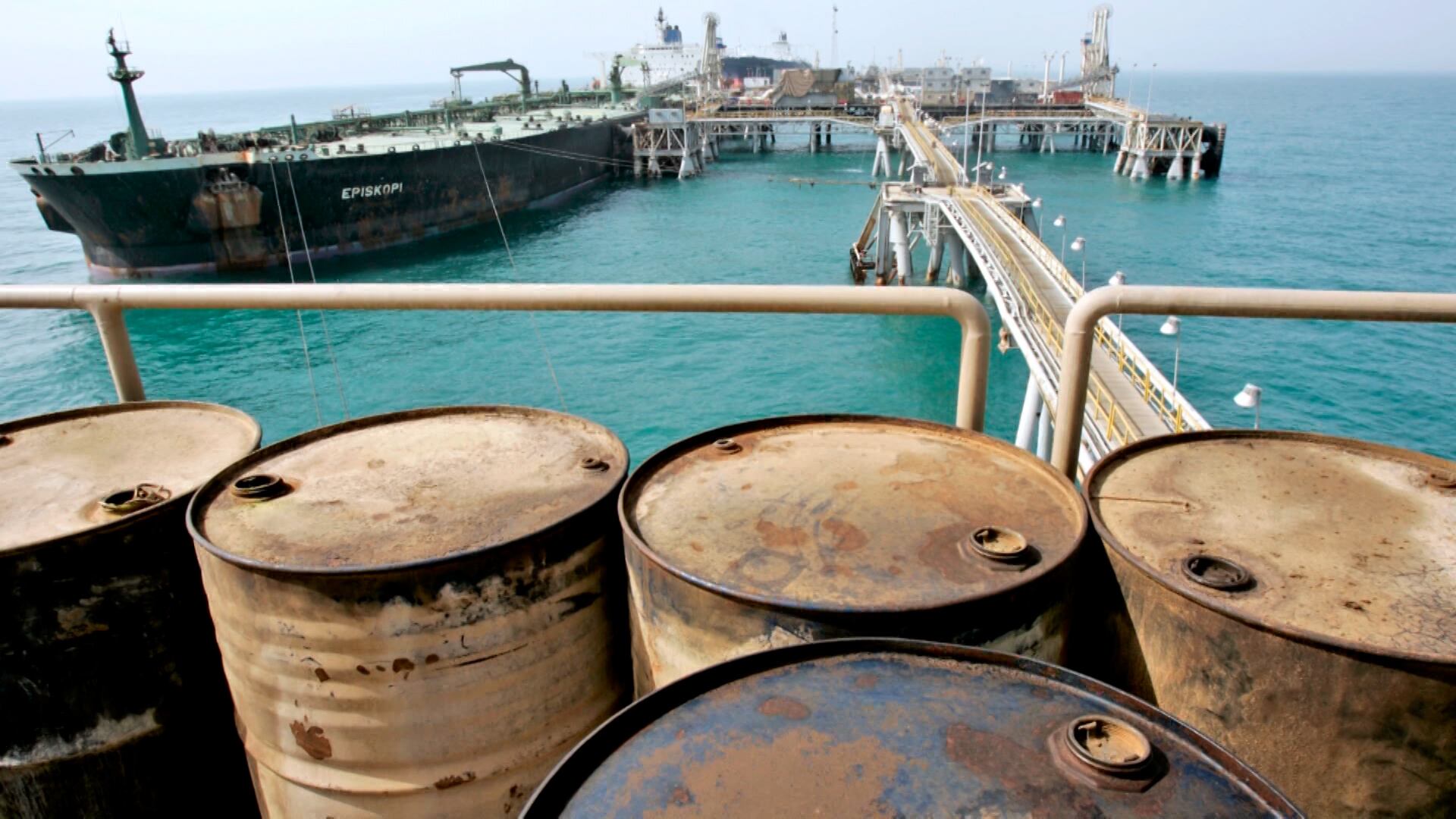
President Biden is looking at unlikely partners to buy oil, after banning all Russian energy imports. Among them is Venezuela, a regime that has been sanctioned by the U.S. since 2019. Ariel Cohen of the Atlantic Council explains to Cheddar News why that might not be a bad choice.