Saudi Arabia's Lifting Women Driver Ban Is an Economic Play
*By Jacqueline Corba*
For the first time in nearly three decades, women are allowed to get behind the wheel of a car in Saudi Arabia.
And while the change that went into effect Sunday may be a step forward for women's rights in the kingdom, it is also an economic move.
"The driving ban being lifted has been one in a set of limited economic and social reforms aimed specifically at making women good workers and good consumers," Human Rights Watch Acting Saudi Researcher Hiba Zayadin told Cheddar Monday. "With the drop in oil prices Saudi's strategy now is to shift the economy away from an over-dependence on oil."
And to do that, it means getting women to work.
Saudi Arabia's workforce is currently only [22 percent female](https://www.ft.com/content/c55d6cf4-8cd3-11e7-9084-d0c17942ba93), though women account for about 45 percent of the total population. PwC estimates that the number of female drivers will [reach 3 million within two years](https://www.pwc.com/m1/en/publications/women-driving-the-transformation-of-the-ksa-automotive-market.html), and if those women are better able to look for employment, that's going to have an impact. In fact, allowing women to drive will add $90 billion to Saudi Arabia's economy by 2030, according to [Bloomberg Economics](https://www.bloomberg.com/news/articles/2018-06-24/saudi-women-driving-is-seen-better-for-economy-than-aramco-ipo).
But getting everybody on board may not be so easy. The move, spearheaded by Saudi Arabia Crown Prince Mohammed bin Salman, [has some afraid of backlash](https://www.wsj.com/search/term.html?KEYWORDS=saudi%20arabia&page=2) from men reluctant to adopt more western norms. And many who champion equality reportedly remain detained for taking such a stance.
"The women's rights activists currently behind bars should be out there celebrating as well," said Zayadin. "What you are seeing on the news is women smiling with drivers licenses, but at the same time people are afraid to show solidarity for the women behind bars."
For the full segment, [click here.](https://cheddar.com/videos/saudi-arabia-lifts-womens-driving-ban)
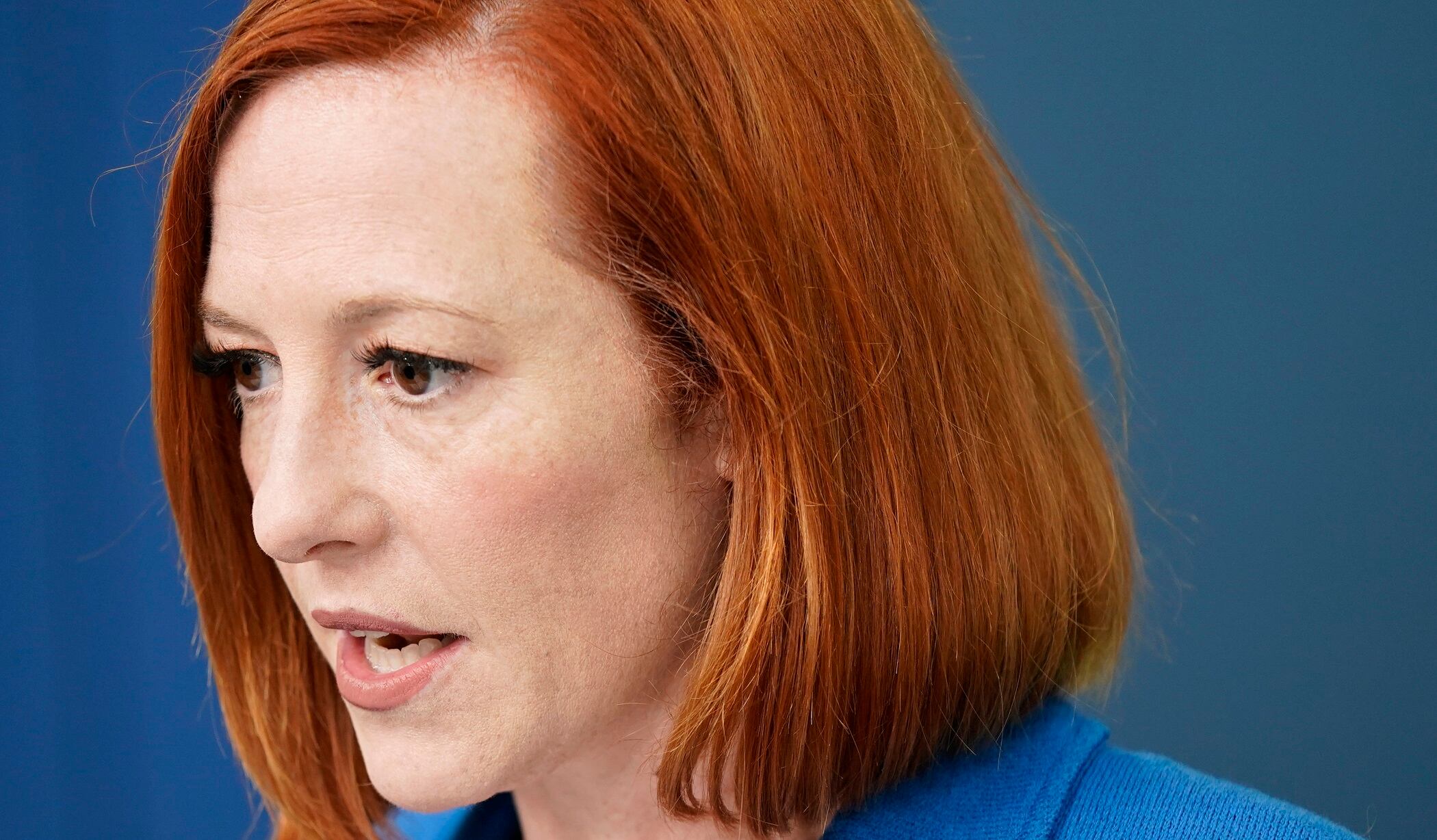
White House press secretary Jen Psaki said Tuesday that she has tested positive again for COVID-19 and will not accompany President Joe Biden to Europe for meetings on Russia’s invasion of Ukraine.
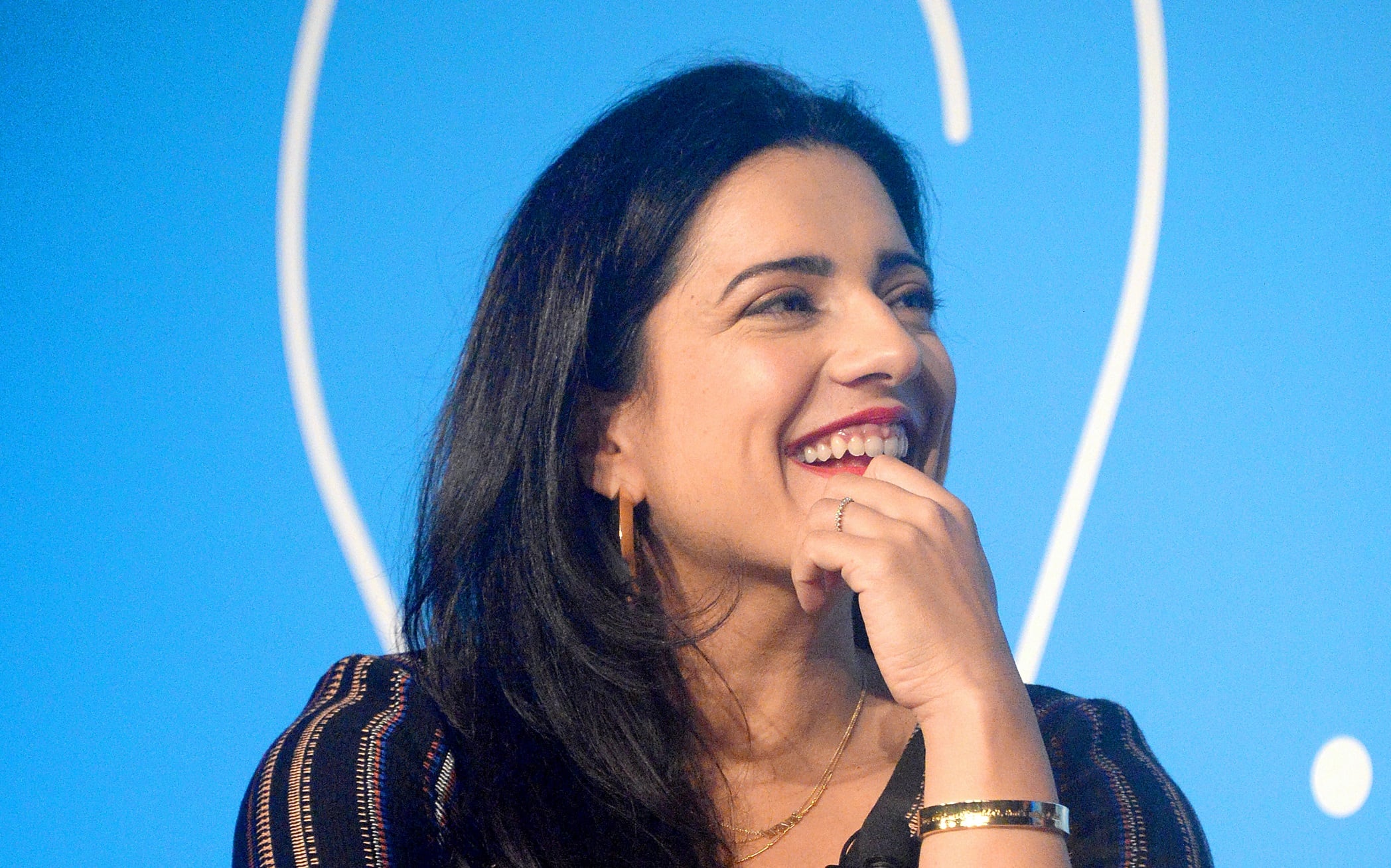
Reshma Saujani, the founder of the nonprofit Girls Who Code, discusses the workplace inequities further exposed by the pandemic and her latest book, "Pay Up: The Future of Women and Work (and Why It's Different Than You Think).
Since Russia invaded Ukraine, the United States, along with much of the Western world, has imposed economic sanctions on Russia’s economy and its oligarchs. And these measures are costing these oligarchs — billions. So what exactly is an oligarch and what are their ties to Putin and the ongoing invasion? And will sanctioning them work?
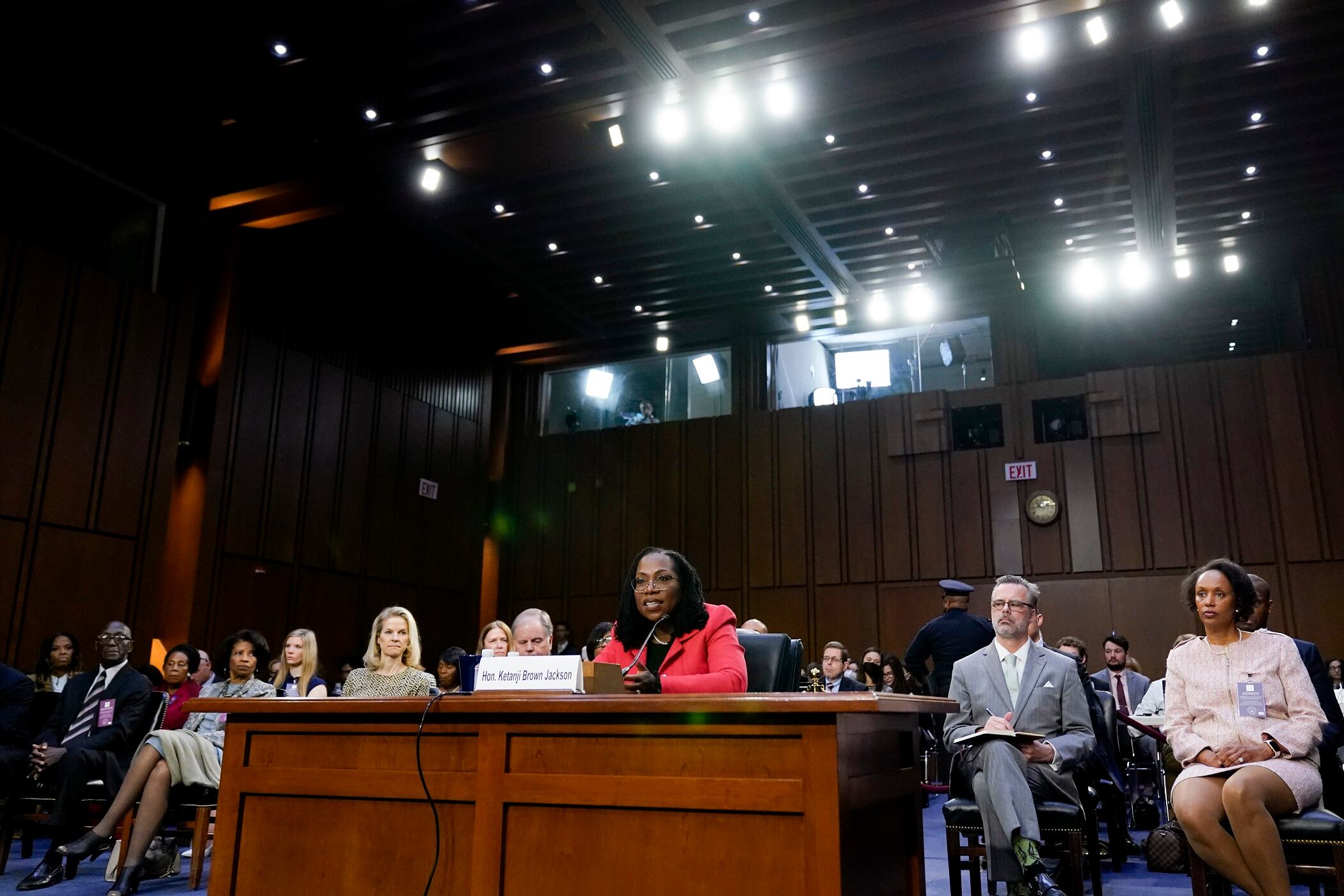
Ketanji Brown Jackson is forcefully defending her record as a federal judge, telling senators she will rule “from a position of neutrality” if she is confirmed as the first Black woman on the high court.
Ukraine remains defiant as the Russian invasion is approaching its fourth week. Cheddar News speaks with Former Obama Campaign Foreign Policy Advisor David Tafuri, on Russia’s war efforts so far and how it might shift tactics moving forward.
While investors soured on Fed Chair Jerome Powell's remarks on interest rates Monday, Anthony Saccaro, Founder and President at Providence Financial explains why he is supportive of the Fed's approach on Cheddar News' Closing Bell.
As Russia continues to wage war in Ukraine, 10 million of its citizens have fled their homes according to the UN, with more and more refugees flooding into other European countries. Nancy Dent, senior global communications officer for Europe and Asia at the aid group International Rescue Committee, joined Cheddar News to discuss the deteriorating conditions. “What's really clear from my time at the border today, in particular, is that people really are fleeing for their lives now," she said. "Two million people, 60 percent of the refugee population from Ukraine is now in Poland, and people are arriving with smaller bags really unprepared."
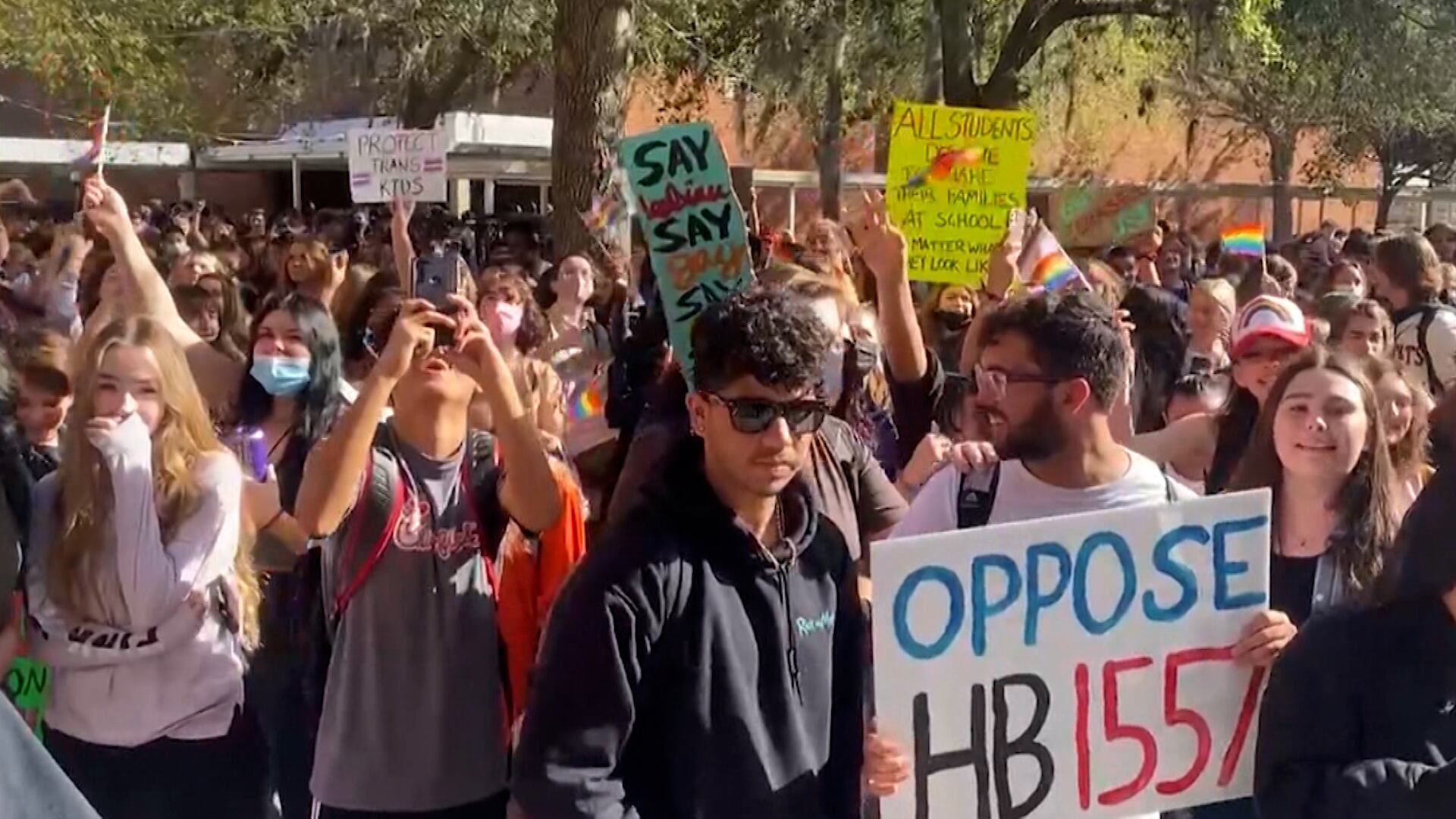
Will Larkins, president and co-founder of Winter Park High School's Queer Student Union and one of the organizers of its
'Say Gay Anyway' walkout, joined Cheddar News to discuss their recent opinion piece for The New York Times titled "Florida's 'Don't Say Gay' Bill Will Hurt Teens Like Me."
Russia's military advances in Ukraine appear to have stalled, as heavy casualties, equipment losses, and a lack of progress on the ground take a toll. Despite the horrific damage caused by the attack, Ukraine's military has held up better than many experts predicted. Elliot Ackerman, author and Marine Corps Veteran, joined Cheddar's Opening Bell to discuss why Ukraine's defense response been such a surprise, and what a stalemate in the war might look like.