Saudi Arabia's Lifting Women Driver Ban Is an Economic Play
*By Jacqueline Corba*
For the first time in nearly three decades, women are allowed to get behind the wheel of a car in Saudi Arabia.
And while the change that went into effect Sunday may be a step forward for women's rights in the kingdom, it is also an economic move.
"The driving ban being lifted has been one in a set of limited economic and social reforms aimed specifically at making women good workers and good consumers," Human Rights Watch Acting Saudi Researcher Hiba Zayadin told Cheddar Monday. "With the drop in oil prices Saudi's strategy now is to shift the economy away from an over-dependence on oil."
And to do that, it means getting women to work.
Saudi Arabia's workforce is currently only [22 percent female](https://www.ft.com/content/c55d6cf4-8cd3-11e7-9084-d0c17942ba93), though women account for about 45 percent of the total population. PwC estimates that the number of female drivers will [reach 3 million within two years](https://www.pwc.com/m1/en/publications/women-driving-the-transformation-of-the-ksa-automotive-market.html), and if those women are better able to look for employment, that's going to have an impact. In fact, allowing women to drive will add $90 billion to Saudi Arabia's economy by 2030, according to [Bloomberg Economics](https://www.bloomberg.com/news/articles/2018-06-24/saudi-women-driving-is-seen-better-for-economy-than-aramco-ipo).
But getting everybody on board may not be so easy. The move, spearheaded by Saudi Arabia Crown Prince Mohammed bin Salman, [has some afraid of backlash](https://www.wsj.com/search/term.html?KEYWORDS=saudi%20arabia&page=2) from men reluctant to adopt more western norms. And many who champion equality reportedly remain detained for taking such a stance.
"The women's rights activists currently behind bars should be out there celebrating as well," said Zayadin. "What you are seeing on the news is women smiling with drivers licenses, but at the same time people are afraid to show solidarity for the women behind bars."
For the full segment, [click here.](https://cheddar.com/videos/saudi-arabia-lifts-womens-driving-ban)
Catching you up on what you need to know on Wednesday, June 1, 2022, House lawmakers hold an emergency hearing on gun control measures in the wake of the Uvalde shooting, the Supreme Court temporarily blocks Texas' law stopping social media moderation, and the James Webb Space Telescope gets a new mission.
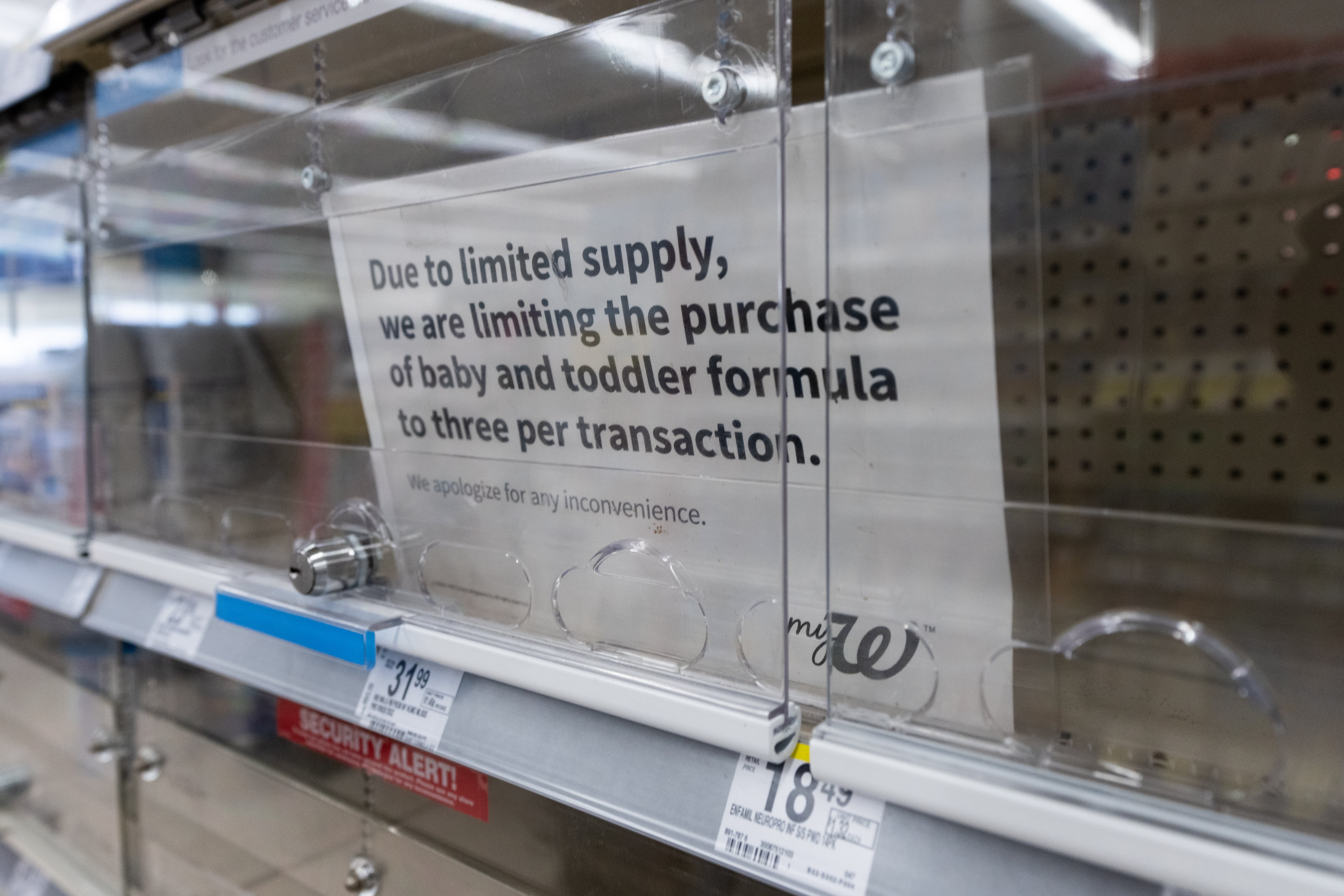
With the baby formula in the United States surging to an out-of-stock rate of 70 percent, the FDA has given Abbott permission to reopen its Michigan plant amid the crisis and authorized foreign imports. Professor Peter Pitts, a former FDA associate commissioner and current president of the Center for Medicine in the Public Interest, joined Cheddar News to discuss the ongoing shortage and its wide impact. “As difficult as things is in urban areas, they’re even worse in small communities and tribal areas where parents can't just go to the next store on the corner," he said. Pitts also noted that the Abbott factory was a "disaster" prior to its shutdown and that it would have been "regulatory malpractice" to have left it open.
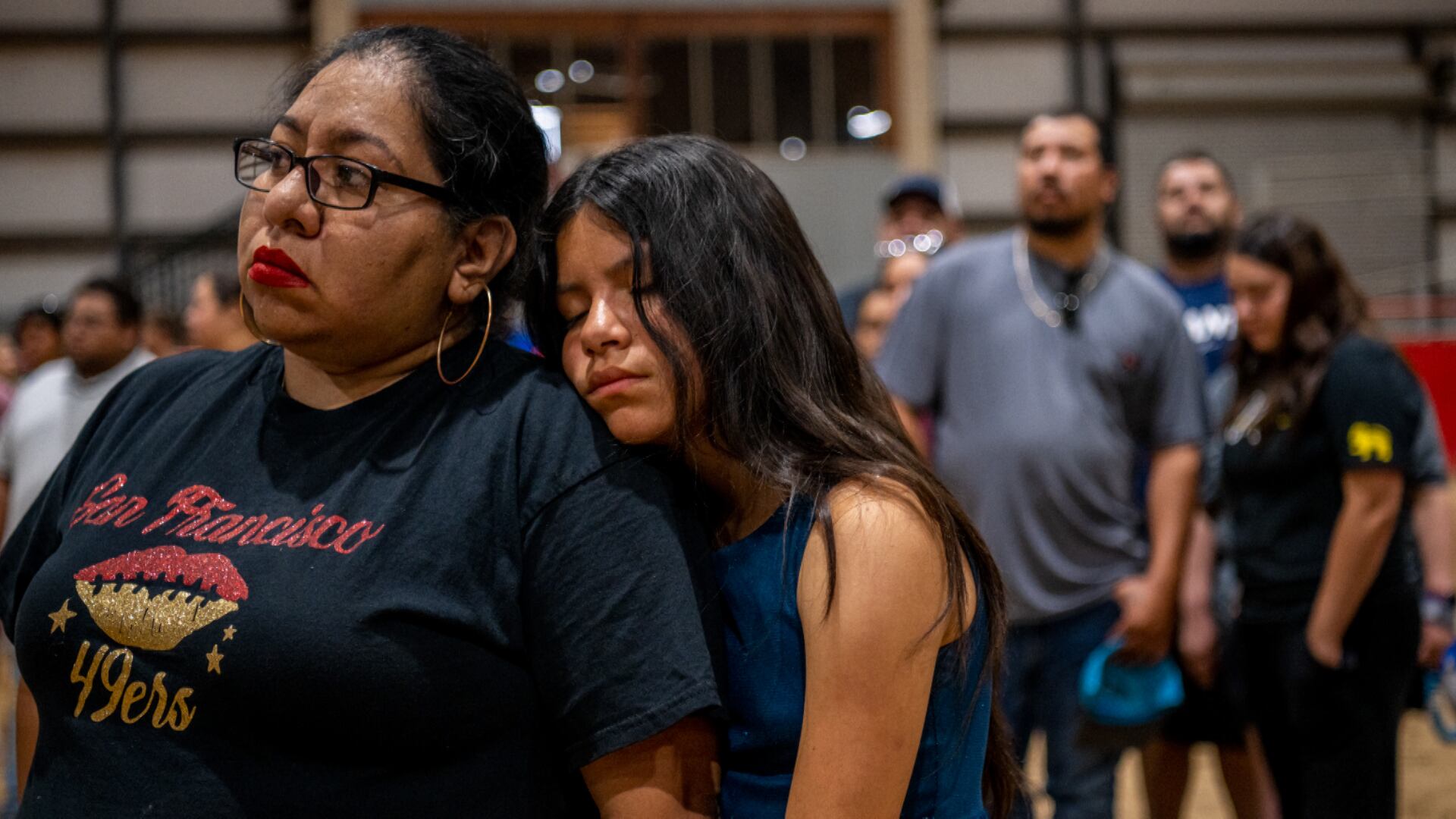
Cheddar's Megan Pratz reports from the ground in Uvalde, Texas where the community's grief and frustration with lawmakers and police officers grows as more details emerge.
Catching you up on what you need to know on Tuesday, May 31, 2022, EU leaders agree to ban 90% of Russian oil by year-end, funerals begin in Uvalde, Texas one week after a mass shooting killed 19 children and two adults, and President Biden meets with the world's biggest boy band BTS.
The Week's Top Stories is a guided tour through the biggest market stories of the week, from winning stocks to brutal dips to the facts and forecasts generating buzz on Wall Street.
An inflation gauge closely tracked by the Federal Reserve rose 6.3% in April from a year earlier, just below a four-decade high set in March and the first slowdown since November 2020.
The pain and grief from this week’s shooting in a 4th grade classroom at Robb Elementary School in Uvalde, Texas is still with us. Cheddar's Shannon Lanier ends the week by pausing to remember some of the faces of the 19 children killed and their teachers.
Cheddar New’s reporter Megan Pratz reports from the scene in Uvalde, Texas, with additional details that indicate the shooter was inside Robb Elementary School for more than an hour before law enforcement was able to confront and kill him.