Lexus Exec: Autonomous Vehicles Are Still Five Years Away
The driverless car revolution is still a long way down the road.
That’s according to Jeff Bracken, Group Vice President at Lexus, who told Cheddar that autonomous vehicles won’t take over the industry for another “five or 10 years.”
But when we get there, he said, there “will be huge safety benefits.”
His comments come in light of Uber’s fatal driverless car crash last week, which has left the industry reeling. Late Wednesday, a top exec at the company’s autonomous unit reportedly stepped down.
Meanwhile Lexus unveiled its new UX model at the New York International Auto Show earlier in the day. It will be the company’s first car fitted with Amazon’s Alexa system. Other features include a “predictive efficient driver.”
“This vehicle, from a technology standpoint, will get to know you,” explained Bracken.
“So if the vehicle recognizes it’s on a similar route and you’re going up a hill [for example], it will actually move into the electric motor mode so that it saves the gas.”
The carmaker hopes this model will attract millennials and is even considering offering a subscription-style financing model to do that.
Though still in planning phases, Bracken revealed that the subscription could include things like “maintenance on the vehicle.”
The new UX model is scheduled to hit dealerships in December.
For the full interview, [click here](https://cheddar.com/videos/lexus-unveils-a-new-compact-crossover-for-the-urban-explorer).
Former Medtronic CEO and author of 'True North' Bill George explains the steps Boeing leadership must take to regain client and consumer trust after 737 Max 9 production was stopped.
Amazon blamed "regulatory hurdles" for calling off its proposed acquisition of robot vacuum maker iRobot. Not even a Roomba could clean up the deal's antitrust scrutiny.
To celebrate Flutter Entertainment's debut on the NYSE, FanDuel CEO Amy Howe shares her thoughts on the company's plans for growth, the future of online sportsbetting, and Super Bowl Sunday.
Investopedia's Caleb Silver shares thoughts on the upcoming Fed meeting, why individual investors are still slightly skeptical, and what he's looking for from mega cap tech earnings.
Season's greetings! Tax season, that is. January 29 is the first day you can file your tax return. We walk you through each step — plus a checklist you can download.
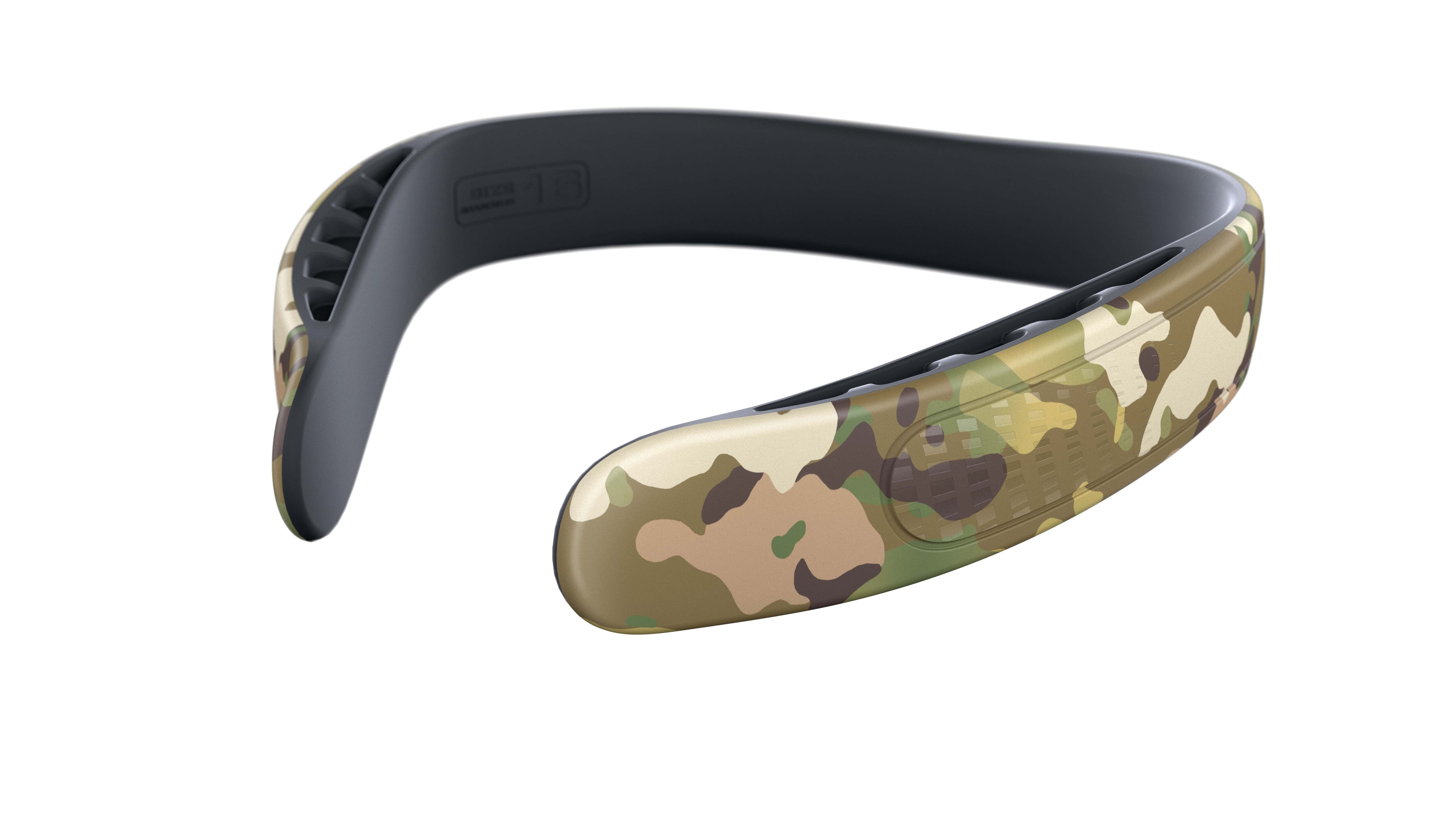
The Q-Collar helps protect athletes from impact-related concussions. Now, the U.S. Army is evaluating if the device could help reduce traumatic brain injury cased by blast weapons.
Co-founder and executive chairman of the board at Vaxxinity Lou Reese shares how the company is working to bring vaccines for chronic illnesses like heart disease and Parkinson’s to market with an eye for accessibility.
Mario Veneroso, Kingsview Asset Management Partner, weighs in on the latest economic data and whether the market is pricing in too many rate cuts for the coming year.