Lenovo is betting on the boom in voice assistants.
“I think voice is becoming naturally prevalent, just as touch is becoming prevalent on laptops,” Dilip Bhatia, the company’s VP of Marketing told Cheddar.
“In the future you’ll see many voice engines, whether it’s Alexa or whether it’s Cortana. This is the wave of the future and many products will support this going forward.”
The Chinese electronics giant is trying to get ahead of the curve by integrating the technology into its products. The company unveiled its third such device, a laptop that supports Amazon Alexa, this week at the Mobile World Congress in Barcelona. The Lenovo Yoga ships in April.
Bhatia acknowledges that people may not currently be using voice assistants to their fullest potential, but expanding into visual applications could change that. He highlights a recent partnership with Google.
“I believe the Lenovo Smart Display takes it to a new level,” he said. “While voice is great, how great is it when you can basically say...‘Hey, Google, Play the highlights from last night’s NBA game,’ or, ‘Show me how to put such-and-such recipe [together].’”
For the full interview, [click here](https://cheddar.com/videos/lenovo-goes-big-with-voice).
President Biden announced a ban on Russian oil and natural gas imports to the U.S. in response to its invasion of Ukraine, a move he warned could lead to an even greater surge in gas prices. The ban is prompting a conversation about the current oil production levels in the U.S. and whether or not the industry can ramp up production to soften the blow to American families at the gas pump. Clark Williams-Derry, Energy Finance Analyst with the Institute for Energy Economics and Financial Analysis, breaks down the state of the U.S. oil industry and how the ban might impact production levels here at home.
PepsiCo, Coca-Cola, McDonald’s, and Starbucks are the latest American food brands to have halted business operations in Russia after having faced scrutiny and criticism for originally failing to do so amid the country's invasion of Ukraine.
As Russia intensifies its war on Ukraine, President Biden announced a ban on oil imported from the aggressor nation. Critics of Russia have said this would be the best way to force Putin to pull back, but curbs on Russian oil exports are expected to send already skyrocketing oil and gas prices even higher, further impacting consumers, businesses, financial markets, and the global economy. Leslie Beyer, CEO of the Energy Workforce and Technology Council, joined Cheddar News' Closing Bell to discuss. "It's certainly going to increase pricing, but it is the right thing to do," she said. "The industry itself has already pulled out of the significant portion of its operations in Russia."
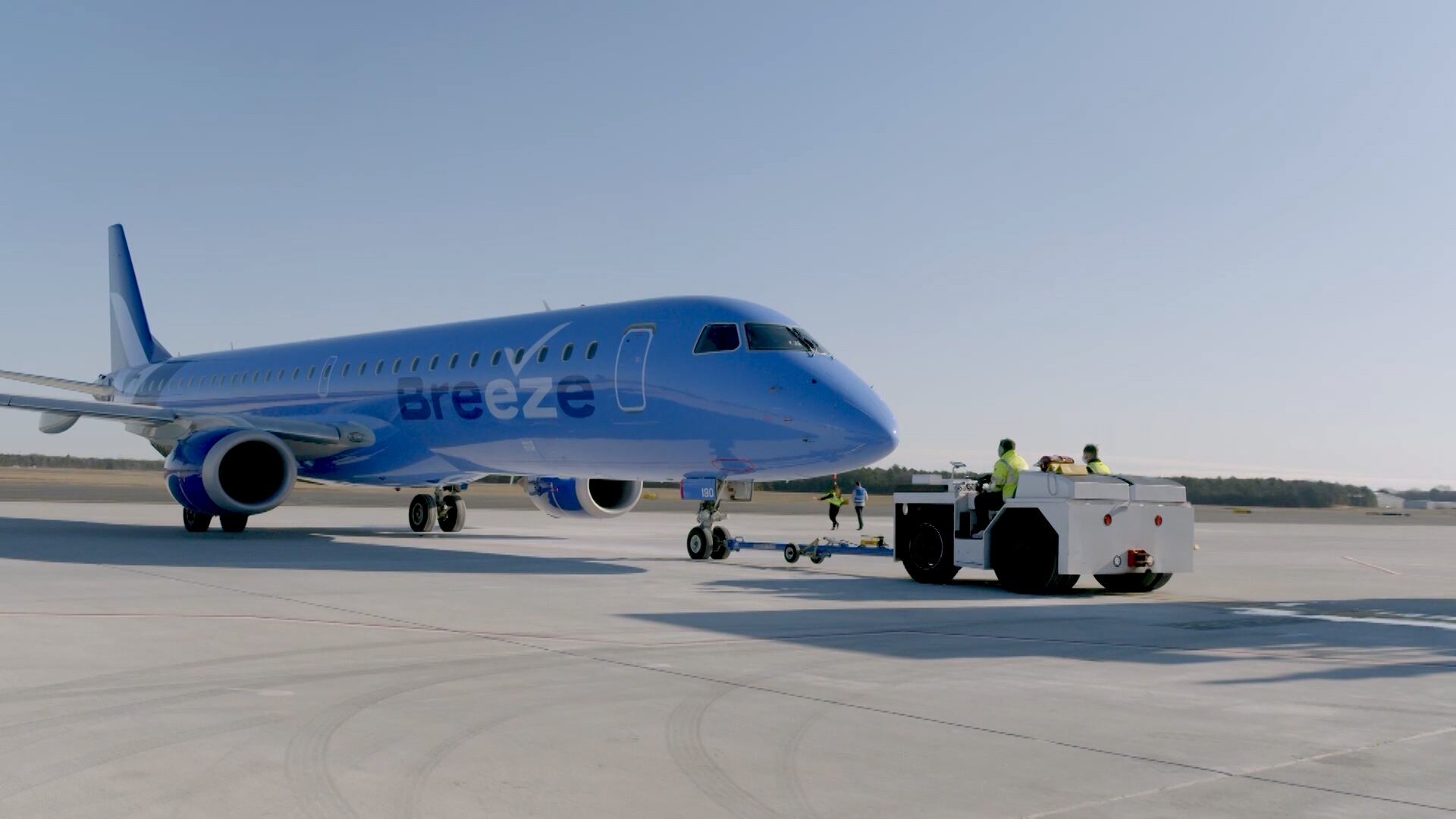
As airlines recover from COVID-19 and the industry becomes more competitive than ever, low-fare carrier Breeze Airlines is offering 35 new routes and reduced prices for its first-class experiences. CEO David Neeleman joined Cheddar News to talk about the rollout of services amid plenty of headwinds including high fuel costs. "We can limit a lot of costs because we're a technology company that happens to fly airplanes," he noted.
Despite women as a whole being among the groups most impacted by pandemic job losses, homesharing platform Airbnb reported that women hosts brought in $12 billion in revenue last year. Catherine Powell, Airbnb's global head of hosting, joined Cheddar News to discuss how women hosting has become a huge asset for the company. "Last year 21 percent more women joined the platform than men," she said. "So they are joining the platform. They are being successful. They're more super hosts, and they're doing incredibly well."