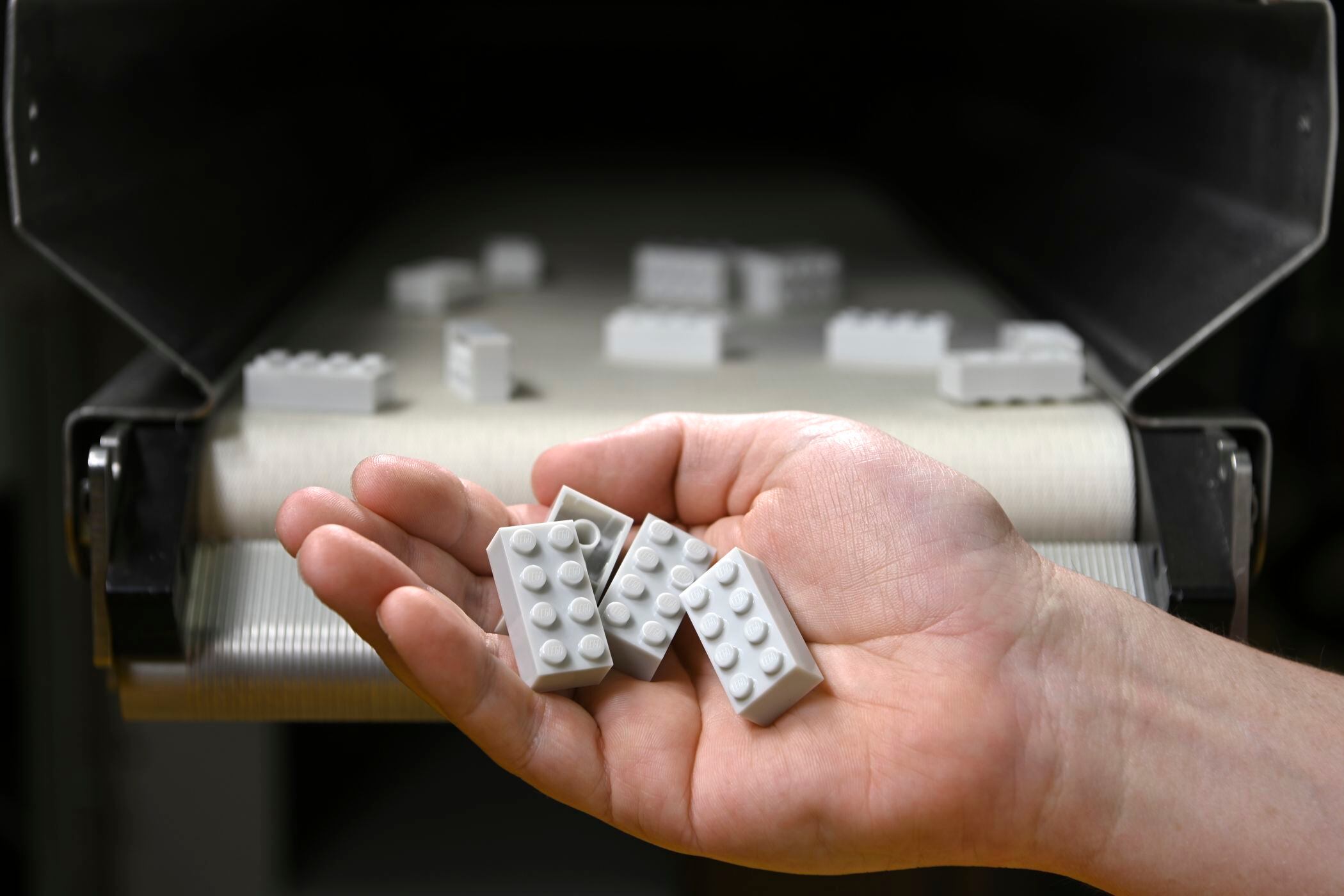
Danish toymaker Lego has presented its first building bricks made out of recycled drinks bottles — an experimental project that if successful could eventually go into production.
In a statement Wednesday, the group said the prototype uses plastic from discarded bottles from the United States. On average, a one-liter bottle provides enough raw material for ten Lego bricks with two rows of four studs, said the company which is based in Billund, western Denmark.
“We know kids care about the environment and want us to make our products more sustainable,” said Tim Brooks, the Lego group’s vice president of environmental responsibility. “Even though it will be a while before they will be able to play with bricks made from recycled plastic, we want to let kids know we’re working on it.”
The company said its discarded bottle suppliers use processes approved by the US Food & Drug Administration and the European Food Safety Authority.
The bottles are made of PET plastic, or polyethylene terephthalate, which doesn't degrade in quality when recycled.
The prototype followed more than three years of research during which hundreds of variations of PET materials and other plastic formulations were tested, Lego said. It can fit with Lego elements made over the past 60 years.
Lego said its team will continue to carry out tests over at least a year and then assess whether to move to the pilot production phase.
Lego was founded in 1932 by Ole Kirk Kristiansen. The name derived from the two Danish words LEg GOdt, which mean “Play Well.”
U.S. Nissan head Jérémie Papin joins from the New York International Auto Show to give a preview of what’s to come from the carmaker – including the 2025 Nissan Kicks.
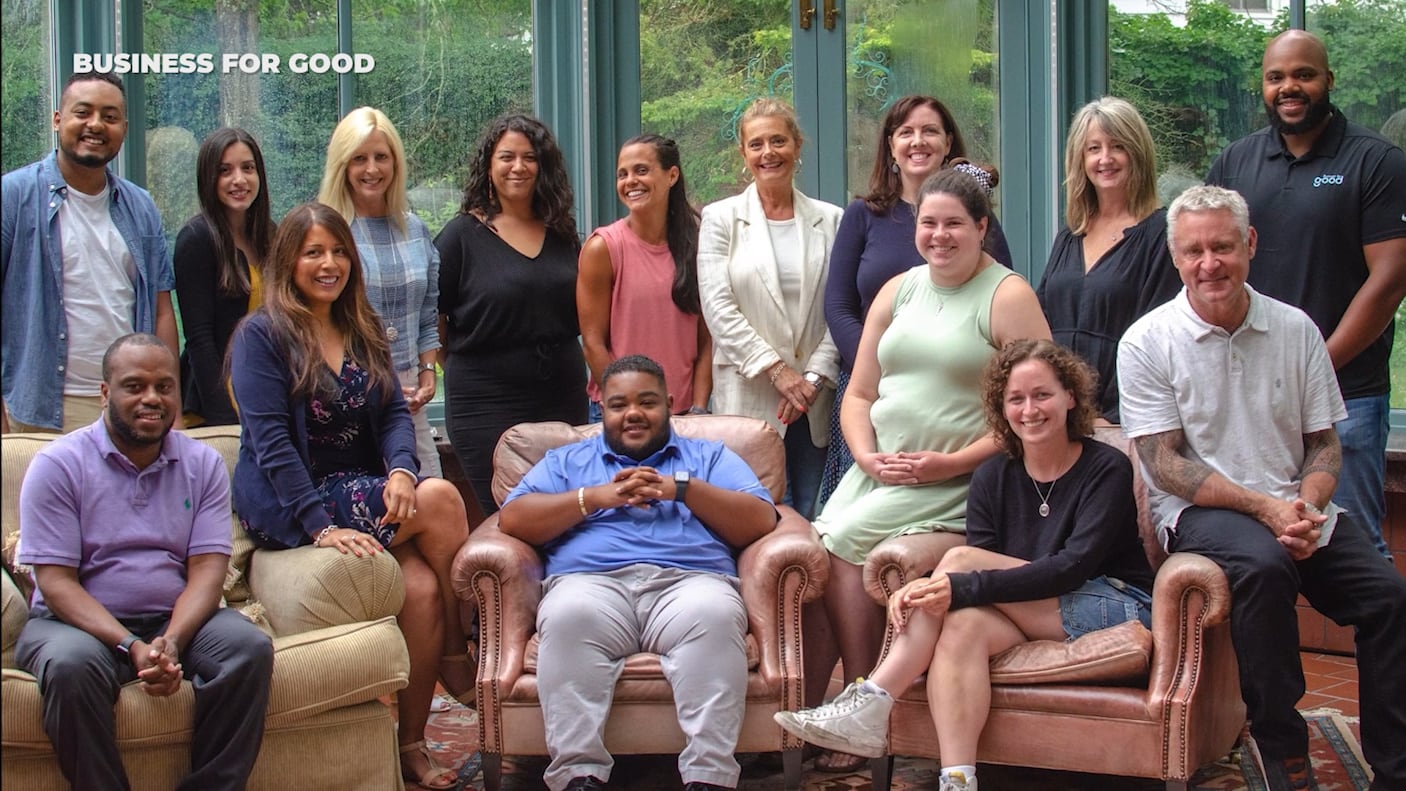
Ed Mitzen, the CEO of Business for Good, explains how and why he’s giving back by funding businesses from marginalized entrepreneurs to push social change.
Dana D’Auria, co-CIO at Envestnet, breaks down how she’s expecting markets to perform as ‘cracks’ from the rate hike cycle slowly filter into the economy.
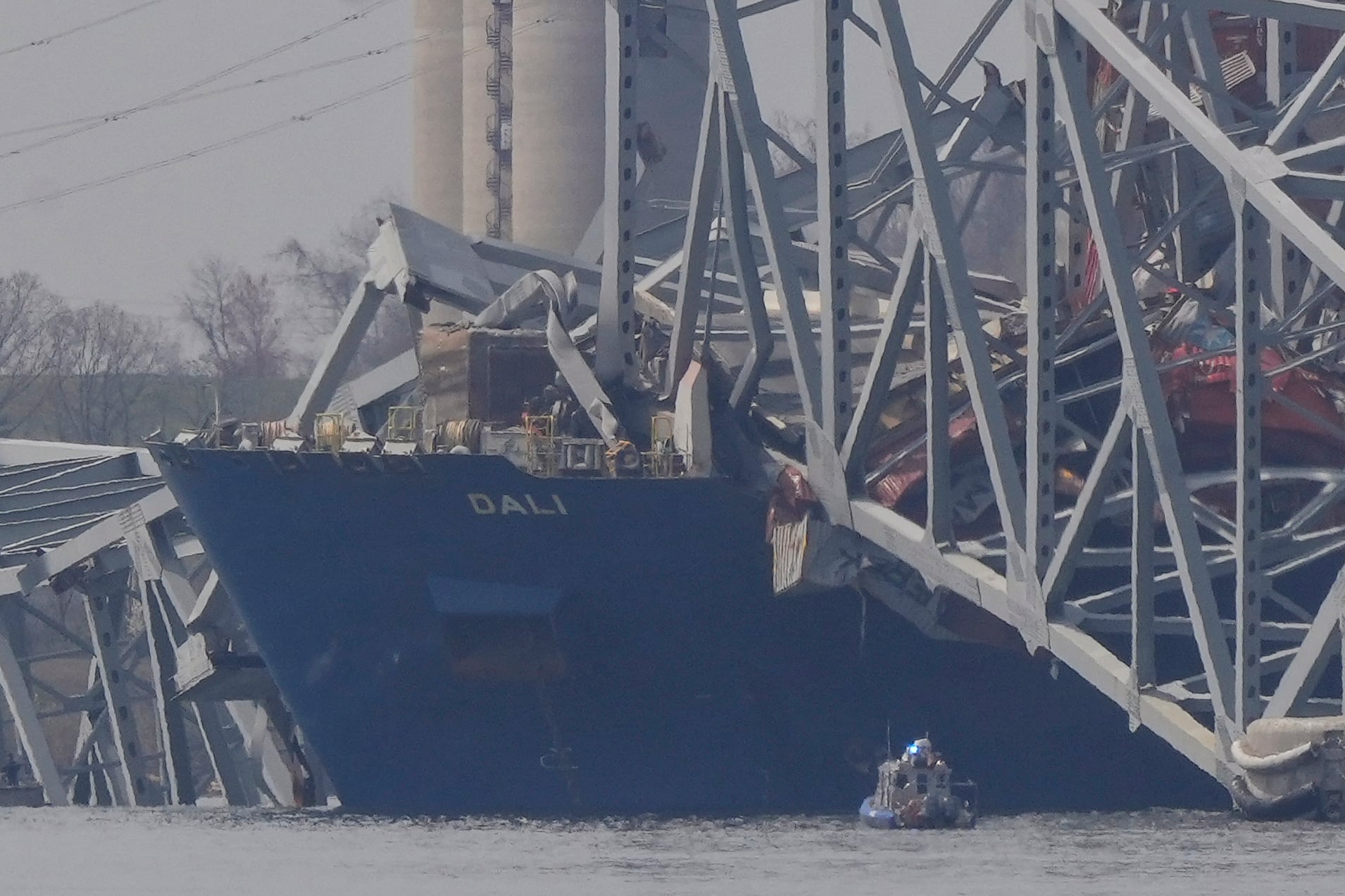
A large cargo ship lost power and issued a mayday call moments before it struck the Francis Scott Key Bridge early Tuesday, though it was still moving toward the span at a rapid speed.
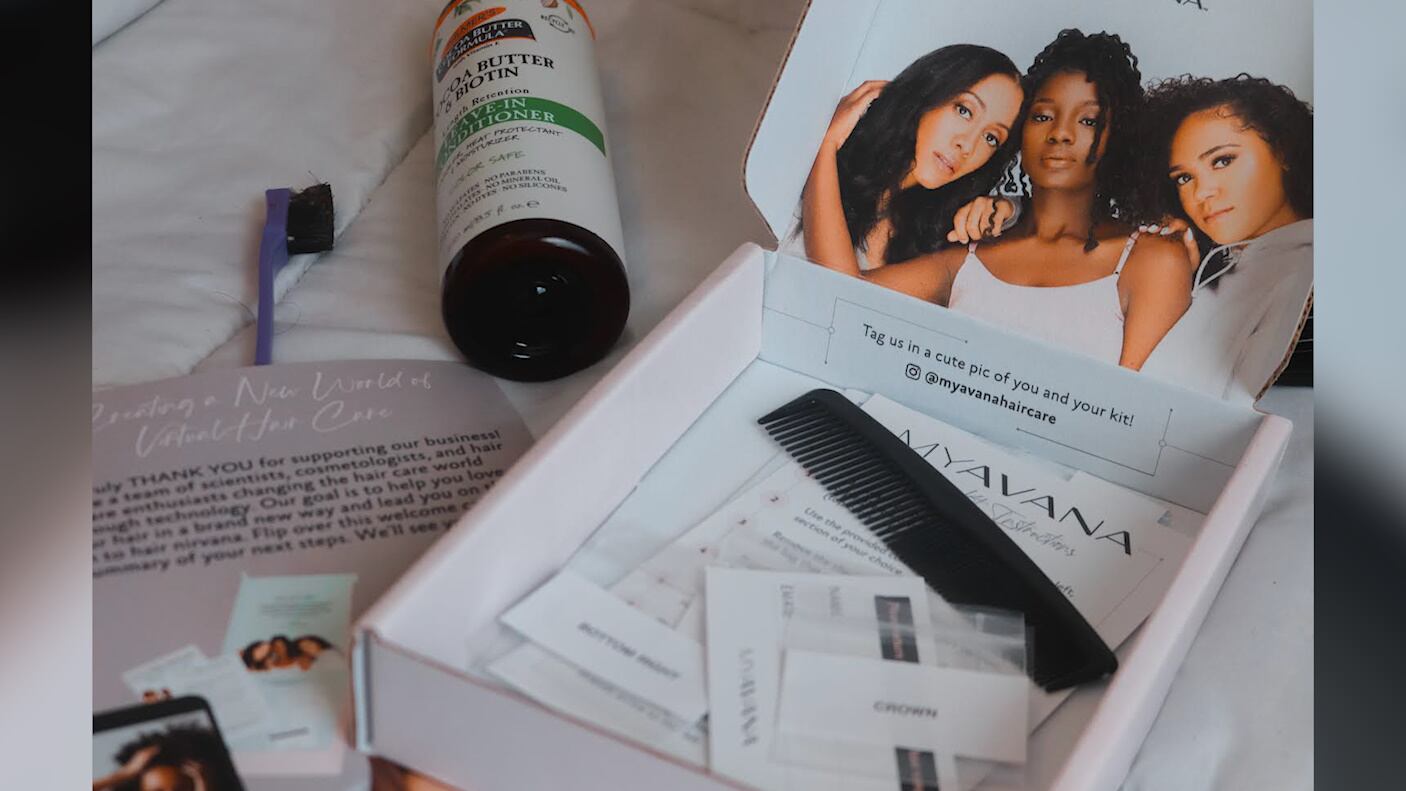
Candace Mitchell Harris discusses her path from computer scientist to founder of beauty tech tool MYAVANA – and how it uses A.I. to analyze each person’s unique haircare needs.
Michael Harris, NYSE global head of capital markets shares what to expect from IPOs in 2024, including A.I. excitement and why interest rate cuts are always helpful.
Lacy Garcia, Founder & CEO of Willow, shares why women, traditionally underserved by fintech, are looking for trust and a personal relationship from their financial advisor.
Alexander Reed, CFA and CIO for Envisage Wealth, breaks down why he thinks rates could stay higher for longer and why real estate, utilities, and regional banks are sectors to avoid.
Big brands that have relied on TikTok videos to reach younger consumers do not appear to be panicking as they wait to see what happens. But they have started planning.