As the coronavirus pandemic exposes educational inequality throughout the United States, LEGO is looking to revamp the way digitally disadvantaged elementary and middle school students learn via a new 'purposeful play' program funded by leaders in tech and education.
Esben Staerk, LEGO Education president, explained that the toy company division has joined the 'Creating Learning Connections' initiative meant to ensure every student has "access to quality devices and quality internet connection."
In partnership with CDW-G, GE, Intel, and First Book, the initiative poured $7 million into the fund to develop tools and products that guide teachers and entice students to engage with their learning materials.
"The pandemic has exacerbated the divide. A recent study by First Book actually indicates that around 40 percent of students lack access to quality devices and almost 40 percent lack access to quality internet connections," Staerk said.
The physical aspect of LEGO Education's learning tools, according to Staerk, makes learning fun and is a better source for information retention.
"All the LEGO Education solutions are based around hands-on learning, and they're based around a playful learning or learning to play approach," he explained.
As parents and teachers express having difficulties with children learning from home, Staerk said the purposeful play program isn't just meant to level the educational playing field but also to "make sure that these communities and these students are engaged in their learning."
For Staerk, the choice to join an equal education initiative was easy since the importance of access to quality education is essential for the ability to be "life-long learners," he noted.
"It's important that we spark student creativity, their problem solving, their critical thinking, but not least, also build their confidence in learning and their resilience," Staerk added.
Pinterest recently added augmented reality to its portfolio. The image sharing and social media platform's new e-commerce tech will allow consumers to interact with retailers and visualize online products inside their homes.
Wave Neuroscience is a neurological health tech company that specializes in clinical and at-home personalized brain stimulation technology. Erik Won, president and chief medical officer and Fred Walke, CEO, joined Cheddar's Opening Bell to discuss their company's hopes for allowing patients to identify and treat unique brain disorders while empowering them to understand their unique neurological makeups — including for the high-stress positions of professional athletes. "We have a mobile device that provides a very light stimulation that gives them a therapy that gives them confidence so there's a just knowing that they're doing something for it," said Walke. "But it also helps them get back into a rhythm. It helps their brain synchronize around certain frequencies that that we target, and it helps them really understand that they've done everything they can to get to their highest level of success."
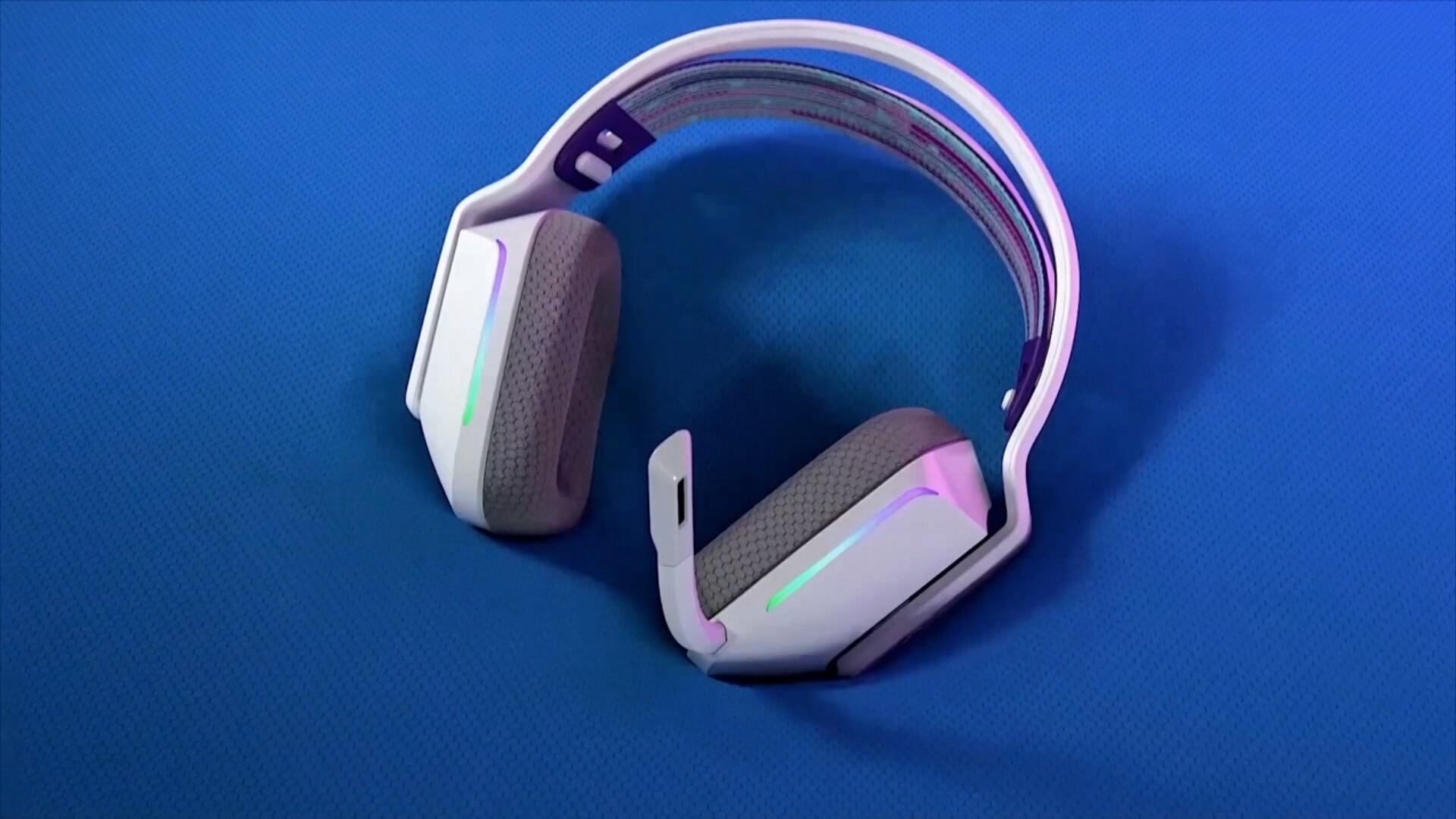
Logitech posted better-than-expected earnings in its third quarter, reporting sales of $1.63 billion dollars, down 2% from the year ago quarter, but well ahead of the Wall Street consensus of $1.48 billion dollars. The PC and gaming peripherals company also raised its annual guidance for both sales and profitability. Bracken Darrell, Logitech CEO, joined Cheddar to break down his reaction to the results, how the pandemic played a role in its growth, and where he wants to take the company next.
GM is scheduled to report its Q4 earnings after the bell on Tuesday February 1. Wall Street expects a miss as the automaker navigates the global chip shortage, which has hit car sales hard. Investors are looking for an update on production, as well as outlook for the electric vehicles that GM is investing billions to bring to market. Karl Brauer, executive analyst at iseecars.com, joined Cheddar to give a preview of the automaker's report.
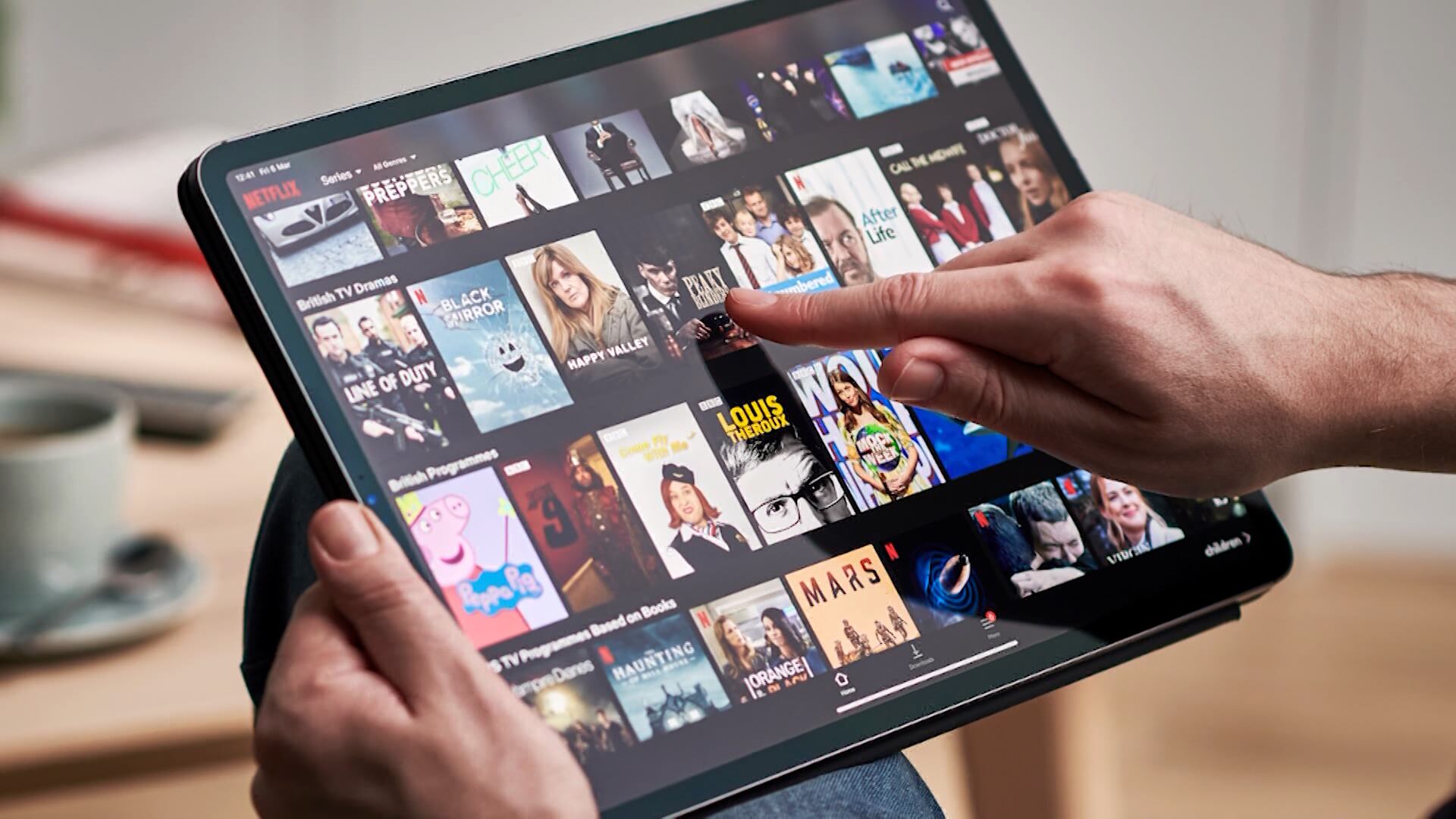
Recent data reveals that streaming giants are struggling to retain subscribers in the months following a major release.
According to data from Antenna, subscriber trends show that users will subscribe to a given streaming service just to watch a particular show, and then cancel those subscriptions shortly after. This comes as the streaming space continues to heat up as new entrants crowd the space. Jon Christian, Founding Partner + Digital Supply Chain Leader at OnPrem joined Cheddar's Opening Bell to discuss.
As airlines continues to face massive pilot shortages, United Airlines is opening a training academy for future pilots. United projects that the academy will train around 5,000 new pilots by 2030. David Slotnick, Senior Aviation Business Reporter at The Points Guy joined Cheddar's Opening Bell to discuss.
Stocks opening mostly higher to close out a wild week on Wall Street. It comes as investors continue to digest comments from the Federal Reserve, as well as the latest slew of earnings. Gene Goldman, Chief Investment Officer at Cetera, joined Cheddar's Opening Bell to discuss.
Democratic lawmakers are now calling on Bitcoin mining companies in the U.S. to assess how much electricity they use and how it could all potentially impact residents and the environment in the near future. Since its conception, crypto mining has been at the center of a debate. The question is: Is crypto mining playing a key role in renewable energy or could it totally derail U.S. climate goals? Host of The Wendy O show Wendy O, joined Cheddar to discuss more.