For Black Americans, getting pulled over by police can be a more than terrifying experience, particularly when alone and other witnesses are out of sight. Mbye Njie said he founded the Legal Equalizer app to add a layer of protection for drivers and to hold officers accountable by recording interactions and even dialing-in witnesses.
“That’s the goal of it, right, is to change behavior and so that if a police officer pulls you [over] for speeding, legitimately, cool. Give me my ticket, let me get on. Let’s not ask questions about where I’m going, where I’ve been, what I’m doing. Let’s not hold people longer,” Njie told Cheddar.
To get going on the app, five contacts are linked and will receive notifications to tune in to a live Zoom call of the police stop. A user can simply use their voice to activate the app or just hit a button.
Recording police interactions is also an available feature in the app. While they vary across the 50 states, Njie said laws from each have also been added into the app’s features because, in many instances, people are unaware of their rights.
“As long as they know people are watching them, hopefully then when they start pulling people over, then it’s for the reason they pulled them over and not for any other excuses or anything that can escalate to something more tragic,” Njie said.
Holding Police Accountable
When it comes to police accountability, with enough data collected from the stops, according to the Legal Equalizer founder, the app will be able to compile a background on officers who are targeting specific groups.
To make the app helpful for both drivers and authorities, Njie asked police departments across the country, “What do you want us to do when you pull us over?”
“Most of the police chiefs I’ve spoken to love it because they say, 'We do want our officer recorded because if we trained them properly and we did things properly, then this is exactly what we need,'” Njie added.
Though Njie said he started the app after personal experiences with police, it has morphed into a hub that can help in a number of different scenarios, including domestic violence situations and school shootings.
Up next for the app, when it comes to law enforcement interactions, Njie said the company is working to expand capabilities that can tie in a database of attorneys who could also be tapped to join in during an encounter, offer advice, and stand as legal witnesses.
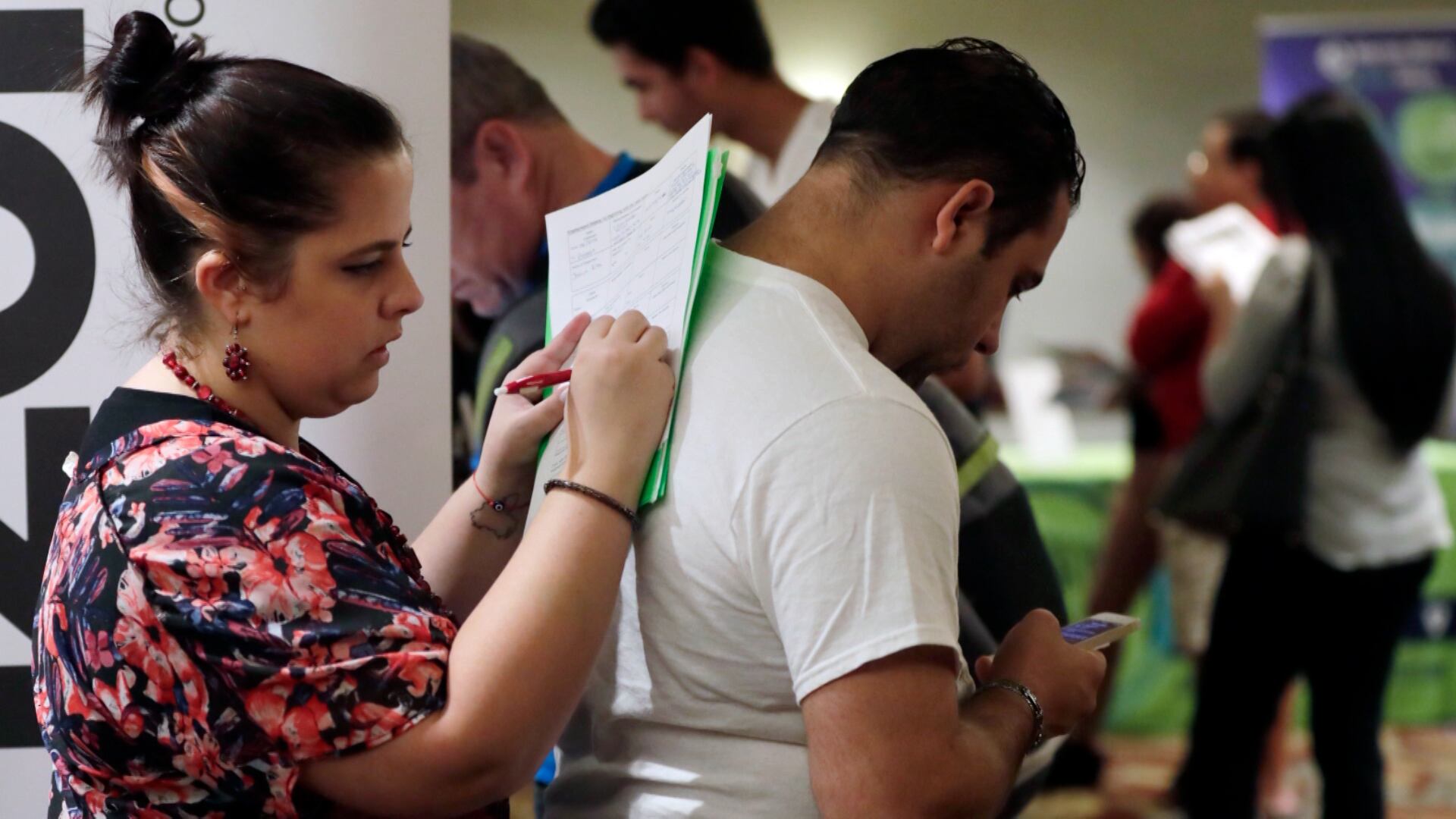
Following the surprising big beat on estimates for the January jobs report, William M. Rodgers III, vice president and director of the Institute for Economic Equity at the Federal Reserve Bank of St. Louis, joined Cheddar News to break down the data. “We ended 2021 with a strong crescendo to a recovery that had taken hold, and we started 2022 in good fashion." He also discussed the dueling pressures of wage growth and inflation.
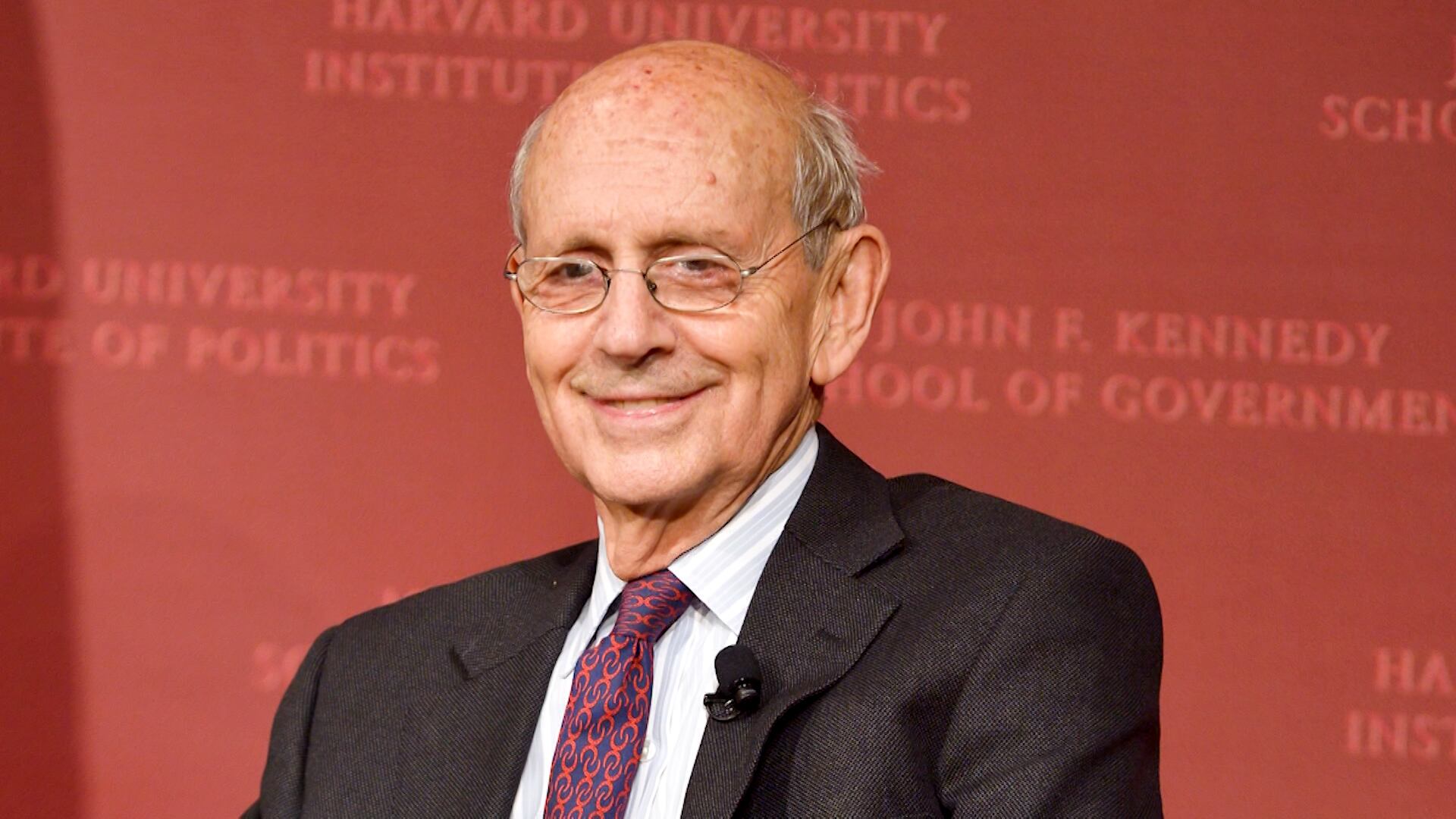
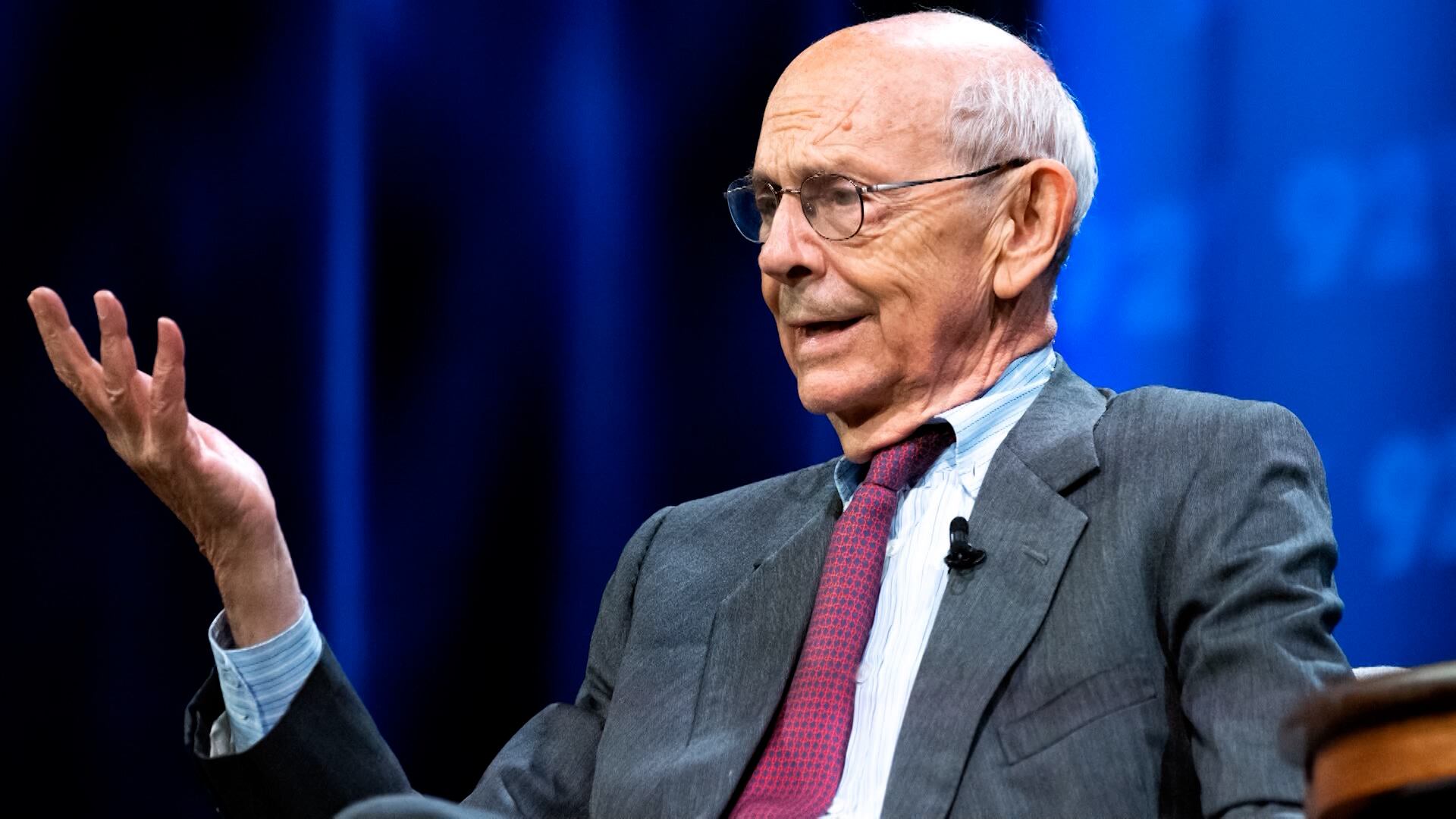
Jessica Mason Pieklo, senior vice president and executive editor of the Rewired News Group and co-host of the podcast. "Boom! Lawyered," joins Cheddar Politics to discuss Justice Stephen Breyer's retirement, legacy and potential replacement on the Supreme Court.
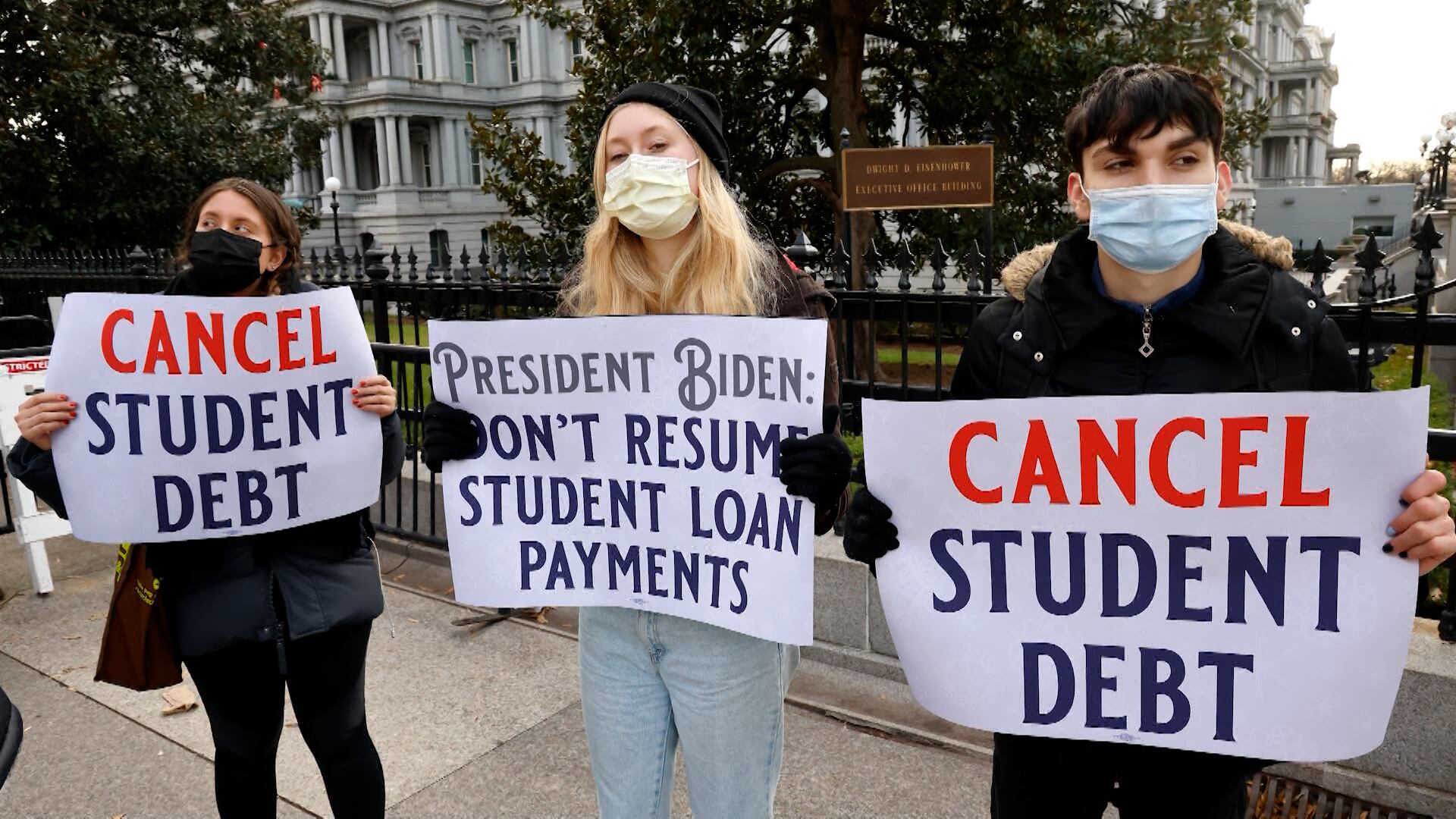
The Biden administration delivered a temporary win for student loan borrowers this year by extending the moratorium on federal payments for a few more months. That moratorium is coming to an end on May 1st and borrowers will again have their monthly loan payment plopped in their lap.
Stephanie Vanderslice, a creative writing professor paying off debt through the Parent Plus program, and Mike Pierce, executive director of the Student Borrower Protection Center, join Cheddar Politics to discuss.
2022 was already going to be a big year for the Supreme Court. We have decisions on major issues like abortion and gun rights on the way. Then, Justice Stephen Breyer announced his retirement and that set up a major confirmation fight for later this year. Amy Howe, co-founder of SCOTUSblog, joins Cheddar Politics to discuss.
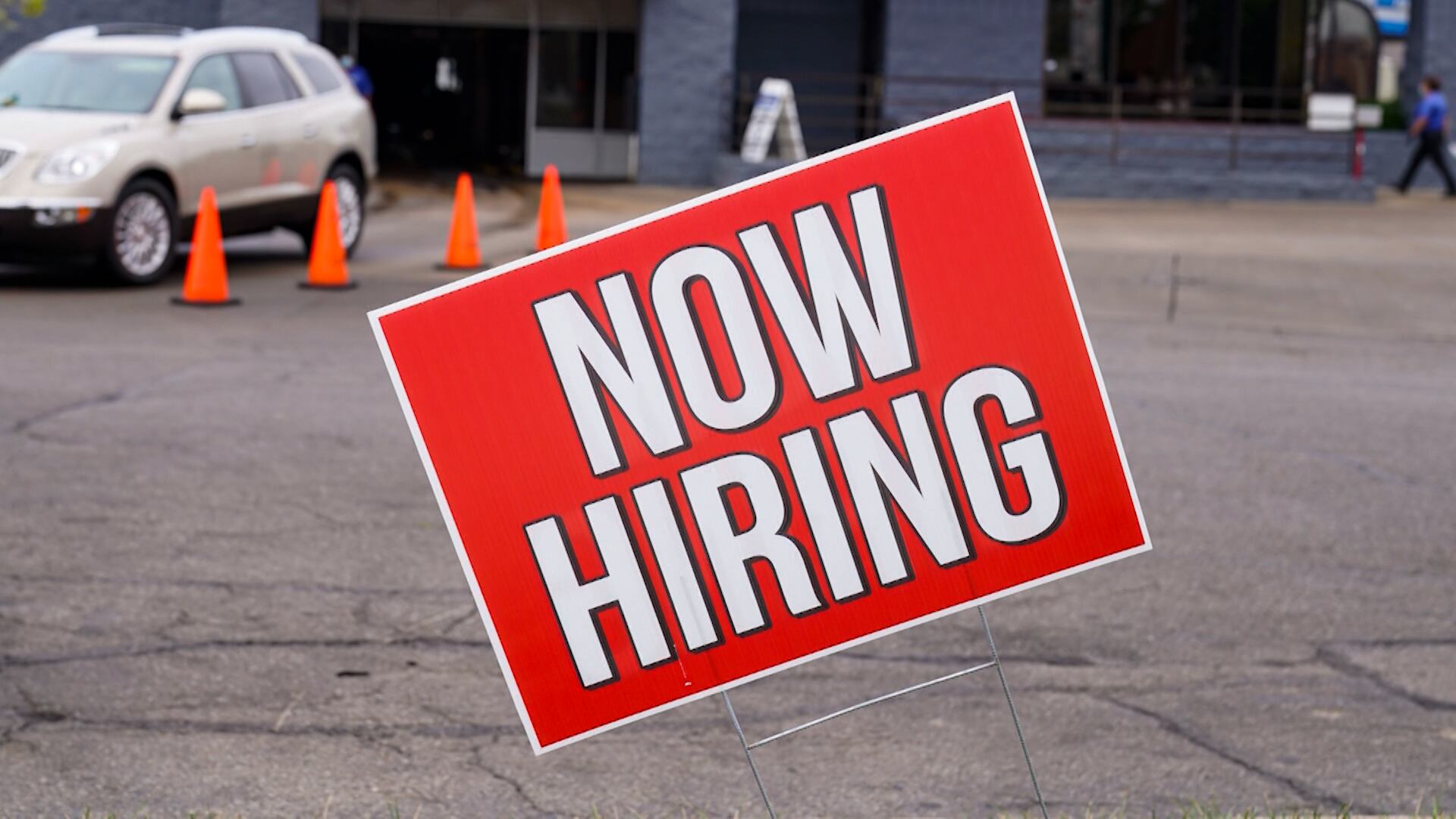
The Labor Department released a better-than-expected report of 467,000 jobs added in January. Heather Boushey, Council of Economic Advisers Member for President Biden, joined Cheddar to tout the administration's handling of the economy amid the pandemic and the upward revisions for the previous month. "It also shows that, because of the revisions, the economy was stronger over the past couple of months," she said. "I don't think that this can be said enough, but economic forecasting during an historic pandemic is extremely difficult." Boushey also addressed issues involving wage growth versus the rapid rise of inflation.
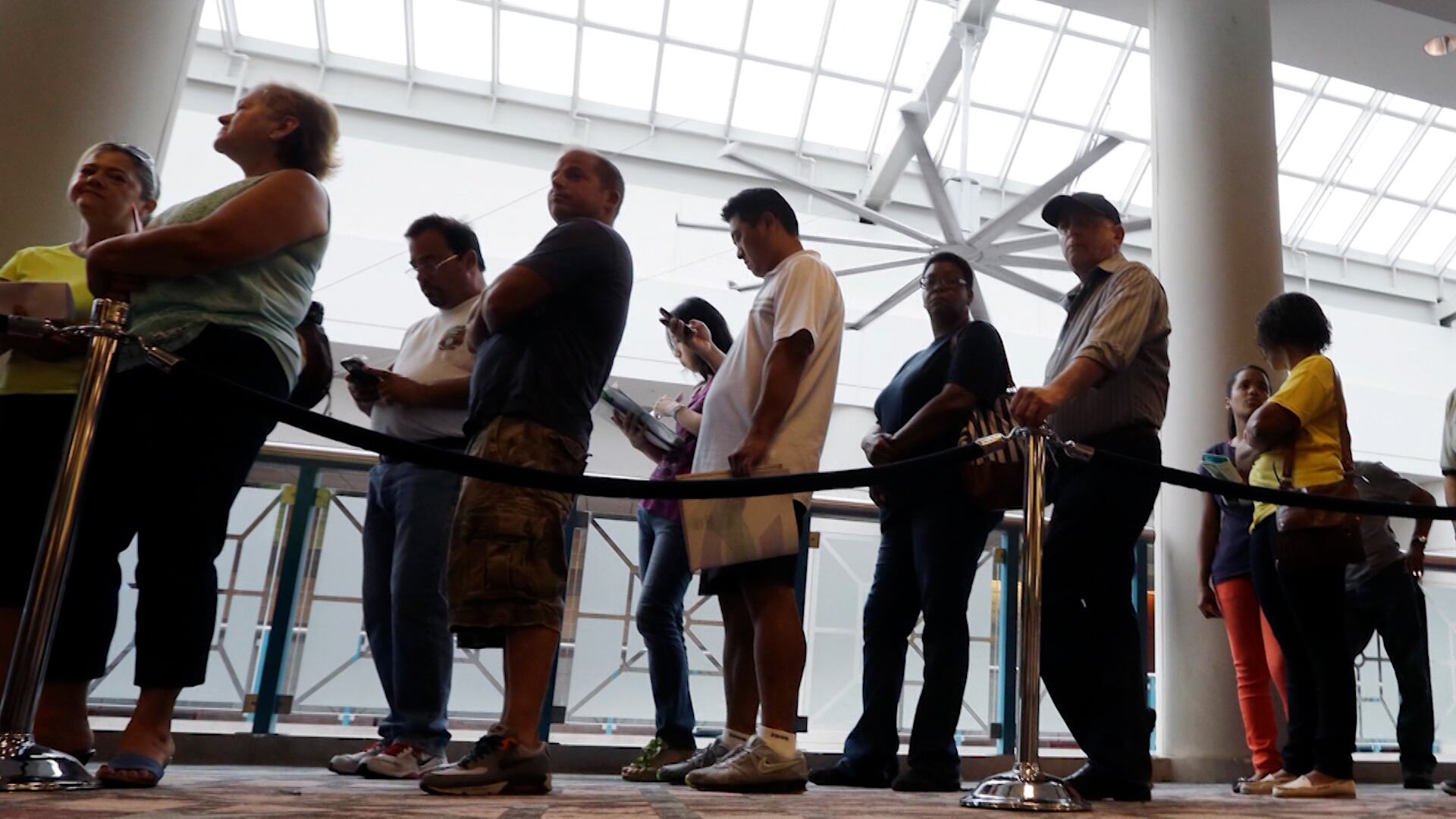
The Labor Department's January jobs report showed 467,000 jobs were added, compared to the 150,000 that were projected, a sign that employment is continuign to return to pre-pandemic levels. Lindsey Piegza, chief economist at investment bank Stifel, joined Cheddar to break down the report, noting the big gains but adding a note of caution. "Remember, even with this morning's stellar report, we're still millions below that level that we had reached prior to the onset of COVID-19," she said." Yes, we are recapturing jobs. We still have further ground that needs to be made before we can talk about reaching that previous peak." Piegza also discussed the role of the Federal Reserve going forward as the employment figures turn more positive.
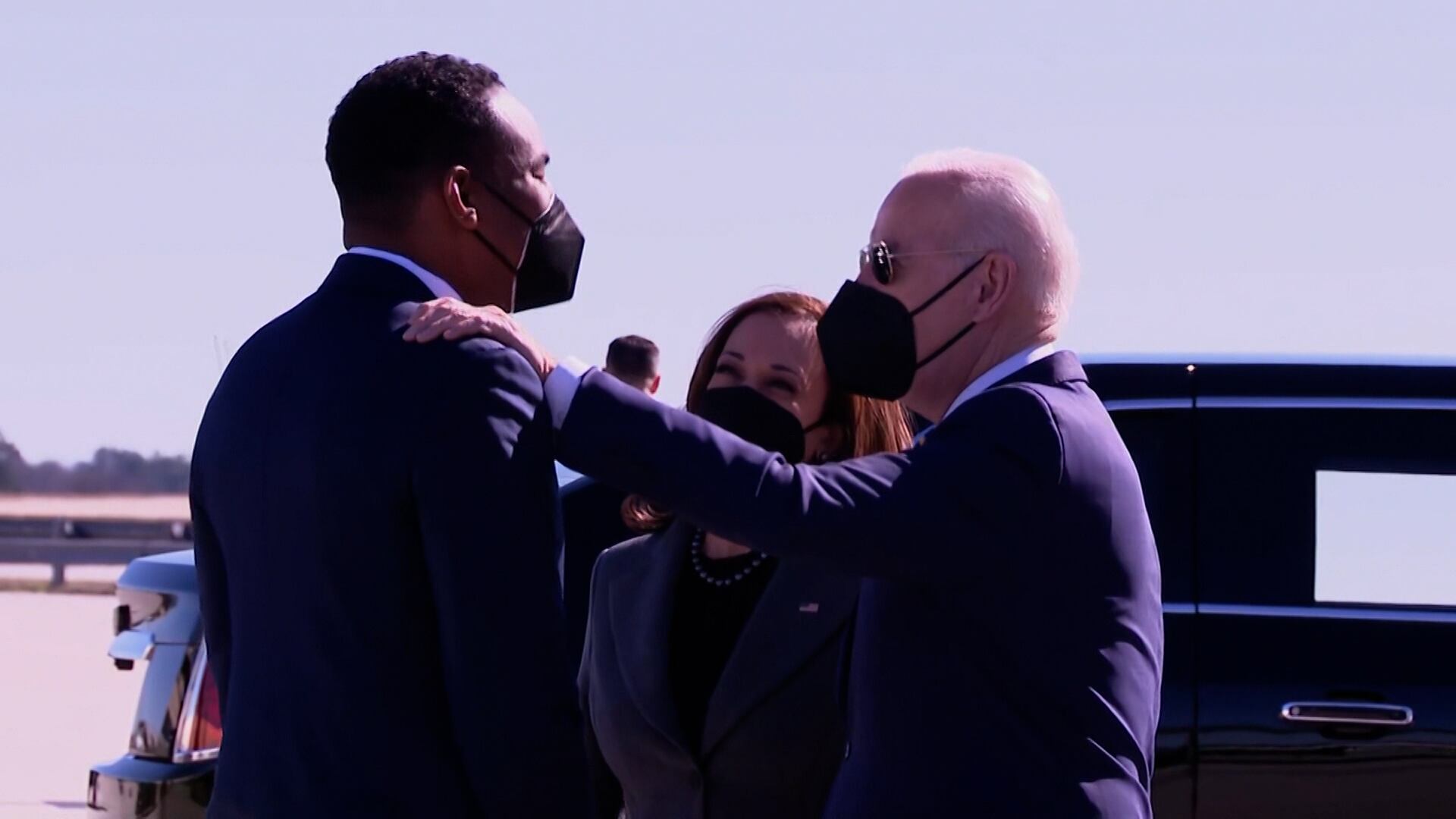
As President Biden's poll numbers fall with Black voters, Rep. Ayanna Pressley (D-Mass. 7th District) joined Cheddar to discuss what she feels could help the embattled administration: deliver on policies. Pressley pointed to stalled legislation such as new voting rights laws and Build Back Betters and canceling student loan debt, which would go a long way to improving his standing with Black constituents. "President Biden has the authority and the power to alleviate this burden, which would also help in closing the racial wealth gap, and he can do it by executive action with the stroke of a pen," she said. "And it doesn't require one vote from Congress. So, the Biden administration just needs to deliver to Black America in a tangible and impactful way."