Senate Republicans on Thursday blocked a Democratic measure to revive the Equal Rights Amendment, dealing yet another blow to supporters who have pushed for more than five decades to amend the Constitution to prohibit discrimination based on sex.
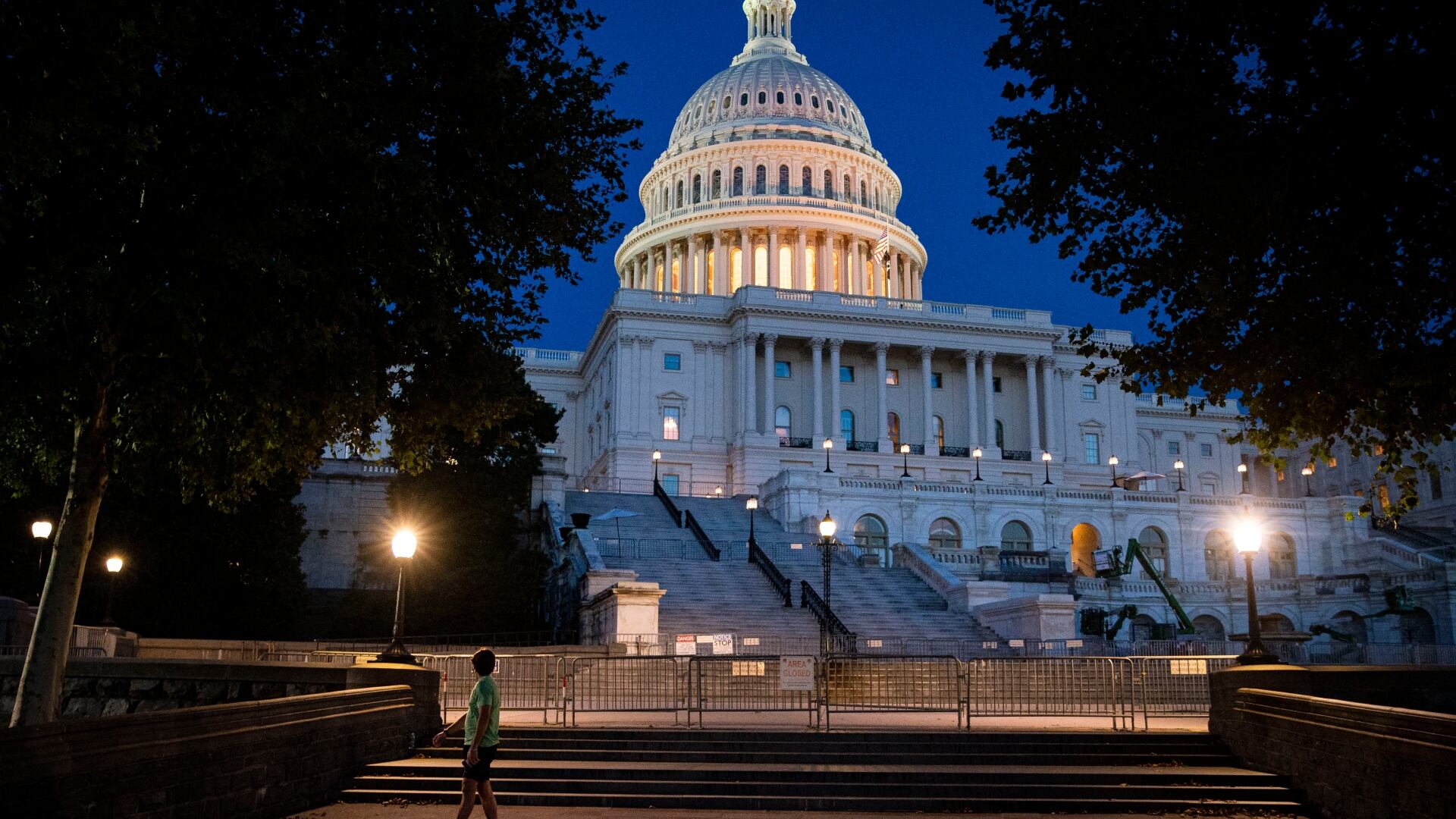
Democrats failed to win the necessary 60 votes to move forward with the resolution, which would have removed a 1982 deadline for state ratification and reopened the process to amend the Constitution.
The 51-47 vote included support from two Republicans, Maine Sen. Susan Collins and Alaska Sen. Lisa Murkowski — well short of the 10 GOP votes needed.
Senate Majority Leader Chuck Schumer, D-N.Y., put the resolution up for a vote this week, even as it was unlikely to pass. He said it was especially timely in the wake of the Supreme Court’s decision last year to overturn Roe v. Wade and the constitutional right to an abortion.
“Women in America have far fewer rights today than they did even a year ago,” Schumer said.
After the vote, Schumer said the Senate is “not giving up,” and would keep trying to pass the measure.
Congress sent the amendment, which guarantees men and women equal rights under the law, to the states in 1972. It gave states seven years to ratify it, later extending the deadline to 1982. But the amendment wasn’t ratified by the required three-quarters of states before the deadline.
At the same time, several states — including Nebraska, Tennessee, Idaho, Kentucky and South Dakota — have attempted to remove their prior approval.
States can support the federal version individually, though it is not ratified into the U.S. Constitution, so those ratifications remain mostly symbolic.
In a statement of policy, the White House said that President Joe Biden “strongly supports” extending the deadline and that it is long past time.
“Gender equality is not only a moral issue – the full participation of women and girls across all aspects of our society is essential to our economic prosperity, our security, and the health of our democracy,” the White House said.
Republicans have argued that Democrats are trying to rewrite history.
“The Democrats’ novel unconstitutional approach bypasses states’ rights and circumvents the process our founders put in place,” said Sen. Kevin Cramer, R-N.D., after the vote. “This is simply another liberal wish list item meant to drive a political wedge.”
As negotiations drag on in Washington, DC over President Biden's social spending bills, Senate Democrats have introduced a new idea to fund Biden's plans: taxing the unrealized capital gains held by billionaires. Barron's reporter Sabrina Escobar joins Cheddar News' Closing Bell, where she explains what's in the billionaire tax proposal, who it will impact, and why it's on the table.
Hunter Walker joins Cheddar News to talk about his report in Rolling Stone that revealed how members of Congress and the White House helped plan the protest that turned violent on January 6.
Jill and Carlo discuss the pending approval for Pfizer's vaccine for kids, the state of anti-Semitism three years after Tree of Life, potential criminal charges in the 'Rust' prop gun shooting and more.
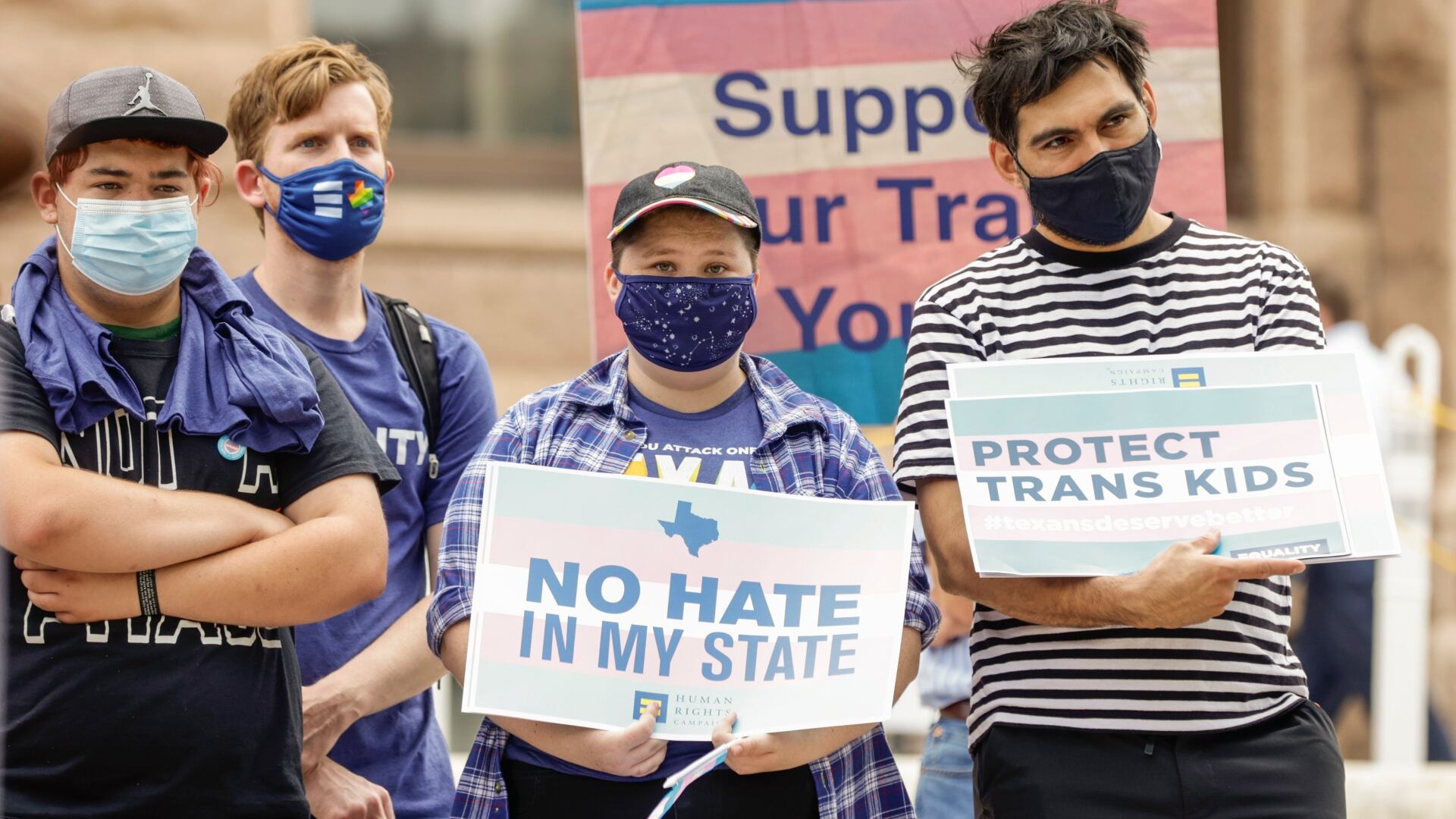
Texas Governor Greg Abbott, a Republican, signed a bill into law on Tuesday that restricts transgender students from playing on sports teams that correspond with their gender identity. Democratic State Representative Mary E. Gonzalez joined Cheddar to discuss the ramifications for transgender youth the new law represents. She also disputed the bill's proponents who argue that the measure is a matter of fairness for girls in sports, noting that various medical groups have affirmed that transgender athletes do not inherently hold an advantage over cisgender ones.
COP26 been dealt a blow as Chinese President Xi Jinping and Russian President Vladimir Putin, whose countries are responsible for a third of the world's annual greenhouse gas emissions, will not be in attendance. Bertrand Piccard, Chairman and Founder of the Solar Impulse Foundation, joins Cheddar Climate, where he discusses what he expects to see when the summit commences in Glasgow.
Social media platforms TikTok, Snapchat, and YouTube are facing questions in DC about consumer protections, data security, and product safety for young users. Emily Birnbaum, tech lobbying and influence reporter at Politico, joined Cheddar to provide some background into what led to the congressional hearing and the potential outcome. Birnbaum noted that social media platforms have been attempting to distance themselves from Facebook and the ongoing bad press it garnered in recent months.