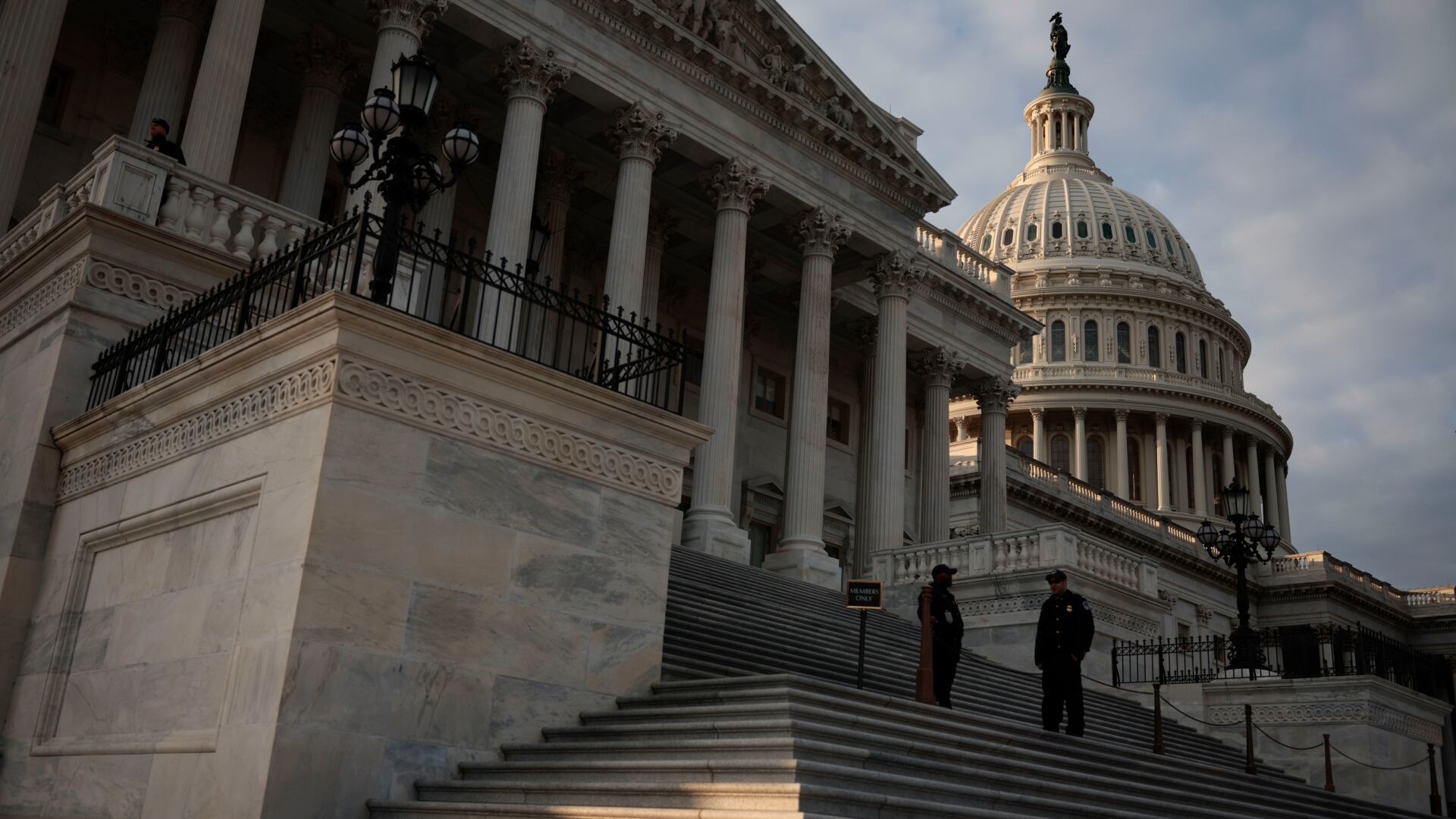
Senate Republicans on Thursday blocked a Democratic measure to revive the Equal Rights Amendment, dealing yet another blow to supporters who have pushed for more than five decades to amend the Constitution to prohibit discrimination based on sex.
Democrats failed to win the necessary 60 votes to move forward with the resolution, which would have removed a 1982 deadline for state ratification and reopened the process to amend the Constitution.
The 51-47 vote included support from two Republicans, Maine Sen. Susan Collins and Alaska Sen. Lisa Murkowski — well short of the 10 GOP votes needed.
Senate Majority Leader Chuck Schumer, D-N.Y., put the resolution up for a vote this week, even as it was unlikely to pass. He said it was especially timely in the wake of the Supreme Court’s decision last year to overturn Roe v. Wade and the constitutional right to an abortion.
“Women in America have far fewer rights today than they did even a year ago,” Schumer said.
After the vote, Schumer said the Senate is “not giving up,” and would keep trying to pass the measure.
Congress sent the amendment, which guarantees men and women equal rights under the law, to the states in 1972. It gave states seven years to ratify it, later extending the deadline to 1982. But the amendment wasn’t ratified by the required three-quarters of states before the deadline.
At the same time, several states — including Nebraska, Tennessee, Idaho, Kentucky and South Dakota — have attempted to remove their prior approval.
States can support the federal version individually, though it is not ratified into the U.S. Constitution, so those ratifications remain mostly symbolic.
In a statement of policy, the White House said that President Joe Biden “strongly supports” extending the deadline and that it is long past time.
“Gender equality is not only a moral issue – the full participation of women and girls across all aspects of our society is essential to our economic prosperity, our security, and the health of our democracy,” the White House said.
Republicans have argued that Democrats are trying to rewrite history.
“The Democrats’ novel unconstitutional approach bypasses states’ rights and circumvents the process our founders put in place,” said Sen. Kevin Cramer, R-N.D., after the vote. “This is simply another liberal wish list item meant to drive a political wedge.”
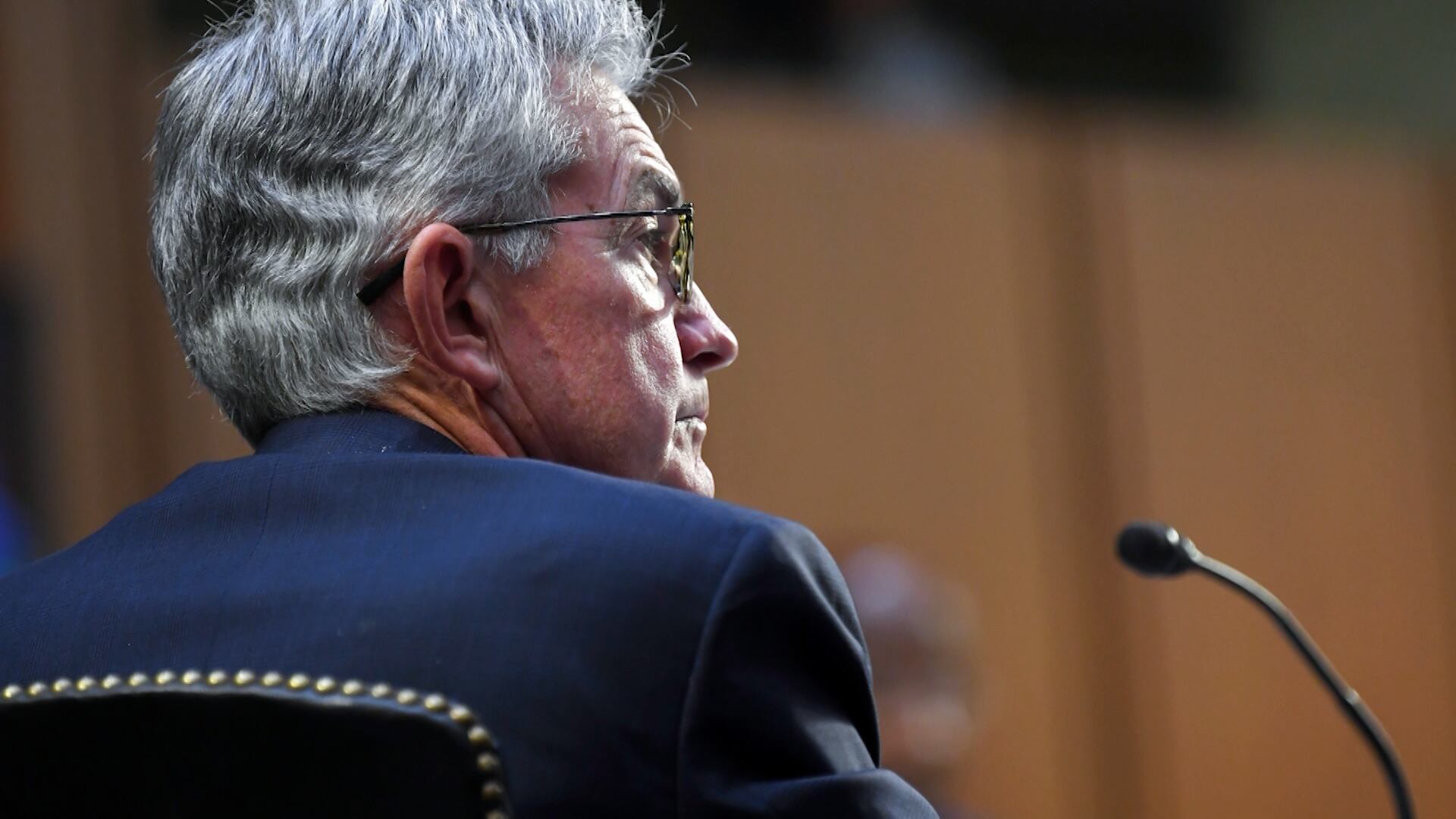
President Joe Biden named Jerome Powell, initially appointed by President Trump, to keep his seat as the chair of the Federal Reserve on Monday amid the ongoing challenges of the pandemic, inflation, and unemployment. David Beckworth, a former international economist for the Treasury Department and a senior fellow with the Mercatus Center, joined Cheddar to discuss what he sees as the practicality of Biden's decision. "What Powell brings to the table is he's built up political capital with Republicans and Democrats," he said. "It's easy for him to get the job done. I think in one way he was the path of least resistance for the president."
In a surprise turn of events, Elizabeth Holmes took the stand in her own defense on Friday and is expected to continue her testimony later today. Holmes, who founded a blood testing start-up Theranos back in 2003, faces 11 counts of wire fraud as well as conspiracy to commit wire fraud. Aron Solomon, Chief Legal Analyst, Esquire Digital joined Cheddar's Opening Bell to discuss.
Jill and Carlo cover the developing story out of suburban Milwaukee, where a speeding SUV careened through a Christmas parade. Looters get more brazen in San Francisco, the missing Chinese tennis star resurfaces, and more.
Michael Tubbs, former Mayor of Stockton, California and author of 'The Deeper the Roots,' joined Cheddar Movers to talk all about his new memoir, and his ongoing fight to make meaningful change in his community.
The House narrowly passed President Biden's $1.7 trillion Build Back Better bill, the largest expansion of the social safety net in decades. The final vote was 220 to 213, with only one Democrat joining all Republicans in opposing the bill. It now heads to the Senate, where it faces an uncertain fate. Jennifer Haberkorn, congressional reporter for the Los Angeles Times, joins Cheddar News' Closing Bell, where she breaks down the current version of the bill, where it goes next, and what it could mean for the country if it eventually reaches the president's desk.
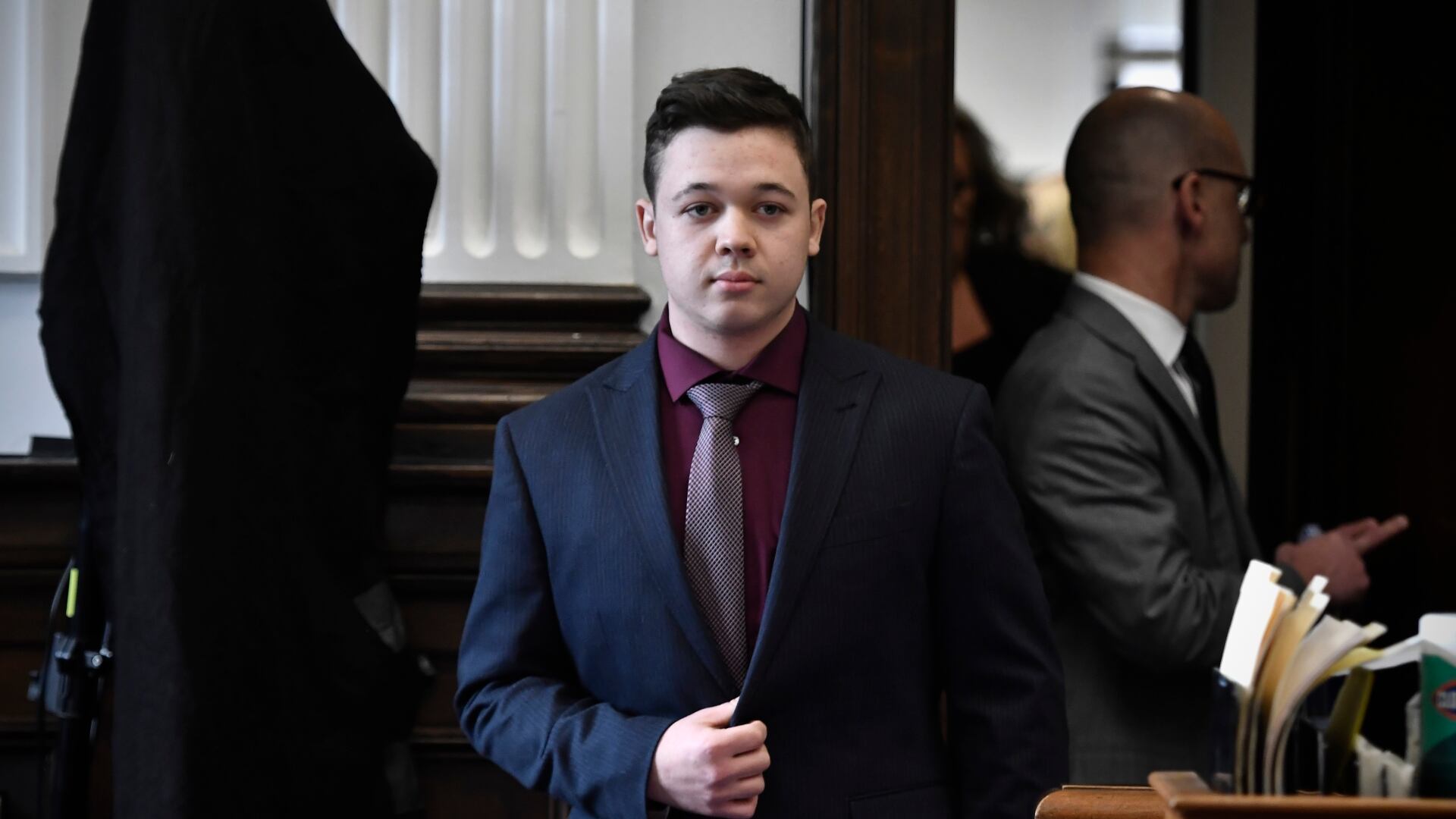
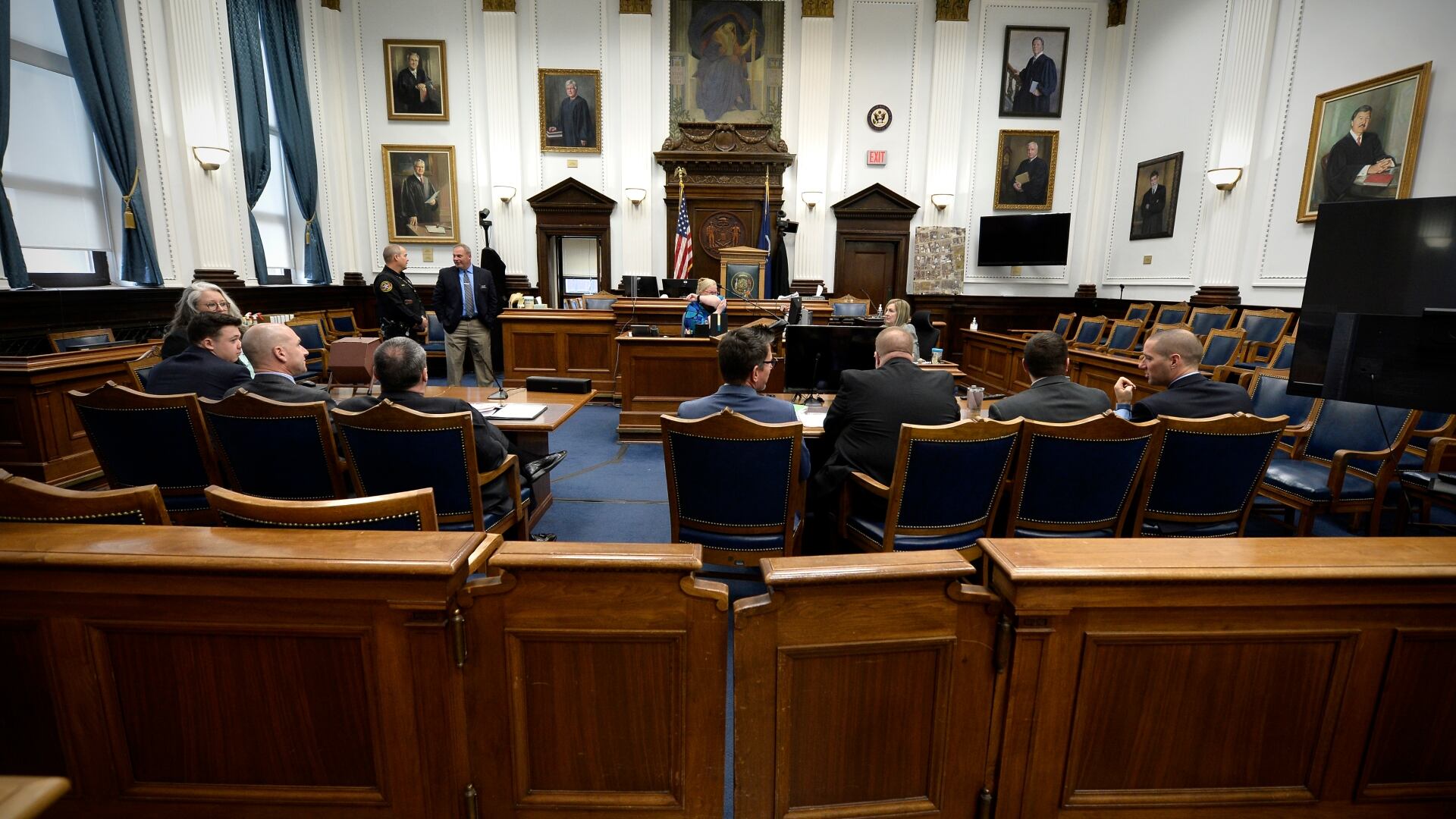
Two murder trials in focus in America — Wisconsin V. Kyle Rittenhouse and Georgia V. Travis Mcmichael, Gregory Mcmichael, and William Bryan, the Men who killed Ahmaud Arbery. Civil rights and criminal defense lawyer Anthony Tall and the Founder and CEO of Kim Crowder consulting Kim Crowder, joined Cheddar to discuss more.
Rep. Ruben Gallego (D - Arizona) joined Cheddar to discuss the passing of President Biden's Infrastructure Bill and his new book, 'They Called us 'Lucky,' about his time serving in the Iraq War.