Senate Republicans on Thursday blocked a Democratic measure to revive the Equal Rights Amendment, dealing yet another blow to supporters who have pushed for more than five decades to amend the Constitution to prohibit discrimination based on sex.
Democrats failed to win the necessary 60 votes to move forward with the resolution, which would have removed a 1982 deadline for state ratification and reopened the process to amend the Constitution.
The 51-47 vote included support from two Republicans, Maine Sen. Susan Collins and Alaska Sen. Lisa Murkowski — well short of the 10 GOP votes needed.
Senate Majority Leader Chuck Schumer, D-N.Y., put the resolution up for a vote this week, even as it was unlikely to pass. He said it was especially timely in the wake of the Supreme Court’s decision last year to overturn Roe v. Wade and the constitutional right to an abortion.
“Women in America have far fewer rights today than they did even a year ago,” Schumer said.
After the vote, Schumer said the Senate is “not giving up,” and would keep trying to pass the measure.
Congress sent the amendment, which guarantees men and women equal rights under the law, to the states in 1972. It gave states seven years to ratify it, later extending the deadline to 1982. But the amendment wasn’t ratified by the required three-quarters of states before the deadline.
At the same time, several states — including Nebraska, Tennessee, Idaho, Kentucky and South Dakota — have attempted to remove their prior approval.
States can support the federal version individually, though it is not ratified into the U.S. Constitution, so those ratifications remain mostly symbolic.
In a statement of policy, the White House said that President Joe Biden “strongly supports” extending the deadline and that it is long past time.
“Gender equality is not only a moral issue – the full participation of women and girls across all aspects of our society is essential to our economic prosperity, our security, and the health of our democracy,” the White House said.
Republicans have argued that Democrats are trying to rewrite history.
“The Democrats’ novel unconstitutional approach bypasses states’ rights and circumvents the process our founders put in place,” said Sen. Kevin Cramer, R-N.D., after the vote. “This is simply another liberal wish list item meant to drive a political wedge.”
David Levine, elections integrity fellow with Alliance for Securing Democracy, joins Cheddar News to discuss Politico's bombshell finding revealing the RNC's plan to contest the elections.
A survey by the BMO Real Financial Progress Index found that 25 percent of Americans are pulling back on retirement contributions to offset the cost of inflation. This comes as market volatility reduced retirement savings with the S&P 500 shedding more than 12 percent this year alone.
As abortion rights take center stage in courts around the country, so do discussions about reproductive health. Signs and social media posts say things like "protect women's rights" and "her body, her choice," leaving others who need and receive abortions completely out of the picture. The potential end to Roe v. Wade would impact far more people and facilities than you may think. Cheddar News' Baker Machado breaks it all down.
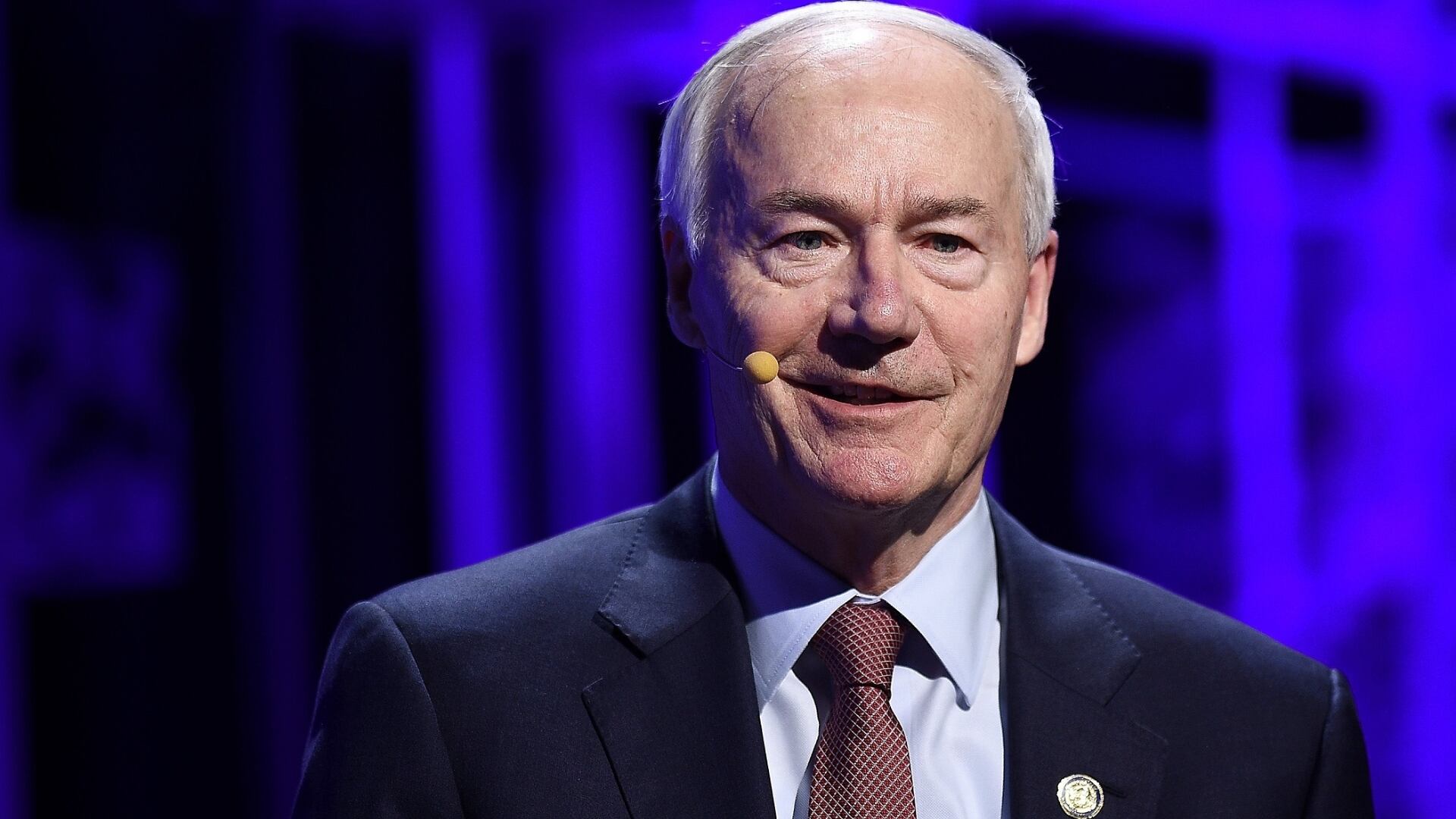
Arkansas is planning to reshape itself by putting a strong emphasis on technology through computer science in the classroom. Governor Asa Hutchinson joined Cheddar News Buffa to discuss the state's efforts to promote itself as a future tech hub. “It gives young people such a huge opportunity for success," he noted. The term-limited governor also touched on the issue of gun ownership, offering up the idea of possibly raising the age limit to obtain rifles like the AR-15 to 21 instead of 18 as it currently stands.
The dating app Bumble has sponsored bills and pushed lawmakers to criminalize the online practice of sending unsolicited nudes or “cyberflashing." Payton Iheme, Bumble's head of public policy for the Americas, joined Cheddar News to discuss why the app was going after the harassing behavior beyond its own platform. "Now, while we went to work internally in the company, and we created something called private detector to automatically blur those images so the user can decide if they want to see them, there's nothing for the rest of the internet," she said. "And so that's why we went to work with these laws."
Constituent service platform Indigov recently raised $25 million in a Series B funding round. Indigov bills itself as a constituent relationship management tool that helps elected officials improve the way they organize, respond to, and engage those they serve. The startup's services are being used by federal, state, and local governments across the country, including the U.S. House of Representatives. Alex Kouts, founder & CEO of Indigov, joins Cheddar News' Closing Bell to discuss.