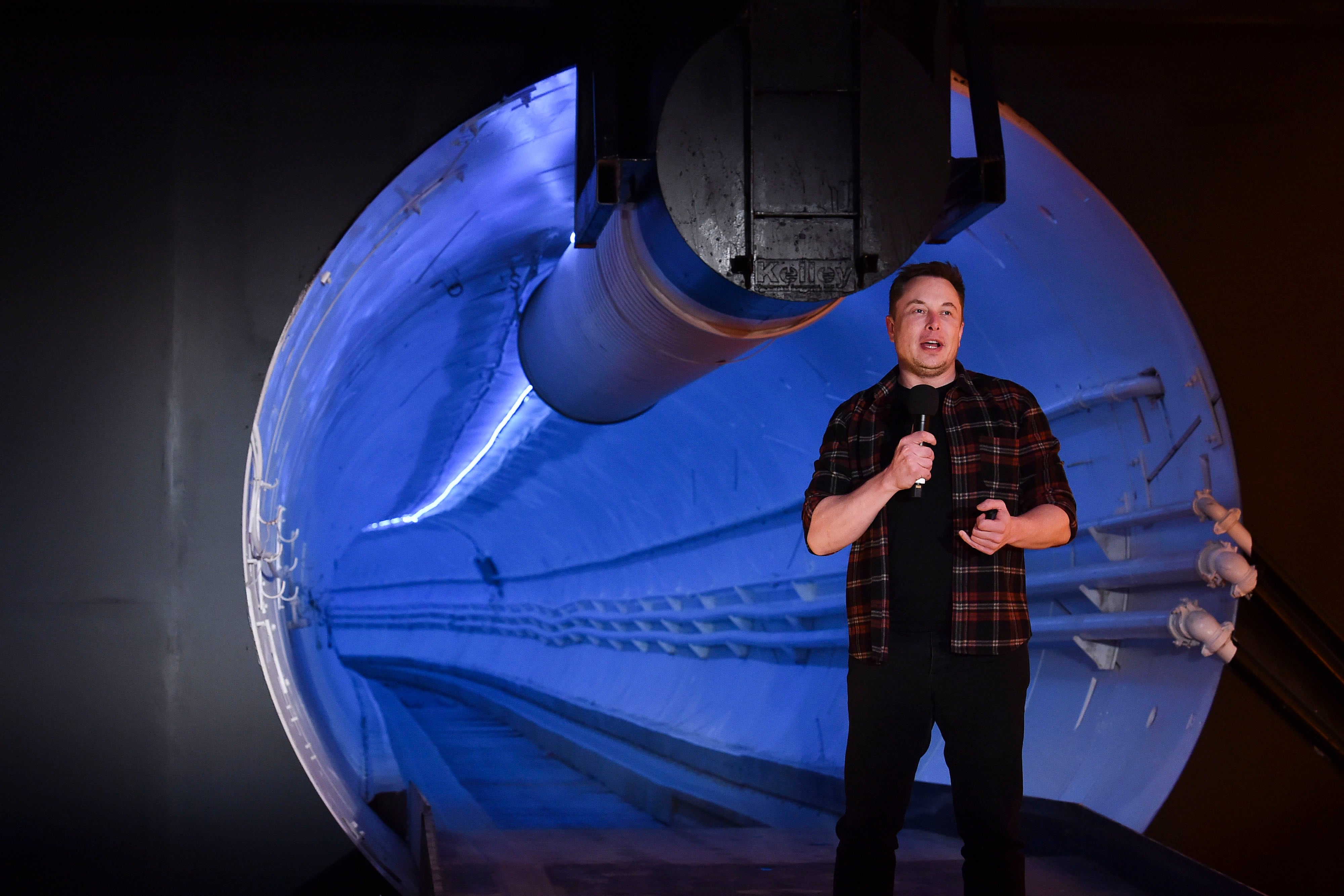
The Las Vegas Convention and Visitors Authority has recommended that The Boring Company be chosen to construct a "people mover" below the expanding convention center.
The Las Vegas Convention Center is one of the largest and most popular event spaces in the world, with more than a million people passing through every year. Its flagship exhibition is the Consumer Electronics Show, which brings in roughly 150,000 visitors every January. The massive space is about to get even bigger, with a $1.4 billion renovation and expansion about to get underway. The plan is for a new underground tunnel to be operating in time for CES 2021, according to the LVCVA.
For Musk's Boring Company, the Las Vegas plan is easier and significantly smaller in scale compared to its projects in D.C., Chicago, and Los Angeles. The proposal calls for a way to move convention attendants quickly as the space expands to become a nearly two-mile walk from end to end. It would also leave room for potential further expansion.
The LVCVA chose Boring because its proposal came in with a far cheaper price tag than other proposed options above-ground. Musk has said the purpose of The Boring Company is to make the notoriously costly and time-consuming process of tunnel-boring cheaper and faster by making the tunnels themselves smaller, and by speeding up the TBM ー the massive earth-moving machines that are needed to bore under cities. The Las Vegas tunnel would cost between $35 and $55 million, according to the company. It can also be constructed more quickly because there are few landowners to contend with.
So far, The Boring Company's main success has been a two-mile-long test tunnel near Los Angeles International Airport, which it built at a cost of $10 million per mile.
The final recommendation for the Vegas project will be made on March 12.
While the U.S. may slowly be on the path to lowering inflation (and therefore interest rates), Europe has thoroughly trounced America, putting it on the path to lower rates by this summer.
April's release of the monthly Housing Starts and Building Permits reports by the Census Bureau provides crucial insights into the construction activity in the housing market. These reports are an economic indicator, shedding light on the current state of the housing market and its broader economic impact.
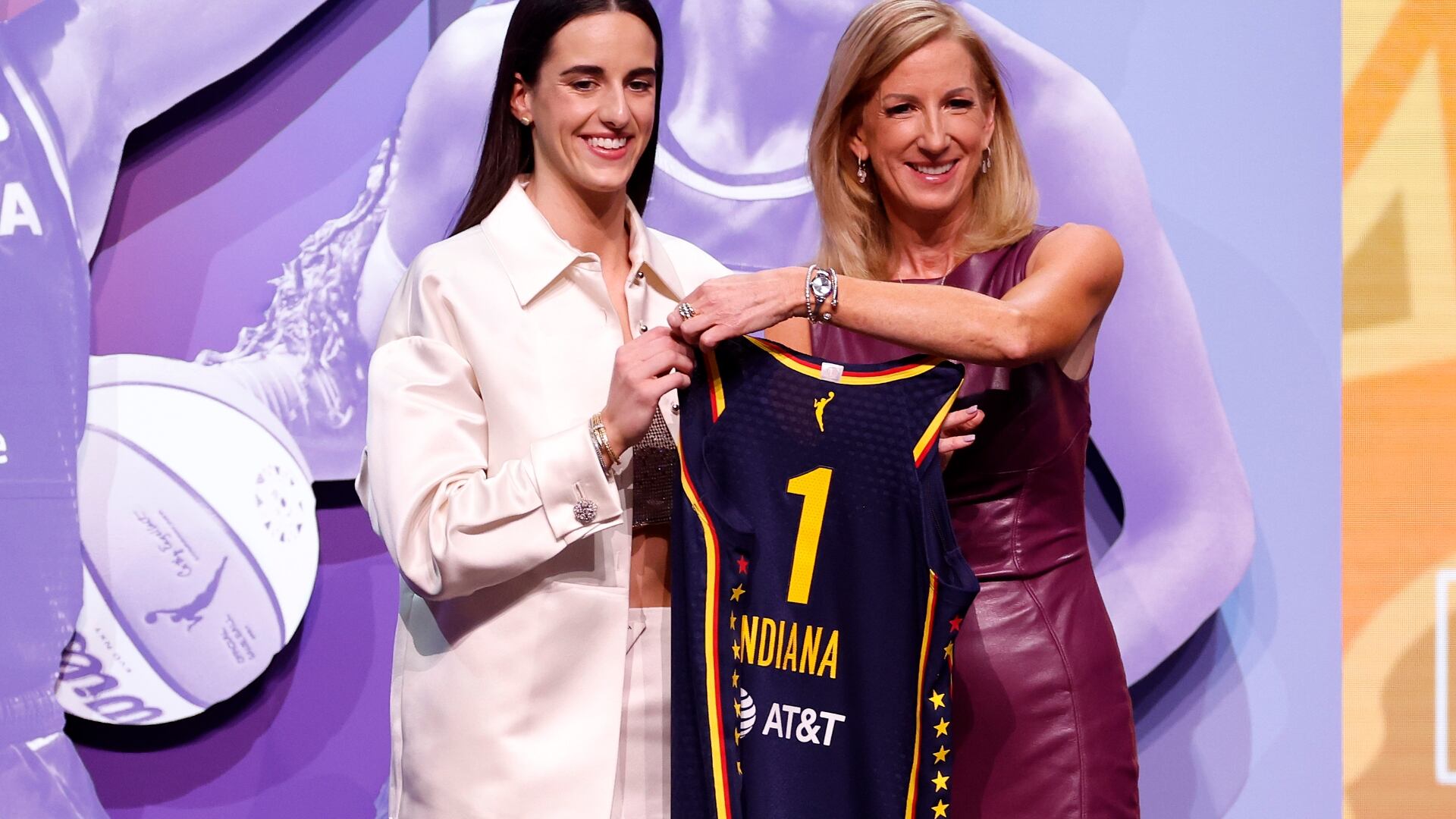
Caitlin Clark is heading to the Indiana Fever, the number one draft pick and the highest-scoring college basketball player of all time. And while she may not be getting millions from the WNBA, there's a few ways she'll net compensation for her generational talents.
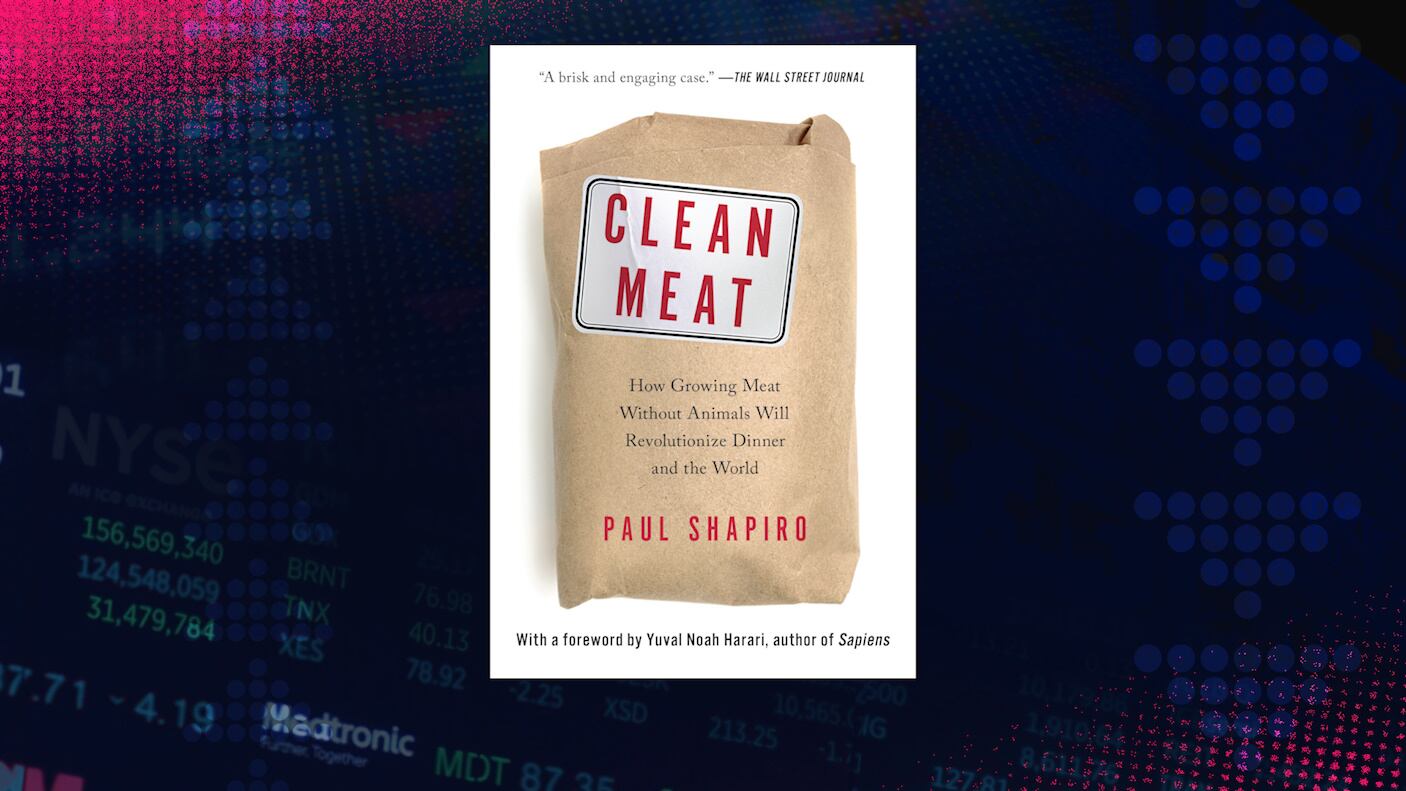
Author of 'Clean Meat,' Paul Shapiro joins Cheddar to discuss how the cellular agricultural revolution helps lower rates of foodborne illness and greatly improves environmental sustainability. Plus, how his company The Better Meat Co. is bringing healthier food options to the table.
Recent headlines might make it sound like World War III is imminent, but when it comes to your finances, it's not the time to panic. The market is coming off its longest winning streak since 2011.
You may have noticed fewer new venture capital-backed startups (like Airbnb or Uber) lately. The market slowed to a crawl after 2021, but things are expected to take off again in 2025.
Corporate earnings season is underway, that time when companies share their billions in sales or double-digit profits. But the data shows even companies are struggling with high inflation and interest rates.
Boeing continues their terrifying trend of having their planes fall apart mid-flight, inflation — checks notes — is still up and the future of AI looks terrifying. Cheery!
Food waste – uneaten scraps or leftovers sent to landfills – is responsible for 10% of global emissions. Mill, a new product from the co-founder of Nest, thinks technology can play a role in eliminating it.
By the time the 2024 election is over, be prepared to see some form of a recession – but this shouldn’t be as bad as what we experienced in 2020 or 2008.