At a press conference on Wednesday, Labor Secretary Alex Acosta told reporters that new sex crime charges against hedge fund manager Jeffrey Epstein were a "very, very good thing" and defended the manner in which his office had handled a case against the financier back in 2008.
He also showed no signs of relenting to Democrats' calls for his resignation.
Outrage has been growing, since the Miami Herald recently resurfaced the sweetheart, non-prosecution deal Epstein received when Acosta was a U.S. attorney in Miami.
In 2008, Epstein had been accused of abusing dozens of women and girls, but ultimately pled guilty to prostitution charges. Thanks to the deal, instead of facing a possible life sentence, he served just 13 months of an 18 month sentence in a county jail, during which he was allowed to leave for work.
Epstein was arrested again in New Jersey last weekend and pleaded not guilty Monday to new child sex-trafficking charges for allegations dating back to the early 2000's.
"They've brought these charges based on new evidence against Jeffrey Epstein, who is now a registered sex offender. And this is a very very good thing. His acts are discpable," said Acosta Wednesday. "Epstein's actions absolutely deserve a stricter sentence."
As to the original case, Acosta said it was not clear that the original case would have succeeded at trial because some of the victims were reluctant to testify. "The acts that they had faced were horrible, and they didn't want people to know about them."
The labor secretary said he would release documents that reveal more context of the case.
The chair of the House Oversight Committee has called for Acosta to testify on the subject later this month.
During the press conference, the labor secretary defended his standing in Trump's administration.
"My relationship with the President is outstanding," said Acosta. He also eschewed reports that he had lost the support of the Office of Management and Budget director Mick Mulvaney.
Catching you up on what you need to know on Tuesday, May 31, 2022, EU leaders agree to ban 90% of Russian oil by year-end, funerals begin in Uvalde, Texas one week after a mass shooting killed 19 children and two adults, and President Biden meets with the world's biggest boy band BTS.
The Week's Top Stories is a guided tour through the biggest market stories of the week, from winning stocks to brutal dips to the facts and forecasts generating buzz on Wall Street.
An inflation gauge closely tracked by the Federal Reserve rose 6.3% in April from a year earlier, just below a four-decade high set in March and the first slowdown since November 2020.
The pain and grief from this week’s shooting in a 4th grade classroom at Robb Elementary School in Uvalde, Texas is still with us. Cheddar's Shannon Lanier ends the week by pausing to remember some of the faces of the 19 children killed and their teachers.
Cheddar New’s reporter Megan Pratz reports from the scene in Uvalde, Texas, with additional details that indicate the shooter was inside Robb Elementary School for more than an hour before law enforcement was able to confront and kill him.
U.S. stocks ended near session highs to close Thursday's session after retailers released positive earnings results. Investors also continued to weigh the federal reserve's recent indication that the central will raise rates in an effort to curb inflation. Adam Johnson, Portfolio Manager for Adviser Investments, joins Cheddar News' Closing Bell to discuss.
After the horrific mass shooting at a Texas elementary school, activists are once again urging Congress to take action. Trevon Bosley, a gun violence prevention activist, joined Cheddar News to talk about how to push legislators on the issue of new gun restrictions. “Even 10 years later the same sense of hopelessness from before," Bosley said, referring to the lack of change since the Sandy Hook massacre.
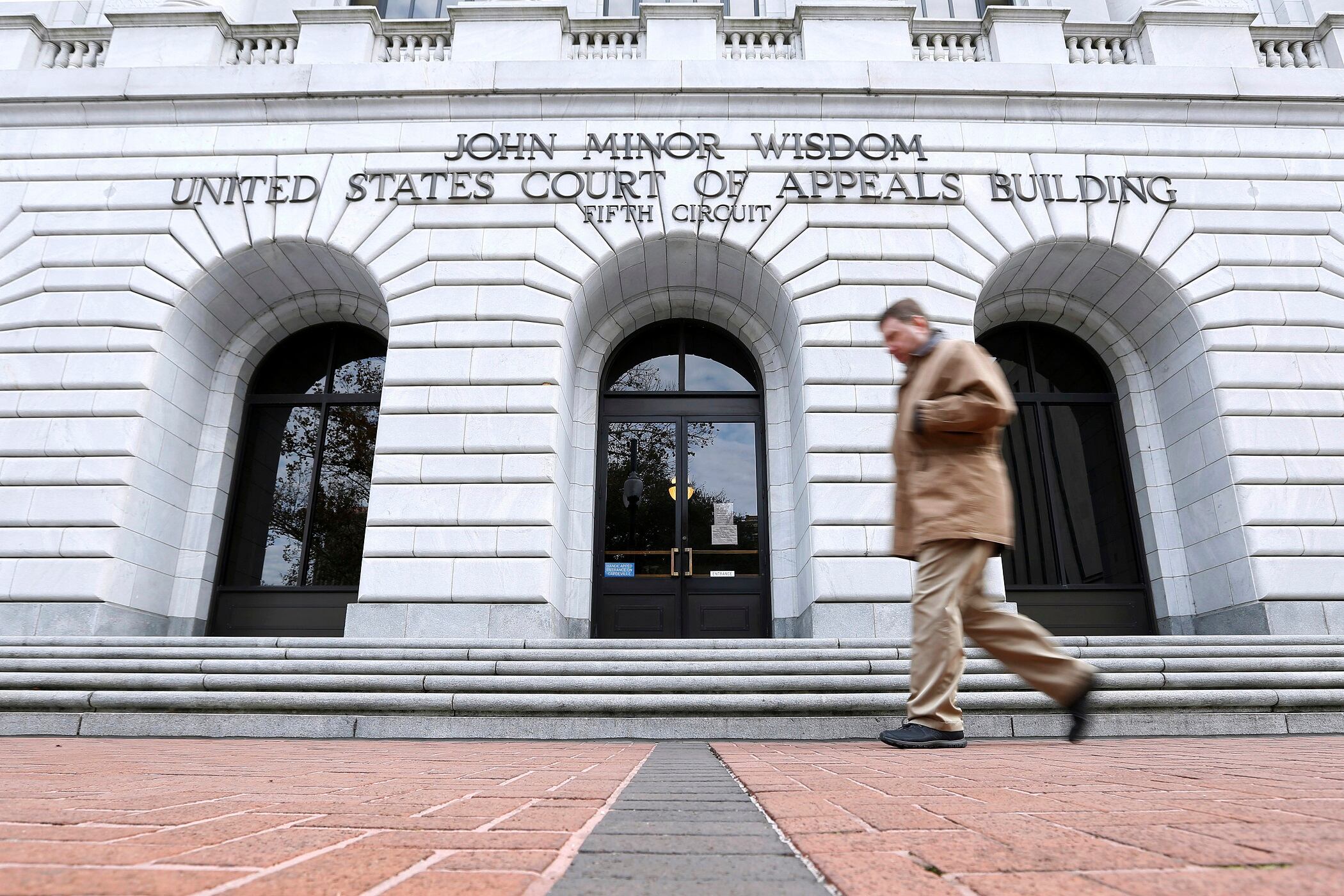
In Jarkesy v. Securities and Exchange Commission, the 5th U.S. Circuit Court of Appeals ruled that the SEC violated the U.S. Constitution. Cheddar's Alex Vuocolo dives into how the ruling could potentially change everything for regulators.