Kudlow: Tech Stocks Still 'Ain't Bad', Even With Correction
*By Carlo Versano*
The White House dispatched chief economic adviser Larry Kudlow to speak to reporters Thursday morning as markets turned deep red in a day marked by volatility and which added to the sell-off in tech stocks.
Kudlow told Cheddar's J.D. Durkin the administration remains bullish on the economy ー and he noted that the tech sector, in particular, was up 50 percent since President Trump's election, "even with this correction."
"That ain't bad," he said.
Kudlow wouldn't disclose whether he advises Trump to speak less critically of the actions of the Federal Reserve ー for which presidents typically reserve a church-and-state type attitude. Trump, for his part, called the Fed "loco" on Wednesday for raising interest rates.
Kudlow told Cheddar: "The advice I give to the president is the advice I give to the president. It's entirely private."
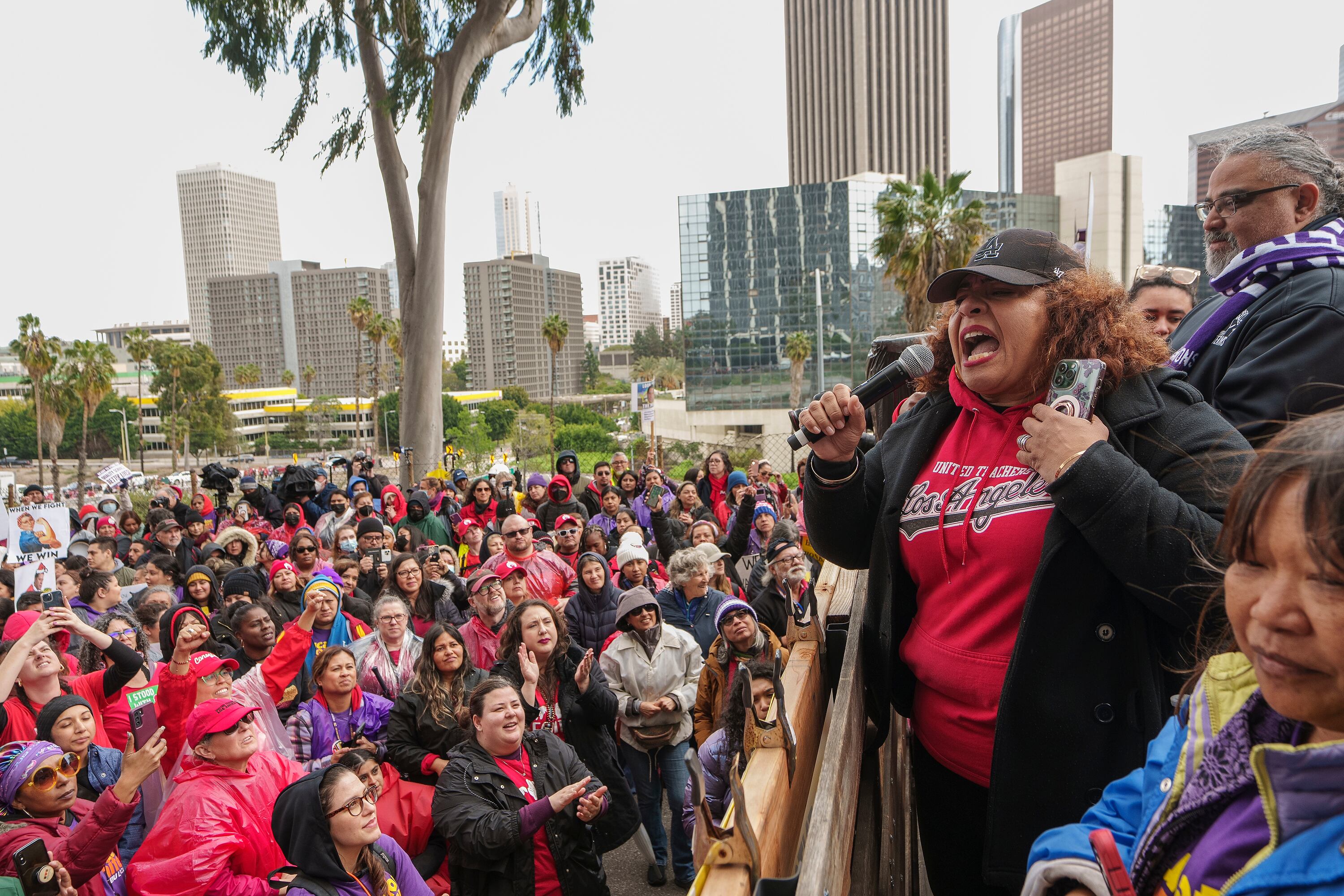
The pay is a driving factor behind a three-day strike that has shut down the entire Los Angeles school system and put a spotlight on the paltry pay of support staff that serves as the backbone of schools nationwide.
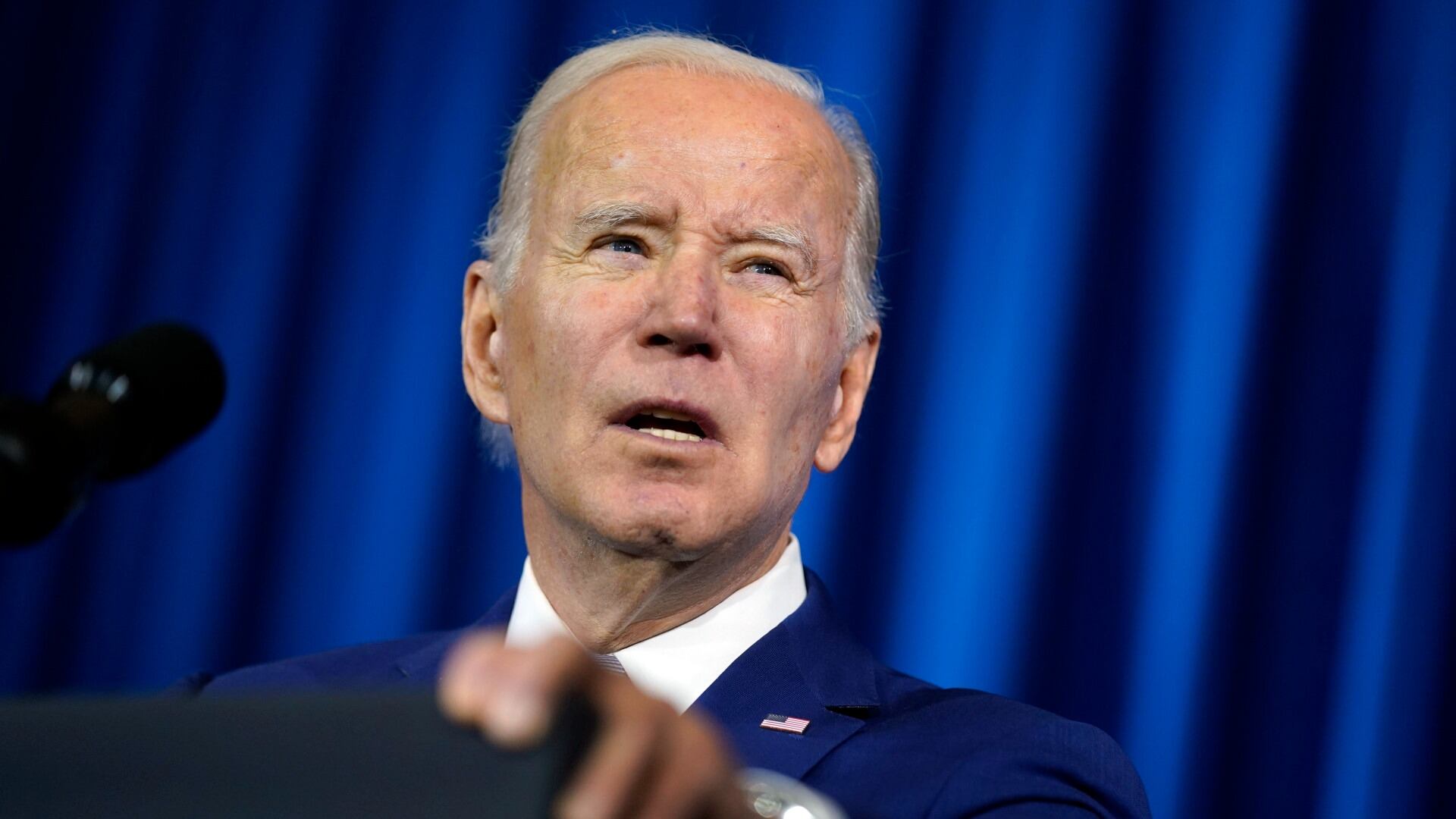
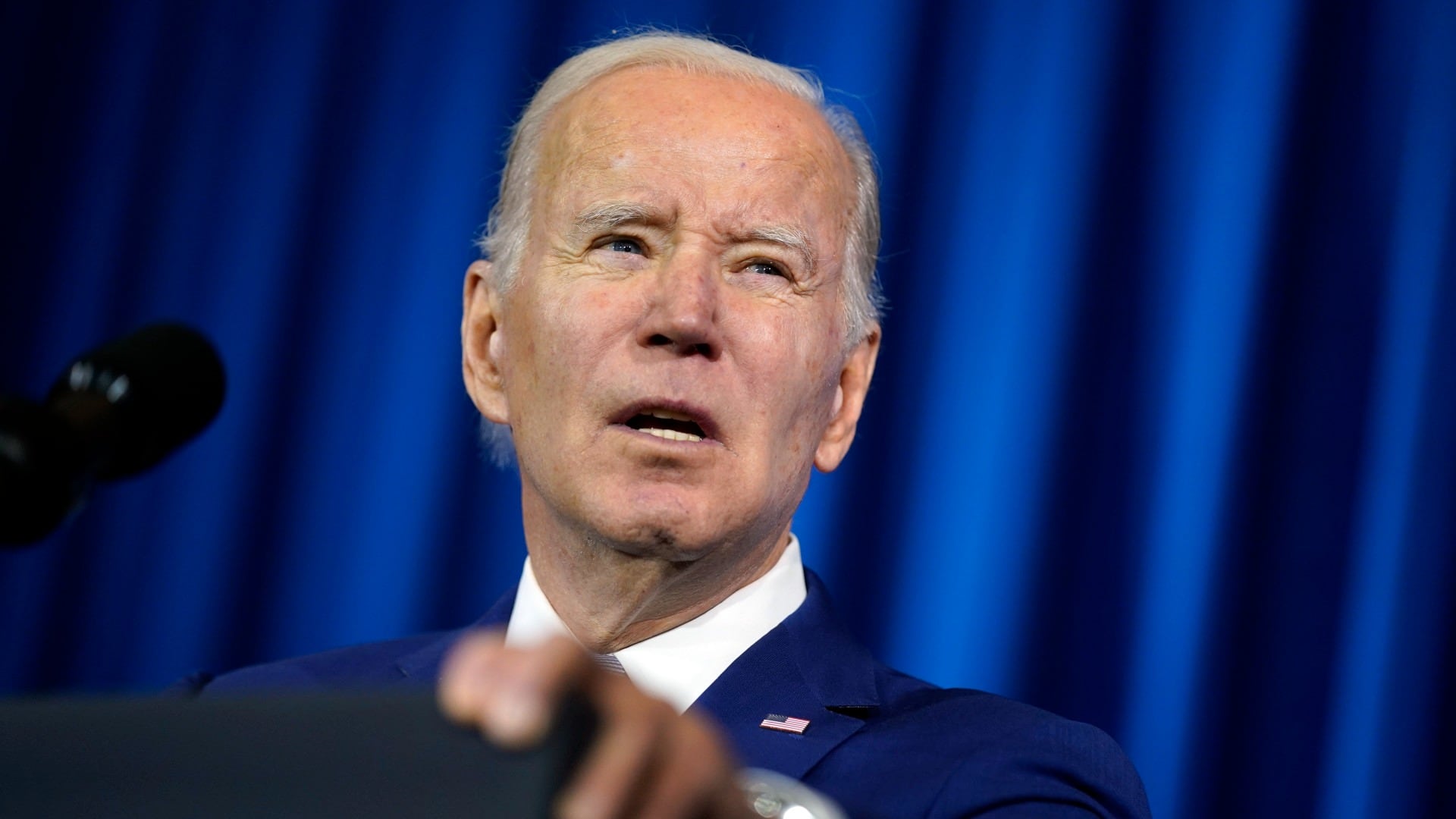
Musician Bruce Springsteen, actress Mindy Kaling and designer, Vera Wang were some of the celebrities honored at the White House on Tuesday. President Biden and his wife Dr Jill Biden gave honorees medals. Other honorees included Gladys Knight, Julia Louis Dreyfus and Amy Tan. The medals are Biden's first batch of awards for the arts and humanities. They were delayed by the COVID-19 pandemic.
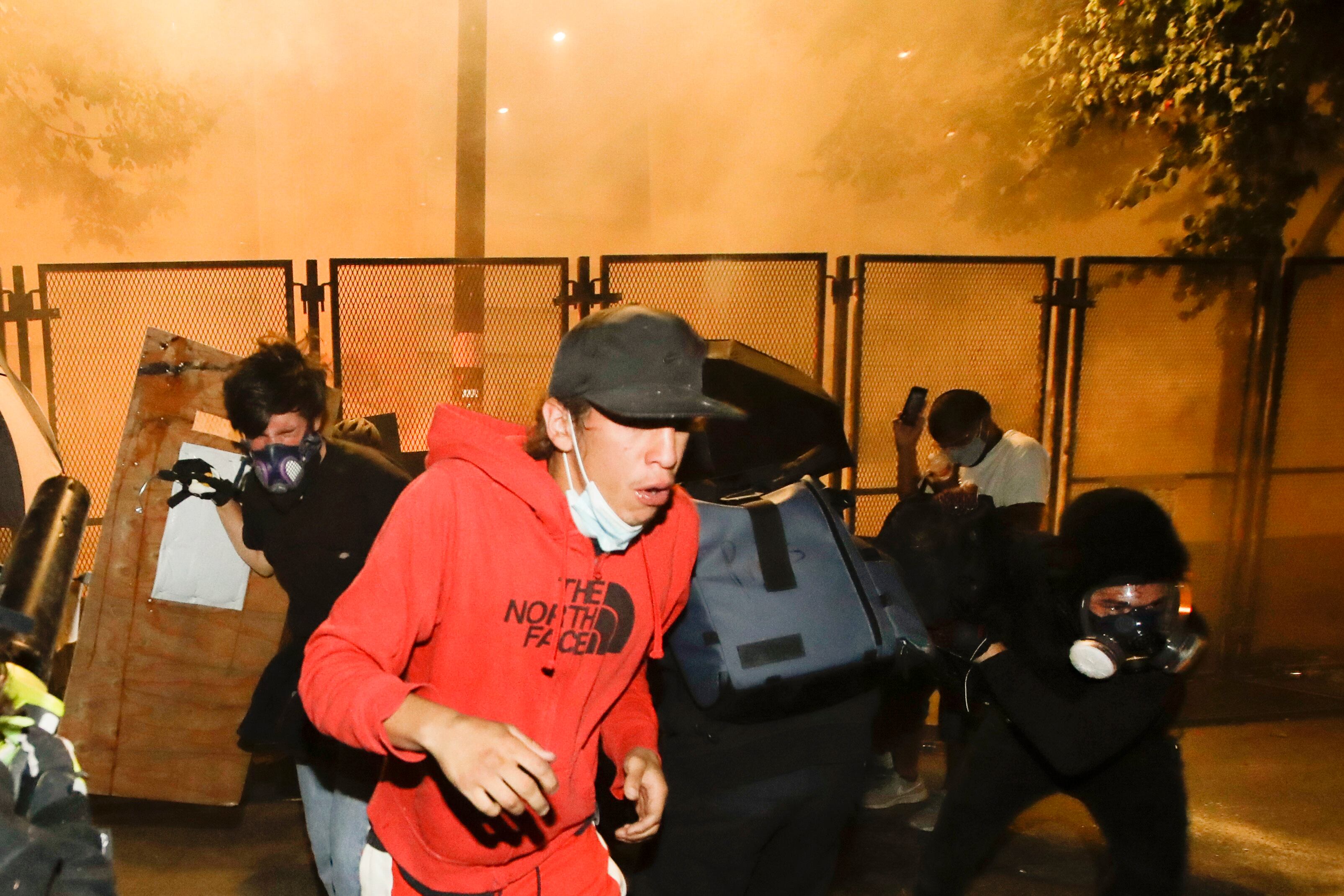
More than 119,000 people have been injured by tear gas and other chemical irritants around the world since 2015 and some 2,000 suffered injuries from “less lethal” impact projectiles, according to a report released Wednesday.
TikTok has rolled out updated rules and standards for content and its CEO warned against a possible U.S. ban on the video sharing app as he prepares to face Congress.
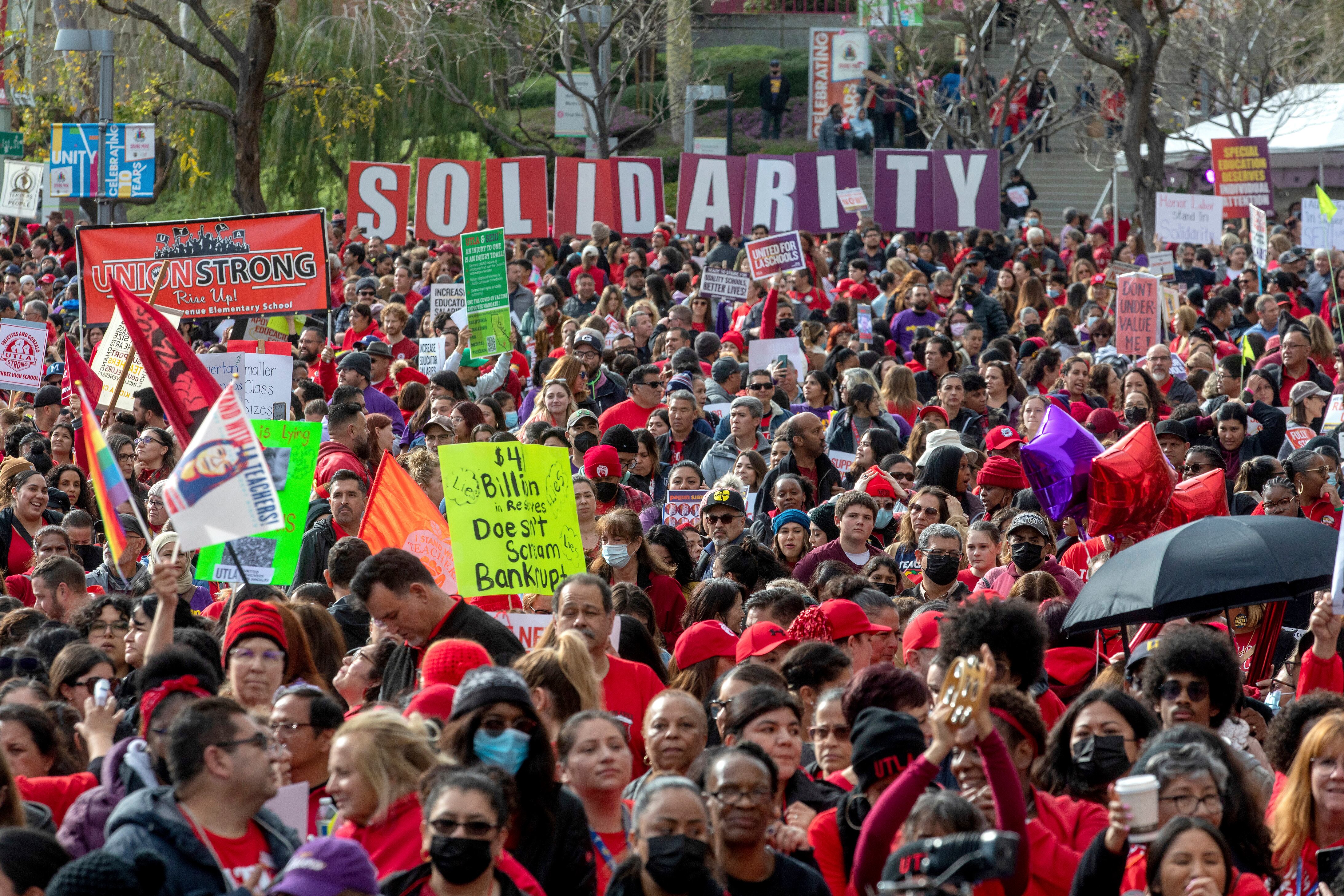
Tens of thousands of workers in the Los Angeles Unified School District walked off the job Tuesday over stalled contract talks, and they are being joined in solidarity by teachers in a three-day strike that has shut down the nation’s second-largest school system.
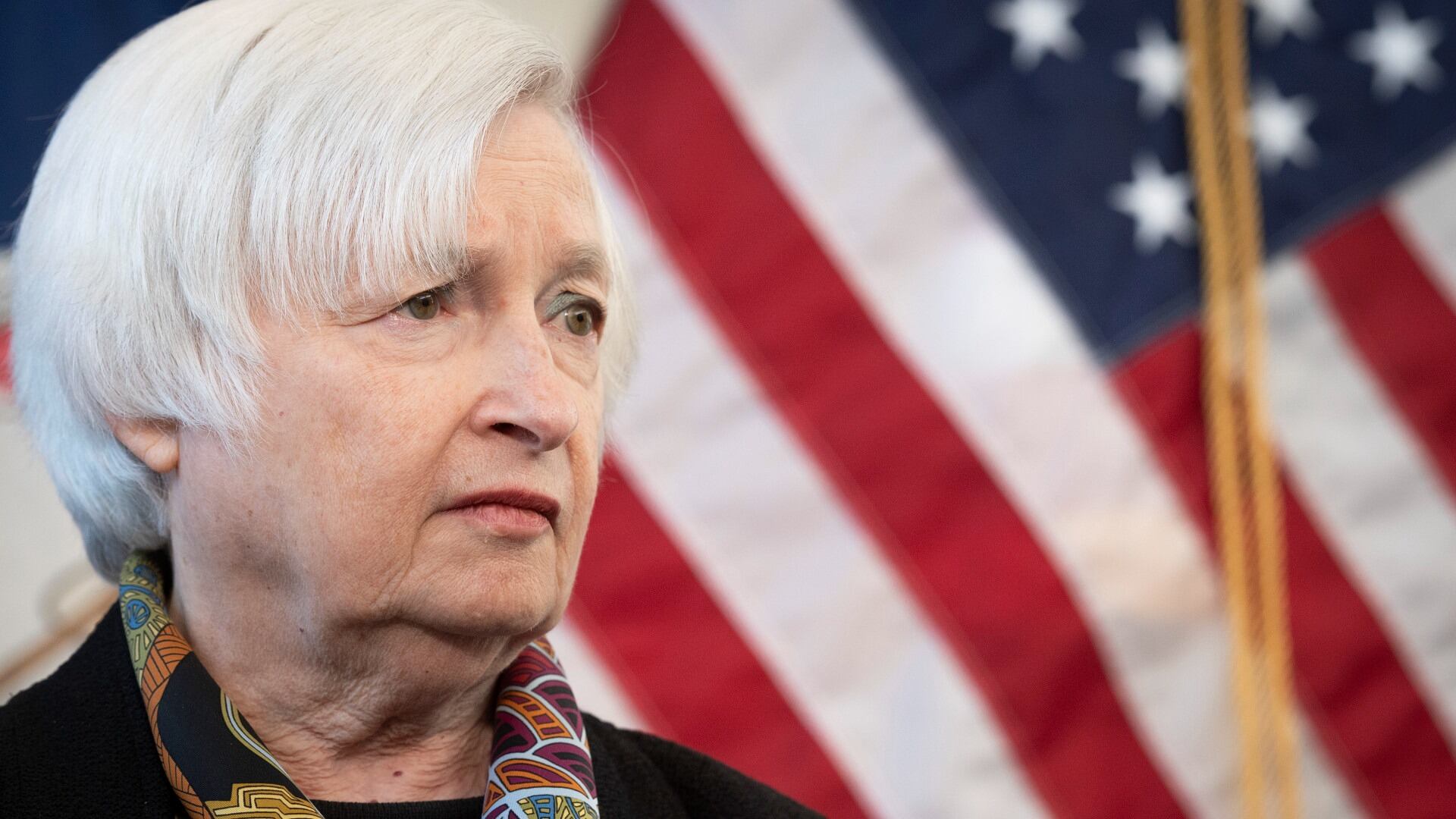
Treasury Secretary Janet Yellen is trying project calm after regional bank failures, saying the U.S. banking system is “sound” but additional rescue arrangements “could be warranted” if any new failures at smaller institutions pose a risk to financial stability.
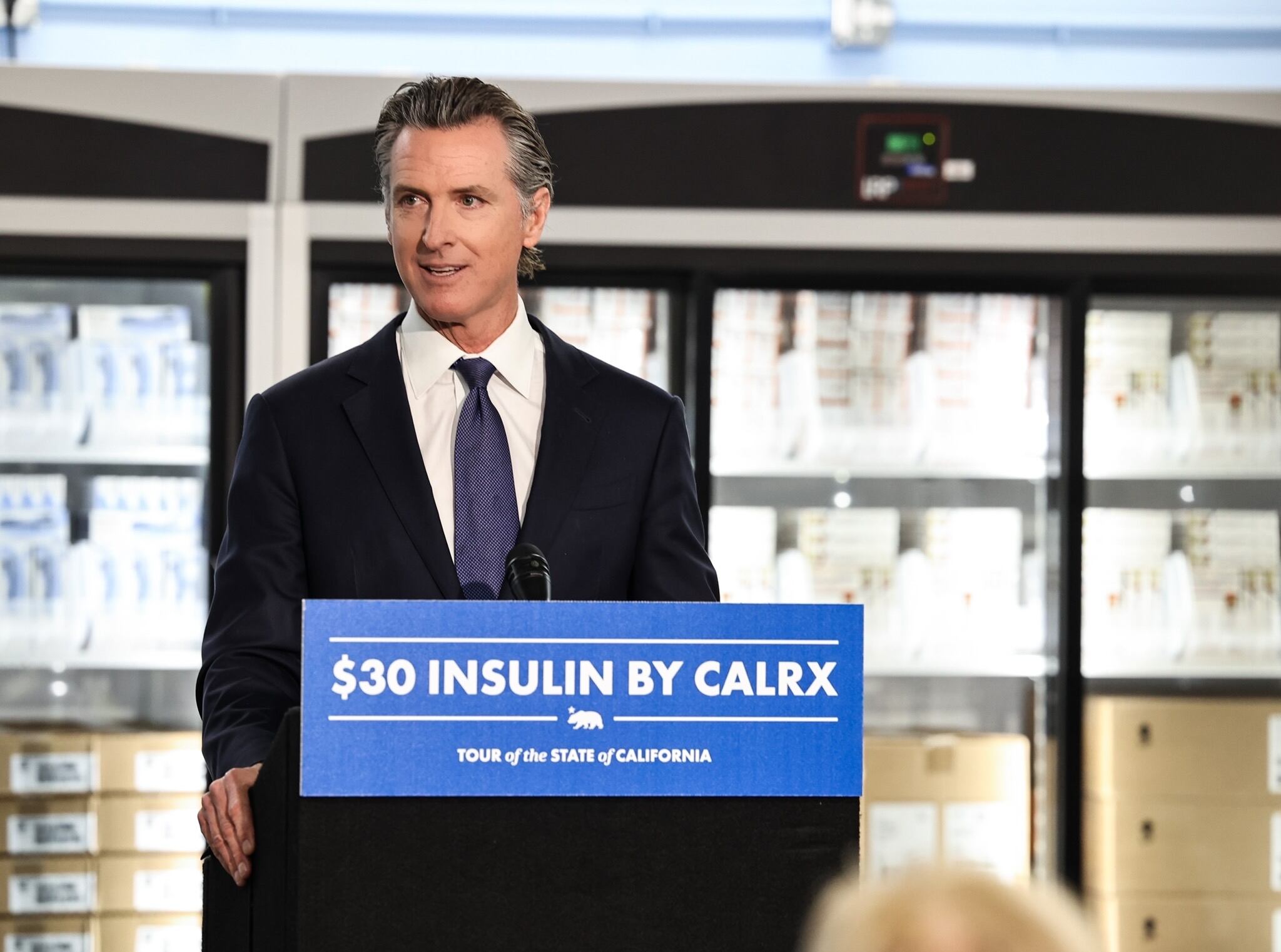
California Gov. Gavin Newsom over the weekend announced that the state has secured a contract with CIVCA to make $30 insulin available to all who need it. He also announced that the state will start manufacturing Naloxone, an emergency medication used to rapidly reverse the effects of an opioid overdose.