Larry Kudlow: Canada Should Study Our Deal With Mexico
*By Carlo Versano*
One day after President Trump and Mexican President Enrique Peña Nieto announced the framework for a bilateral trade deal, White House economic adviser Larry Kudlow used the latest U.S.-Mexico agreement "as an example" and told Cheddar it's up to Canada to join the negotiations.
"Canada should study how we put this together," Kudlow said Tuesday during an interview on the north lawn of the White House.
The bilateral framework, which Trump has said may replace NAFTA and what he calls its "bad connotations," was constructed mainly around the auto sector. It will be difficult to enforce without Canada's participation in a trilateral agreement, given various supply-chain complications.
The White House is hoping it can use an agreement with Mexico to force the Canadians back to the table, but it's too early to predict whether that will happen, the National Review's Jack Crowe said Tuesday in a separate interview on Cheddar.
"The optics of them coming to the table at this late stage \[will be\] tough," Crowe said. He added that the administration's positioning of Monday's announcement as a big win may be premature.
Nonetheless, Kudlow said the administration is proud of the progress.
"I don't think a lot of people thought we'd get a Mexico deal," he said.
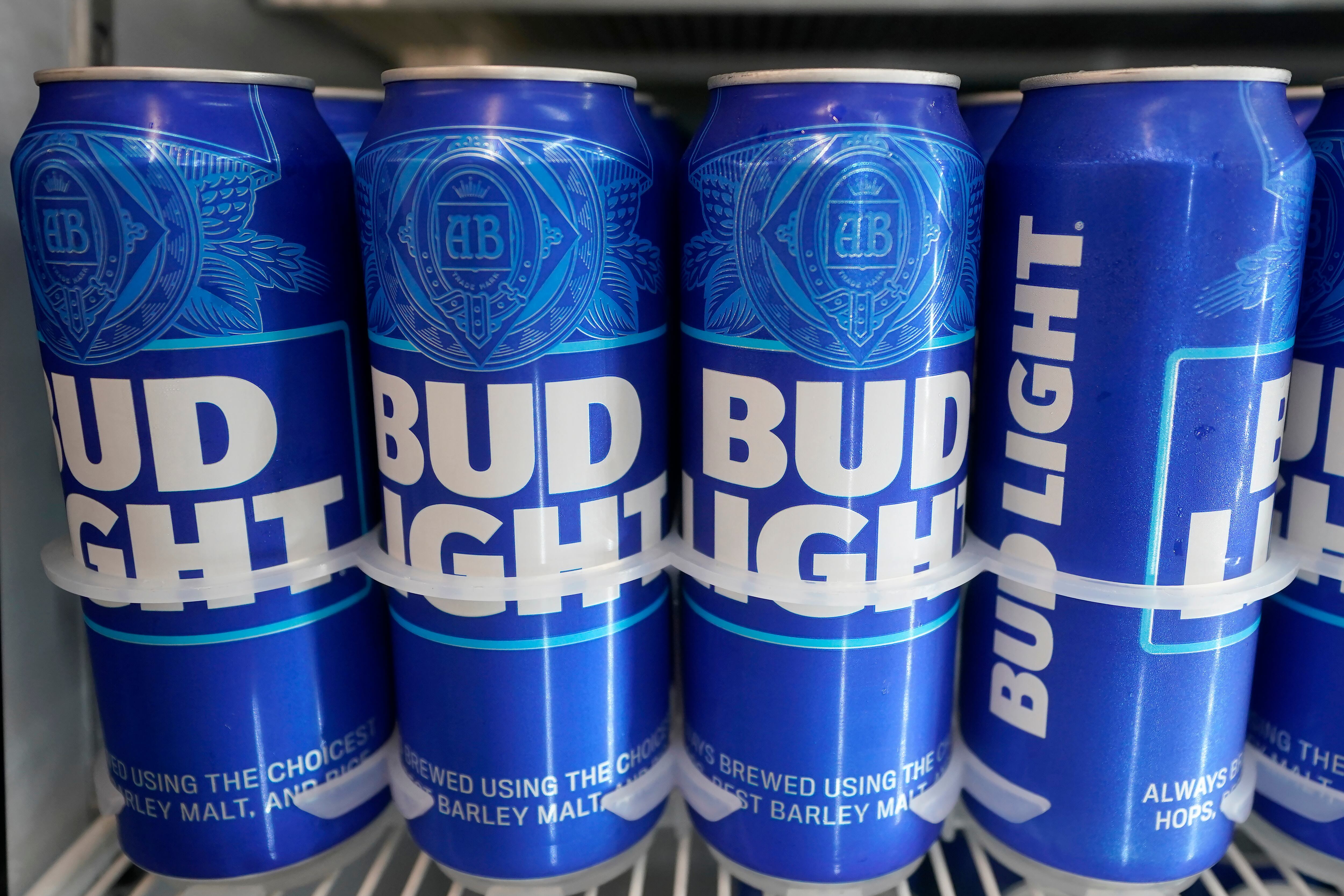
Bud Light's parent company expressed confidence Thursday that its U.S. market share has stabilized after a promotion with a transgender influencer cost it sales.
Earnings kicked off into high gear as Anheuser-Busch posted results on Thursday as Apple and Amazon are set to announce their financials later in the day.
Investors weren't jolted by the downgrade because they already know the fractured state of U.S. politics, the size of the country's public debt, and the challenges it faces to pay for Social Security, Medicare and other expenses.
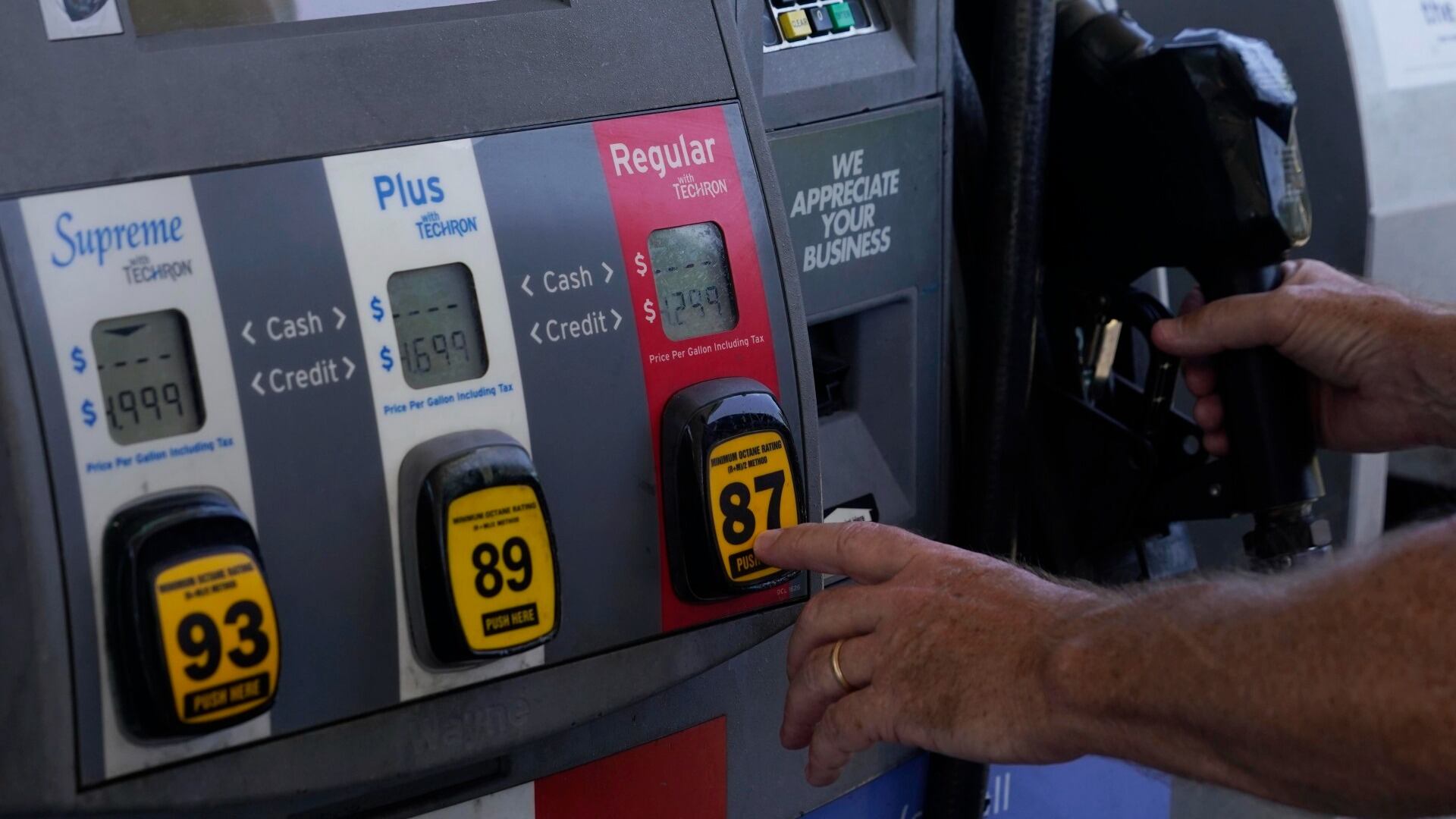
The national average for gas prices stood at about $3.78 a gallon on Tuesday — about 25 cents higher than that seen one month ago, according to motor club AAA. While today's prices at the pump remain far lower than they were last year, when energy costs soared worldwide in the months following Russia's invasion of Ukraine, experts say such a jump is unusual.