Larry Kudlow: Canada Should Study Our Deal With Mexico
*By Carlo Versano*
One day after President Trump and Mexican President Enrique Peña Nieto announced the framework for a bilateral trade deal, White House economic adviser Larry Kudlow used the latest U.S.-Mexico agreement "as an example" and told Cheddar it's up to Canada to join the negotiations.
"Canada should study how we put this together," Kudlow said Tuesday during an interview on the north lawn of the White House.
The bilateral framework, which Trump has said may replace NAFTA and what he calls its "bad connotations," was constructed mainly around the auto sector. It will be difficult to enforce without Canada's participation in a trilateral agreement, given various supply-chain complications.
The White House is hoping it can use an agreement with Mexico to force the Canadians back to the table, but it's too early to predict whether that will happen, the National Review's Jack Crowe said Tuesday in a separate interview on Cheddar.
"The optics of them coming to the table at this late stage \[will be\] tough," Crowe said. He added that the administration's positioning of Monday's announcement as a big win may be premature.
Nonetheless, Kudlow said the administration is proud of the progress.
"I don't think a lot of people thought we'd get a Mexico deal," he said.
Resale platforms do big business – and Mercari just became the first in the U.S. to eliminate all fees for sellers and completely changed how returns work on its platform.
e.l.f.’s affordable price point and makeup and skincare options made it a social media darling – and the company’s CEO says the company even gets product ideas from its audience.
Nearly 40% of Americans choose travel over financial stability, funding trips on credit and sacrificing other budget line items to take a vacation — because live fast or die trying.
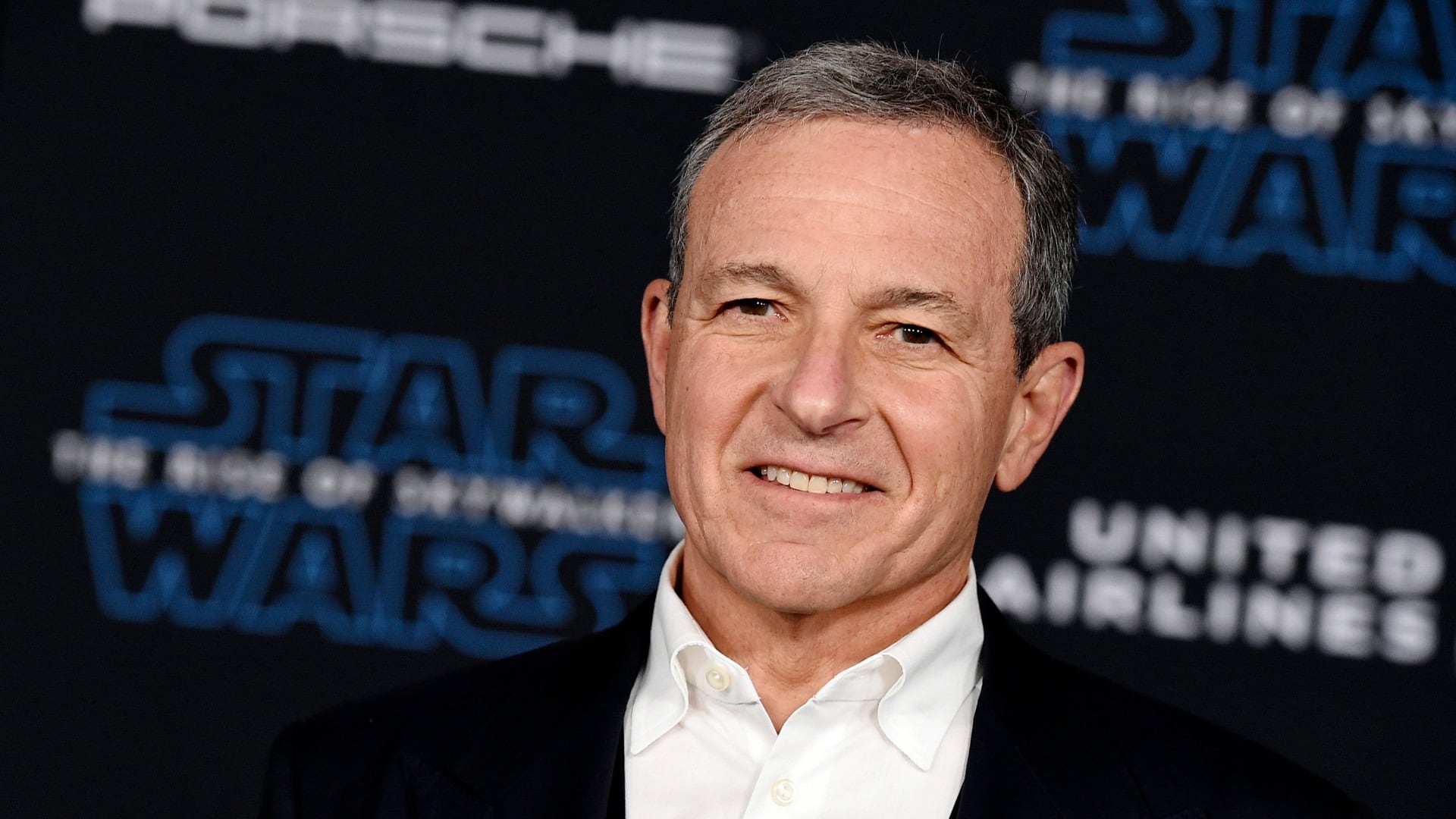
Disney shareholders have rallied behind longtime CEO Robert Iger. They voted Wednesday to rebuff activist investor Nelson Peltz and his ally, former Disney chief financial officer Jay Rasulo.
Student loan borrowers have the ability to earn retirement funds pegged to their payments – and the company Summer might be bringing it to your workplace.
It might not be what investors want to hear… but bringing down inflation could mean interest rates stay higher for (even) longer. But it's not all downside.