*By Amanda Weston*
Grocery chain Kroger launched a new delivery service Wednesday to compete with industry giants Amazon and Walmart.
[Kroger Ship](https://ship.kroger.com/) offers more than 50,000 products to online shoppers in Cincinnati, Houston, Louisville, and Nashville. The chain aims to lure new customers with curated options, free shipping for orders over $35, and discounts.
Online shopping accounts for about 2 percent of the American food-and-beverage market, but it's rapidly expanding.
"When you look at all these new channels in the industry, they are growing extremely, extremely fast," Yael Cosset, Kroger's chief digital officer, said Thursday in an interview with Cheddar.
This isn't Kroger's first attempt at online delivery. The grocery chain has offered delivery service from almost half its 2,800 stories through Instacart.
The new service represents the chain's ambition to make shopping easier for its customers ー and help keep its brick and mortar businesses stable.
"The direct interaction with some of the fresh assortment ー produce, meat, seafood, cheese ー experiential engagement is still very important to them," he said. "They do, however, still want the convenience and simplicity that a digital engagement can offer."
Kroger is going up against Amazon, a formidable competitor, [which sold](https://www.wsj.com/articles/kroger-to-launch-grocery-delivery-service-1533117720) about $650 million worth of food items in the second quarter, up 40 percent from 2017.
As for Kroger Ship's future, Cosset said digital partnerships will also play a major role in growth.
For more on this story, [click here](https://cheddar.com/videos/kroger-introduces-kroger-ship-delivery-service).
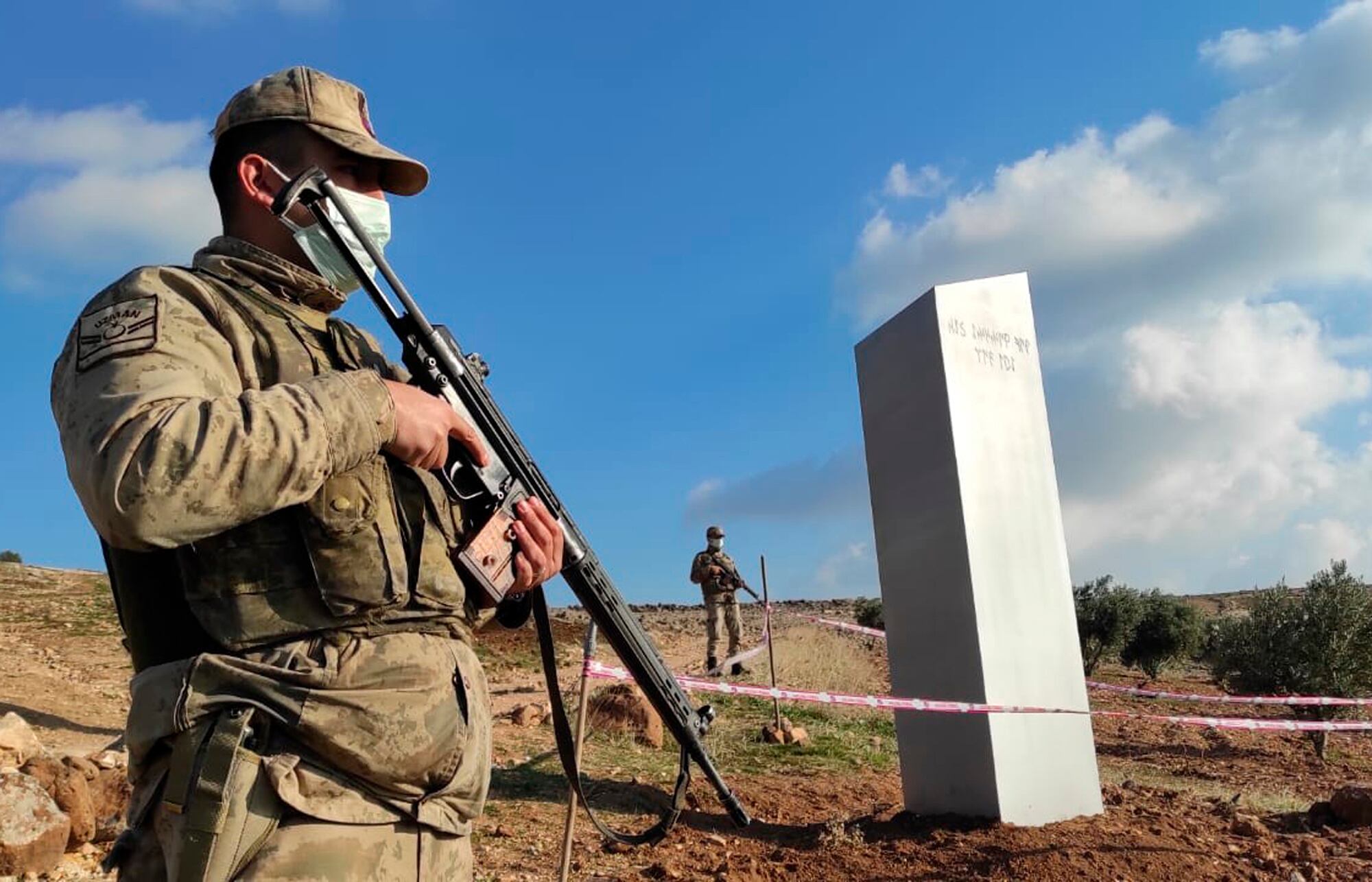
A mysterious metal monolith has disappeared four days after it was discovered.
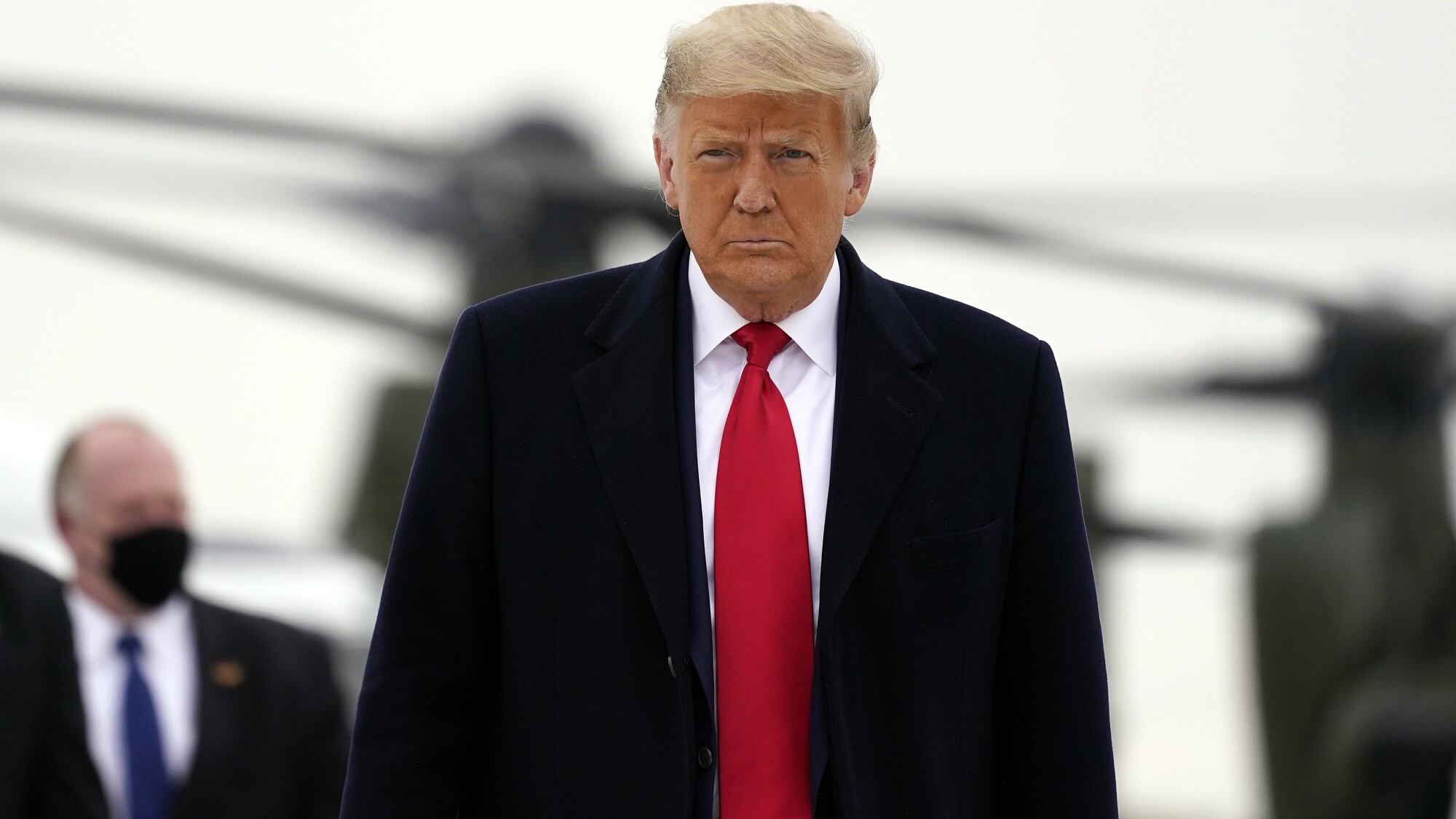
Jill and Carlo are talking impeachment, the debate over the minimum wage, Fauci's vaccine strategy, and how the media did Britney Spears dirty in the early 2000s. Plus, some special guest hosts coming up and other housekeeping.
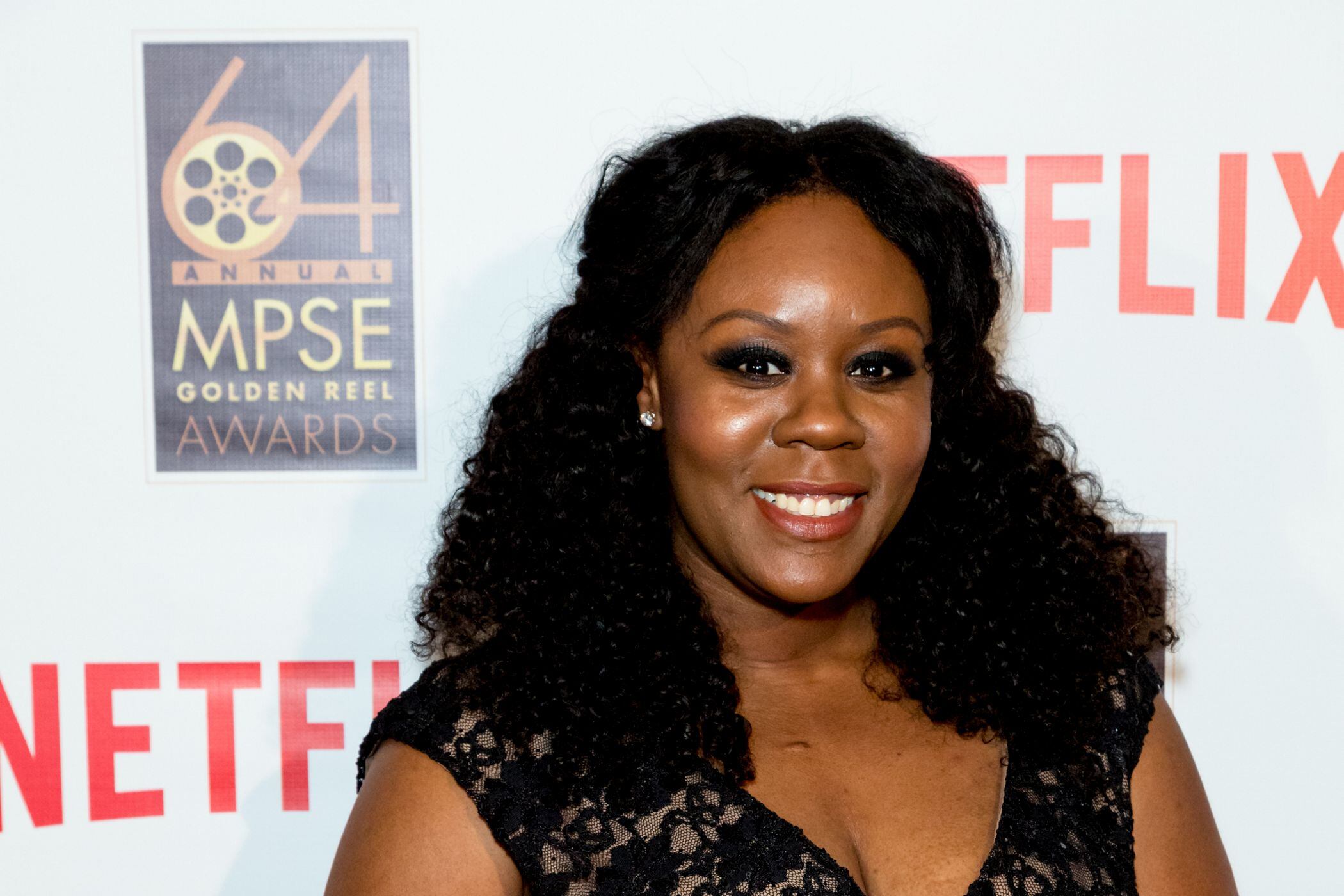
Andrene Ward-Hammond, who plays Big Mo on Showtime's "Your Honor" talks to Cheddar about how the limited series reflects the ongoing issues of inequity in the U.S. criminal justice system.
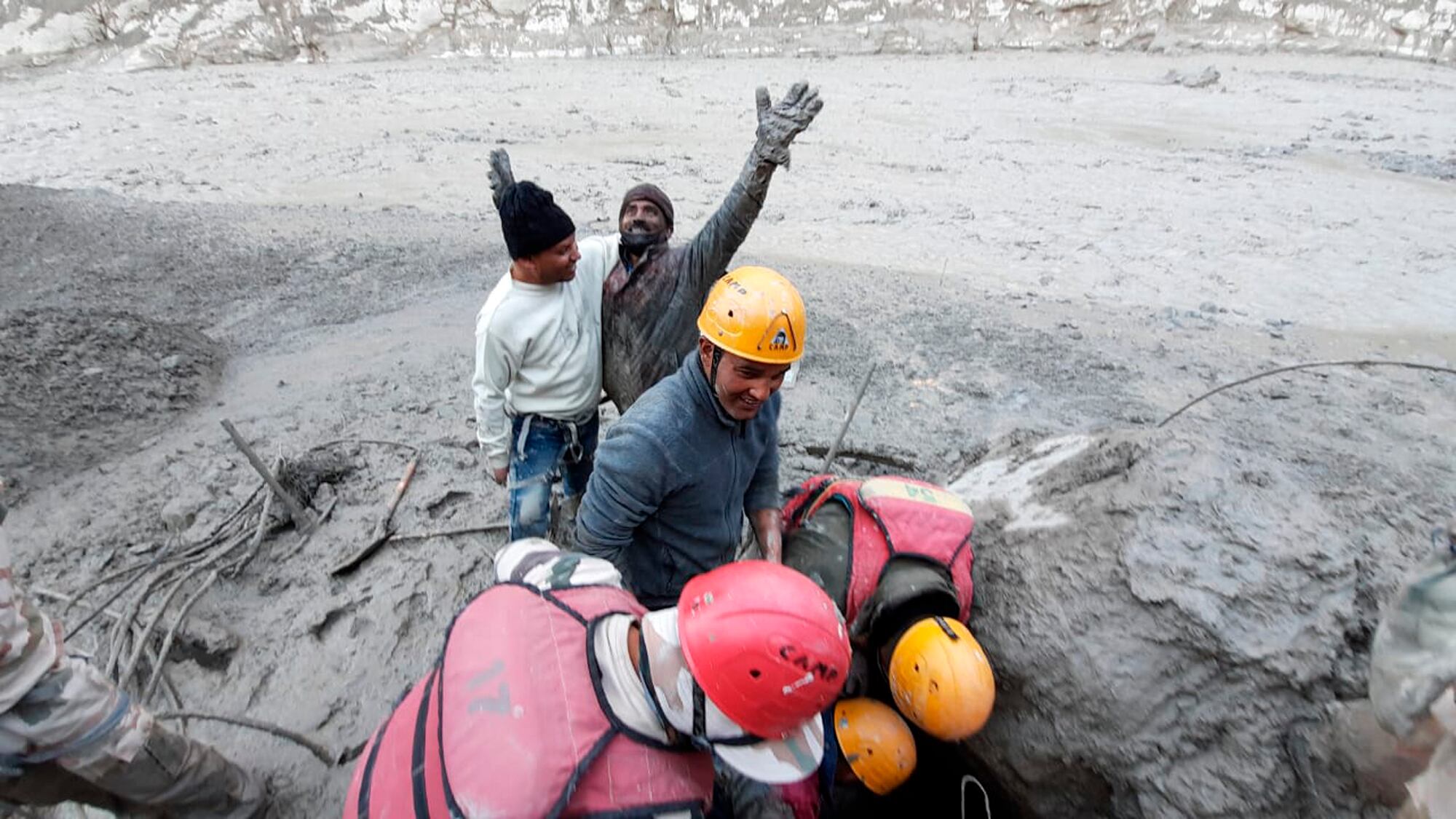
Rescuers in northern India are working to rescue more than three dozen power plant workers trapped in a tunnel after part of a Himalayan glacier broke off and sent a wall of water and debris rushing down a mountain.
In the 1920s, an army of real estate boosters set out to redefine Florida from an economic backwater to a ritzy vacation destination, sparking a land boom — and bust — the likes of which America had never seen before.
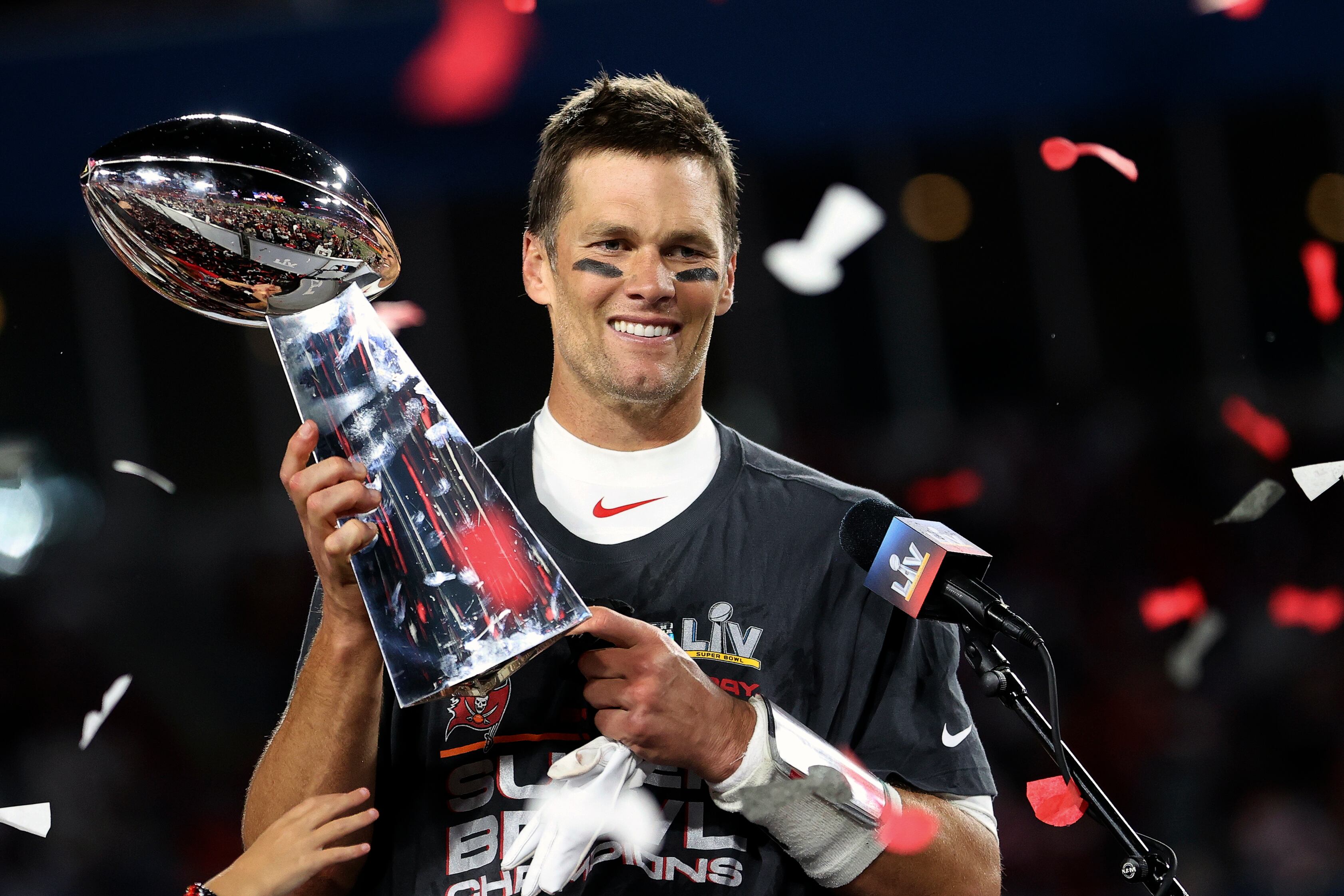
Jill and Carlo talk Super Bowl 55: Tom Brady gets the last laugh, The Weeknd gets mixed reviews, and the commercials we're still talking about. Also, the good news and bad news on Covid.
It's Big Game time and Frito-Lay says it knows people will reach for the chips, dip, and other savory, salty, or sweet treats more than ever.
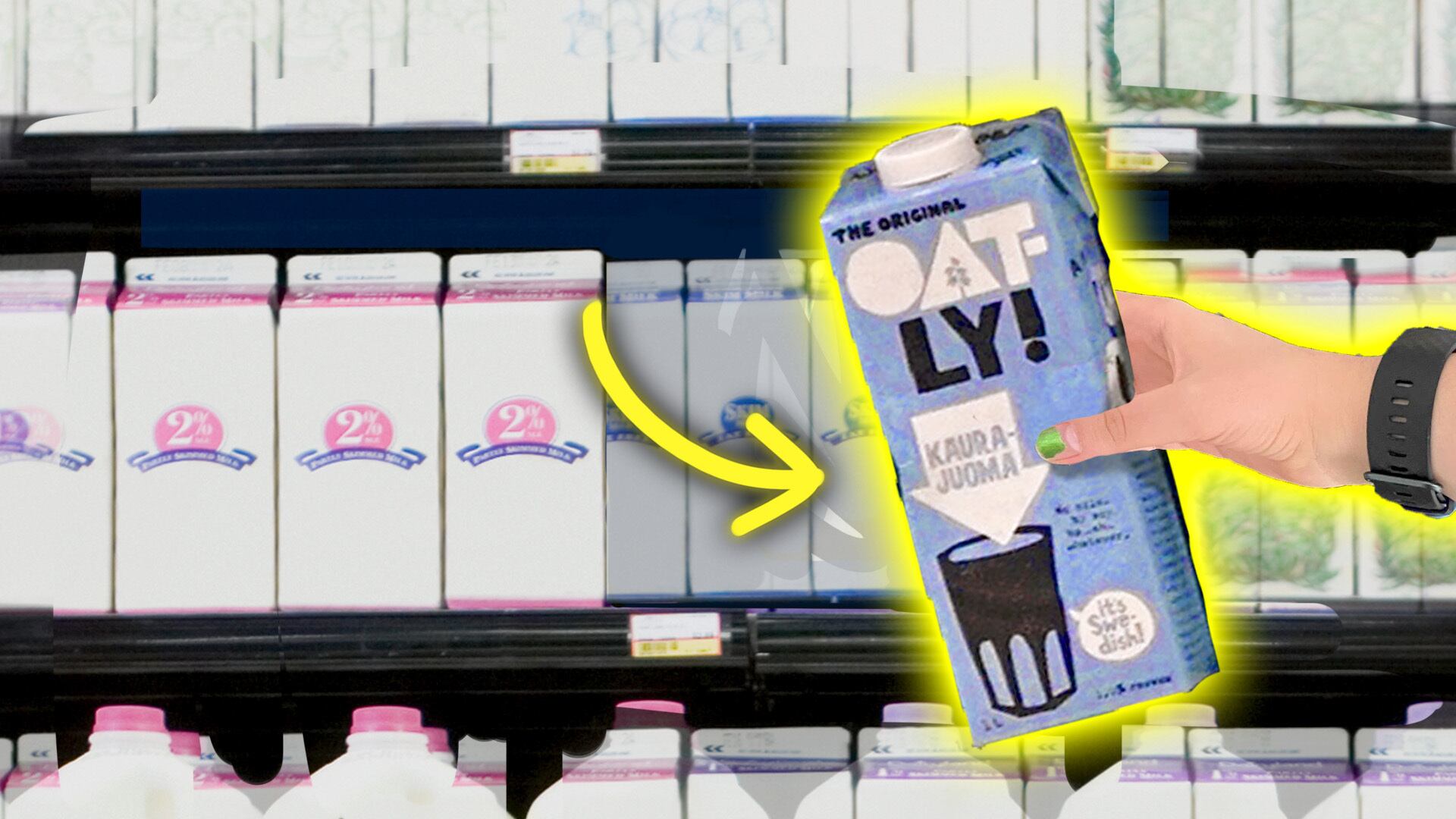
Despite the dairy industry spending over $30 million dollars between 2005 and 2010, they may not have a stranglehold on the market anymore.
Jill and Carlo end the week with several promising developments on the pandemic, from plummeting hospitalization numbers to record vaccinations. Plus, can Tom Brady play an underdog in the Super Bowl? And Love, Hate, Ate!
It took just one tweet from Rihanna to anger the Indian government and supporters of Prime Minister Narendra Modi’s party.