Voting in the 2020 election kicks off today, exactly nine months before Election Day, as Iowans gather at more than 1,600 caucus sites to pick their favorite candidate.
Candidates have been criss-crossing the Hawkeye State for more than two months (Andrew Yang and Amy Klobuchar have clocked in the most Iowa-time, spending 71 and 67 day there, respectively). The Iowa Caucuses are famous for person-to-person campaigning. It’s not just about making your picks inside a private voting booth — citizens can be swayed by their neighbors throughout the night to ditch their initial pick for nominee and go with a different candidate.
Many young voters will enter politics for the first time tonight, and during the day Cheddar caught up with a precinct captain at the University of Iowa.
While those in Iowa waited all day for tonight’s main events, caususes were also held overseas and Senator Elizabeth Warren got off to an early lead in Paris — one of three global sites where, for the first time, Iowans who are out of the country be able to participate in the Democratic caucuses.
Back in Iowa tonight the caucuses are underway and some caucusgoers brought their talking points to support their favorite candidates. Others brought liquid courage.
Now that the doors have closed across gymnasiums, community centers and libraries across the state, voters will pick their top choice. But some voters came in planning to vote for one candidate, only to meet another and change before the caucus even started.
So how does it work? This about sums it up.
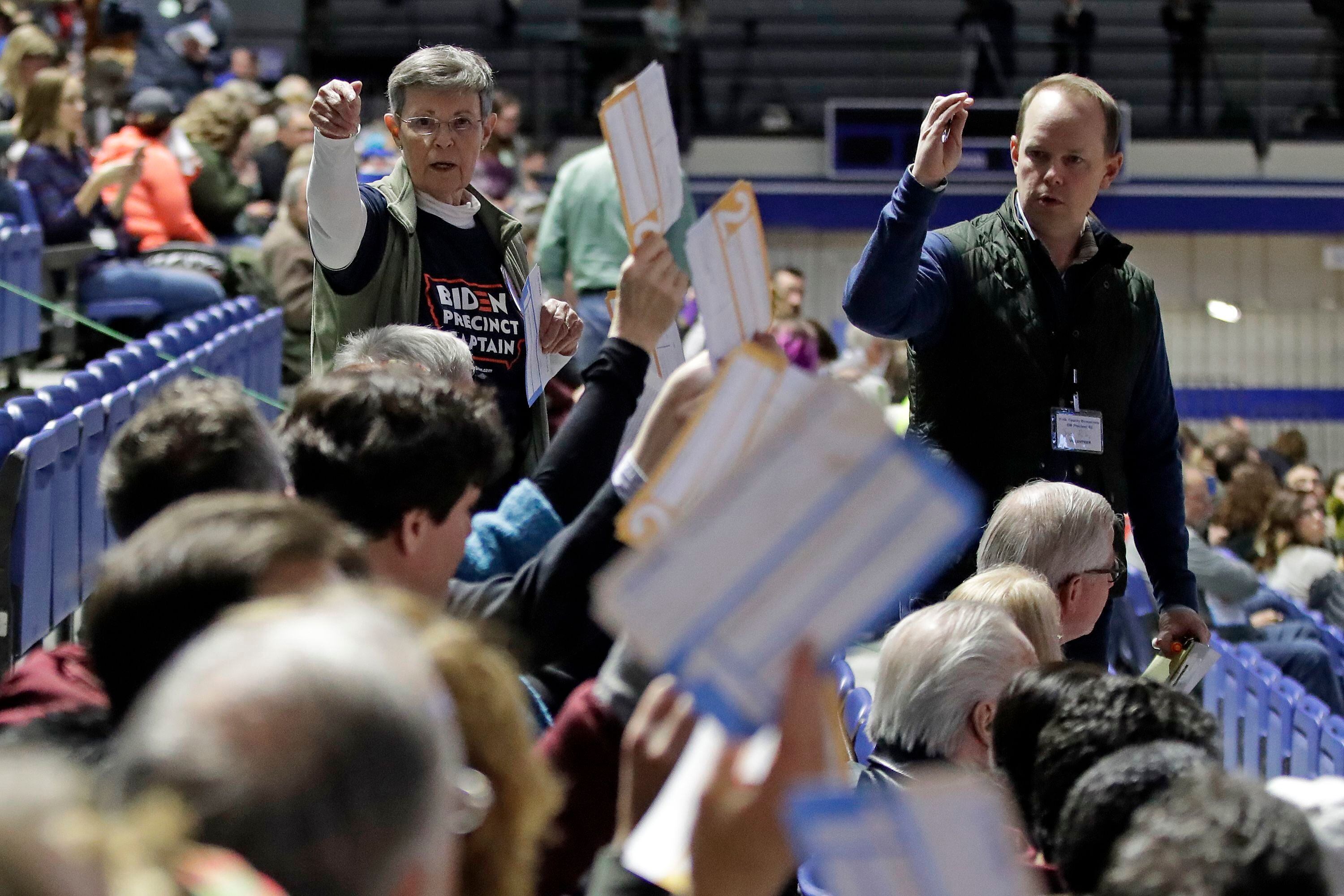
At the Des Moines Knapp Center, Iowans are making moves into candidate corners. For those who have never seen how a caucus works, it's literally people moving to their respective corners.
Any candidate who gets at least 15 percent in most cases is considered a “viable” candidate and their supporters are locked into their choice.
But if a candidate gets less than 15 percent of the caucus, they are considered “not viable” and their supporters can opt to either move to another candidate’s corner or convince fellow caucusgoers to join them.
Of course, that begs the question: Is it humane or harsh that voters have to ditch their pick if they’re not viable?
Of course, only Americans over 18 can caucus today (or those who will be 18 by Election Day), but it's never too early to get a civics lesson!
The caucus has moved into the realignment phase — when citizens try to talk neighbors into switching camps. And when all else fails, there’s always a good ol’ fashioned coin toss.
Moving into the 11pm ET hour, it looks like there’s been a hitch in the caucuses’ giddyup.
Iowa appears to be reporting more results than in elections past, adding to the delay.
Although Iowa results are still forthcoming, Sen. Amy Klobuchar decided to go ahead and speak to her supporters around 11:30pm ET. So, with only 41 delegates of the required 1,991 needed to win the Democratic nomination up for grabs tonight, the ability shape her narrative tonight may count for something.
Yet Sen. Bernie Sanders remains confident...the results will come eventually.
Former VP Joe Biden says he’s feeling good...but he’s ready to move on to the next big event: New Hampshire!
But as the clock struck midnight (ET) on Iowa Caucus night, and the results escaped our grasp, many in the Twitter-verse agreed:
President Biden announced a ban on Russian oil and natural gas imports to the U.S. in response to its invasion of Ukraine, a move he warned could lead to an even greater surge in gas prices. The ban is prompting a conversation about the current oil production levels in the U.S. and whether or not the industry can ramp up production to soften the blow to American families at the gas pump. Clark Williams-Derry, Energy Finance Analyst with the Institute for Energy Economics and Financial Analysis, breaks down the state of the U.S. oil industry and how the ban might impact production levels here at home.
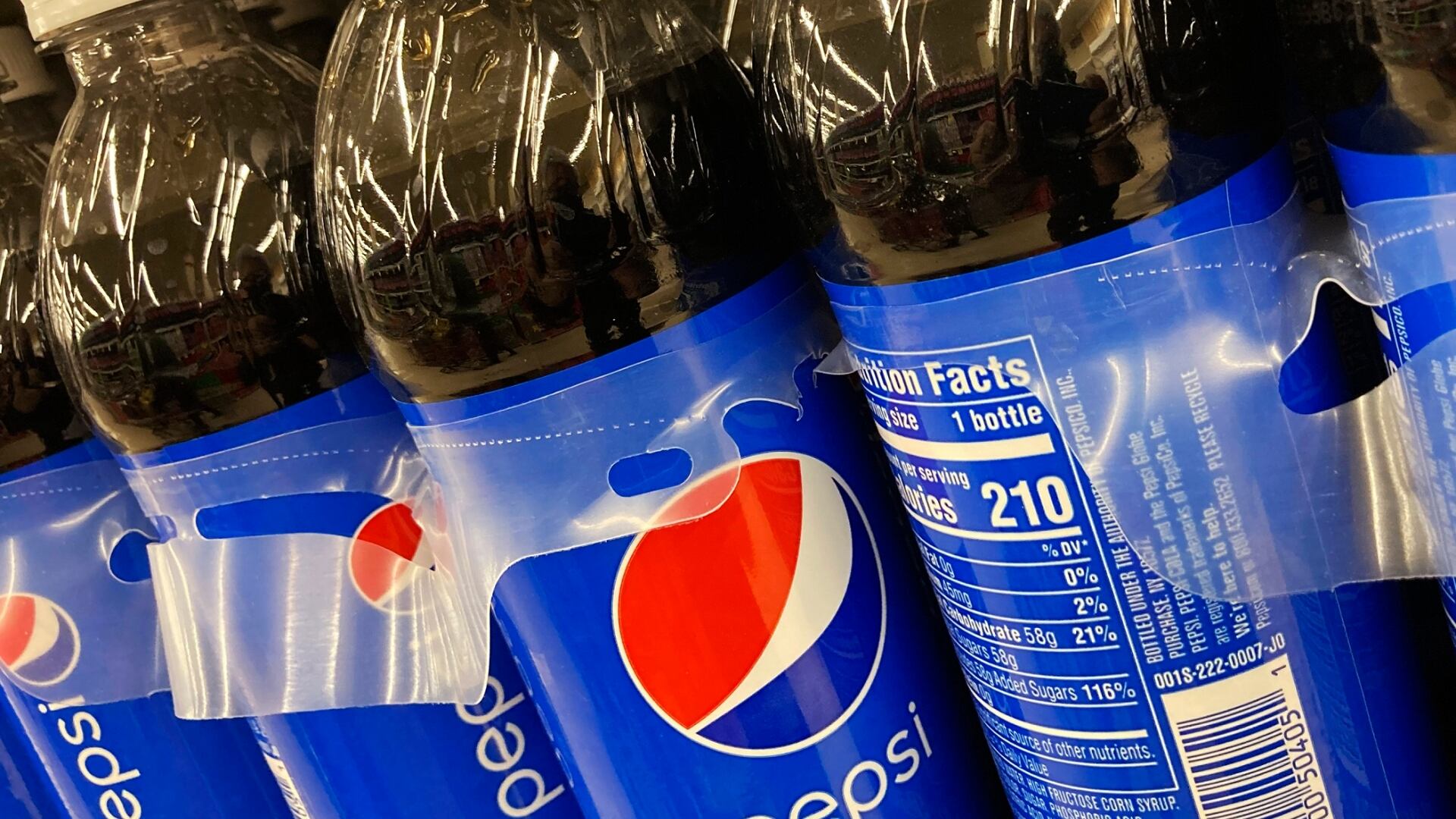
PepsiCo, Coca-Cola, McDonald’s, and Starbucks are the latest American food brands to have halted business operations in Russia after having faced scrutiny and criticism for originally failing to do so amid the country's invasion of Ukraine.
As Russia intensifies its war on Ukraine, President Biden announced a ban on oil imported from the aggressor nation. Critics of Russia have said this would be the best way to force Putin to pull back, but curbs on Russian oil exports are expected to send already skyrocketing oil and gas prices even higher, further impacting consumers, businesses, financial markets, and the global economy. Leslie Beyer, CEO of the Energy Workforce and Technology Council, joined Cheddar News' Closing Bell to discuss. "It's certainly going to increase pricing, but it is the right thing to do," she said. "The industry itself has already pulled out of the significant portion of its operations in Russia."
Sports Betting in the U.S. is booming. According to industry experts, we could see another boom this year as more states move towards statewide legalization of sports wagering. While this comes as huge news for fans, there are some very real concerns as to whether or not sports betting potentially poses a threat to public health. Senior Clinician at the Caron Treatment Centers, Eric Webber, joined Cheddar to discuss more.
The Biden administration has made gender policy a core part of how it governs. The president established the first Gender Policy Council. It's on the same level as the National Security Council, Domestic Policy Council and National Economic Council, putting the interests of women and other underserved groups at the table for the most important policy discussions.
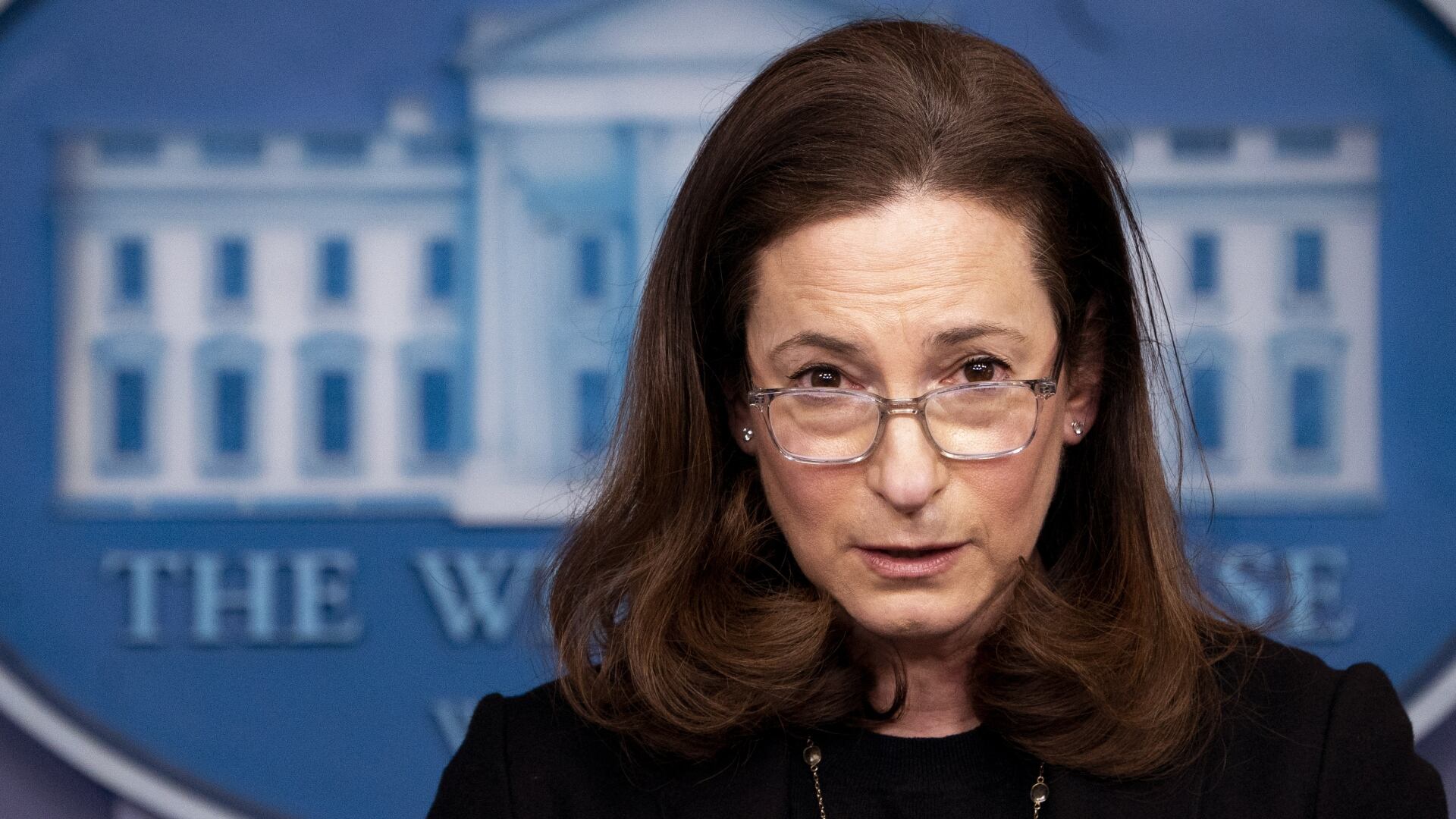
Cheddar News sat down with Jennifer Klein, executive director and co-chair of the White House Gender Policy Council, to discuss the council's work and its significance during Women's History Month.
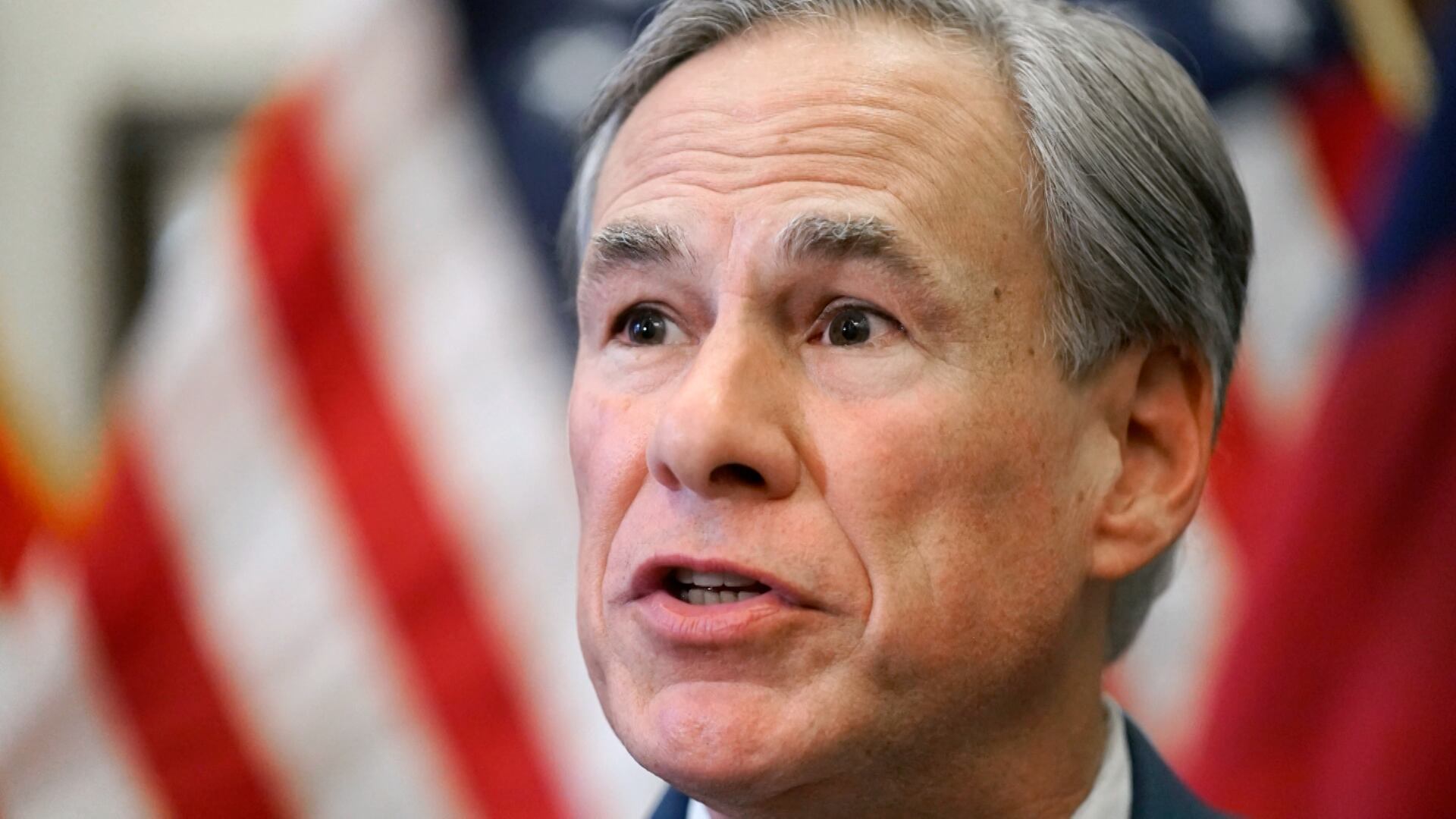
State Representative Jessica González, Vice Chair of the Texas House LGBTQ Caucus, joins Cheddar News to discuss the latest Texas anti-transgender directive.
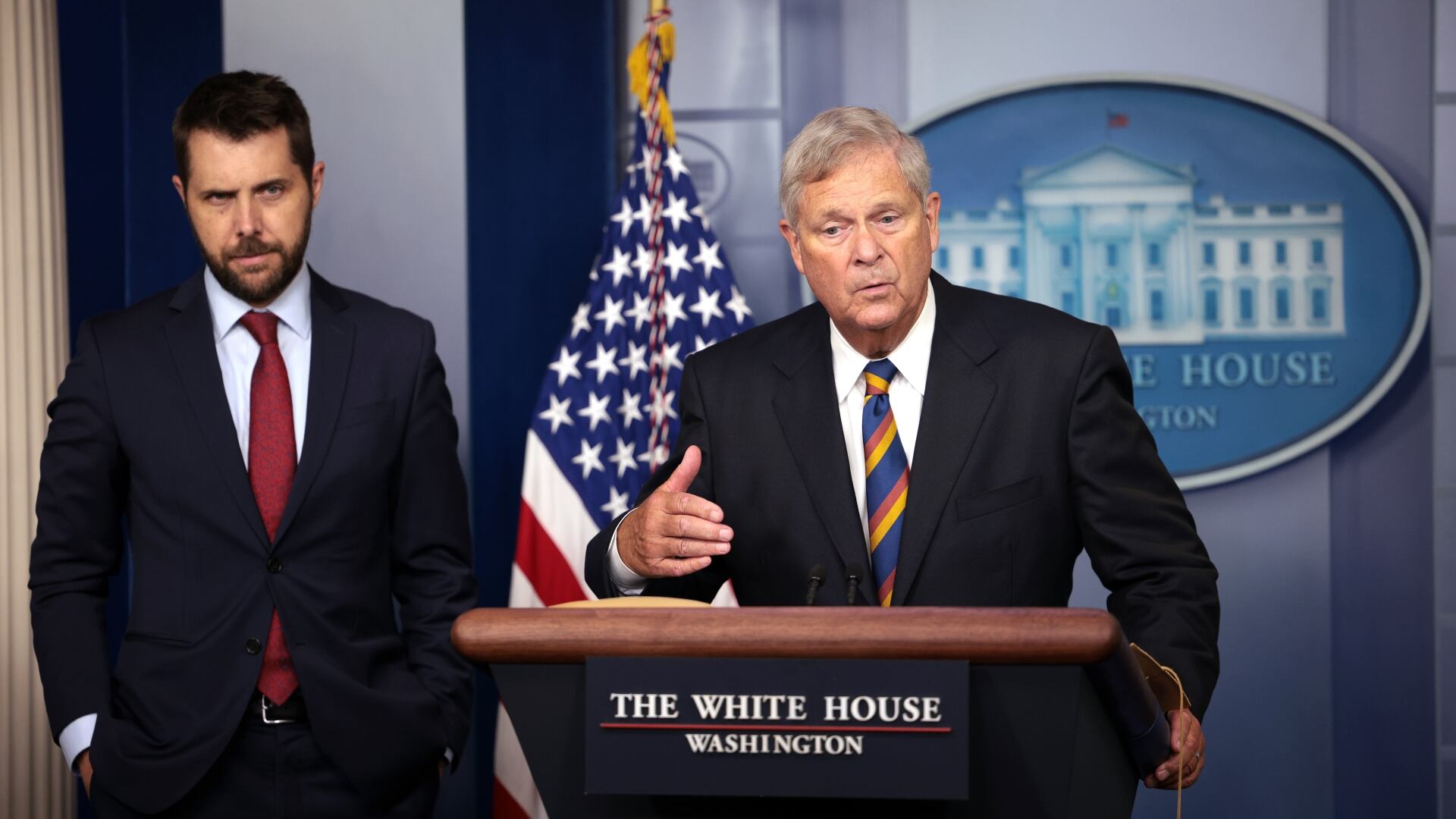
The United States Secretary of Agriculture, Tom Vilsack joins None of the Above to discuss the newly emerging conflict in Europe, what it means for agriculture in the states, dairy and meat consumption, and how the department is planning to promote climate-smart agriculture.
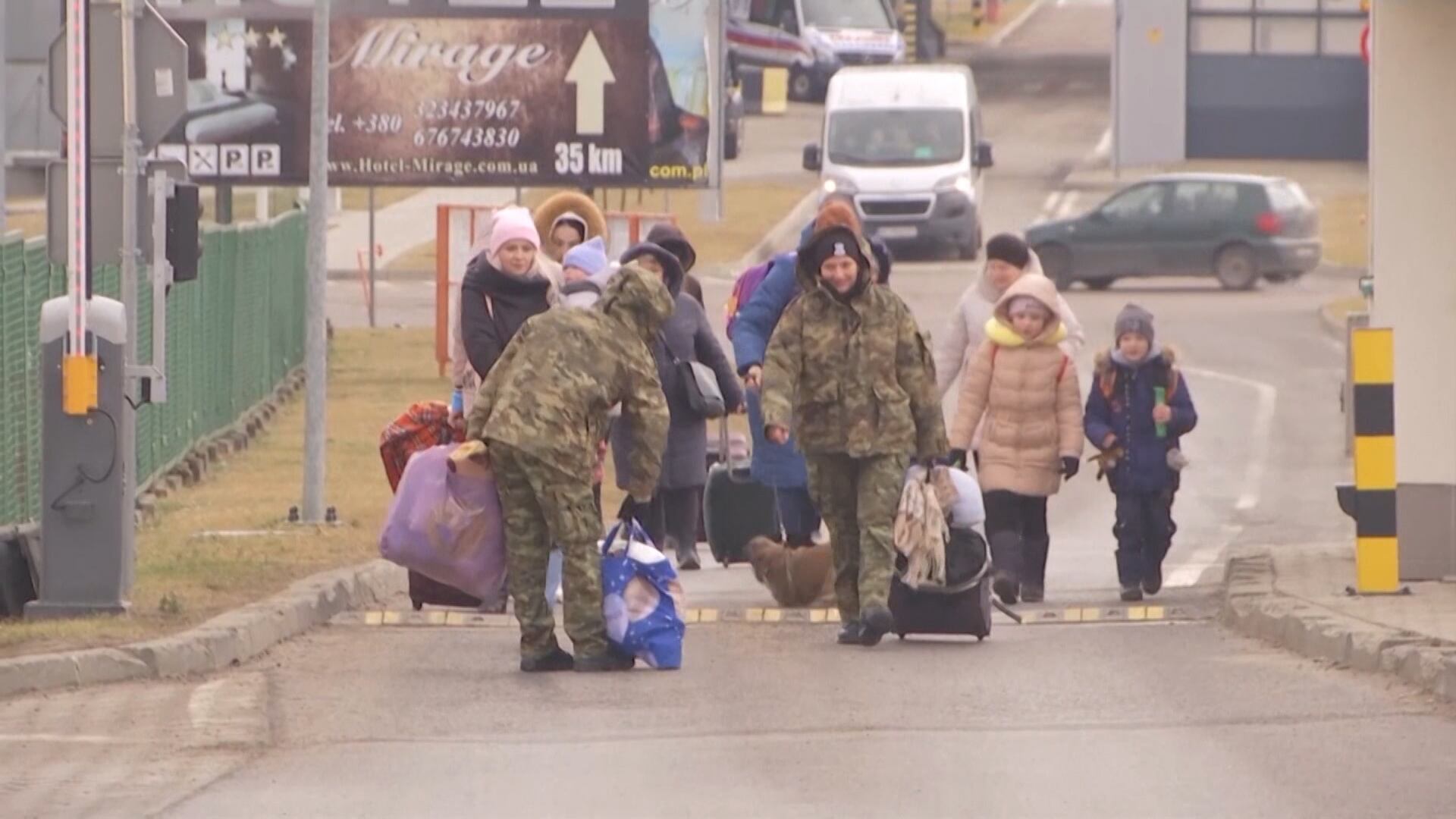
Tens of thousands of people have fled Ukraine in attempts to escape the Russian Invasion. According to the U.N. neighboring countries like Poland, Hungary, and even Romania have seen half a million refugees. While the hospitality is being welcomed by many, it also highlights the mistreatment of migrants and refugees from the Middle East and Africa. Professor of Philosophy and Director of Politics at Northeastern University Serena Parekh, joined Cheddar, to discuss more.
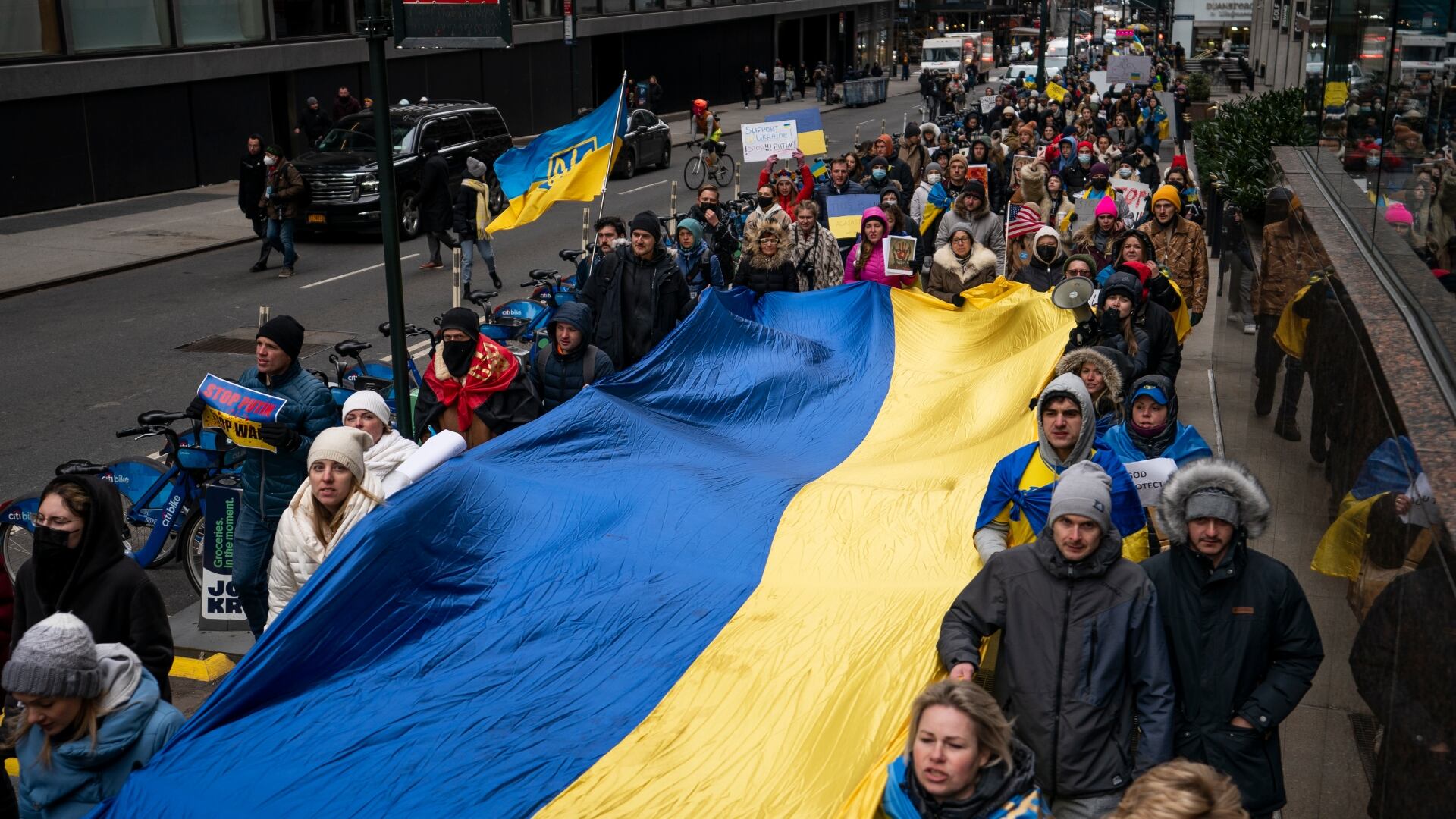
As Russia unleashed war in the country of Ukraine, global leaders have started inflicting punishment on Vladimir Putin's regime via commercial and financial penalties. According to President Joe Biden Putin's aggression is "a flagrant violation of international law and it demands a firm response from the international community".However, the main question is will these sanctions actually work. Partner at Jenner & Block LLP, Rachel Alpert, joined Cheddar to discuss more.