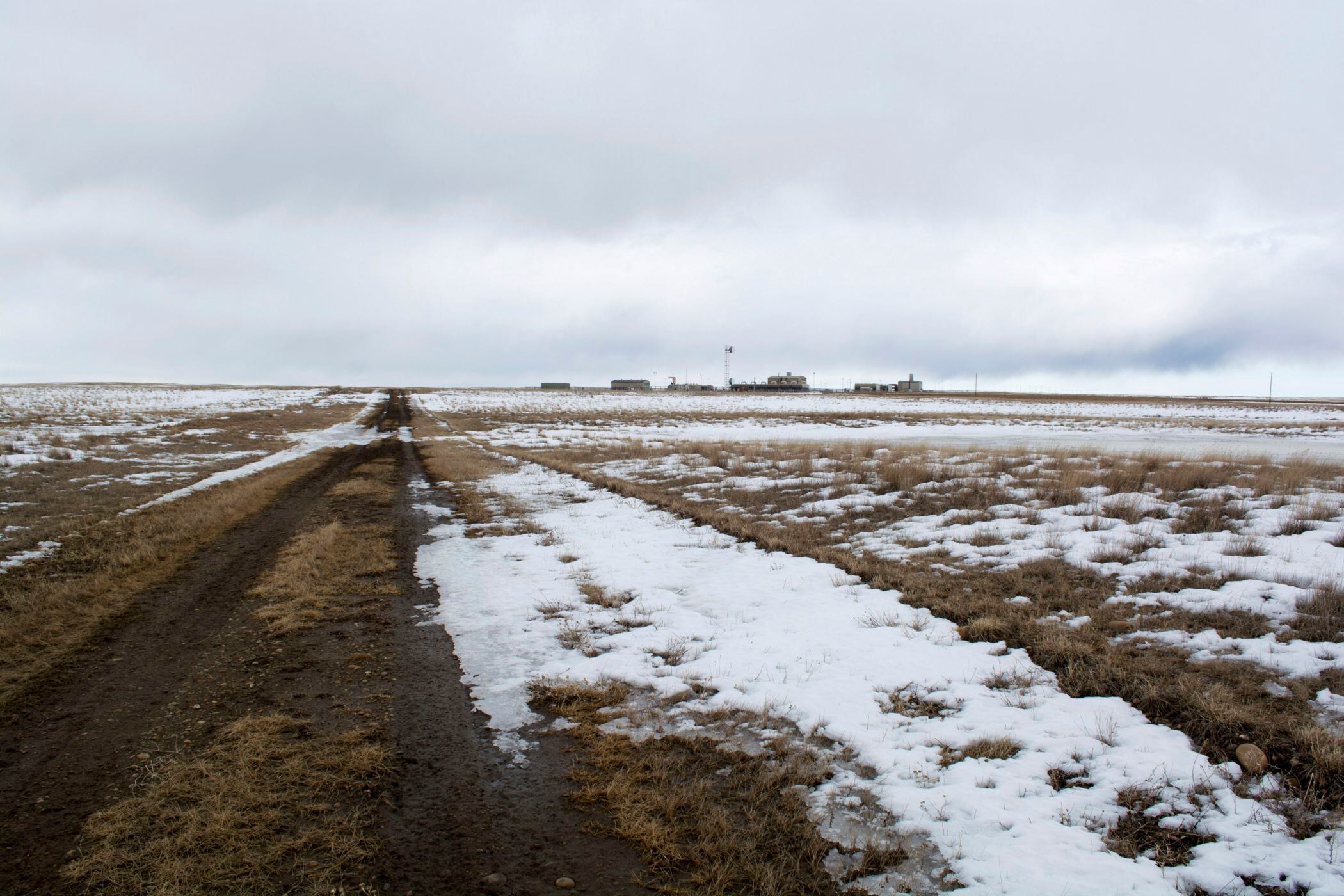
This March 11, 2020 photo provided by the Bureau of Land Management shows the proposed route of the Keystone XL oil pipeline where it crosses into the U.S. from Canada in Phillips County, Montana. (Al Nash/Bureau of Land Management via AP)
By Rob Gillies
The Canadian company behind the Keystone XL oil pipeline said Wednesday it has suspended work on the pipeline in anticipation of incoming U.S. President Joe Biden revoking its permit.
Biden’s Day One plans included moving to revoke a presidential permit for the pipeline.
The 1,700-mile (2,735-kilometer) pipeline would carry roughly 800,000 barrels of oil a day from Alberta to the Texas Gulf Coast, passing through Montana, South Dakota, Nebraska, Kansas, and Oklahoma.
“As a result of the expected revocation of the Presidential Permit, advancement of the project will be suspended,” the Calgary, Alberta-based company said in a statement.
First proposed in 2008, the pipeline has become emblematic of the tensions between economic development and curbing the fossil fuel emissions that are causing climate change. The Obama administration rejected it, but President Donald Trump revived it and has been a strong supporter. Construction already started.
Kirsten Hillman, Canada’s ambassador to the United States, said Canada needs to move on now that Biden has made a decision.
“Of course we’re disappointed. We worked hard over the past number of months trying to make the case for Keystone XL," Hillman told the Canadian Broadcasting Corporation.
“He had made a commitment during his campaign and he lived up to that commitment. I think we have to accept that and move forward.”
Prime Minister Justin Trudeau raised Keystone XL as a top priority when he spoke with Biden in a phone call in November. The project is meant to expand critical oil exports for Canada, which has the third-largest oil reserves in the world.
Jason Kenney, premier of the oil-rich province of Alberta, said late Tuesday he urged Trudeau to tell Biden that “rescinding the Keystone XL border crossing permit would damage the Canada-US bilateral relationship.”
Trudeau and Biden are politically aligned and there are expectations for a return to normal relations after four years of Trump, but the pipeline is an early irritant as Biden has long said he would cancel it.
Trudeau has tried to balance the oil industry’s desire for more pipelines with environmentalists’ concerns. He canceled one major pipeline to the Pacific coast from oil-rich Alberta, but approved another and instituted a national carbon tax.
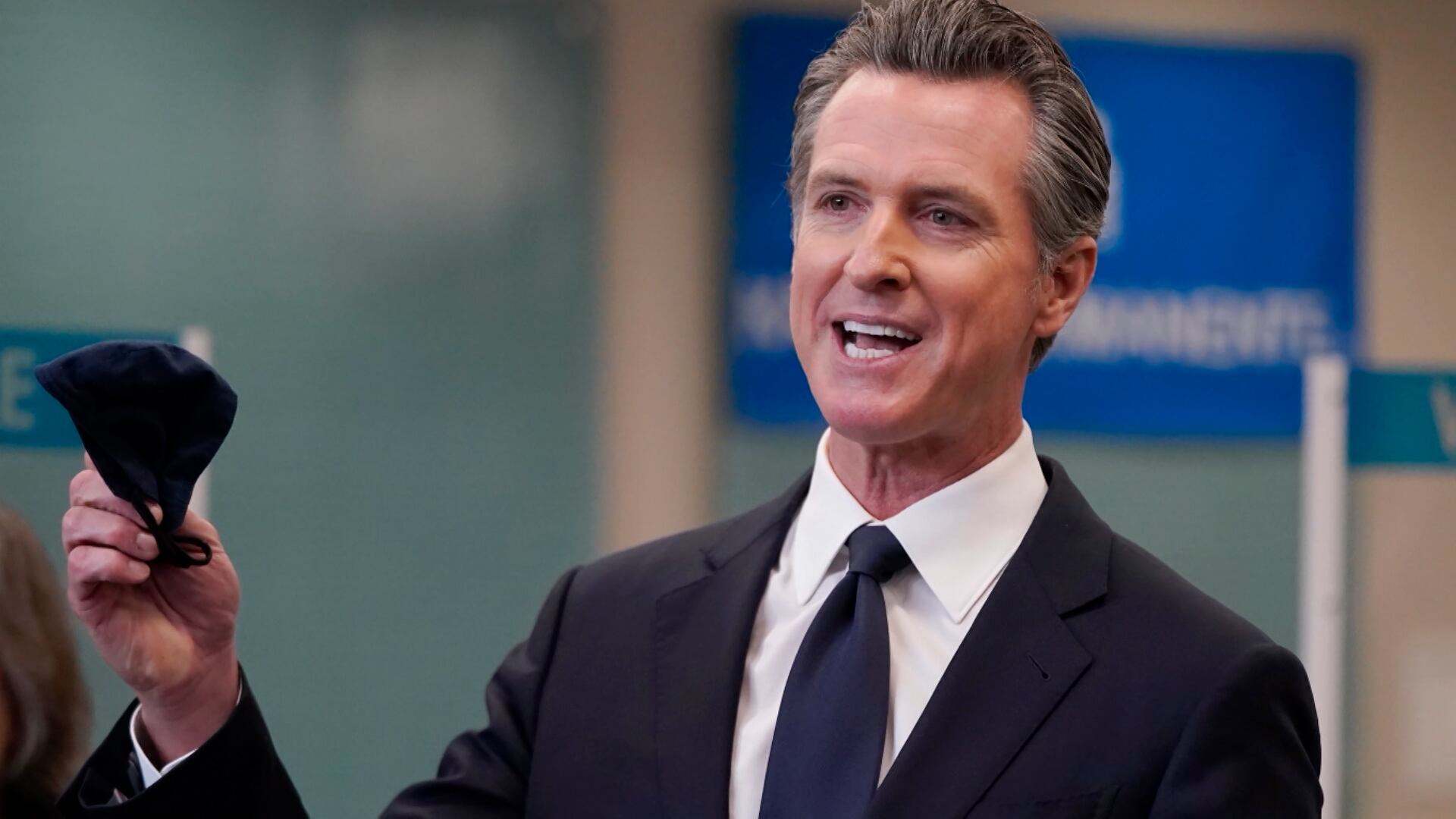
California Governor Gavin Newsom is projected to keep his job. Around two-thirds of the votes have been reported, and roughly 64% of those votes are in favor of keeping Newsom as their governor.
Daniel Strauss, senior political correspondent at The New Republic, joined Cheddar's Opening Bell to discuss more about what Newsom's win means to both political parties moving into Midterm elections season.
The Department of Justice is suing Texas over the state's new abortion law that prohibits abortions after six weeks, well before many women even know they're pregnant. The lawsuit argues the law is unconstitutional under long-standing Supreme Court precedent. It was filed last week in federal court in Texas, but could go all the way to the high court within weeks. Josh Blackman, a constitutional law professor at South Texas College of Law Houston, discusses the DOJ lawsuit and what it could mean for other abortion laws across the country.
26 states have now fully vaccinated more than half of their population with Vermont, Connecticut, and Massachusetts fully vaccinating at least two-thirds of their residents. These three states are among the ones with the lowest new Covid-19 cases per capita, but in states with low vaccination rates, hospitals are filling up again.
Dr. Rob Davidson, ER doctor and executive director of Committee to Protect Health Care, joined Cheddar's Opening Bell to discuss more.
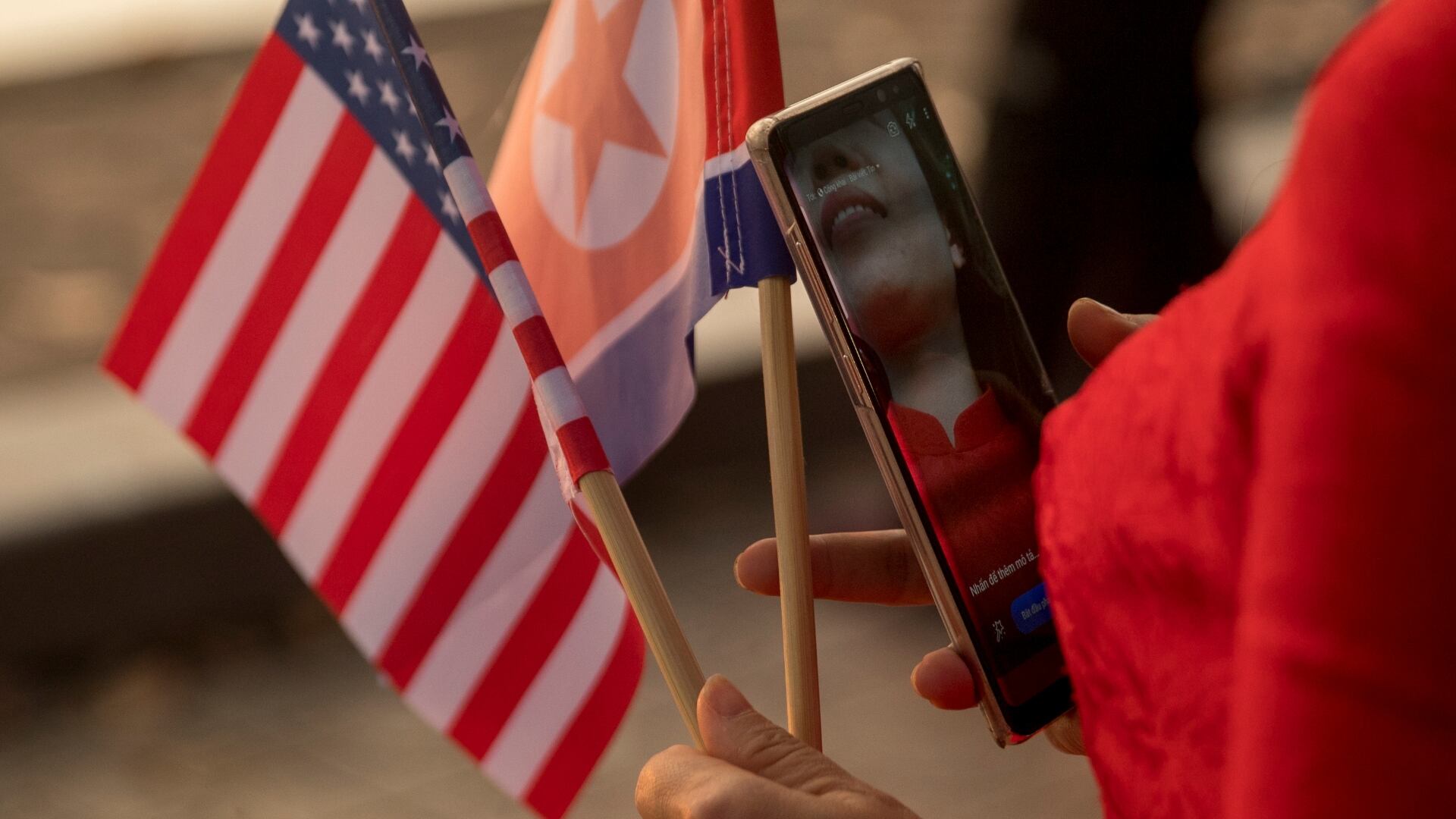
The Biden Administration has officially extended a ban on a Trump-era policy that prohibits traveling with a U.S. passport to North Korea. The extension is expected to last until August 2022. The ban was initially enforced after the death of Otto Warmbier, who entered a vegetative state while in North Korean custody. Advocates against the ban argue that it has caused crippling impacts on Korean Americans who have not been able to reunite with their families back home. Senior Fellow at The Foundation For Defense of Democracies Anthony Ruggiero joined Cheddar's News Wrap to discuss more.