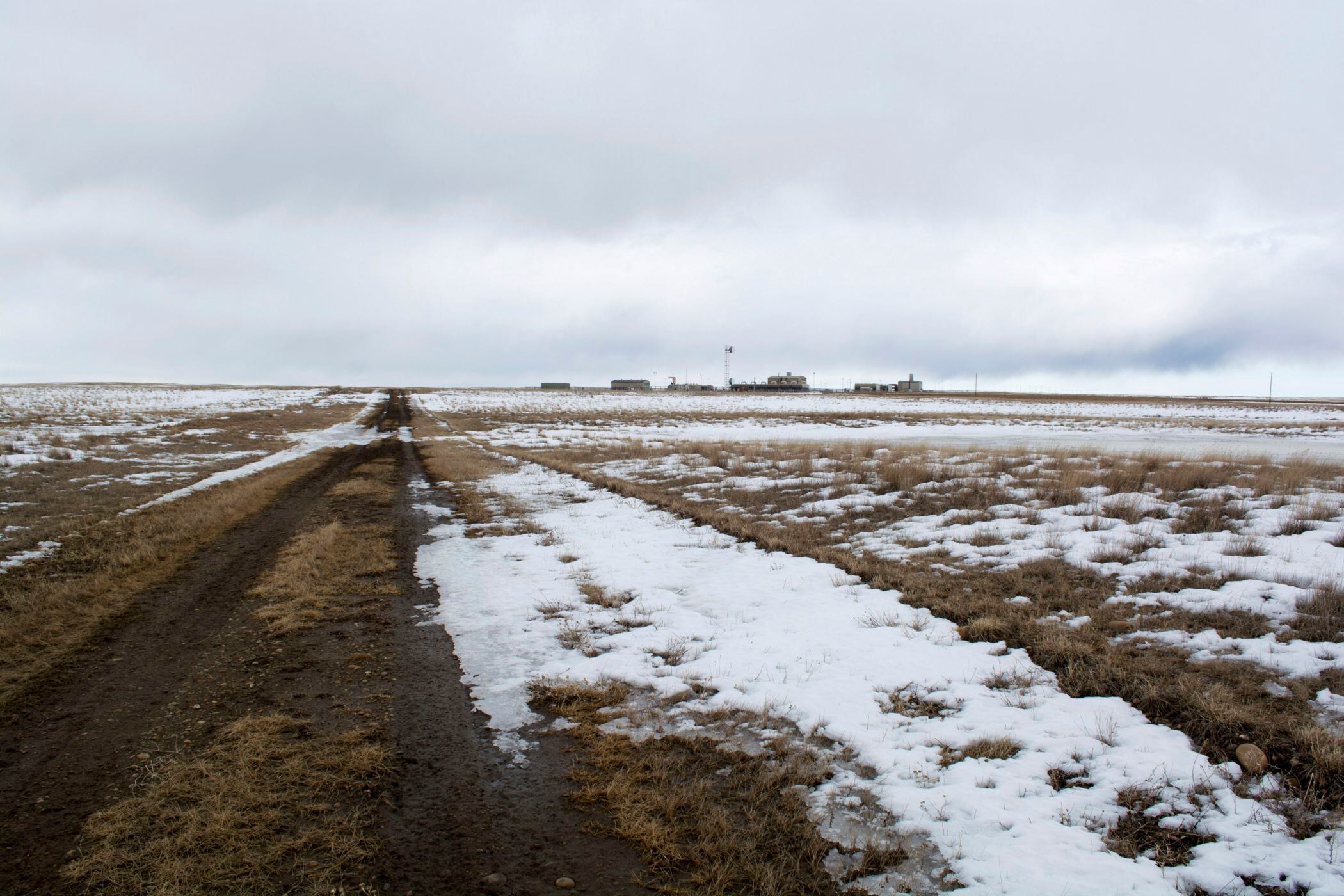
This March 11, 2020 photo provided by the Bureau of Land Management shows the proposed route of the Keystone XL oil pipeline where it crosses into the U.S. from Canada in Phillips County, Montana. (Al Nash/Bureau of Land Management via AP)
By Rob Gillies
The Canadian company behind the Keystone XL oil pipeline said Wednesday it has suspended work on the pipeline in anticipation of incoming U.S. President Joe Biden revoking its permit.
Biden’s Day One plans included moving to revoke a presidential permit for the pipeline.
The 1,700-mile (2,735-kilometer) pipeline would carry roughly 800,000 barrels of oil a day from Alberta to the Texas Gulf Coast, passing through Montana, South Dakota, Nebraska, Kansas, and Oklahoma.
“As a result of the expected revocation of the Presidential Permit, advancement of the project will be suspended,” the Calgary, Alberta-based company said in a statement.
First proposed in 2008, the pipeline has become emblematic of the tensions between economic development and curbing the fossil fuel emissions that are causing climate change. The Obama administration rejected it, but President Donald Trump revived it and has been a strong supporter. Construction already started.
Kirsten Hillman, Canada’s ambassador to the United States, said Canada needs to move on now that Biden has made a decision.
“Of course we’re disappointed. We worked hard over the past number of months trying to make the case for Keystone XL," Hillman told the Canadian Broadcasting Corporation.
“He had made a commitment during his campaign and he lived up to that commitment. I think we have to accept that and move forward.”
Prime Minister Justin Trudeau raised Keystone XL as a top priority when he spoke with Biden in a phone call in November. The project is meant to expand critical oil exports for Canada, which has the third-largest oil reserves in the world.
Jason Kenney, premier of the oil-rich province of Alberta, said late Tuesday he urged Trudeau to tell Biden that “rescinding the Keystone XL border crossing permit would damage the Canada-US bilateral relationship.”
Trudeau and Biden are politically aligned and there are expectations for a return to normal relations after four years of Trump, but the pipeline is an early irritant as Biden has long said he would cancel it.
Trudeau has tried to balance the oil industry’s desire for more pipelines with environmentalists’ concerns. He canceled one major pipeline to the Pacific coast from oil-rich Alberta, but approved another and instituted a national carbon tax.
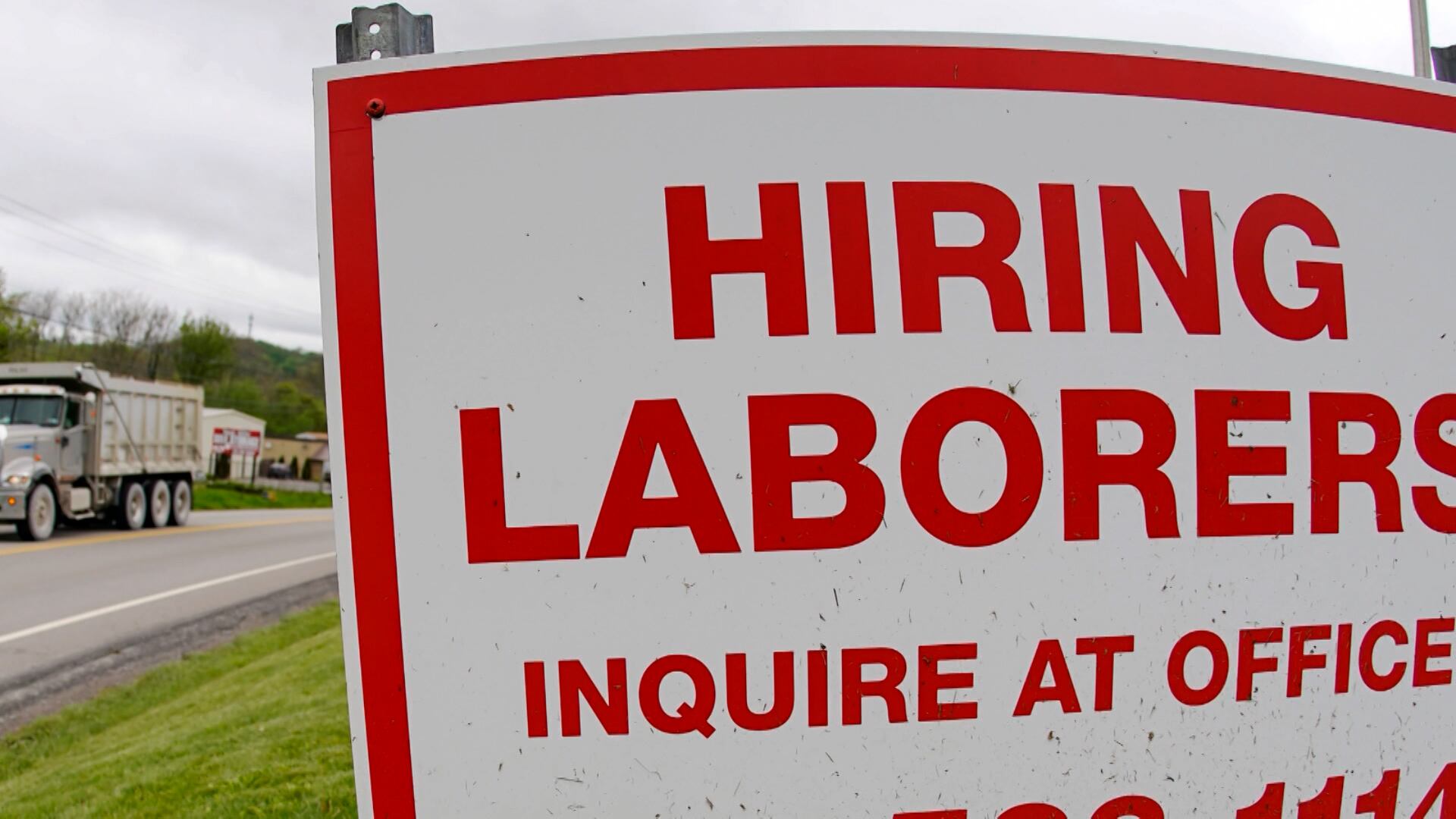
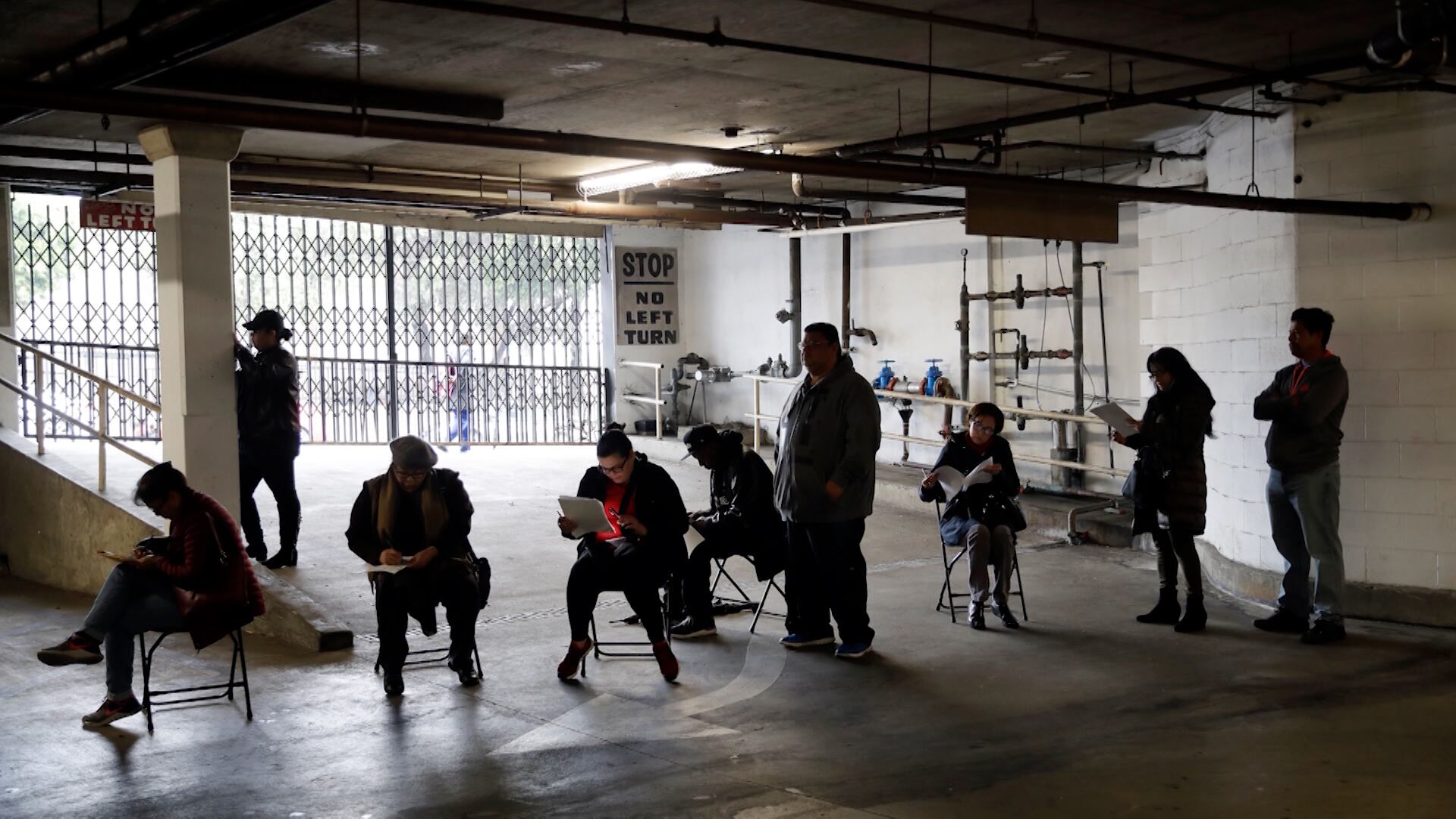
It's a mixed bag for the November jobs report. Hiring slowed last month as employers only added 210,000 jobs, massively missing the estimate of 550,000. But there was one bright spot: the unemployment rate fell to 4.2%, with the number of unemployed people dropping to 6.9 million. Both of those numbers are considerably down from their highs at the end of the 2020 recession. Heather Boushey, a member of President Biden's Council of Economic Advisers, joined Cheddar to discuss the report and the state of the country's ongoing economic recovery.
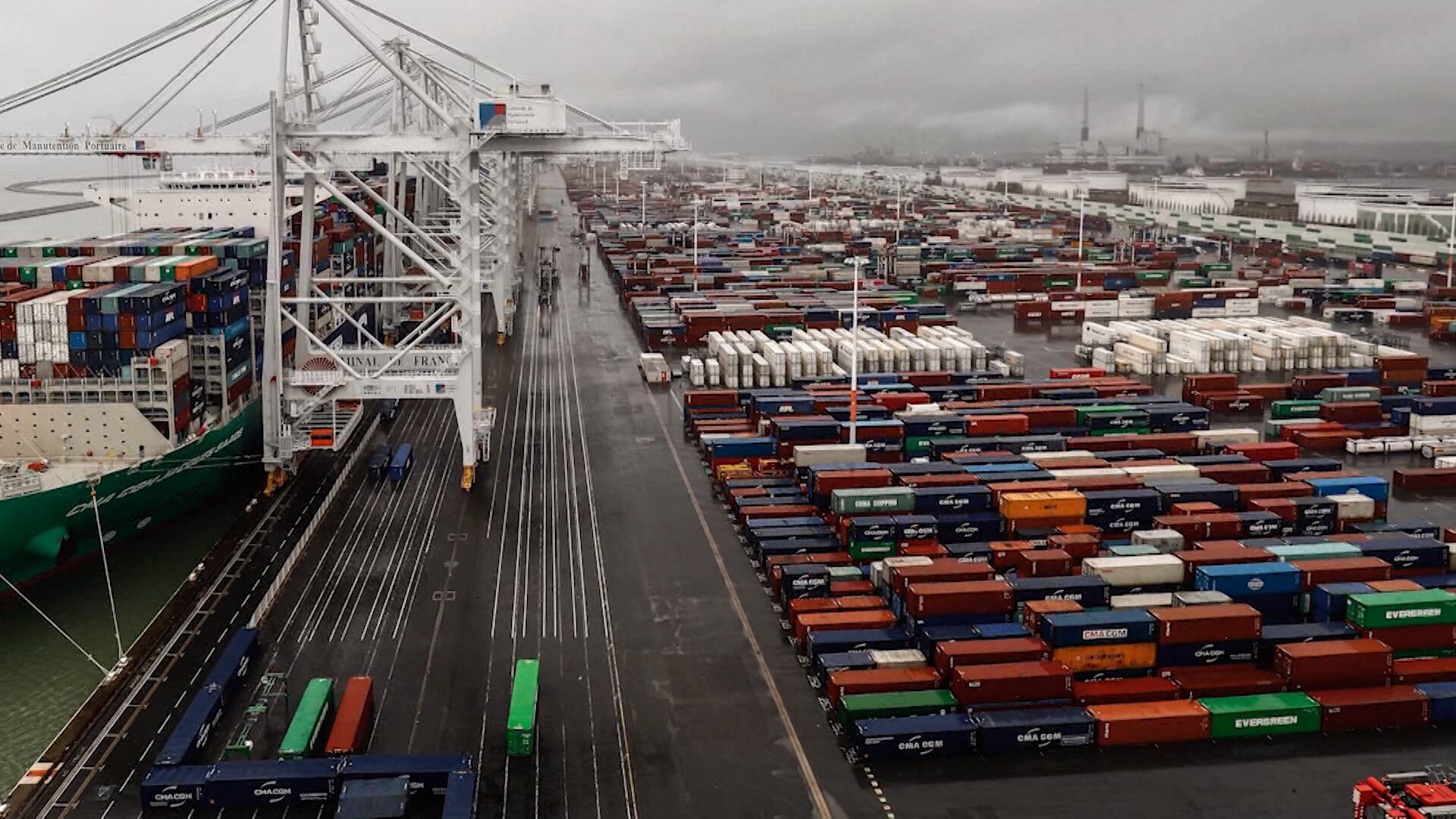
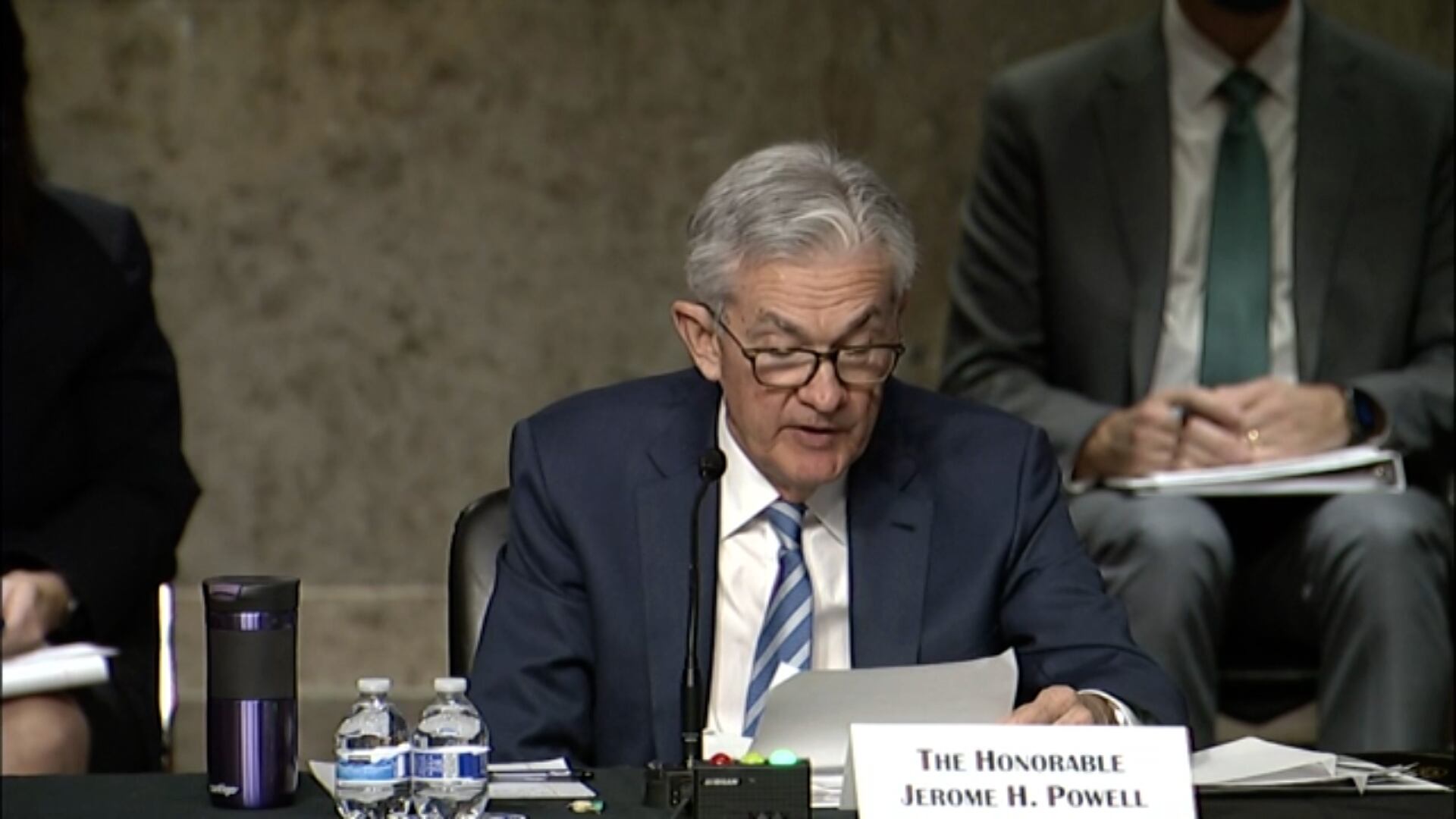
As the U.S. continues to face supply chain shortages, President Joe Biden is reassuring U.S. consumers that the supply chain is in "very strong shape" ahead of the all-important holiday season. As supply bottlenecks start to show signs of improvement, the industry may be faced with yet another challenge: the Omicron variant. Rob Caucci, Co-Founder & Co-CEO of Fillogic joined Cheddar's Opening Bell to discuss.
Markets rebounded Monday morning after Friday's deep sell-off that saw the Dow suffer its worse day since 2020. It comes as investors continue to react to the impact of the omicron variant on the broader reopening. Eddie Ghabour, Co-Owner at the Key Advisors Group joined Cheddar's Opening Bell to discuss.
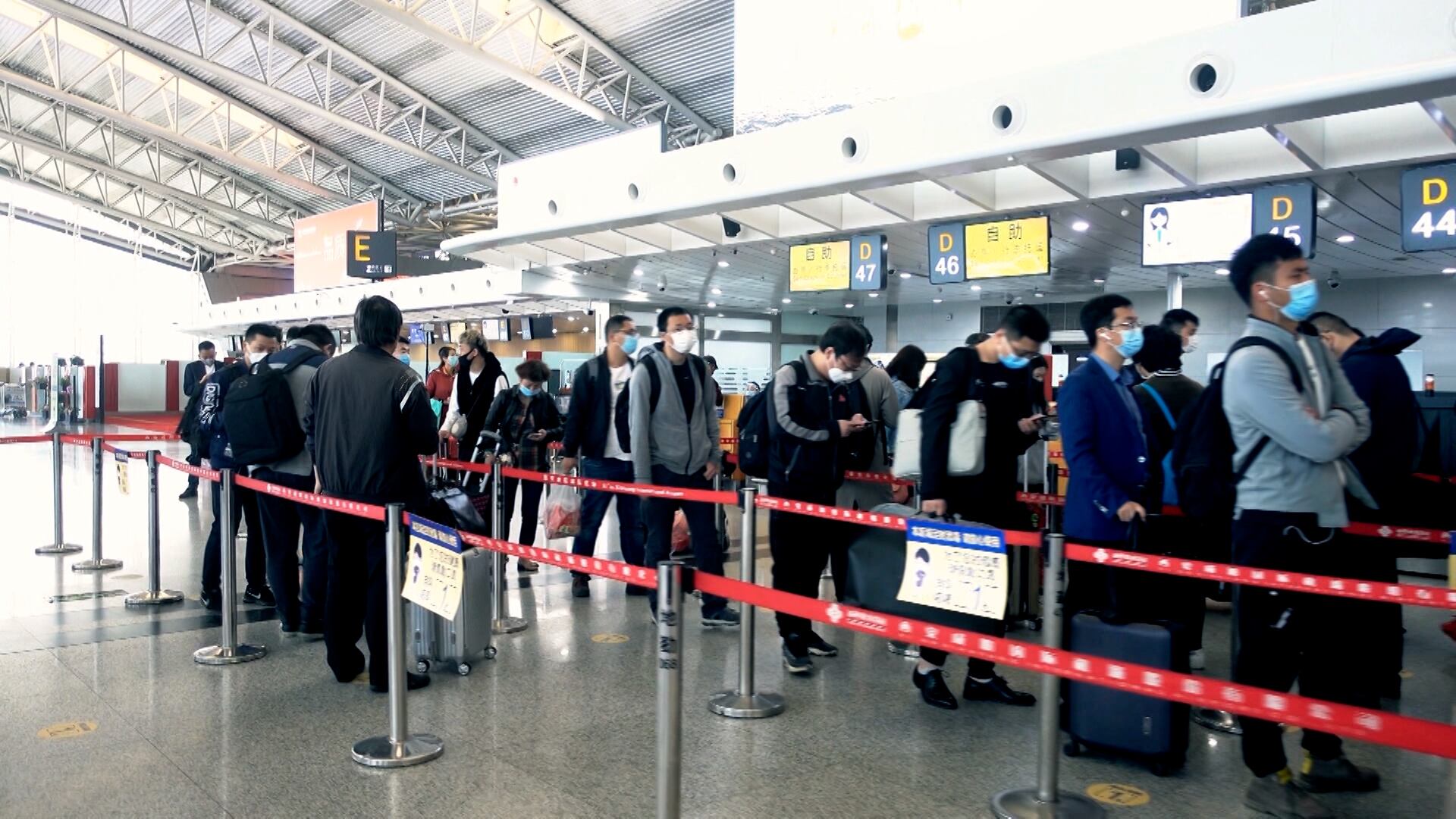
Markets bounced back this morning with travel leading the gains after plunging on Monday as the first case of Omicron was detected in the U.S. Jimmy Lee, CEO, Wealth Consulting Group joined Cheddar's Opening Bell to discuss.
The market saw investors react to comments by the World Health Organization's chief scientist, who suggested existing vaccines are likely to offer protection against the new variant. According to Thomas Hayes, chairman of Great Hill Capital, the next two weeks will be crucial as the markets watch for not only the effects of the Omicron variant, but also the Fed's decision on a taper.
It's Friday at long last. Jill and Carlo cover the latest on Omicron, including a possible superspreader event in NYC. Plus, previewing the November jobs report, a new Zoom feature no one asked for, and when it's no longer a good idea to eat Thanksgiving leftovers.
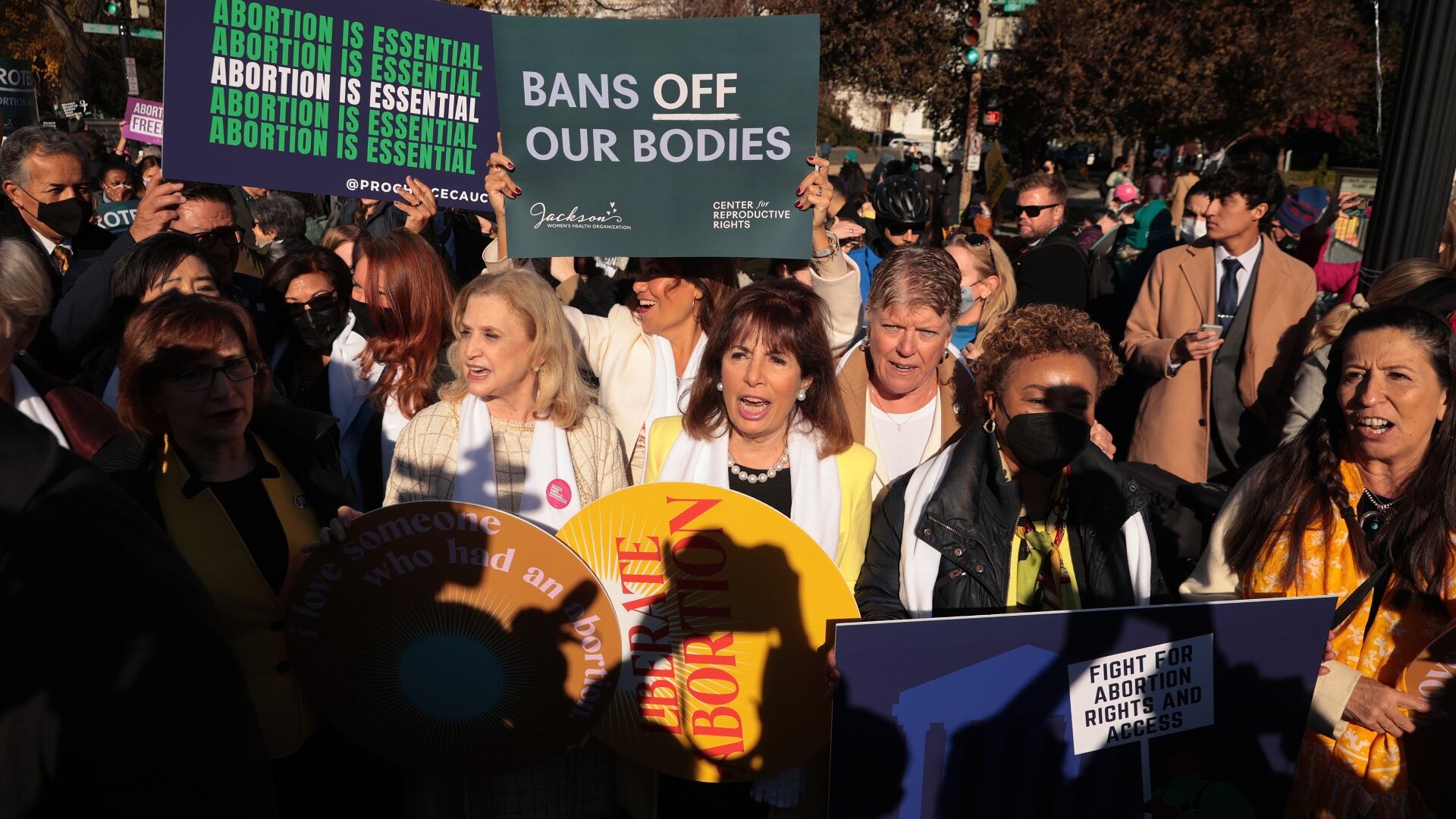
Following the Mississippi abortion case, the fate of Roe V. Wade is at stake. A decision is expected next summer, right around the time midterm candidates will be making their cases to voters. Laura Packard, executive director of Health Care Voter, joins Cheddar News to discuss how the ruling will impact upcoming elections.
Stock markets around the world continue to be impacted by fears of the new Omicron COVID-19 variant. President Biden today reiterated his stance that the new strain is cause for concern, but not cause for panic. Wells Fargo Investment Institute Global Equity Strategist Scott Wren joined Cheddar News' Closing Bell to discuss.