A new study from the American College of Cardiology has found that the popular ketogenic or "keto" diet may contribute to higher levels of "bad cholesterol" and a twofold increase in the risk of heart attacks and strokes.
“Our study found that regular consumption of a self-reported diet low in carbohydrates and high in fat was associated with increased levels of LDL cholesterol— or “bad” cholesterol—and a higher risk of heart disease,” said Dr. Iulia Iatan, MD, PhD, lead author of the study and attending physician-scientist at the Healthy Heart Program Prevention Clinic in St. Paul’s Hospital.
“To our knowledge, our study is one of the first to examine the association between this type of dietary pattern and cardiovascular outcomes.”
The study points out that depriving the body of carbohydrates such as bread, pasta, and rice forces the body to break down fat for energy instead. This breakdown produces ketones in the liver, hence the name keto. Advocates for this type of diet suggest obtaining 60 to 80 percent of calories from fat.
By comparing this low-carbohydrate, high-fat (LCHF) diet with a more standard diet, the study found that it elevated levels of LDL cholesterol in some people, which is known to elevate the risk of heart disease.
Before starting this dietary pattern, they should consult a healthcare provider," Iatan said. "While on the diet, it is recommended they have their cholesterol levels monitored and should try to address other risk factors for heart disease or stroke, such as diabetes, high blood pressure, physical inactivity and smoking.”
Mindmed has entered a partnership with NYU Langone and will invest $5 million in psychedelic treatments. JR Rahn, Mindmed CEO, joined Cheddar to discuss how the company can help patients suffering from mental health issues and other illnesses like addiction.
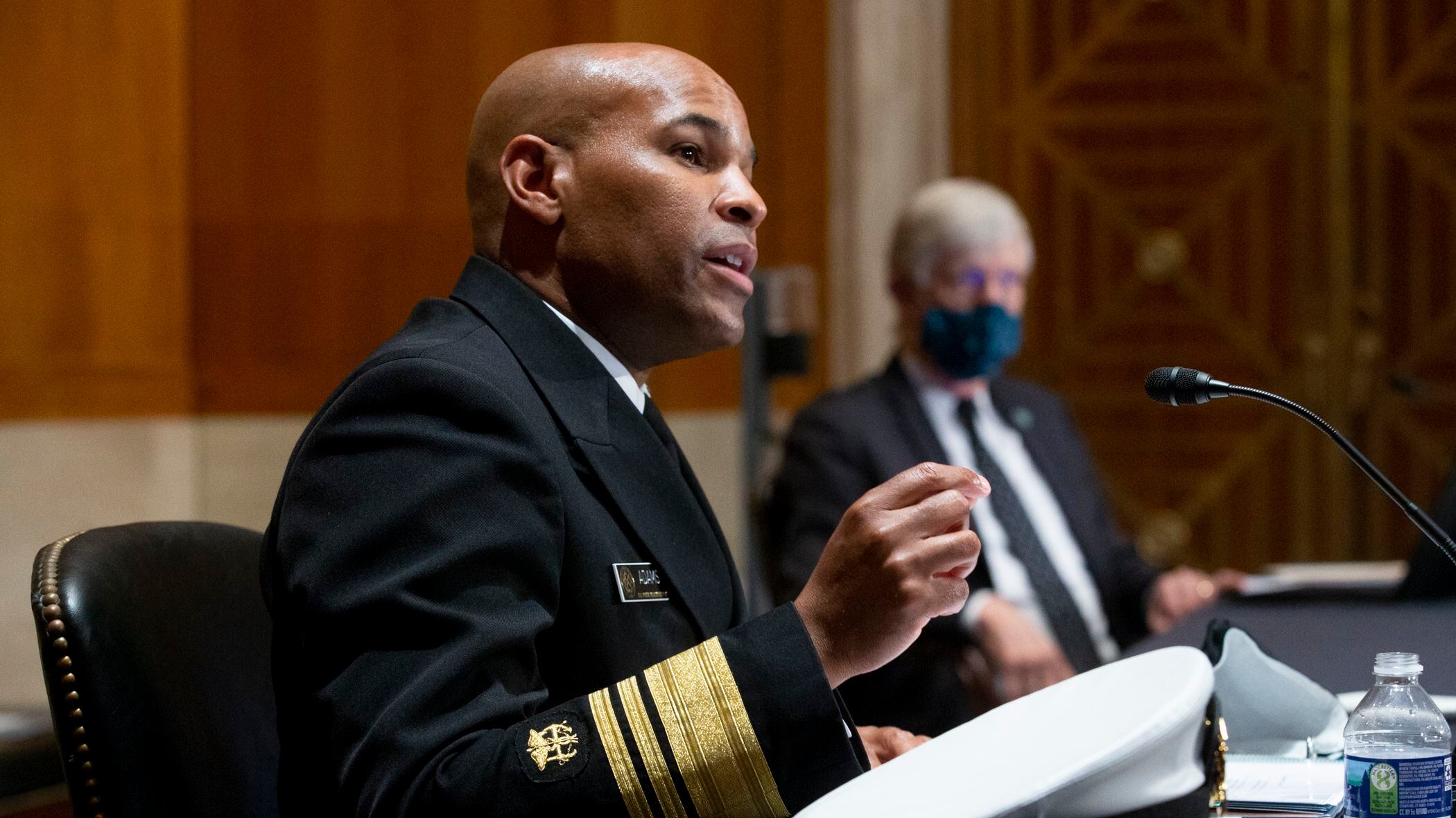
U.S. Surgeon General, Jerome Adams, joined Cheddar to discuss why he feels Americans should trust in a coronavirus vaccine once it clears the protocols.
Grammy-winning singer Mary J. Blige, and Linda Goler Blount, CEO of the Black Women's Health Imperative, joined Cheddar to discuss a new Breast Cancer Month initiative encouraging Black women to get mammogram screenings.
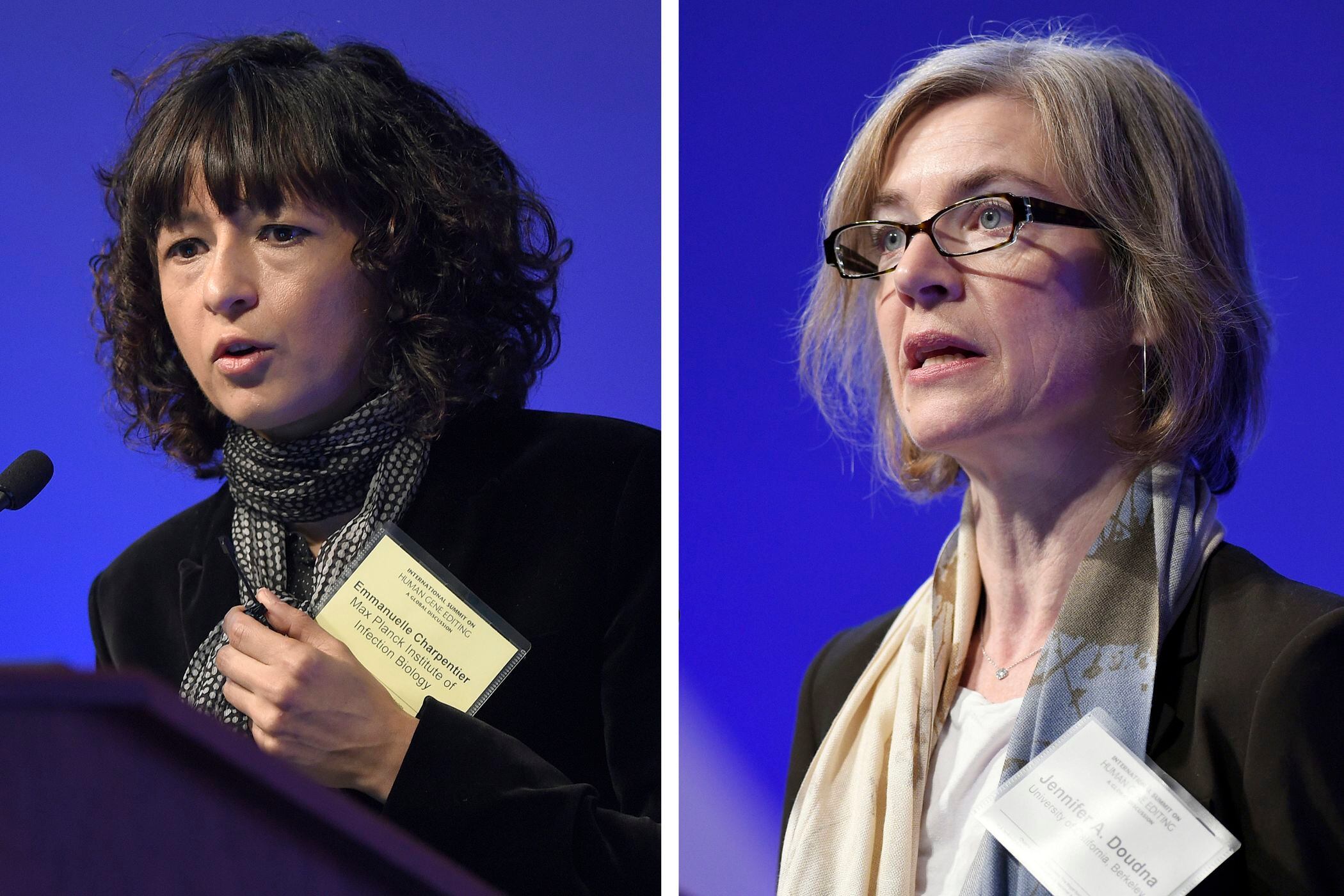
Frenchwoman Emmanuelle Charpentier and American Jennifer A. Doudna developed a method known as CRISPR-cas9 that can be used to alter the DNA of animals, plants, and microorganisms.
Hurricane Delta is getting bigger fast and speeding up as it takes aim at Mexico's Yucatan Peninsula.
Julie Samuels, executive director at Tech: NY, joined Cheddar to discuss the COVID NY Alert app that will be used for contact tracing in New York.
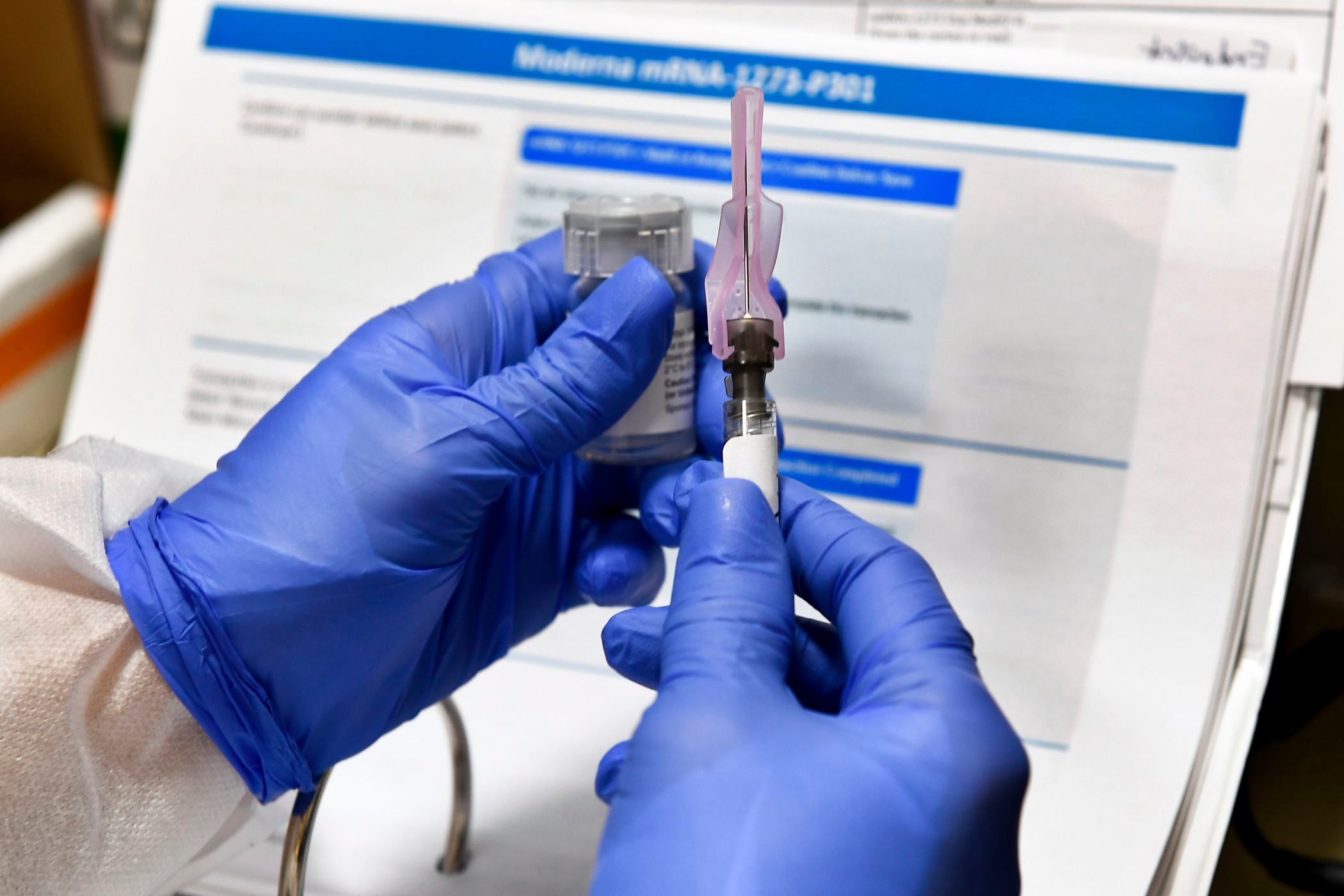
The Food and Drug Administration has laid out its safety standards for developers of COVID-19 vaccines after the White House blocked their formal release.
The staggering scale of California’s wildfires has reached another milestone: A single fire has surpassed 1 million acres.
From Wall Street to Silicon Valley, these are the top stories that moved markets and had investors, business leaders, and entrepreneurs talking this week on Cheddar.
California is poised to hit a fearsome milestone: 4 million acres burned this year by wildfires that have killed 30 people and incinerated hundreds of homes in what is already the worst fire season on record.