A new study from the American College of Cardiology has found that the popular ketogenic or "keto" diet may contribute to higher levels of "bad cholesterol" and a twofold increase in the risk of heart attacks and strokes.
“Our study found that regular consumption of a self-reported diet low in carbohydrates and high in fat was associated with increased levels of LDL cholesterol— or “bad” cholesterol—and a higher risk of heart disease,” said Dr. Iulia Iatan, MD, PhD, lead author of the study and attending physician-scientist at the Healthy Heart Program Prevention Clinic in St. Paul’s Hospital.
“To our knowledge, our study is one of the first to examine the association between this type of dietary pattern and cardiovascular outcomes.”
The study points out that depriving the body of carbohydrates such as bread, pasta, and rice forces the body to break down fat for energy instead. This breakdown produces ketones in the liver, hence the name keto. Advocates for this type of diet suggest obtaining 60 to 80 percent of calories from fat.
By comparing this low-carbohydrate, high-fat (LCHF) diet with a more standard diet, the study found that it elevated levels of LDL cholesterol in some people, which is known to elevate the risk of heart disease.
Before starting this dietary pattern, they should consult a healthcare provider," Iatan said. "While on the diet, it is recommended they have their cholesterol levels monitored and should try to address other risk factors for heart disease or stroke, such as diabetes, high blood pressure, physical inactivity and smoking.”
Despite the expected arrival of COVID-19 vaccines in just a few weeks, it could take several months — probably well into 2021 — before things get back to something close to normal in the United States.
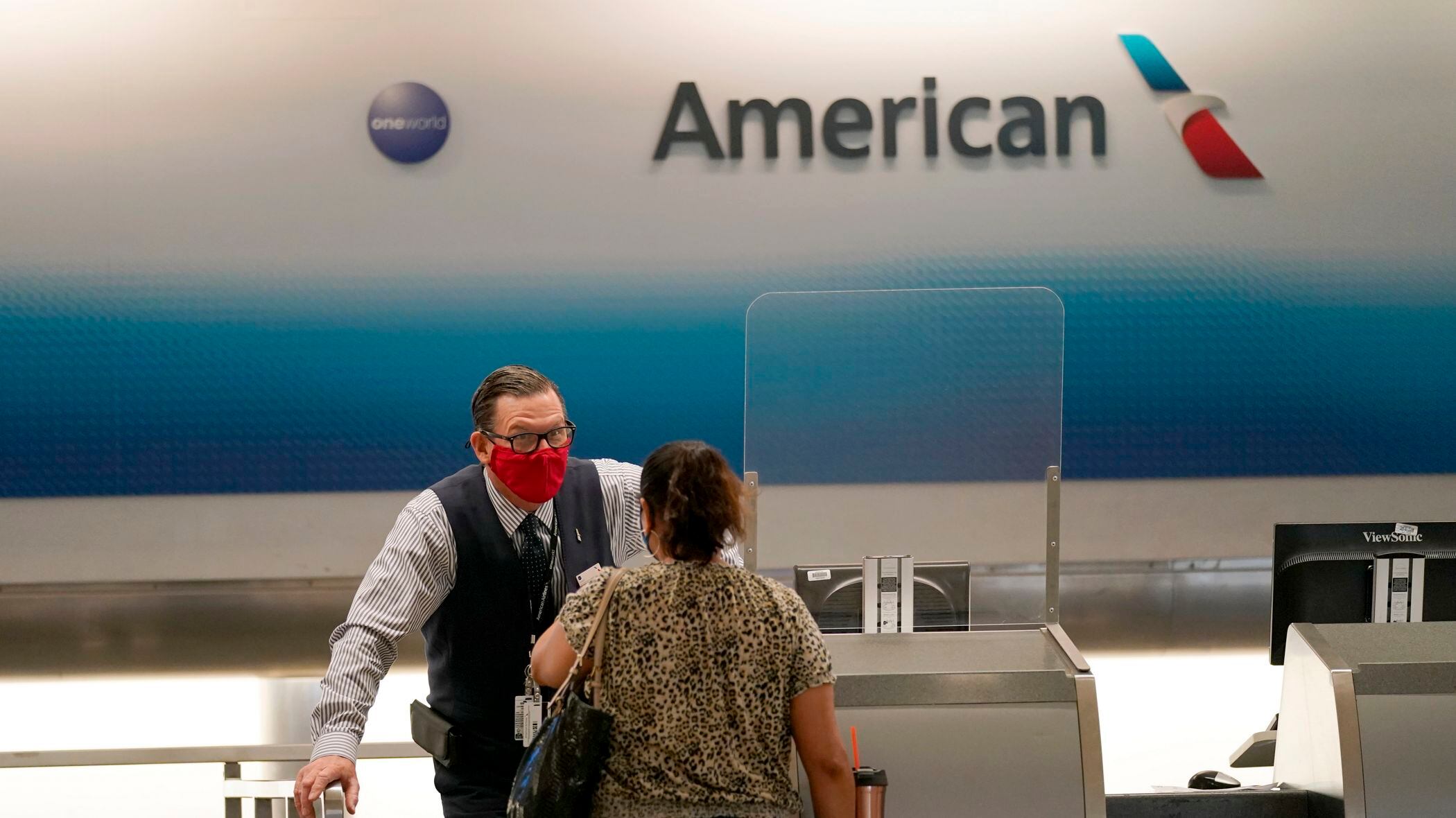
American Airlines is expanding its COVID-19 pilot pre-flight testing program to London in an effort to get more international flyers in the sky.
AstraZeneca reported that its vaccine is 90% effective and cheaper to distribute than vaccines from its competitors. Meanwhile, the U.S. is averaging 1,500 deaths per day according to Johns Hopkins.
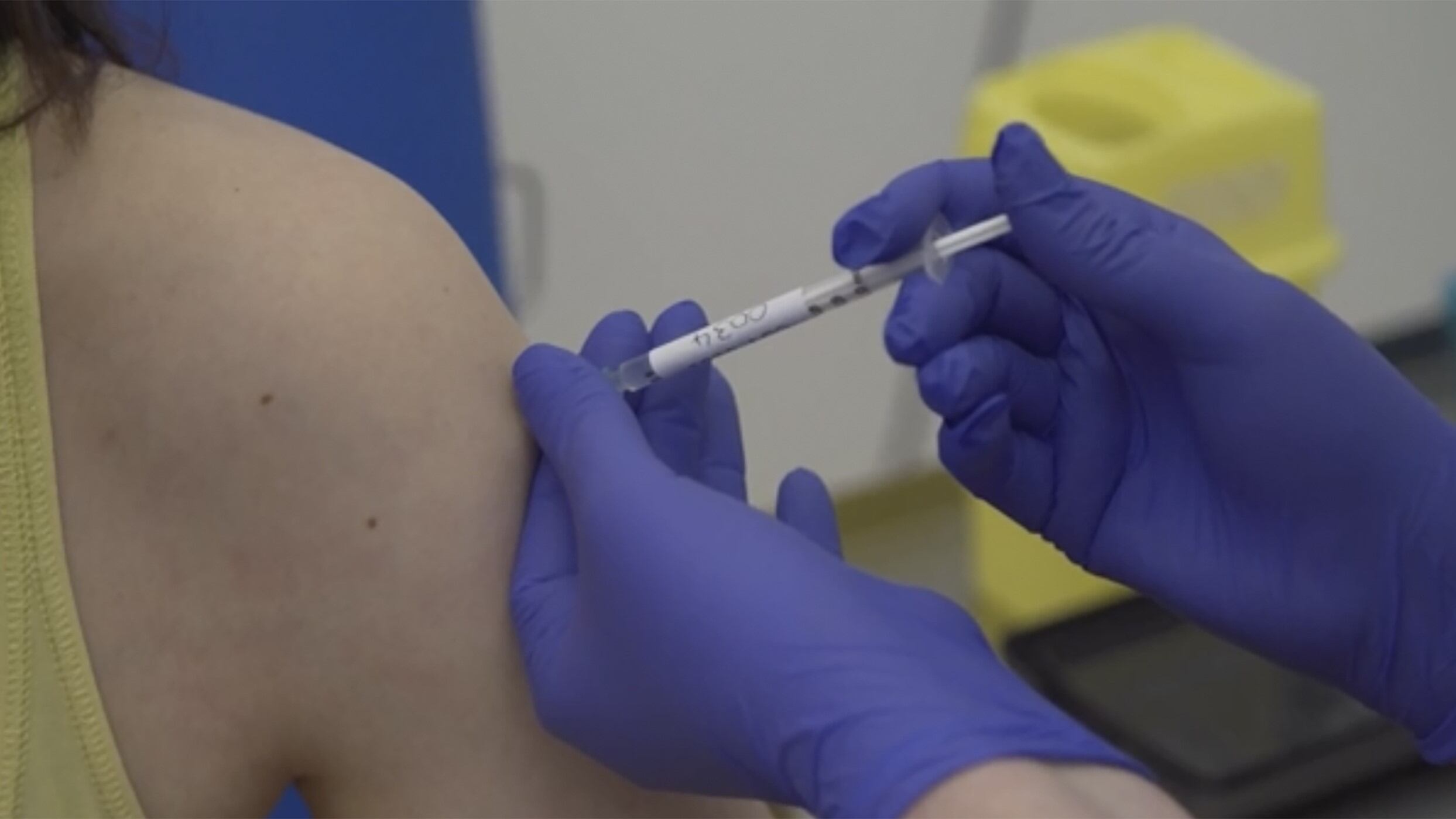
Pharmaceutical company AstraZeneca said Monday that late-stage trials showed its coronavirus vaccine was up to 90% effective, giving public health officials hope they may soon have access to a vaccine that is cheaper and easier to distribute than some of its rivals.
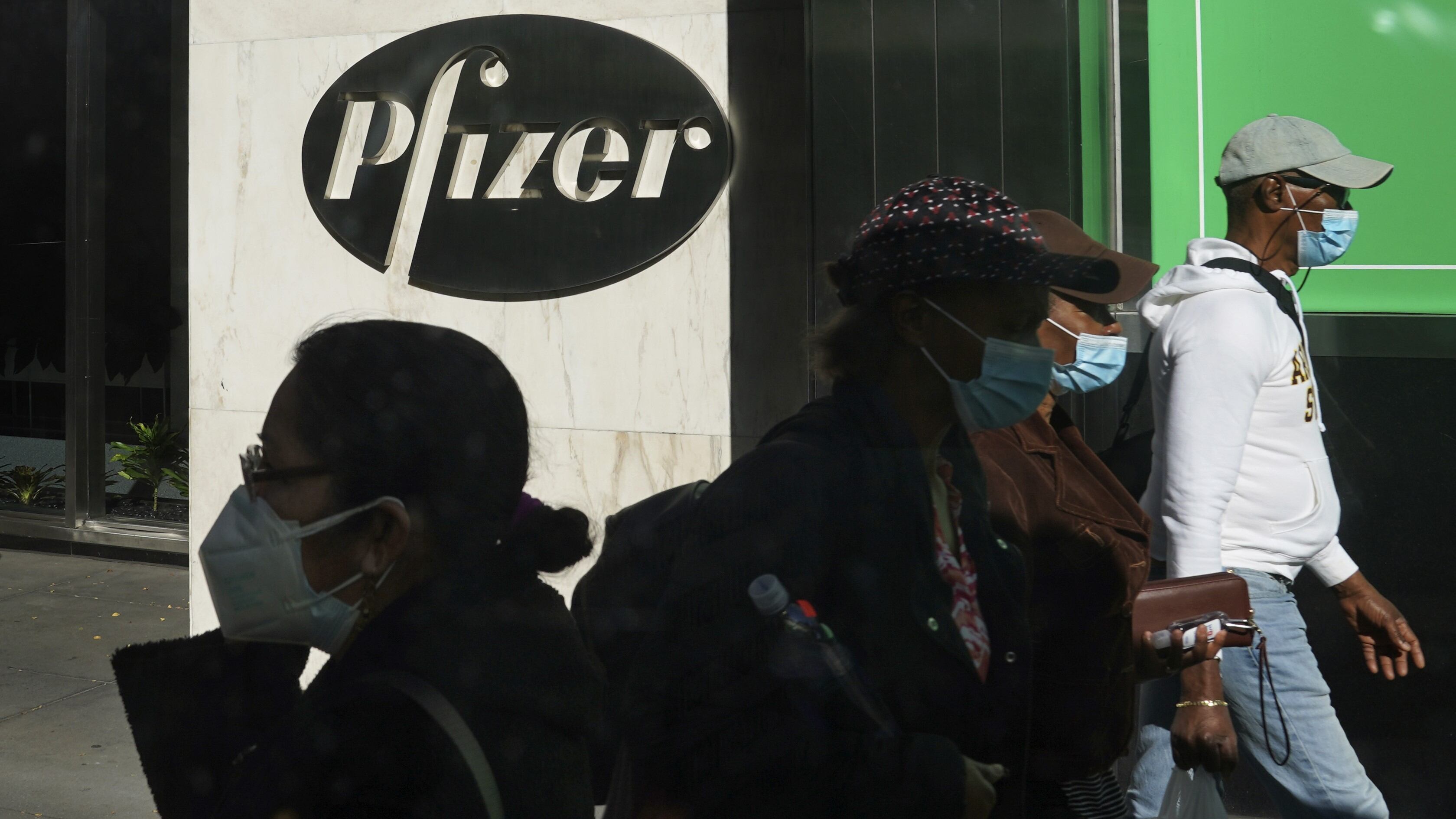
Pfizer said Friday it is asking U.S. regulators to allow emergency use of its COVID-19 vaccine, starting the clock on a process that could bring limited first shots as early as next month and eventually an end to the pandemic -- but not until after a long, hard winter.
A satellite jointly developed by Europe and the United States being launched this weekend will greatly help scientists keep track of the rise in global sea levels, one of the most daunting effects of climate change, a senior official at the European Space Agency said Friday.
The use of mRNA technology in COVID-19 vaccines is groundbreaking for a number of reasons. However, there is a drawback to the vaccines: they have to be stored in brutally cold temperatures.
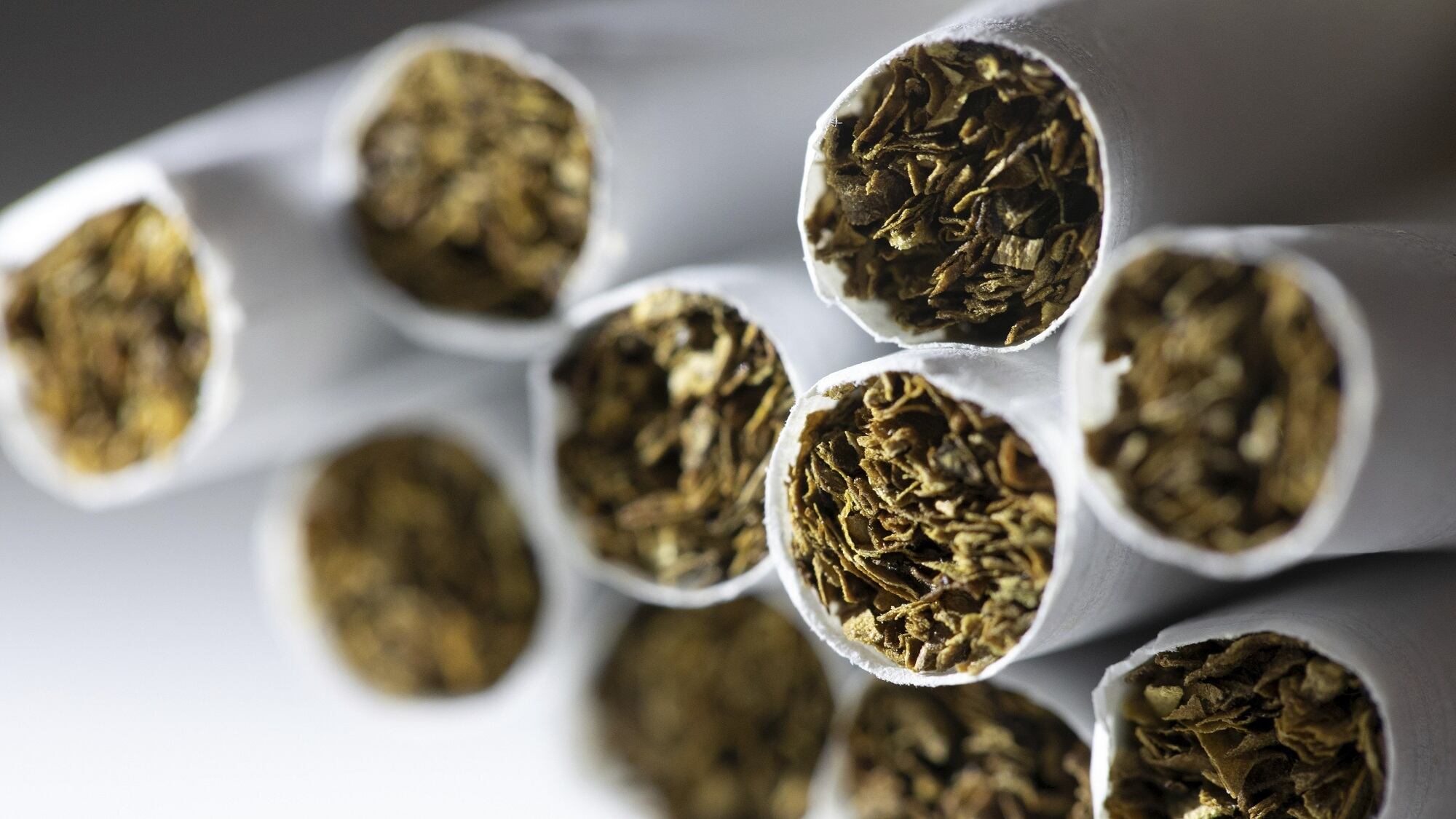
The U.S. decline in cigarette smoking could be stalling while the adult vaping rate appears to be rising, according to a government report released Thursday.
The only known white giraffe in the world has been fitted with a GPS tracking device to help protect it from poachers as it grazes in Kenya.
Pfizer said Wednesday that new test results show its coronavirus vaccine is 95% effective, is safe and also protects older people most at risk of dying.