A new study from the American College of Cardiology has found that the popular ketogenic or "keto" diet may contribute to higher levels of "bad cholesterol" and a twofold increase in the risk of heart attacks and strokes.
“Our study found that regular consumption of a self-reported diet low in carbohydrates and high in fat was associated with increased levels of LDL cholesterol— or “bad” cholesterol—and a higher risk of heart disease,” said Dr. Iulia Iatan, MD, PhD, lead author of the study and attending physician-scientist at the Healthy Heart Program Prevention Clinic in St. Paul’s Hospital.
“To our knowledge, our study is one of the first to examine the association between this type of dietary pattern and cardiovascular outcomes.”
The study points out that depriving the body of carbohydrates such as bread, pasta, and rice forces the body to break down fat for energy instead. This breakdown produces ketones in the liver, hence the name keto. Advocates for this type of diet suggest obtaining 60 to 80 percent of calories from fat.
By comparing this low-carbohydrate, high-fat (LCHF) diet with a more standard diet, the study found that it elevated levels of LDL cholesterol in some people, which is known to elevate the risk of heart disease.
Before starting this dietary pattern, they should consult a healthcare provider," Iatan said. "While on the diet, it is recommended they have their cholesterol levels monitored and should try to address other risk factors for heart disease or stroke, such as diabetes, high blood pressure, physical inactivity and smoking.”
The pill comprises 40% of the profits in the U.S. contraceptive market and 25% of contraceptive consumers, causing millions of unnecessary ‘periods’ along the way. So, why hasn’t birth control evolved beyond the pseudo-period?
Officials at the Pompeii archaeological site in Italy have announced the discovery of an intact ceremonial chariot, one of several important discoveries made outside the park following an investigation into an illegal dig.
Spacewalking astronauts have installed support frames at the International Space Station for new solar panels arriving later this year.
A huge iceberg, the size of the UK county of Bedfordshire, has broken off the Brunt Ice Shelf.
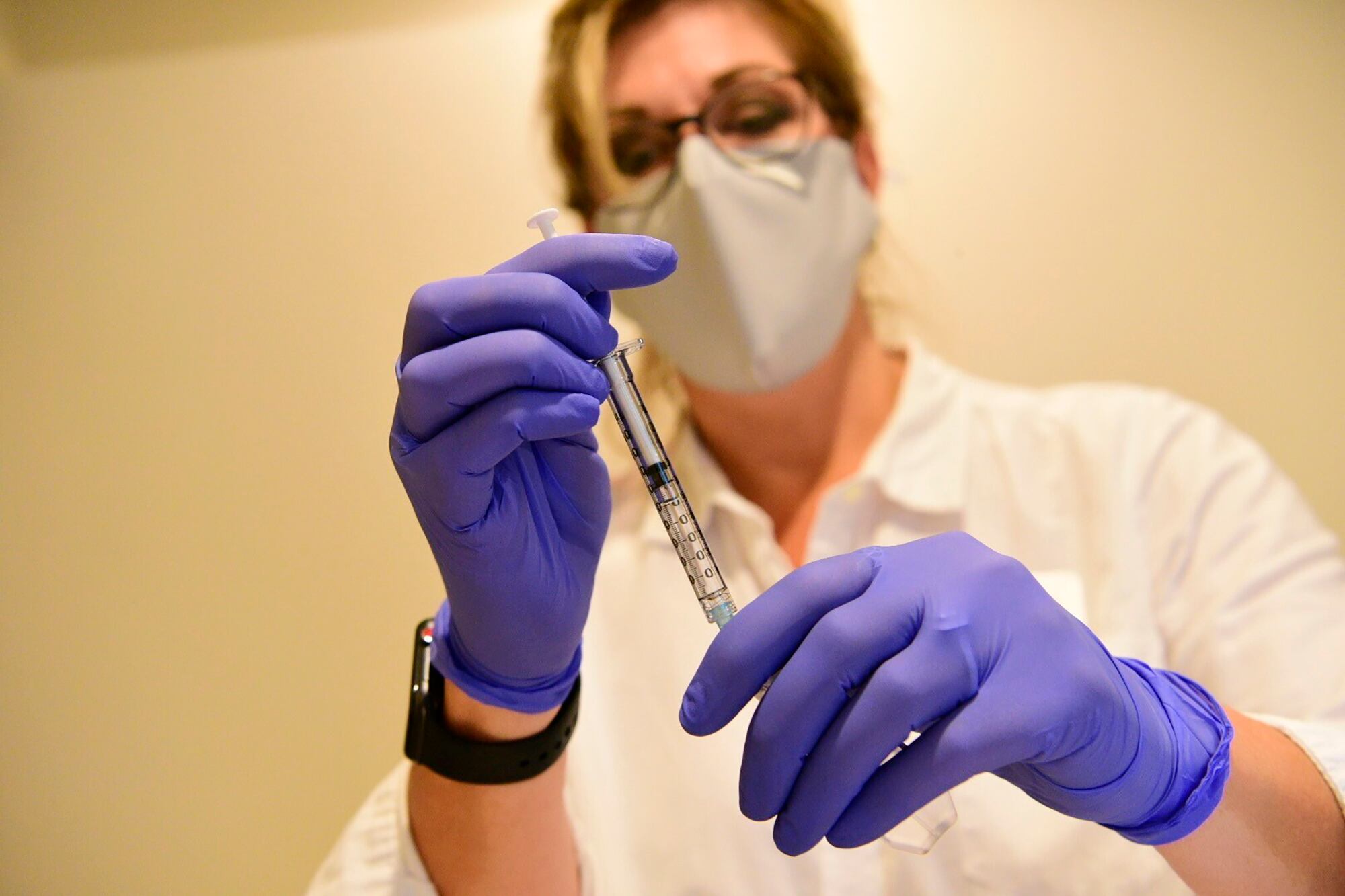
U.S. health advisers have endorsed a one-dose COVID-19 vaccine from Johnson & Johnson that's expected to provide an easier-to-use option to fight the pandemic.
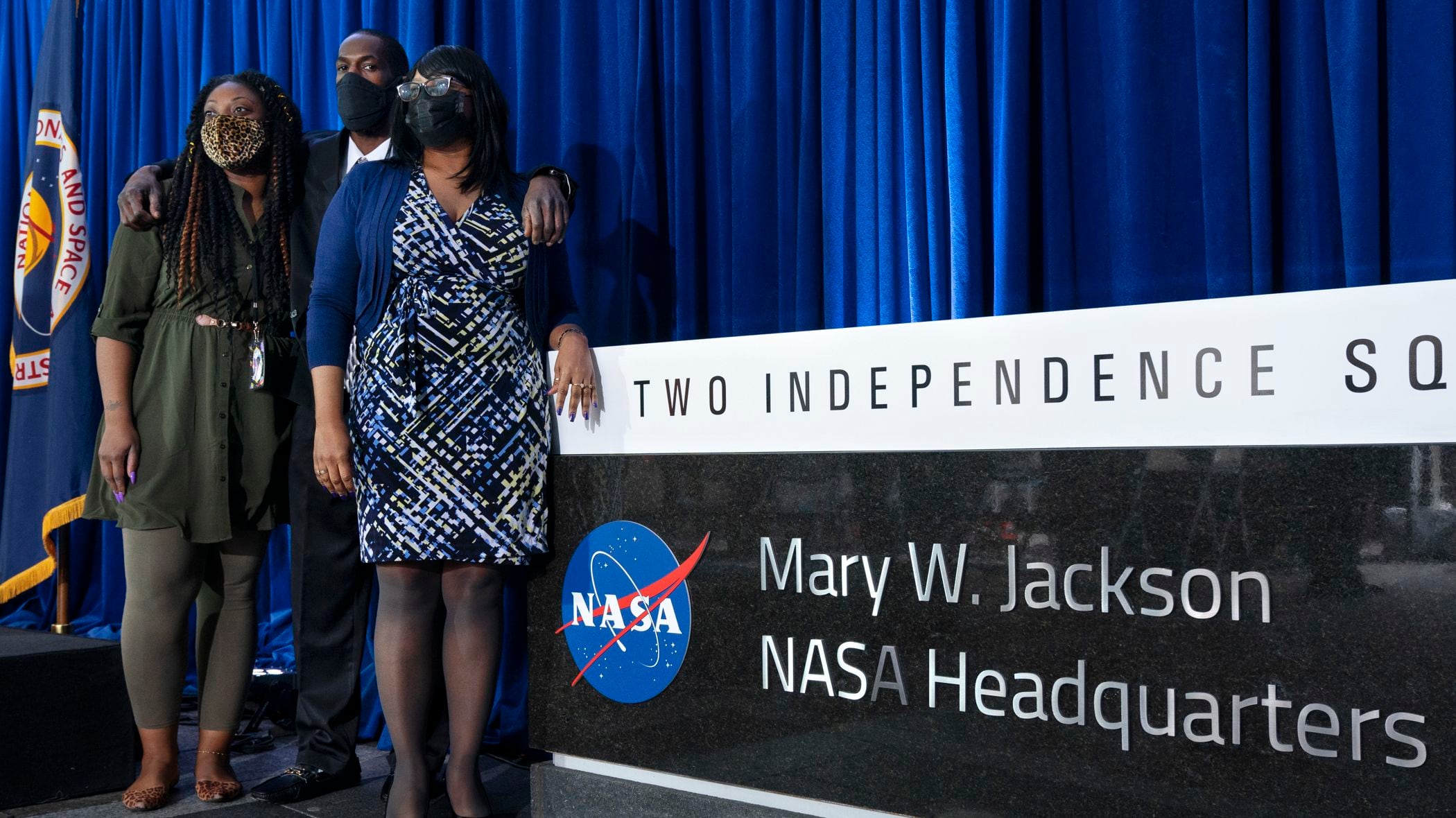
NASA on Friday is named its Washington headquarters after Mary W. Jackson, the space agency's first African American female engineer whose story was portrayed in the popular film "Hidden Figures."
From Wall Street to Silicon Valley, these are the top stories that moved markets and had investors, business leaders, and entrepreneurs talking this week on Cheddar.
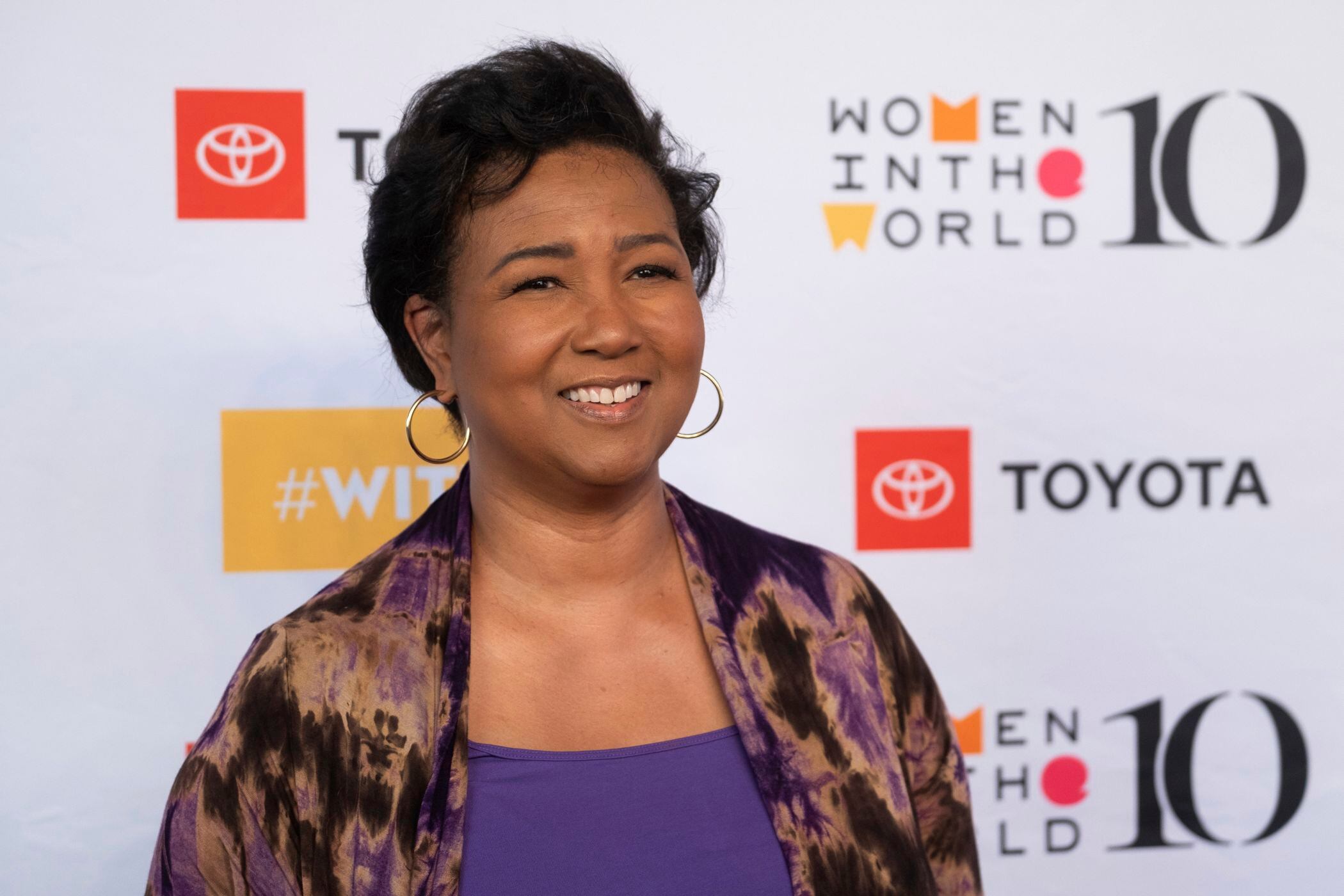
Dr. Mae Jemison, the first Black woman in space, spoke with Cheddar about how space provides the perspective of an interconnected global community.
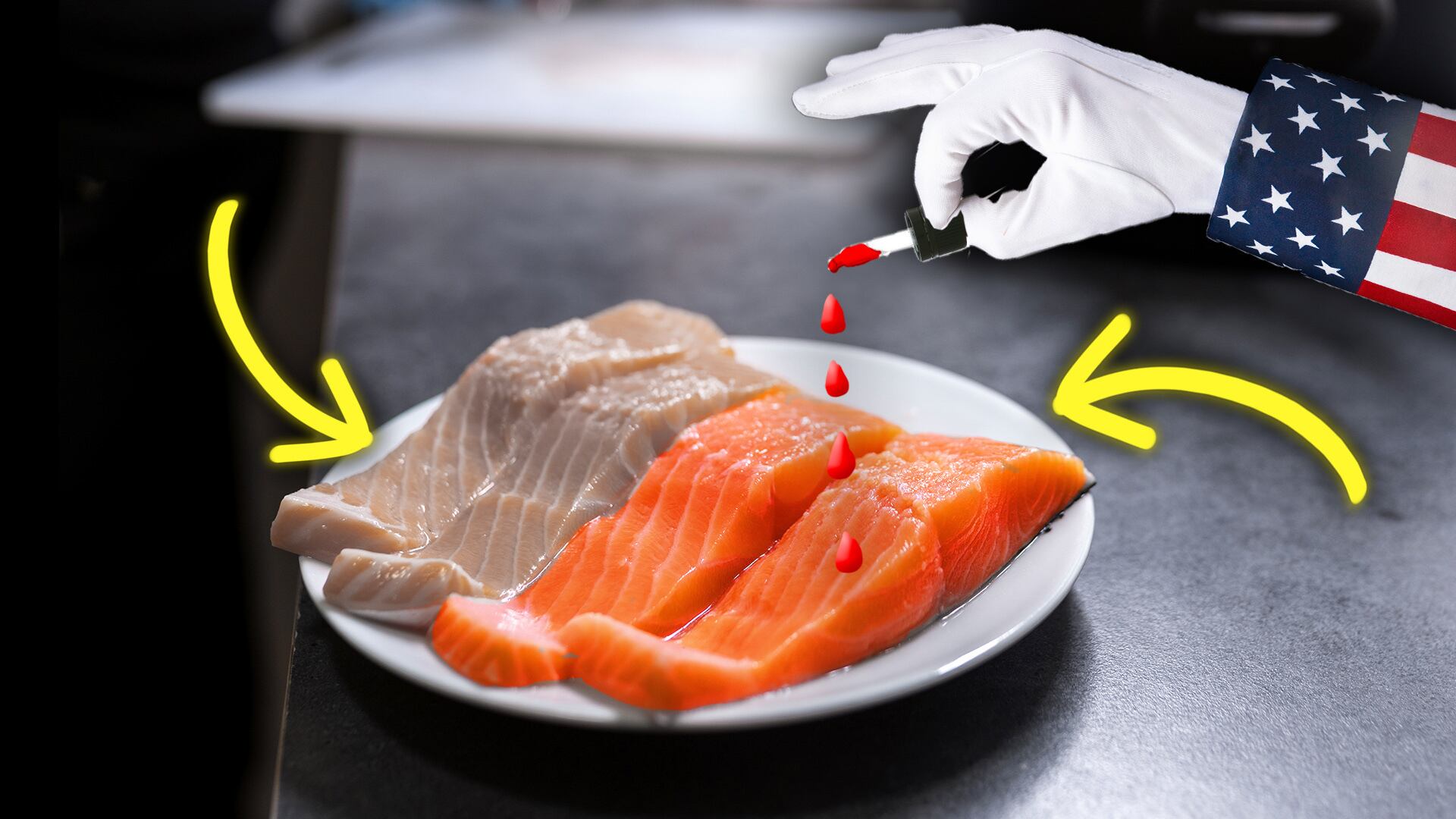
The government plays a key role in determining the colors of your food, and for that, we can thank the margarine wars of the late 19th century.
A designer named Robert Propst dreamed up what he called “The Action Office” as a groovy 1960s workplace utopia. This is how it all went so wrong.