The coronavirus outbreak has been taking a toll on our everyday lives, and everyone is at risk including those in jail and detention centers. Kerry Kennedy, president of Robert F. Kennedy Human Rights, joined ChedHER Friday to discuss how her nonprofit is helping to free those who are subjected to wealth-based imprisonment during the COVID-19 pandemic.
The daughter of Robert F. Kennedy, and ex-wife of New York Governor Andrew Cuomo, said that RFK Human Rights has freed over 200 people in 10 cities over the last two and a half weeks. These people were put in jail and awaiting trial, some for as little as a $25 fine for an overdue parking ticket.
“In the moment of corona this is extremely dangerous,” said Kennedy. “Overcrowded jails where people don’t have access to sanitary situations, showers, handwashing, social distancing, Purell.”
The nonprofit is also working to keep those in detention centers safe. “We are also doing a lot of work on immigration,” said Kennedy. “The immigration detention centers again are extremely overcrowded and access to medical care is woefully being withheld.”
The Robert F. Kennedy Human Rights organization has advocated for a more peaceful world since 1968. It works with students and the business community to inspire young leaders and activists to get involved.
“You can make a difference,” Kennedy said as her piece of advice for aspiring young leaders. “Every single one of us has a role to play and you've been given gifts, use those gifts to make a more just and peaceful world.”
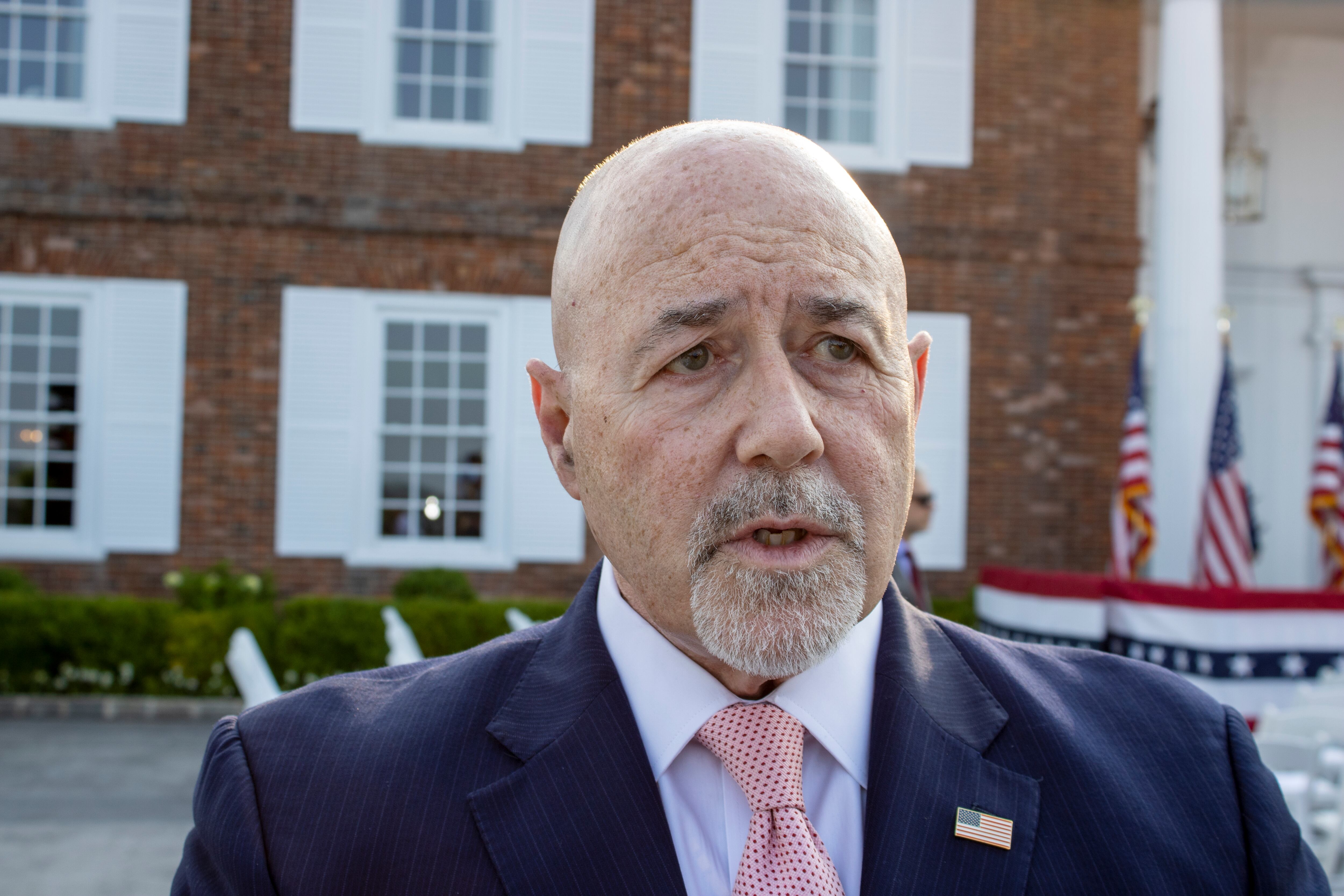
The lawyer for former NYPD commissioner Bernard Kerik turned over thousands of pages and documents to a special counsel as part of an investigation into Kerik's alleged involvement to overturn the results of the 2020 election.
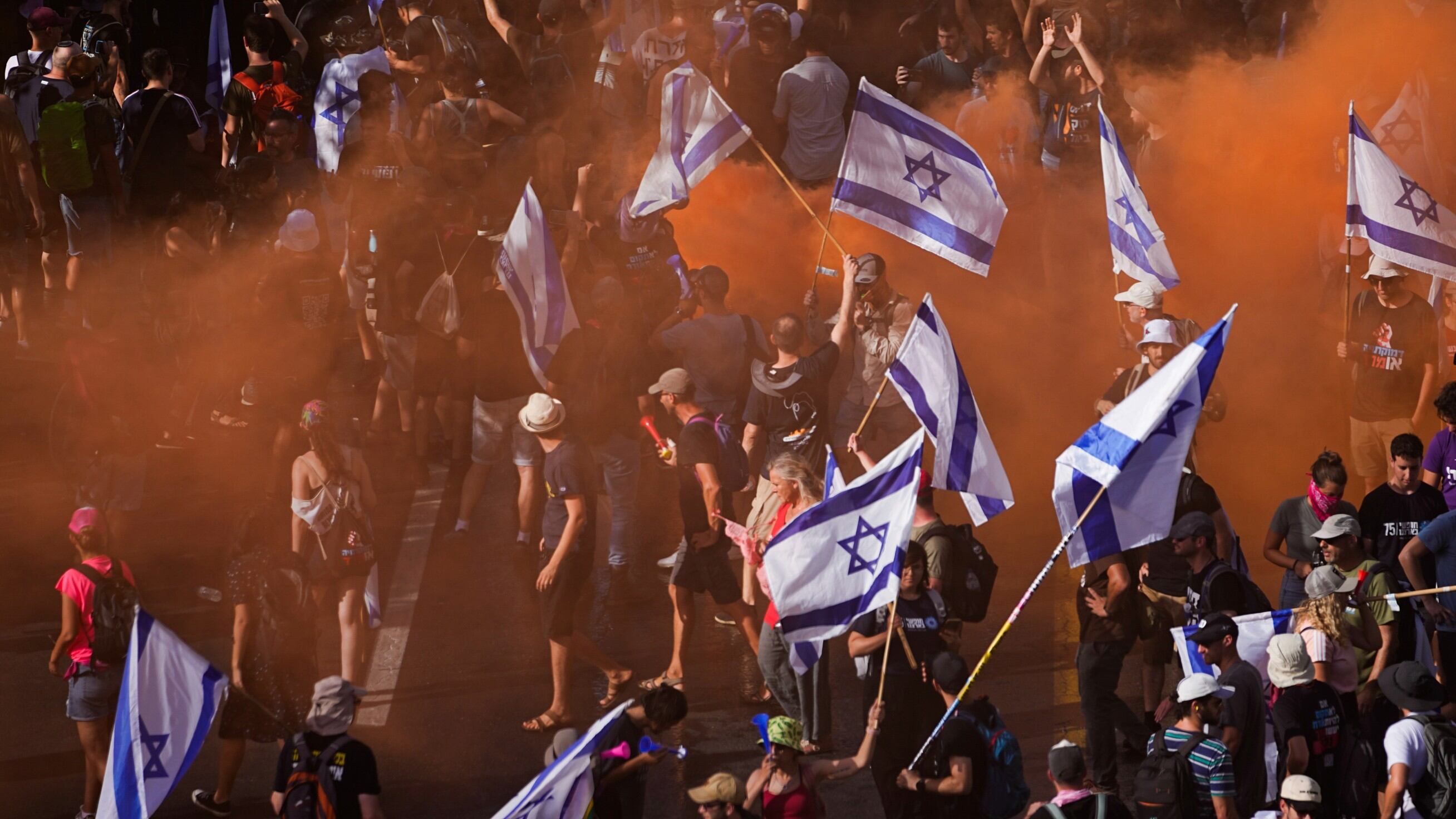
Israel’s parliament on Monday approved the first major law in Prime Minister Benjamin Netanyahu’s contentious plan to overhaul the country’s justice system, triggering a new burst of mass protests and drawing accusations that he was pushing the country toward authoritarian rule.
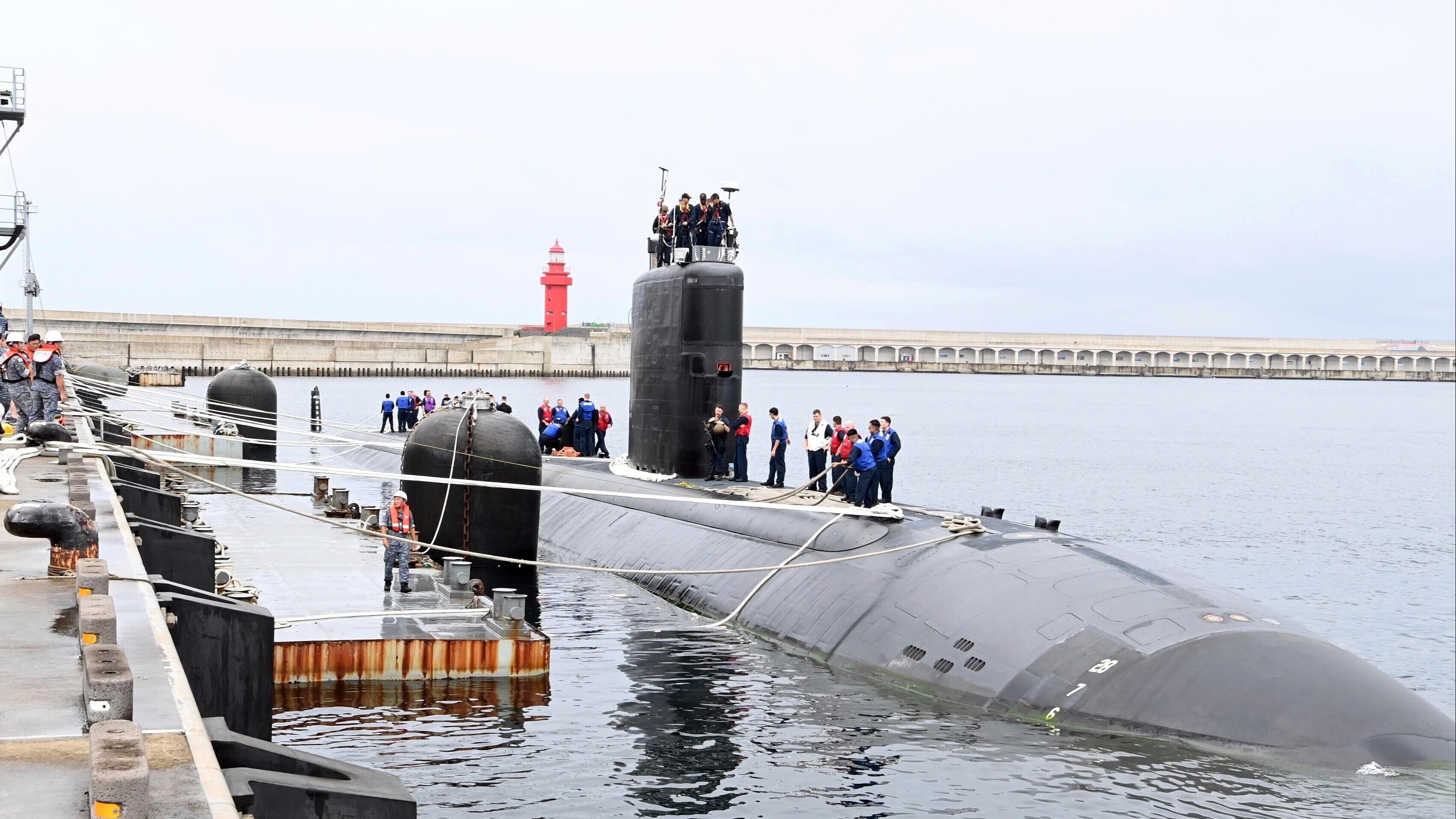
North Korea fired two short-range ballistic missiles into its eastern sea, South Korea’s military said Tuesday, adding to a recent streak in weapons testing that is apparently in protest of the U.S. sending major naval assets to South Korea in a show of force.
Now the federal Mine Safety and Health Administration has proposed a rule that would cut the current limit for silica exposure by half — a major victory for safety advocates. But there is skepticism and concern about the government following through after years of broken promises and delays.
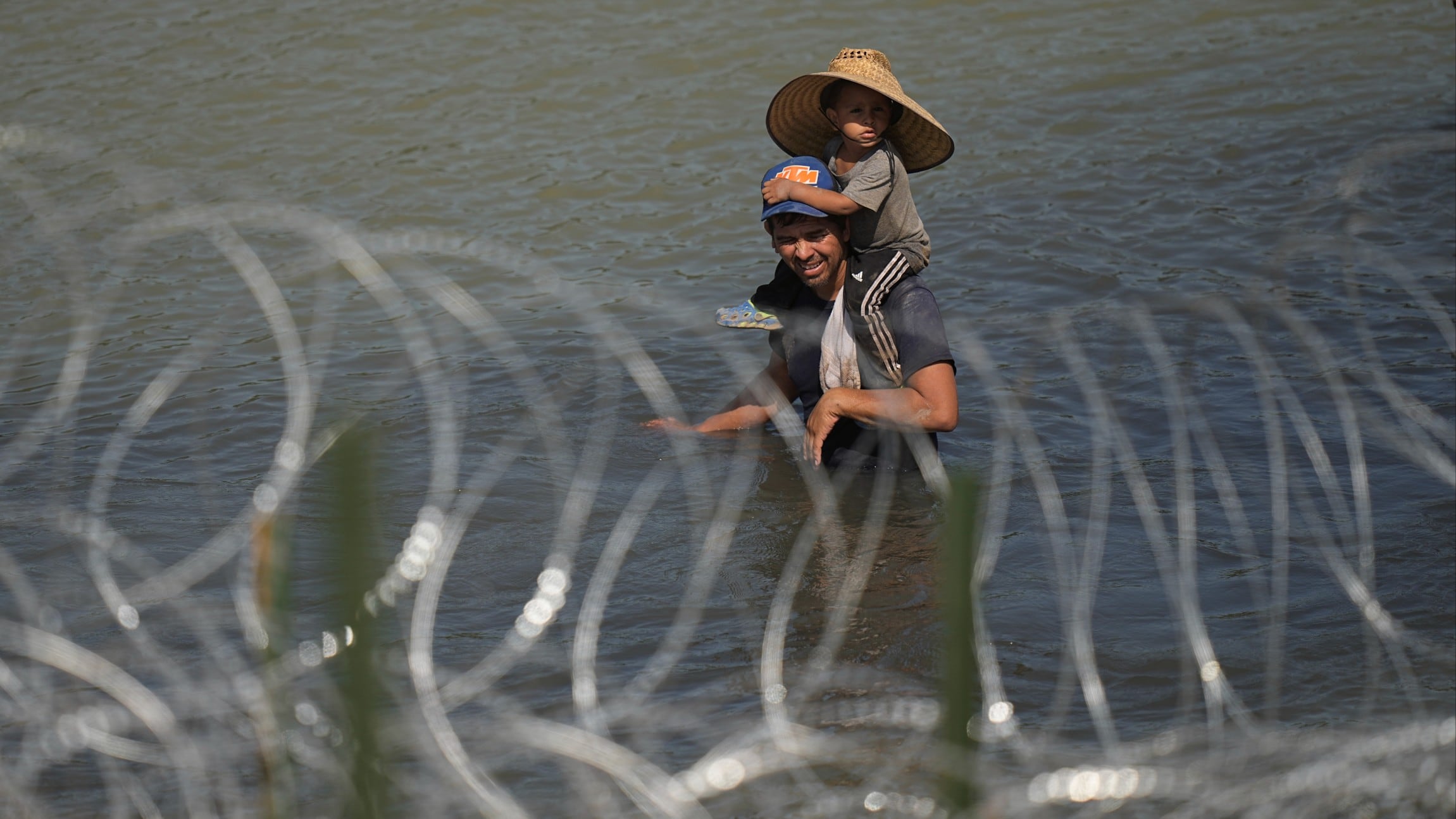
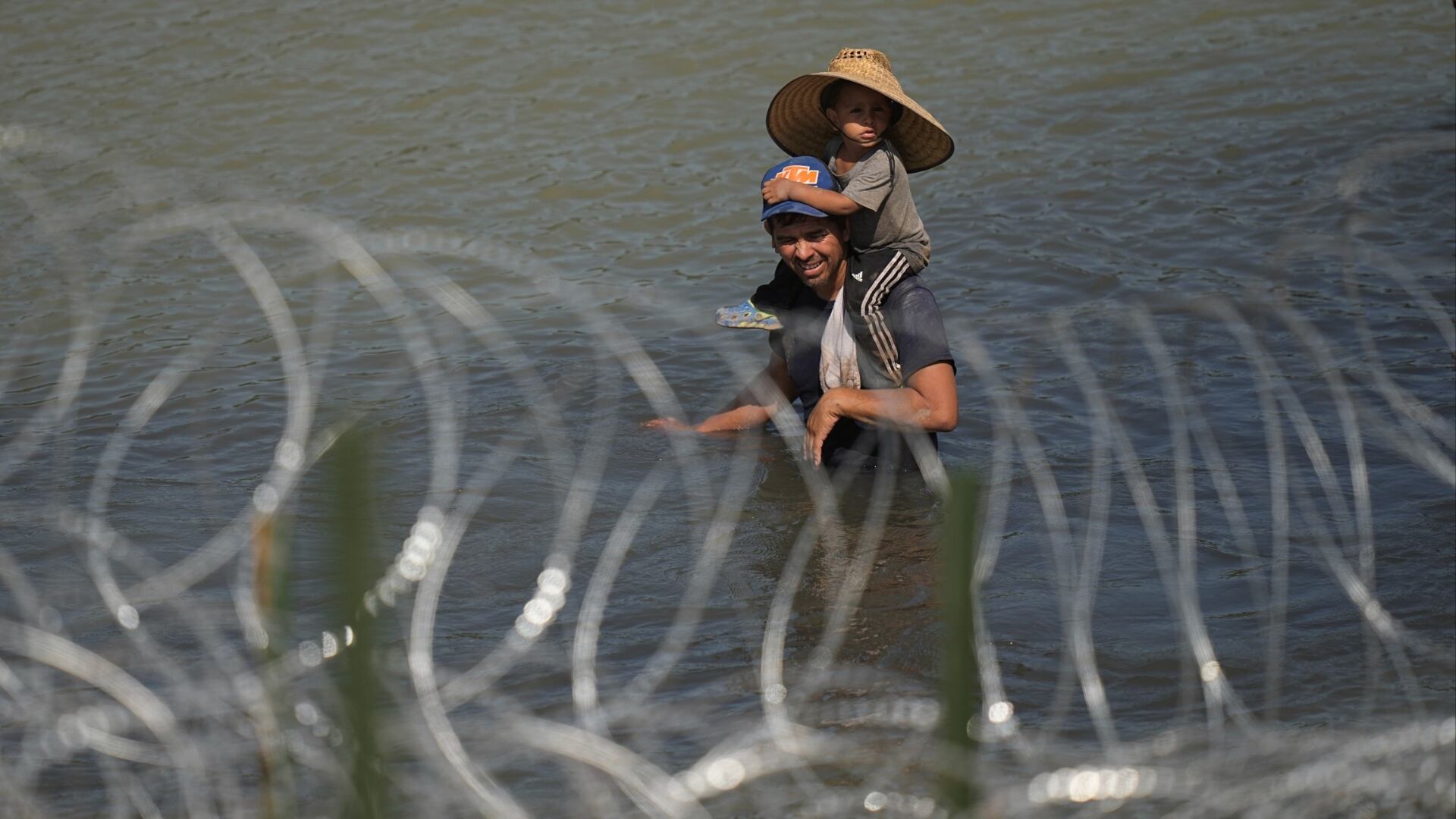
A state trooper's account of officers denying migrants water in 100-degree Fahrenheit (37.7 Celsius) temperatures and razor wire leaving asylum-seekers bloodied has prompted renewed criticism.