The coronavirus outbreak has been taking a toll on our everyday lives, and everyone is at risk including those in jail and detention centers. Kerry Kennedy, president of Robert F. Kennedy Human Rights, joined ChedHER Friday to discuss how her nonprofit is helping to free those who are subjected to wealth-based imprisonment during the COVID-19 pandemic.
The daughter of Robert F. Kennedy, and ex-wife of New York Governor Andrew Cuomo, said that RFK Human Rights has freed over 200 people in 10 cities over the last two and a half weeks. These people were put in jail and awaiting trial, some for as little as a $25 fine for an overdue parking ticket.
“In the moment of corona this is extremely dangerous,” said Kennedy. “Overcrowded jails where people don’t have access to sanitary situations, showers, handwashing, social distancing, Purell.”
The nonprofit is also working to keep those in detention centers safe. “We are also doing a lot of work on immigration,” said Kennedy. “The immigration detention centers again are extremely overcrowded and access to medical care is woefully being withheld.”
The Robert F. Kennedy Human Rights organization has advocated for a more peaceful world since 1968. It works with students and the business community to inspire young leaders and activists to get involved.
“You can make a difference,” Kennedy said as her piece of advice for aspiring young leaders. “Every single one of us has a role to play and you've been given gifts, use those gifts to make a more just and peaceful world.”
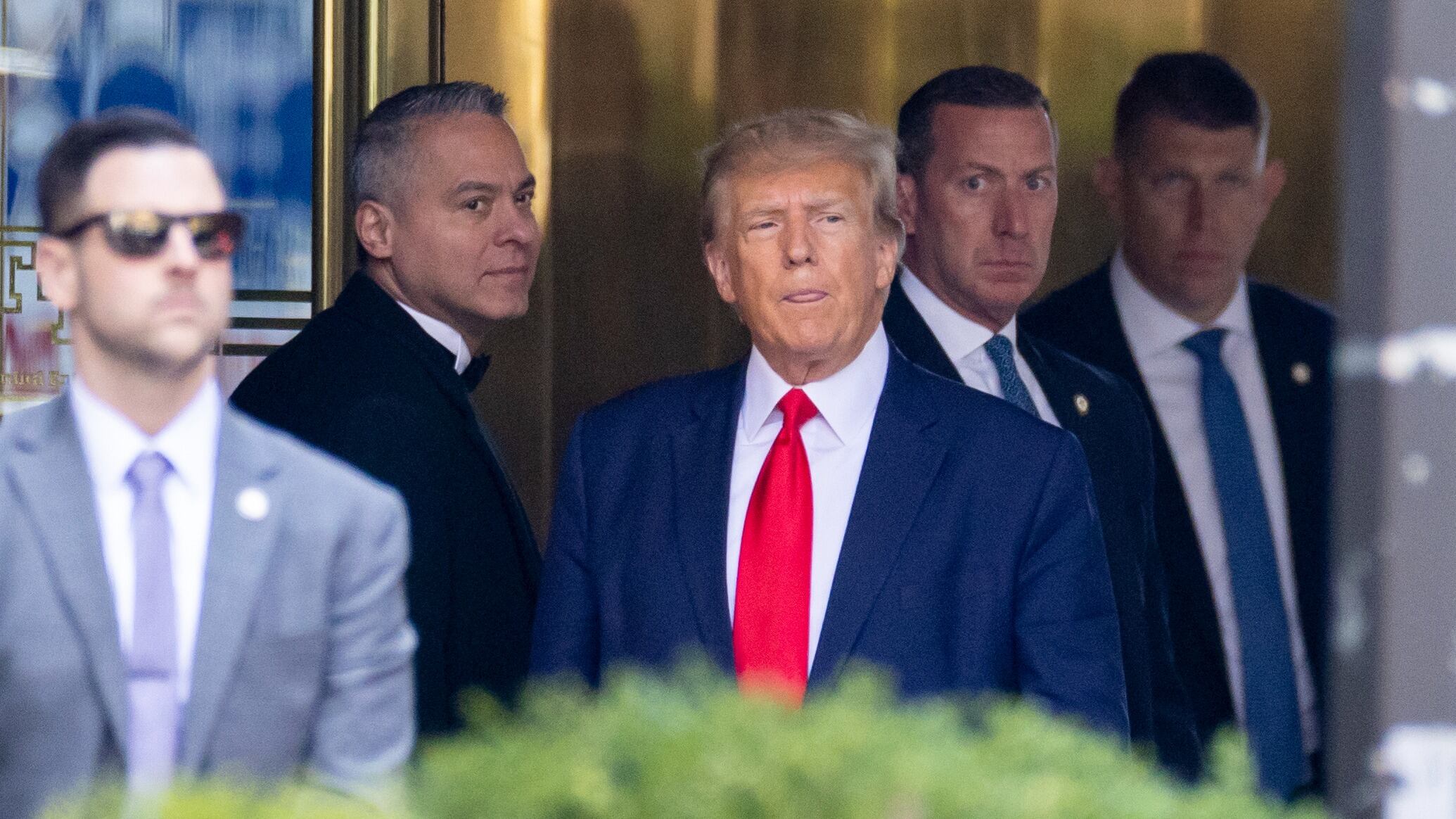
Former President Donald Trump answered questions for nearly seven hours Thursday during his second deposition in a legal battle with New York's attorney general over his company's business practices, reversing an earlier decision to invoke his Fifth Amendment protection against self-incrimination and remain silent.
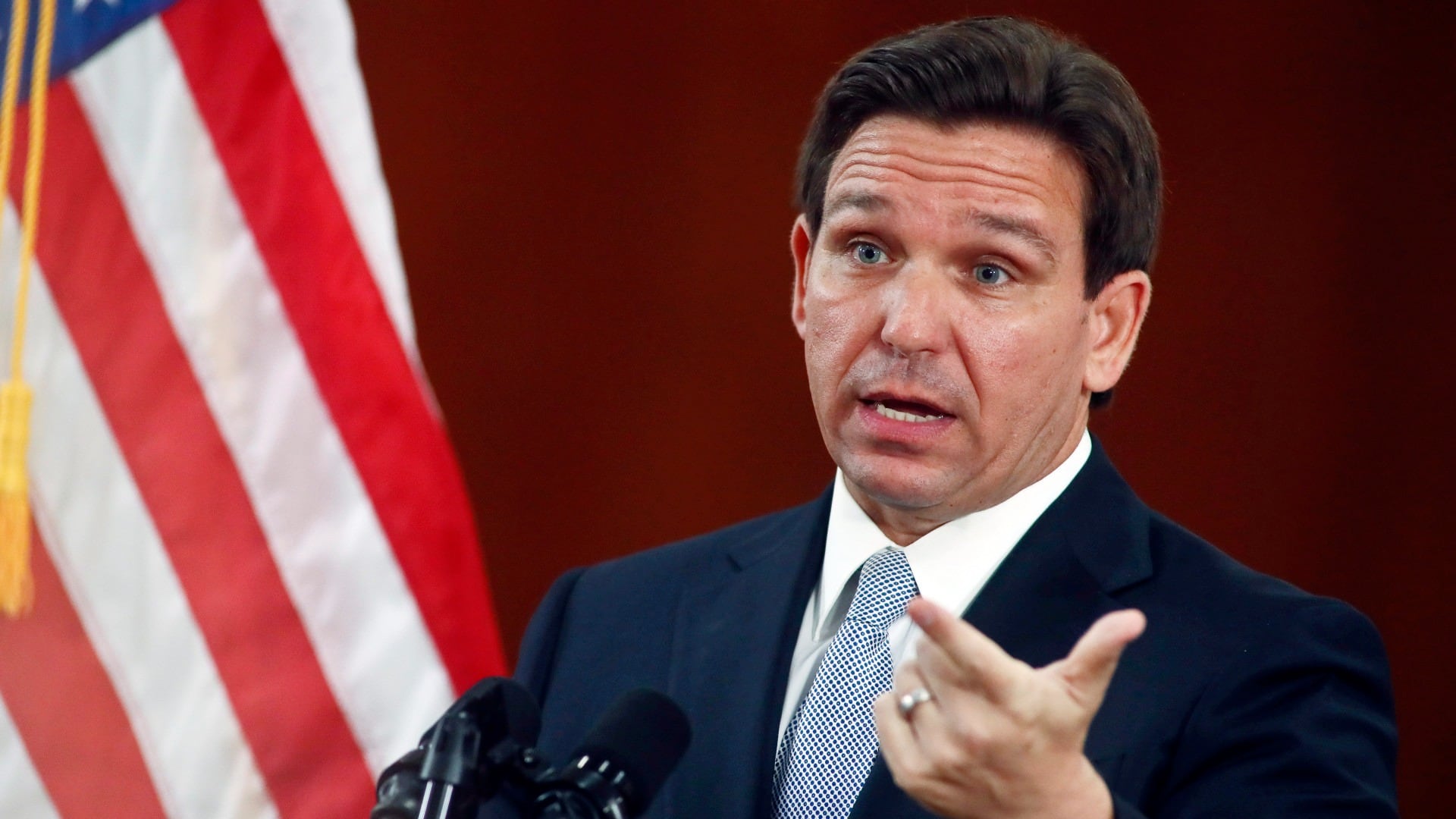
Republican Gov. Ron DeSantis has signed into law a bill approved by the Republican-dominated Florida Legislature to ban abortions after six weeks of pregnancy.
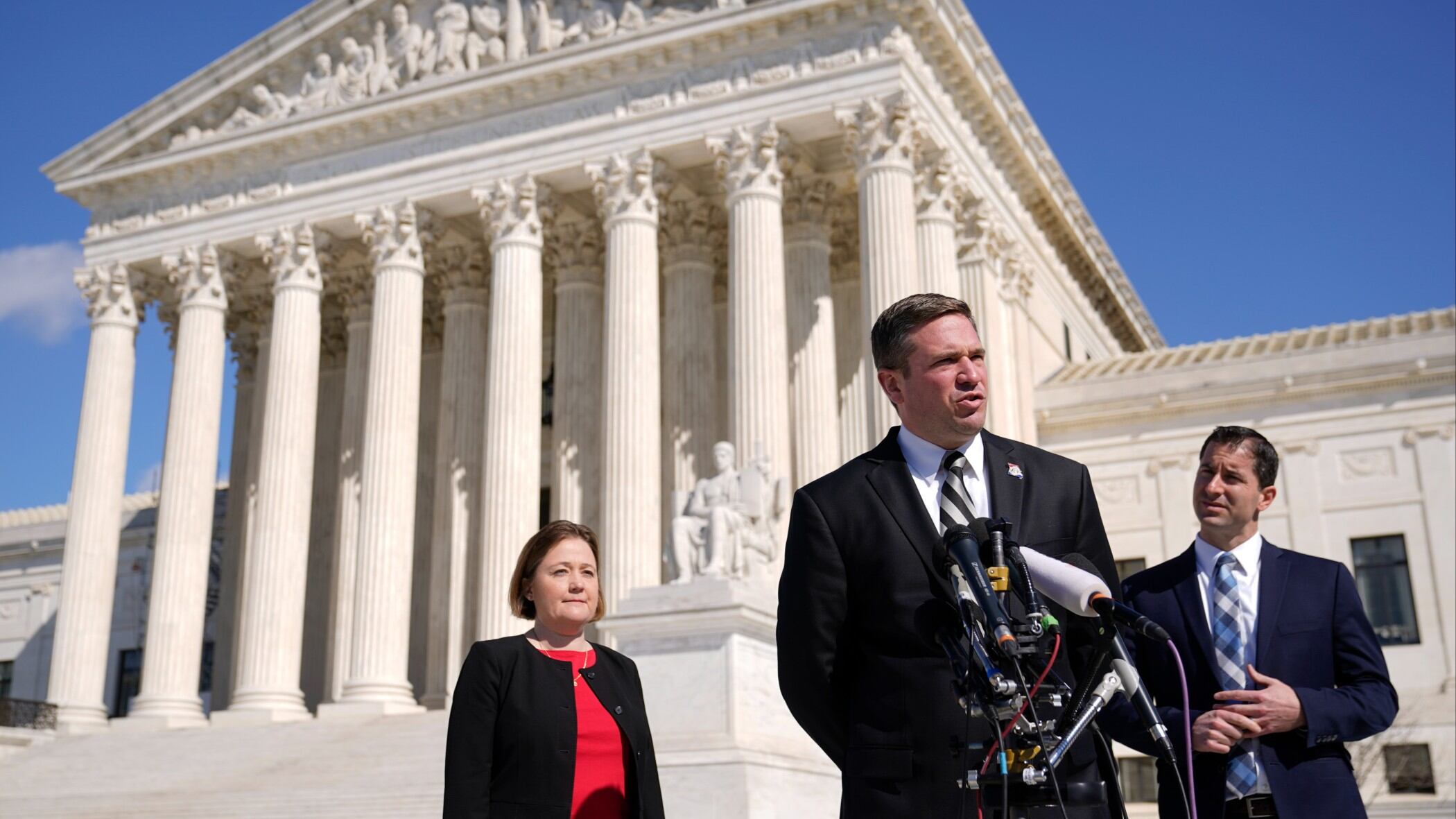
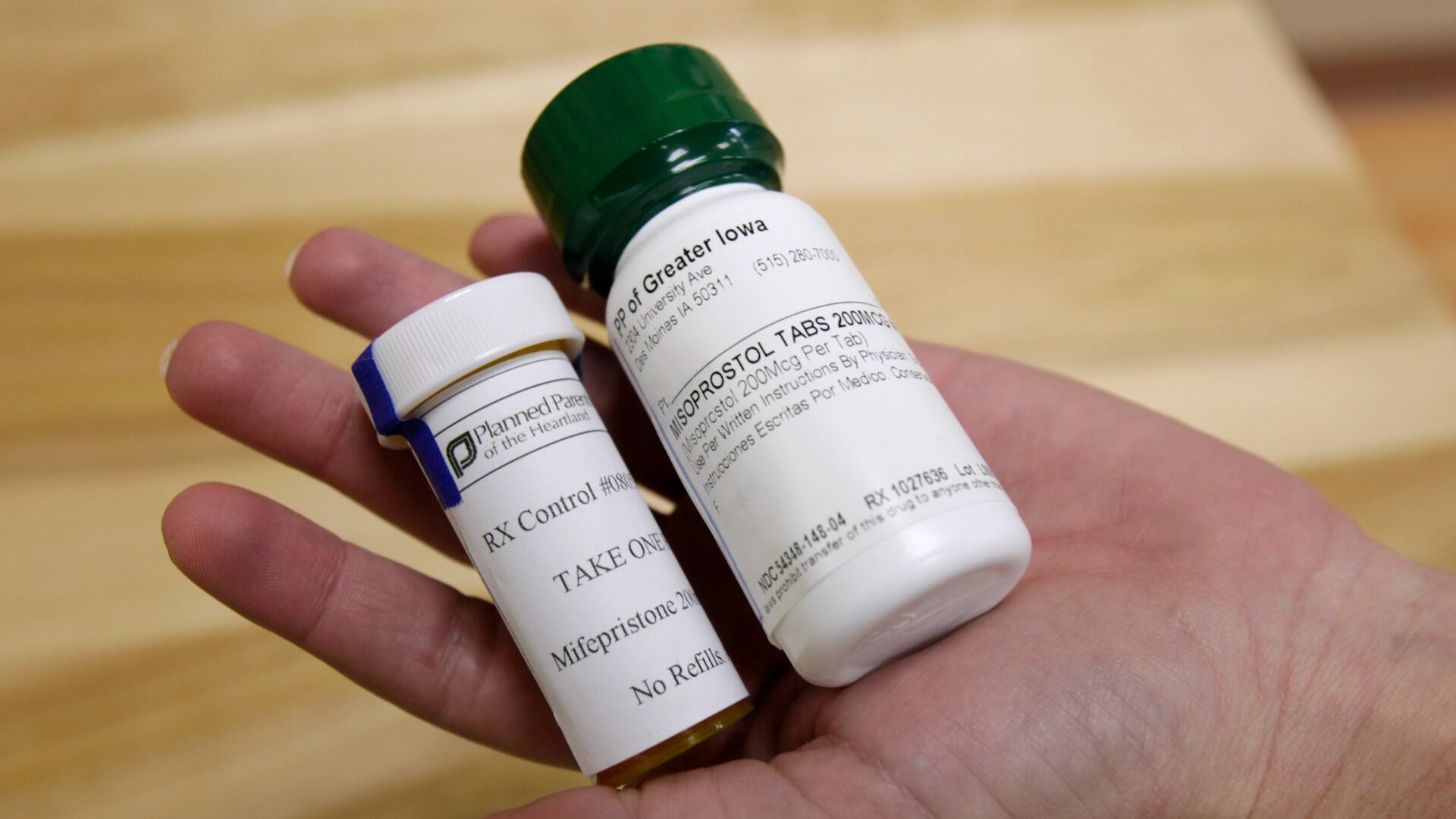
A federal appeals court has ruled that the abortion pill mifepristone can still be used for now but reduced the period of pregnancy when the drug can be taken and said it could not be dispensed by mail.
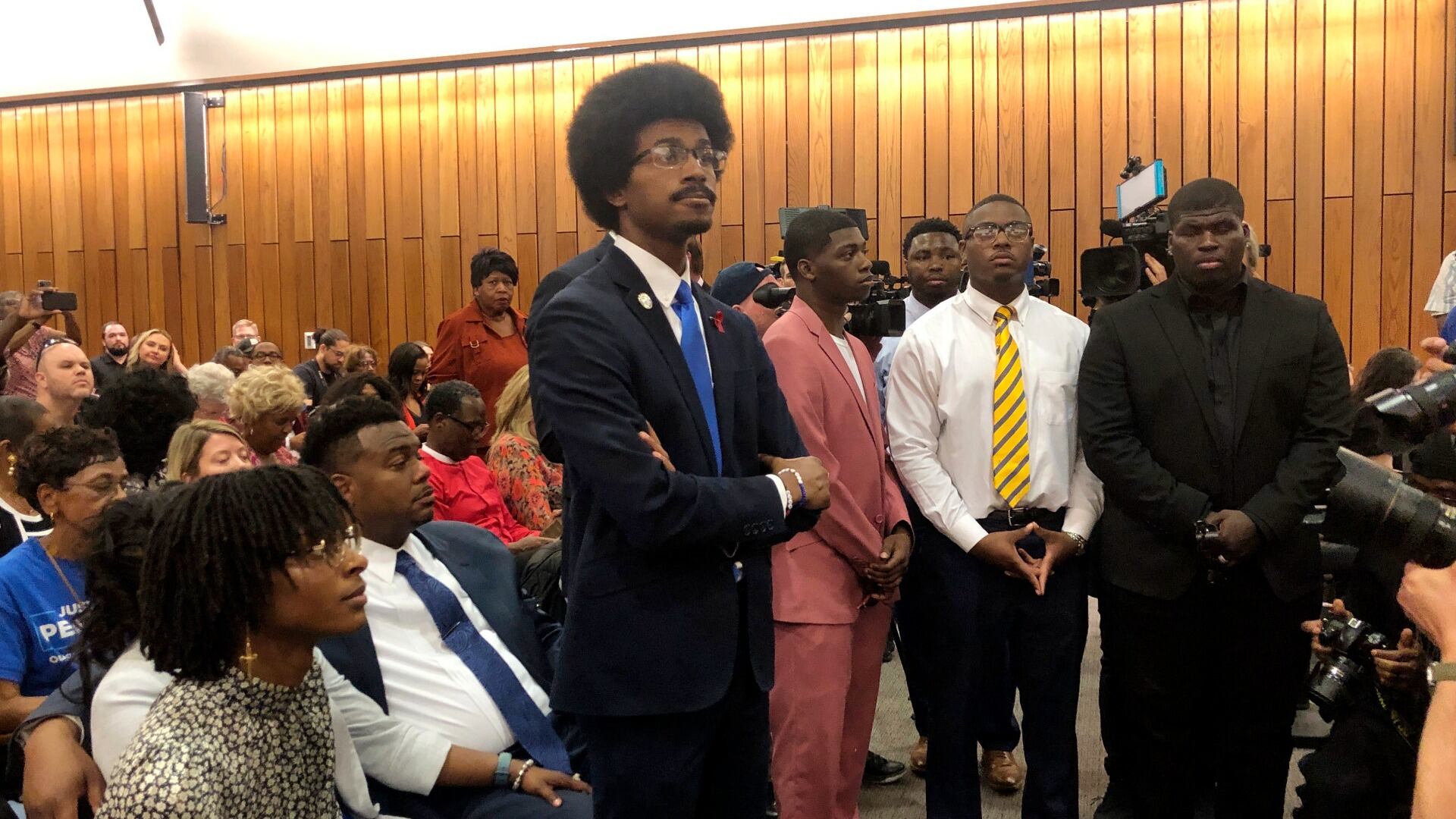
The second of two Black Democrats expelled from the Republican-led Tennessee House will return to the Legislature after a Memphis commission voted to reinstate him Wednesday.
Some abortion clinics are fielding lots of calls from patients since a court ruling last Friday threatened the availability of a main drug used in medication abortion, mifepristone.
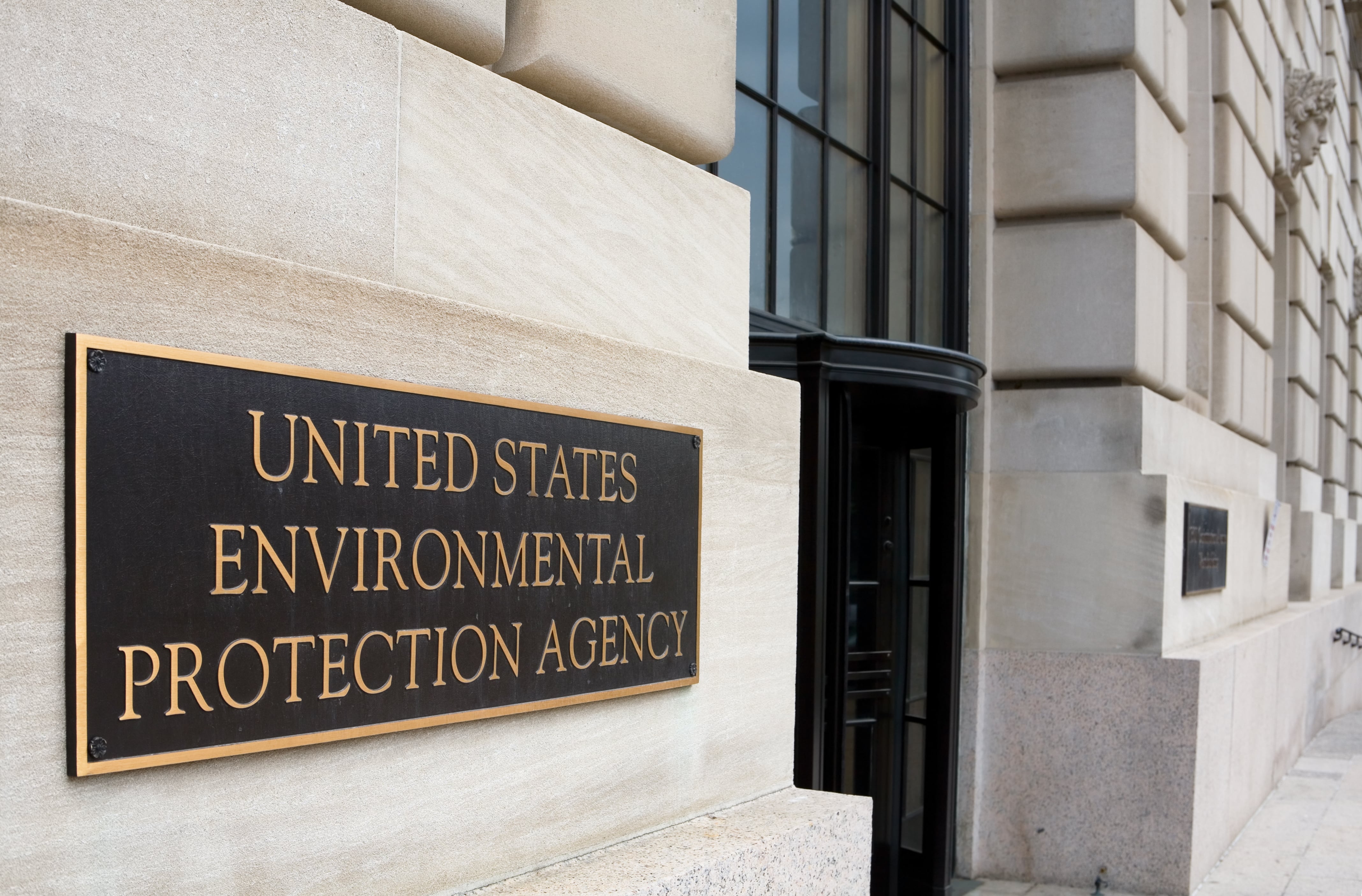
The Biden administration released an environmental analysis Tuesday that outlined two ways that seven Western states and tribes reliant on the over-tapped Colorado River could cut their use, but declined to publicly take a side on the best option.