Peter Rahal, Co-founder and CEO of RXBar, says the company was founded on the transparency of its ingredients, and that purpose led to a $600 million buyout from Kellogg.
Rahal explains why ever ingredient in every product is in bold letters on the front of the package. When the company started out, "people would be like ‘well what is it?'” So they made the answer easy to find.
Rahal discusses RXBAR's $600 million sale to Kellogg, and the future direction of the company, where he will remain as CEO. We talk about the whirlwind the company's evolution has been, given that it was founded in 2013, when Rahal and his co-founder were both broke. Then we look ahead to what's next for the company after the Kellogg buyout.
Suzy Batiz, founder and CEO of ~Pourri, discusses creating Poo-Pourri, building out multiple businesses, and why she believes any problem can be overcome.
Fresh off his unanimous appointment as interim CEO, Dax Dasilva shares his strategy for Lightspeed and why growth and profitability are his biggest focus.
Eddie Ghabour, co-founder and owner of KEY Advisors Wealth Management, explains why he’s investing in India, what could happen if inflation rises again, and the long-term ‘debt bubble’ looming.
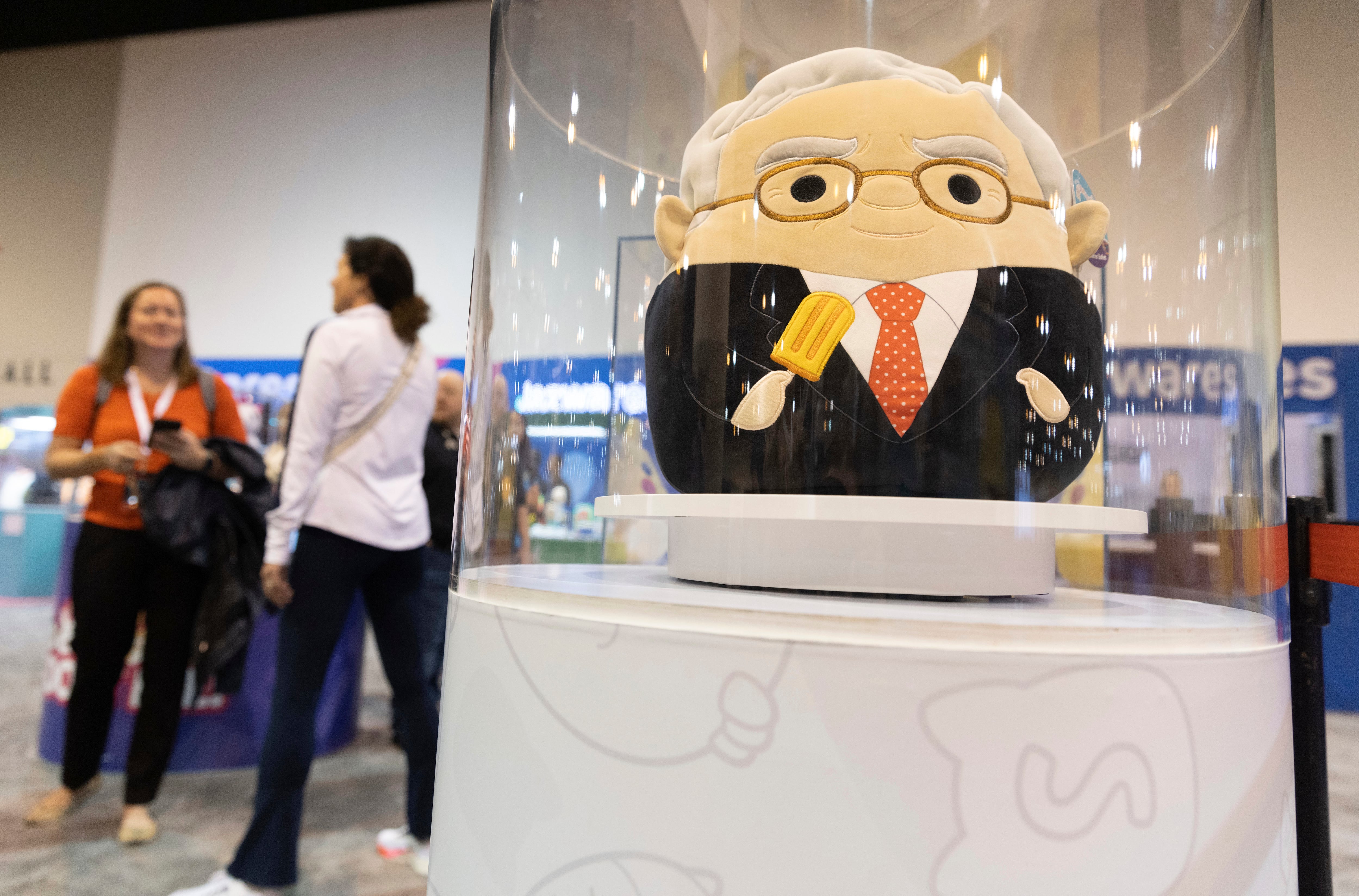
The company behind Squishmallows says Build-A-Bear's new Skoosherz toys are a copy of their own plushies. Build-A-Bear filed their own suit basically responding, "No they're not!"
While tech employees worry about artificial intelligence taking over their jobs, Microsoft says Iran, North Korea, and more U.S. adversaries are beginning to use AI in cyber spying.
The self-proclaimed "only Post who worked at Kellogg" was a military veteran who fought in World War II before inventing everyone’s favorite fruit-filled breakfast ravioli.
Kevin Gordon, Senior Investment Research Manager at Charles Schwab, shares his thoughts on how investors can take advantage of the current bull market while keeping in mind the impacts of Fed policy and inflation.
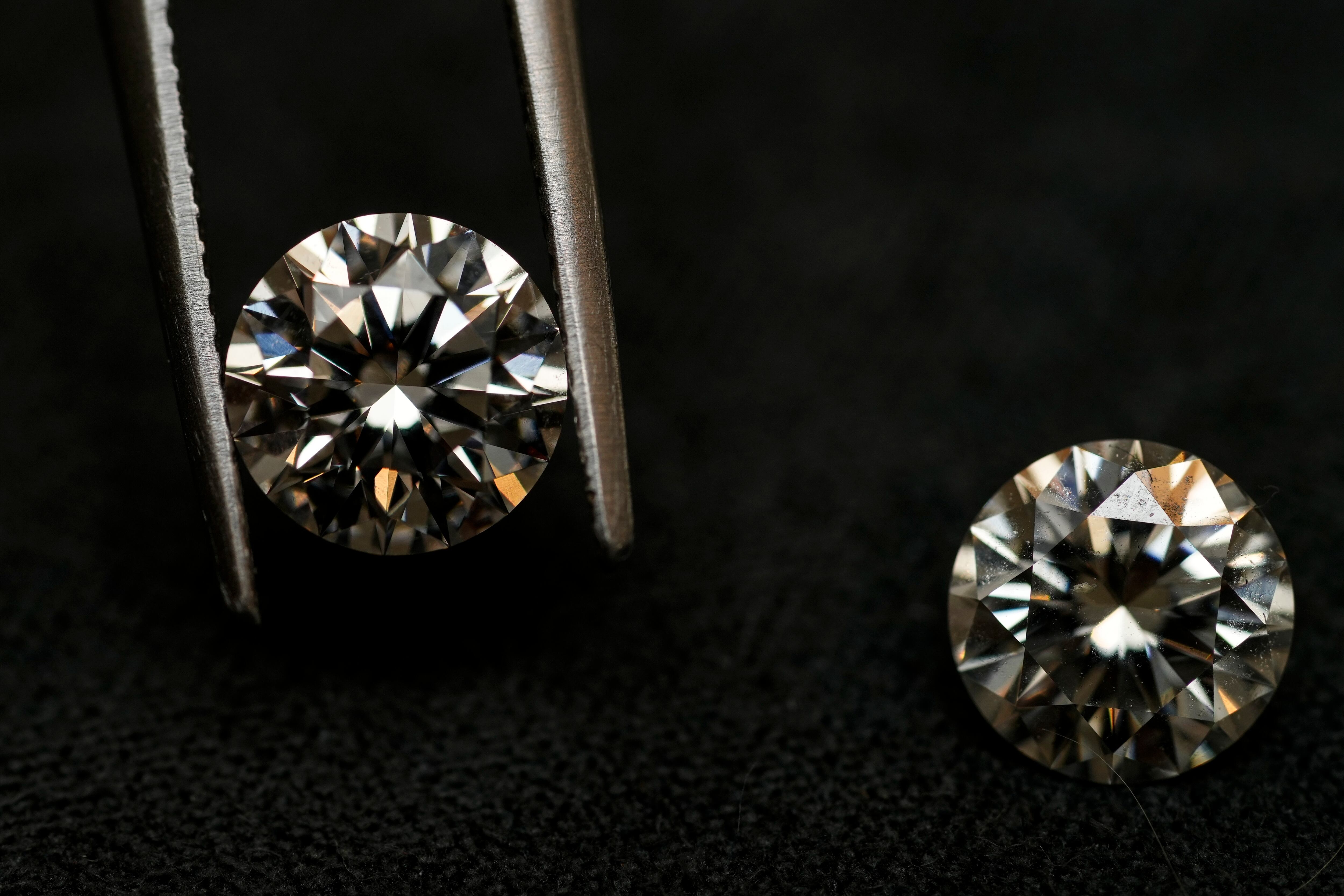
Lab-created diamonds come with sparkling claims: that they are ethically made by machines running on renewable energy. But many don't live up to these claims or don't respond to questions about their electricity sources, and lab diamonds require a lot of electricity.