Alternative search engine DuckDuckGo has been around for 10 years and champions internet privacy and security. The secure search engine does not track users IP addresses nor their search history. Now, DuckDuckGo is out with a new product to keep consumers safe when they travel onto sites outside of the search engine.
Gabriel Weinberg is the CEO and Founder of DuckDuckGo. Weinberg touts that DuckDuckGo prides itself on keeping user information private. He explains that Google is running trackers on 75% of websites. On any site you visit, it is likely that Google or Facebook is in the background of that site and is tracking and selling your data.
For that reason, DuckDuckGo is rolling out technology and an application today that will protect its users when they travel onto websites from the search engine.
DuckDuckGo is trying to break up the advertising duopoly and encourage better privacy practices. DuckDuckGo is ad-supported. It mkaes money by using keyword advertising rather than targeted advertisements. This means that if you search "car" in DuckDuckGo, you will most likely see ads for cars on the page.
Greg Miller, author of "The Apprentice," told Cheddar that the main objective of his new book was to build a comprehensive look at President Trump's relationship with Vladimir Putin as well as the findings of the special counsel probe.
With the midterm elections now less than a month away, Cheddar's J.D. Durkin went to Las Vegas to gauge what is fast becoming one of the most consequential races in the country. Democratic Rep. Jacky Rosen is challenging GOP Sen. Dean Heller for his seat and, according to new polling, has taken a slim lead. For a deeply purple state that went for Hillary Clinton in 2016 but still maintains significant support for Pres. Trump, the race is becoming a bellwether for the national state of play.
A landmark report issued by the Intergovernmental Panel on Climate Change Monday warned that there could be irreversible damage caused by climate change in as little as 12 years. Andrew Freedman, science reporter at Axios, said the effects of this could be even hotter heat waves, sea-levels rising that could wipe out coastal cities, food shortages, and more.
Why do we pretend Supreme Court Justices aren't political appointees? Why are they still given lifetime appointments? John Iadarola, co-host of The Young Turks, and Nick Givas, reporter for the Daily Caller, looked at the court landscape after one of the most partisan confirmation battles in history.
These are the headlines you Need 2 Know.
The Maine Republican, a key swing vote in Brett Kavanaugh's Supreme Court confirmation process, said she would support the nominee in the final vote expected Saturday. Collins, along with Sen. Jeff Flake (R-AZ) who indicated he too would vote along party lines, could be the deciding factors that give Kavanaugh the votes he needs.
Sharyn Tejani, director of the Time's Up Legal Defense Fund, which represents victims of sexual harassment, said the effort in the year since Harvey Weinstein's accusers came forward is unprecedented. "If you had told me at any point in that time that we would have an organization like this one that's focused on low-wage workers and focused on sexual harassment, I would have told you that's simply impossible," she said.
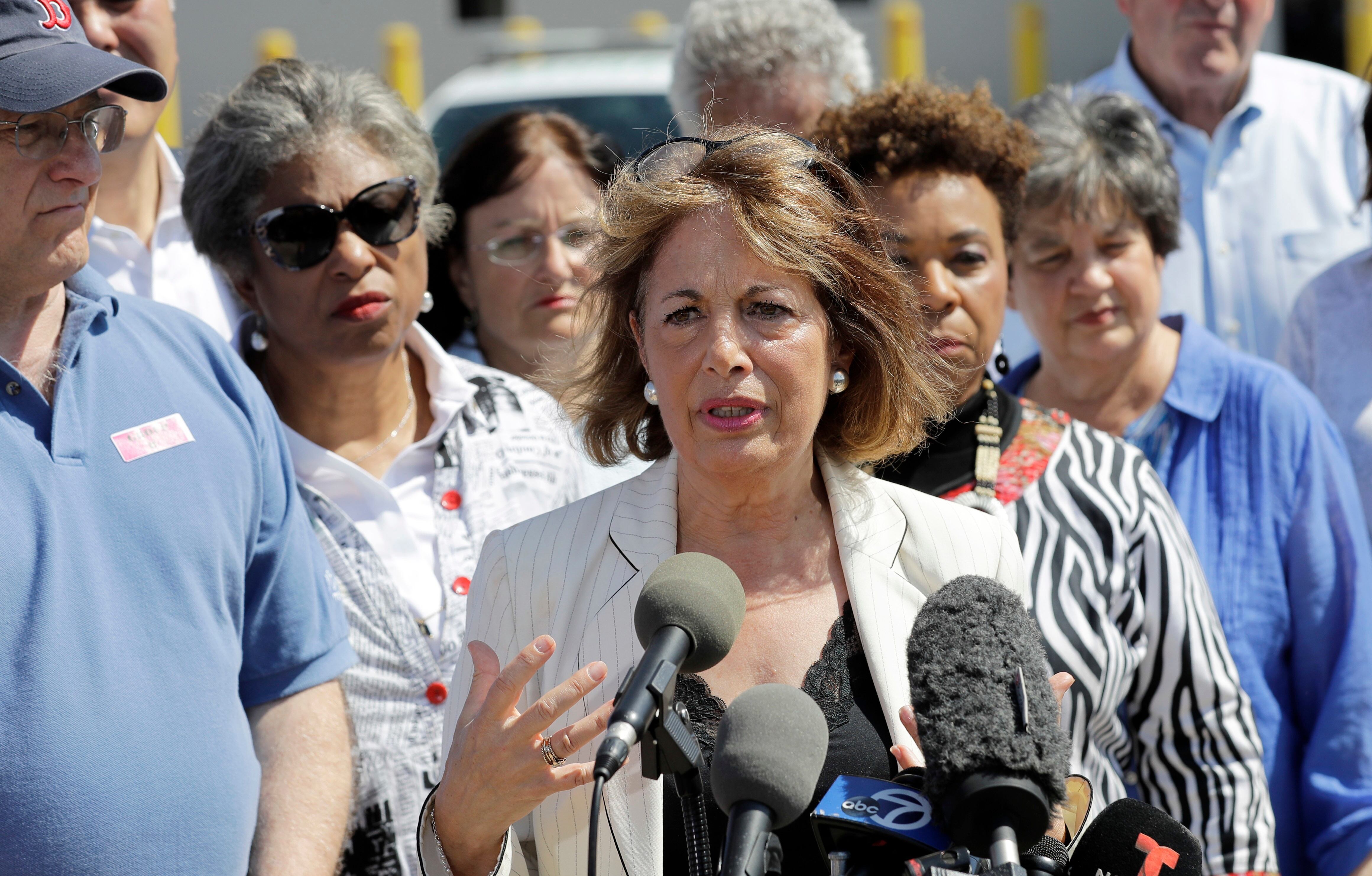
The California Congresswoman sponsored a bill along with Sen. Kirsten Gillibrand shortly after the dawn of the #MeToo and Time's Up movements. While some steps have been enacted in the House, Speier says there's been little movement in the Senate. When you watch the Brett Kavanaugh hearings, she said, "you can understand why we're still negotiating on the Senate side."
The Senate had a procedural vote on Friday morning on the Supreme Court nominee and everyone voted along party lines, except two key Senators. Joe Manchin, a Democrat from West Virginia voted 'Yes' while Republican Lisa Murkowski of Alaska voted 'No.' That sets up a final vote to confirm Kavanaugh's nomination as early as Saturday.
These are the headlines you Need 2 Know.