Alternative search engine DuckDuckGo has been around for 10 years and champions internet privacy and security. The secure search engine does not track users IP addresses nor their search history. Now, DuckDuckGo is out with a new product to keep consumers safe when they travel onto sites outside of the search engine.
Gabriel Weinberg is the CEO and Founder of DuckDuckGo. Weinberg touts that DuckDuckGo prides itself on keeping user information private. He explains that Google is running trackers on 75% of websites. On any site you visit, it is likely that Google or Facebook is in the background of that site and is tracking and selling your data.
For that reason, DuckDuckGo is rolling out technology and an application today that will protect its users when they travel onto websites from the search engine.
DuckDuckGo is trying to break up the advertising duopoly and encourage better privacy practices. DuckDuckGo is ad-supported. It mkaes money by using keyword advertising rather than targeted advertisements. This means that if you search "car" in DuckDuckGo, you will most likely see ads for cars on the page.
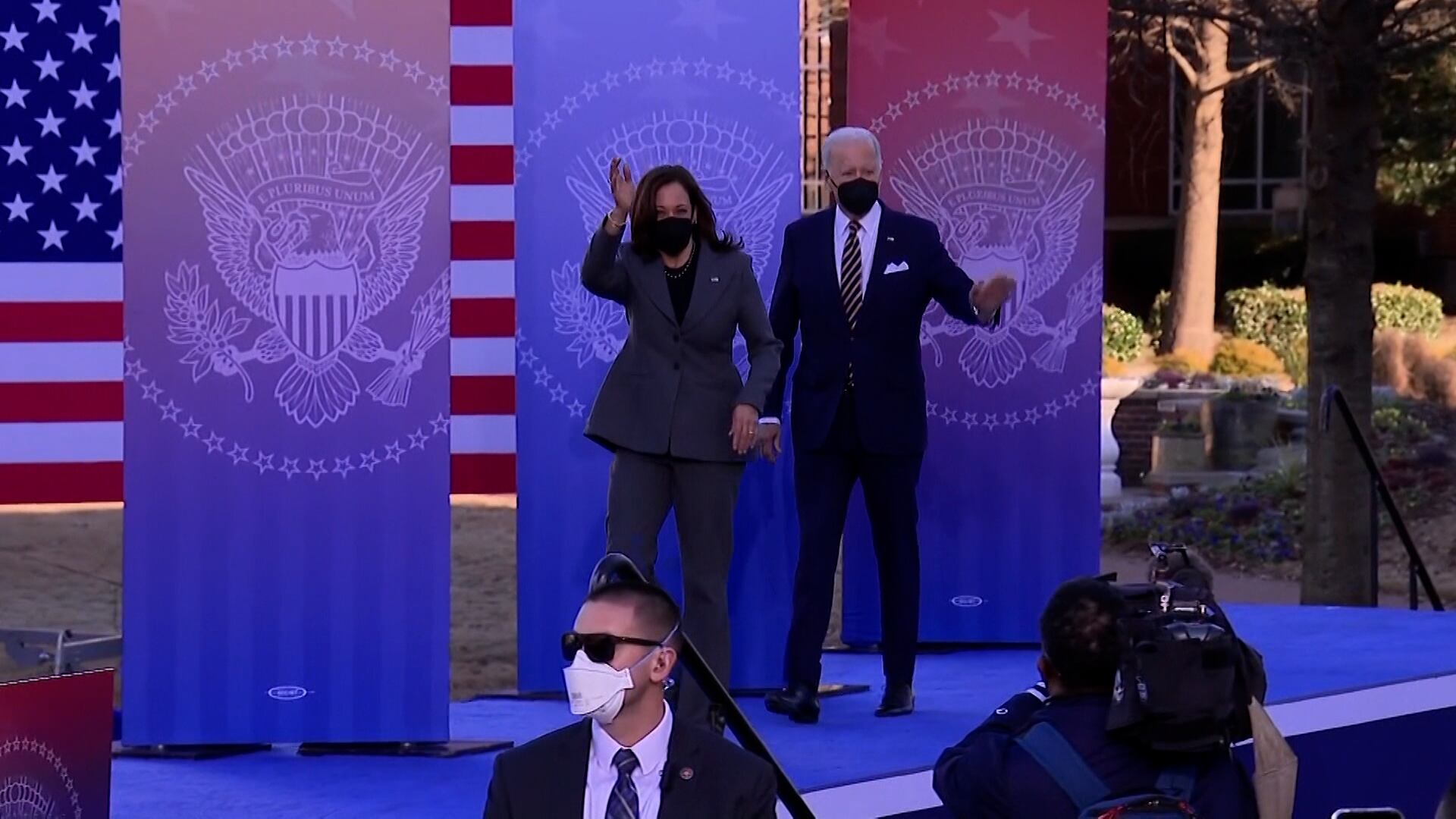
At a Wednesday news conference to mark his first year in office, President Joe Biden is admitting that the pandemic has exhausted and demoralized many Americans.
The Biden administration on Tuesday quietly launched its website for Americans to request free at-home COVID-19 tests, a day before the site was scheduled to officially launch.
Just 27% of voters aged 18-29 approve of the job Biden is doing as president, according to a survey from The Economist and YouGov late last year. Santiago Mayer, executive director of Voters of Tomorrow, joins Cheddar Politics to discuss why President Biden is losing support among young voters.
Jesse Lehrich, co-founder of Accountable Tech, joins Cheddar News to discuss it being one year since Trump was exiled from social media and the former President's new platform 'Truth Social.'
Cliff Albright, co-founder of the group Black Voters Matter, joins Cheddar Politics to discuss why he boycotted President Biden's voting rights speech this week, and the push from Senate Democrats to debate and vote on the Freedom to Vote Act and the John Lewis Voting Rights Advancement Act.
Senator Jon Ossoff (D-Ga.) has teamed up with fellow Democratic senator and former astronaut Mark Kelly to introduce the Ban Congressional Stock Trading Act, a bill to essentially end stock trading by sitting lawmakers. From the other side of the aisle, Senator Josh Hawley (R-Mo.) introduced his own legislation to enact something similar. The dueling bills come at a time when it's popular to constrain members of Congress from owning and trading stocks. Karl Evers-Hillstrom, a business and lobbying reporter at The Hill, spoke to Cheddar about the significance of the bills, and what they could mean for lawmakers, their families, and staffers moving forward.