*By Carlo Versano*
Day one of Brett Kavanaugh's Senate confirmation hearings got off to a raucous start Tuesday: protesters interrupted the proceedings, Democrats called for an adjournment, and Sen. John Cornyn of Texas said he'd never before seen a hearing "led by mob rule."
It took seven hours before the nominee could deliver his opening statement.
The tactics, while good fodder for television, are unlikely to be very effective for Democrats, said Erin Delmore, a senior political correspondent for Bustle. They also reveal the level of Democrats' desperation, she said Tuesday in an interview on Cheddar.
"It does show you how weak their hand is here," she said.
Democrats, in a futile effort to delay the hearing, were responding to growing frustrations from their base that the party has not been vocal enough in protesting the successor to Anthony Kennedy. If Kavanaugh, a staunch Republican, is confirmed, he may well tilt the court's ideology right-ward for at least a generation, as he'd replace a man who often acted as a swing vote on landmark decisions.
Justice Kennedy authored the majority opinions for [*Lawrence v. Texas*](https://supreme.justia.com/cases/federal/us/539/558/), which lifted the state's ban on sodomy, and 2013's [*Windsor v. U.S.*](http://www.scotusblog.com/case-files/cases/windsor-v-united-states-2/), the landmark decision that granted same-sex couples the right to marry in certain states.
The ever-polarizing *Roe v. Wade* is among the cases Kavanaugh's vote could turn. He has been asked about where he stands on choice by several moderate female senators, including Susan Collins (R-ME) and Lisa Murkowski (R-AK), who both said Kavanaugh told them he considered Roe to be "settled law."
The key question is, "does he believe *Roe v. Wade* was settled correctly," said Delmore. That's one interrogative he's unlikely to answer in this hearing.
"If \[Collins and Murkowski\] seem like this is enough for them, then this is over," Delmore said, referring to the chance that Kavanaugh could not be confirmed.
For full interview [click here](https://cheddar.com/videos/the-women-who-will-determine-brett-kavanaughs-fate).
The U.S. Senate Committee on Banking, Housing and Urban Affairs introduced legislation Tuesday requiring banks to maintain “digital dollar wallets” for coronavirus stimulus payments to consumers.
New York Governor Andrew Cuomo Wednesday afternoon said the greatest strain on the state’s health care system from the coronavirus could come in approximately 21 days, while also providing early indications about steps the state might eventually take to restart the economy.
One of the most influential industries on Capitol Hill was left out of the package that advanced early Wednesday, an apparent setback for a sector that had expected to easily secure $3 billion to fund the purchase of oil to fill the Strategic Petroleum Reserve (SPR).
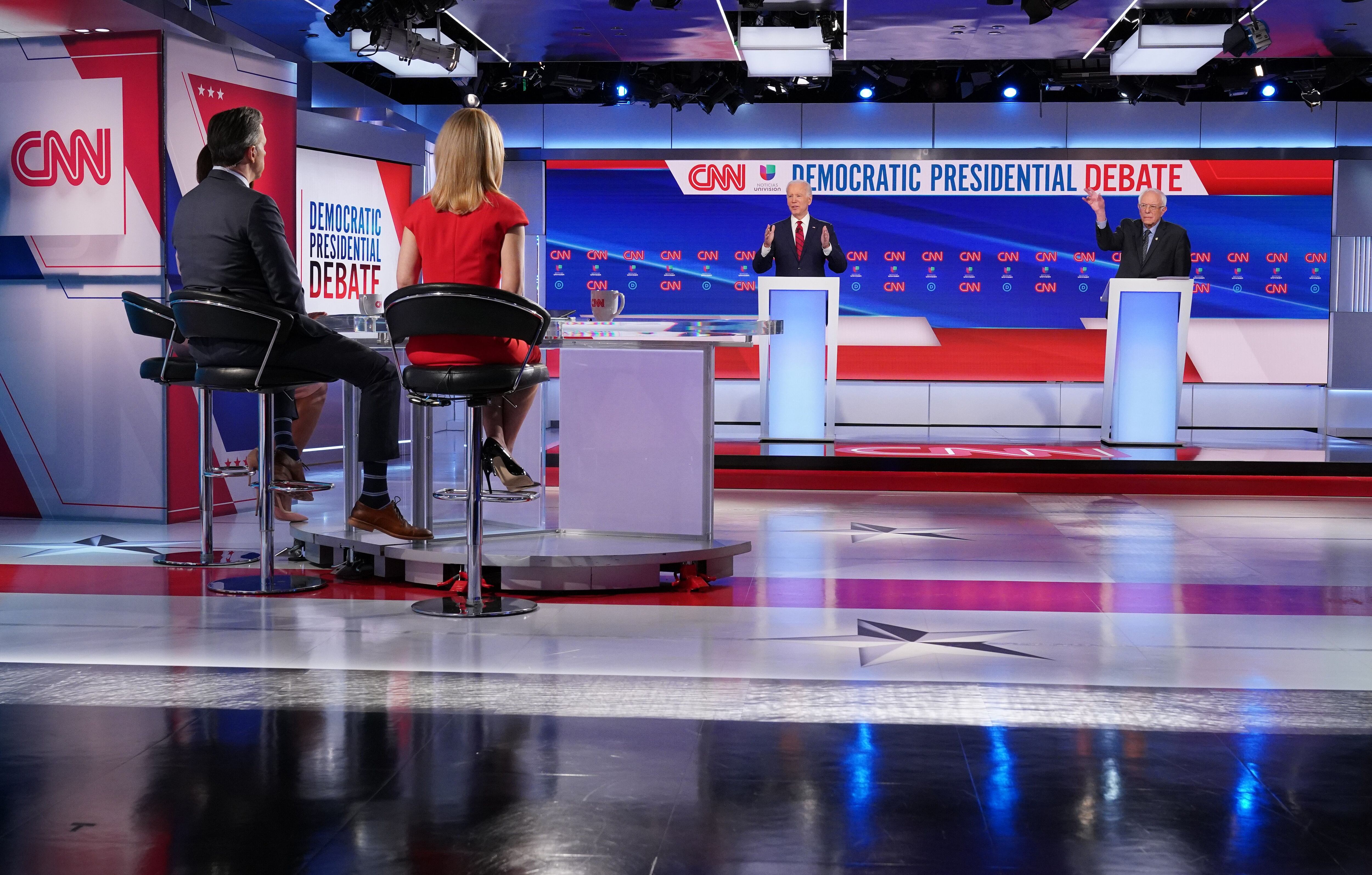
There's no 12th Democratic presidential debate on the horizon now that the nominating process is in a holding pattern due to the coronavirus pandemic.
The Senate will reconvene later Wednesday to vote on the package. But that does not mean the bill is guaranteed to land on President Donald Trump’s desk. The House of Representatives has to pass it, and that may not be an easy feat.
The White House and Senate leaders of both major political parties announced agreement early Wednesday on an unprecedented $2 trillion emergency bill to rush sweeping aid to businesses, workers and a health care system slammed by the coronavirus pandemic.
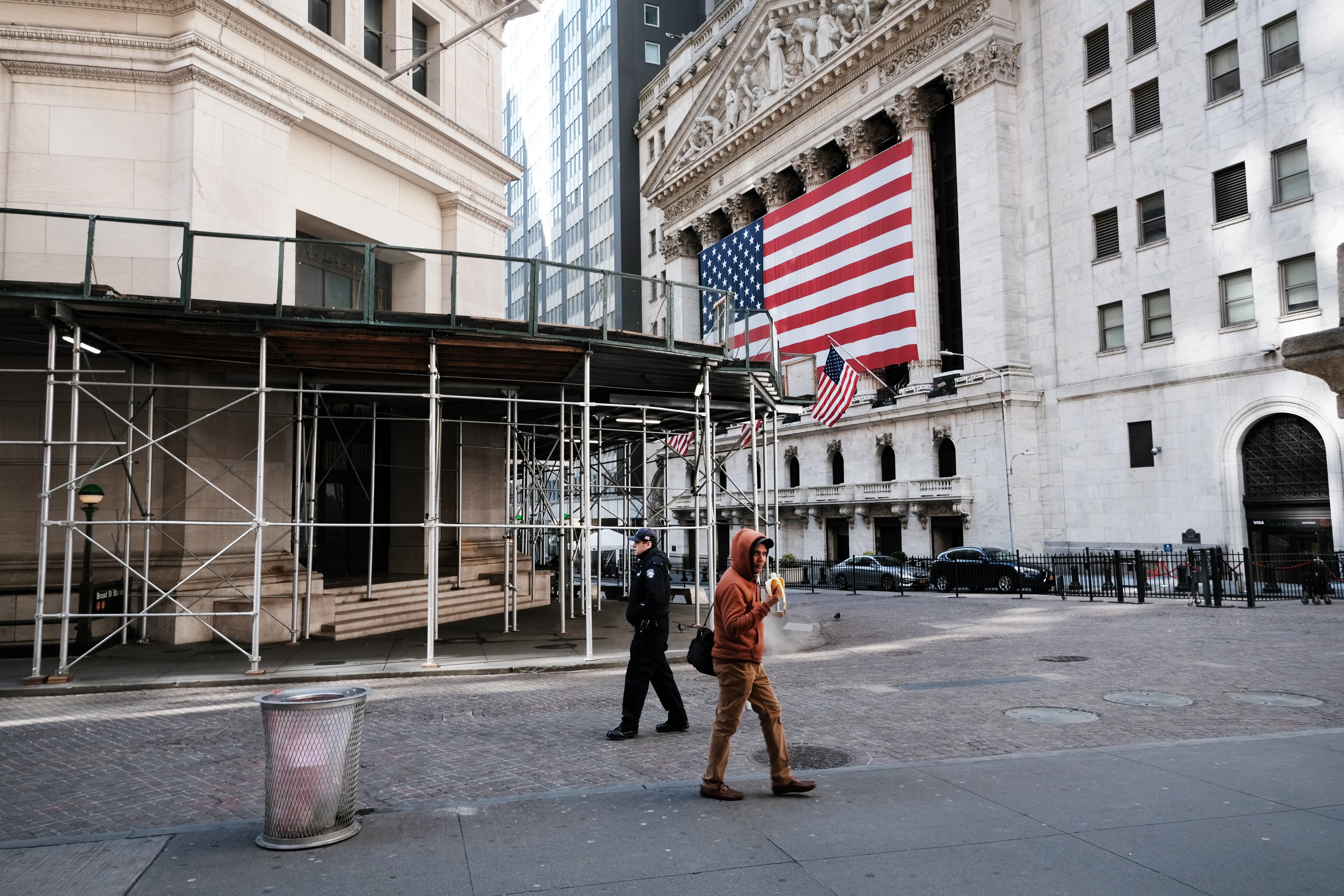
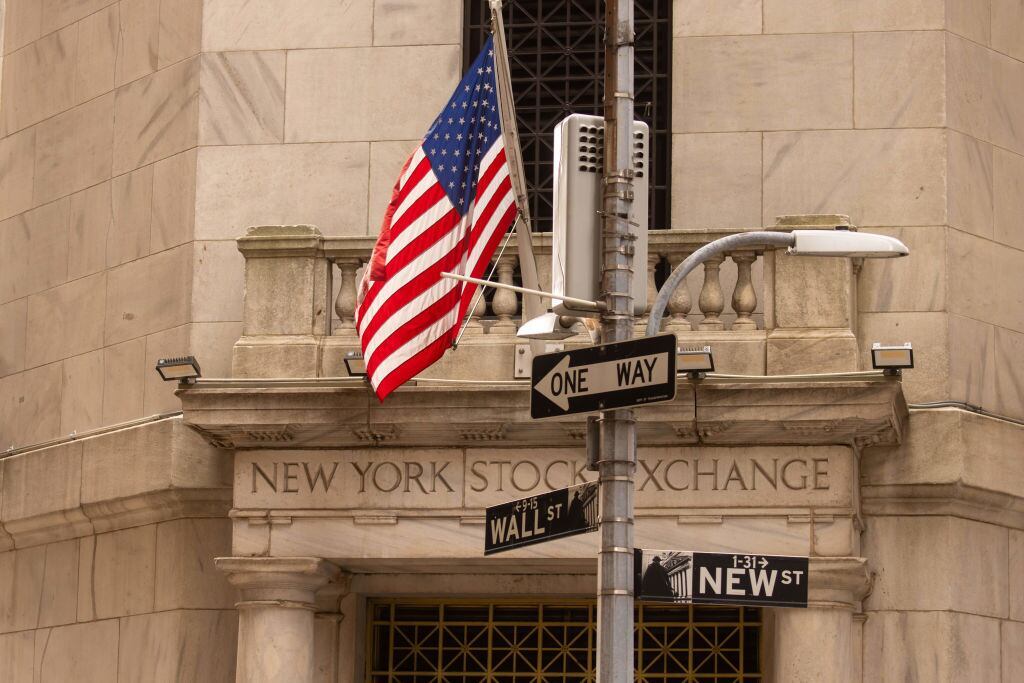
Stocks are moving tentatively higher in early trading on Wall Street Wednesday after Congress and the White House reached a deal to inject nearly $2 trillion of aid into an economy ravaged by the coronavirus.
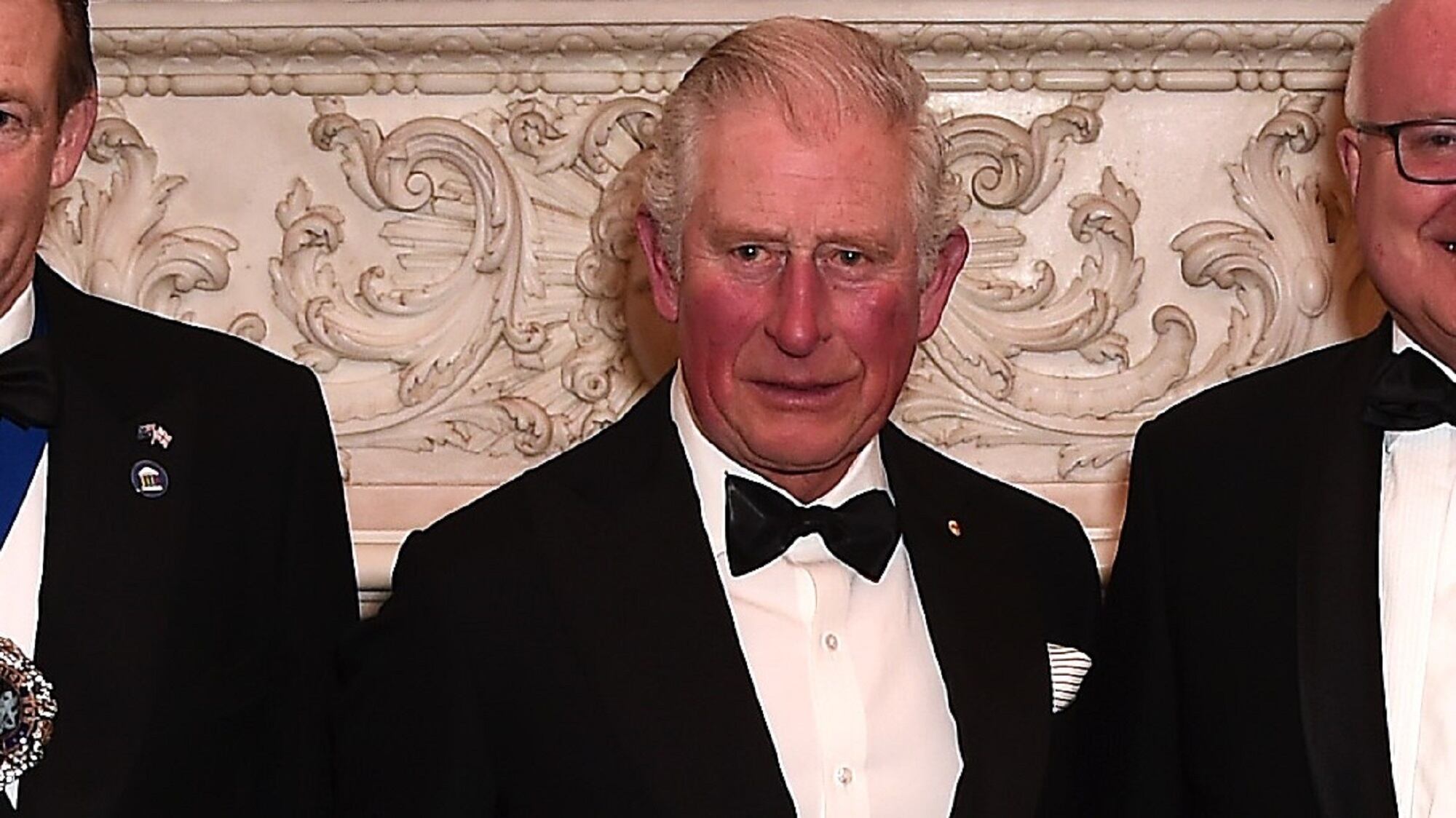
The death toll in Spain from the coronavirus shot up by more than 700 on Wednesday, surpassing China and is now second only to Italy as the pandemic spread rapidly in Europe, with even Britain’s Prince Charles testing positive for the virus.
Each piece of legislation is long: 247 pages for the Senate bill and a whopping 1,404 pages for the House bill. While we cannot distill every provision, here’s a look at some of the major differences between the two pieces of legislation.
Stocks are jumping in midday trading on Wall Street Tuesday amid expectations that Congress is nearing a deal on a big coronavirus relief bill. That would follow more aggressive steps from the Federal Reserve announced a day earlier to support lending and bond markets.