*By Carlo Versano*
Day one of Brett Kavanaugh's Senate confirmation hearings got off to a raucous start Tuesday: protesters interrupted the proceedings, Democrats called for an adjournment, and Sen. John Cornyn of Texas said he'd never before seen a hearing "led by mob rule."
It took seven hours before the nominee could deliver his opening statement.
The tactics, while good fodder for television, are unlikely to be very effective for Democrats, said Erin Delmore, a senior political correspondent for Bustle. They also reveal the level of Democrats' desperation, she said Tuesday in an interview on Cheddar.
"It does show you how weak their hand is here," she said.
Democrats, in a futile effort to delay the hearing, were responding to growing frustrations from their base that the party has not been vocal enough in protesting the successor to Anthony Kennedy. If Kavanaugh, a staunch Republican, is confirmed, he may well tilt the court's ideology right-ward for at least a generation, as he'd replace a man who often acted as a swing vote on landmark decisions.
Justice Kennedy authored the majority opinions for [*Lawrence v. Texas*](https://supreme.justia.com/cases/federal/us/539/558/), which lifted the state's ban on sodomy, and 2013's [*Windsor v. U.S.*](http://www.scotusblog.com/case-files/cases/windsor-v-united-states-2/), the landmark decision that granted same-sex couples the right to marry in certain states.
The ever-polarizing *Roe v. Wade* is among the cases Kavanaugh's vote could turn. He has been asked about where he stands on choice by several moderate female senators, including Susan Collins (R-ME) and Lisa Murkowski (R-AK), who both said Kavanaugh told them he considered Roe to be "settled law."
The key question is, "does he believe *Roe v. Wade* was settled correctly," said Delmore. That's one interrogative he's unlikely to answer in this hearing.
"If \[Collins and Murkowski\] seem like this is enough for them, then this is over," Delmore said, referring to the chance that Kavanaugh could not be confirmed.
For full interview [click here](https://cheddar.com/videos/the-women-who-will-determine-brett-kavanaughs-fate).
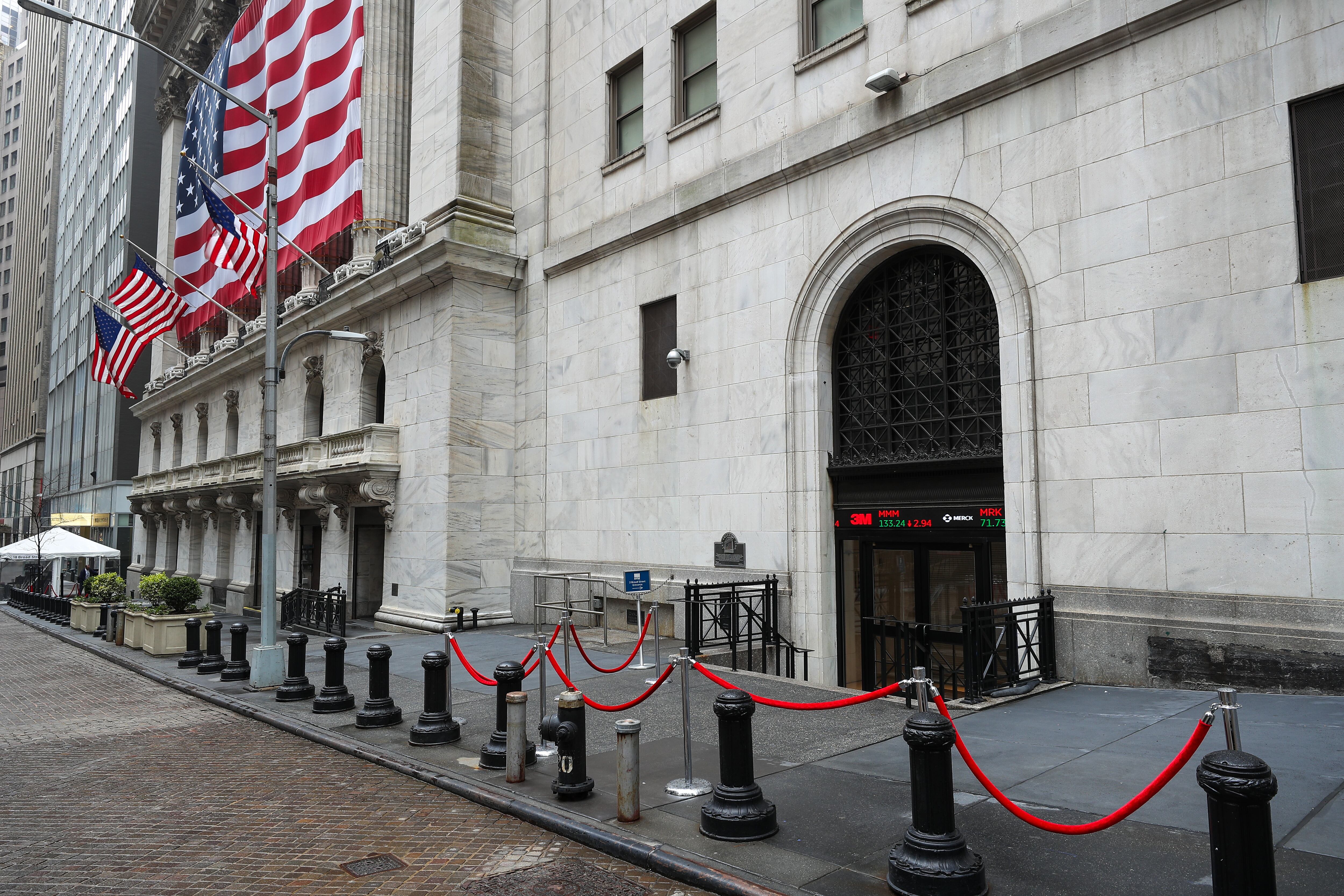
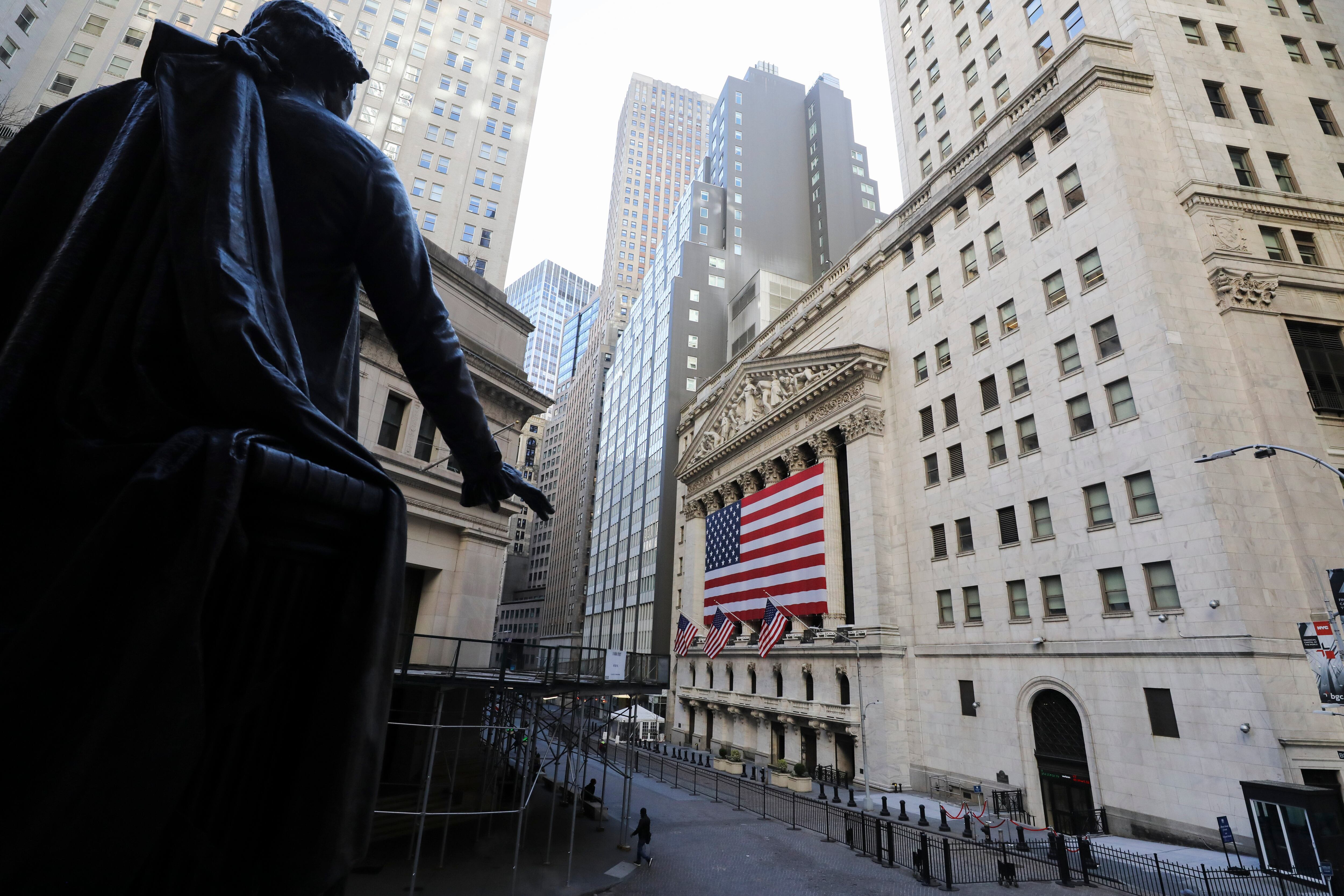
Stocks are inching higher on Wall Street Monday in more volatile trading as investors try to assess whether global authorities can do enough to nurse the economy through the damage caused by the coronavirus outbreak.
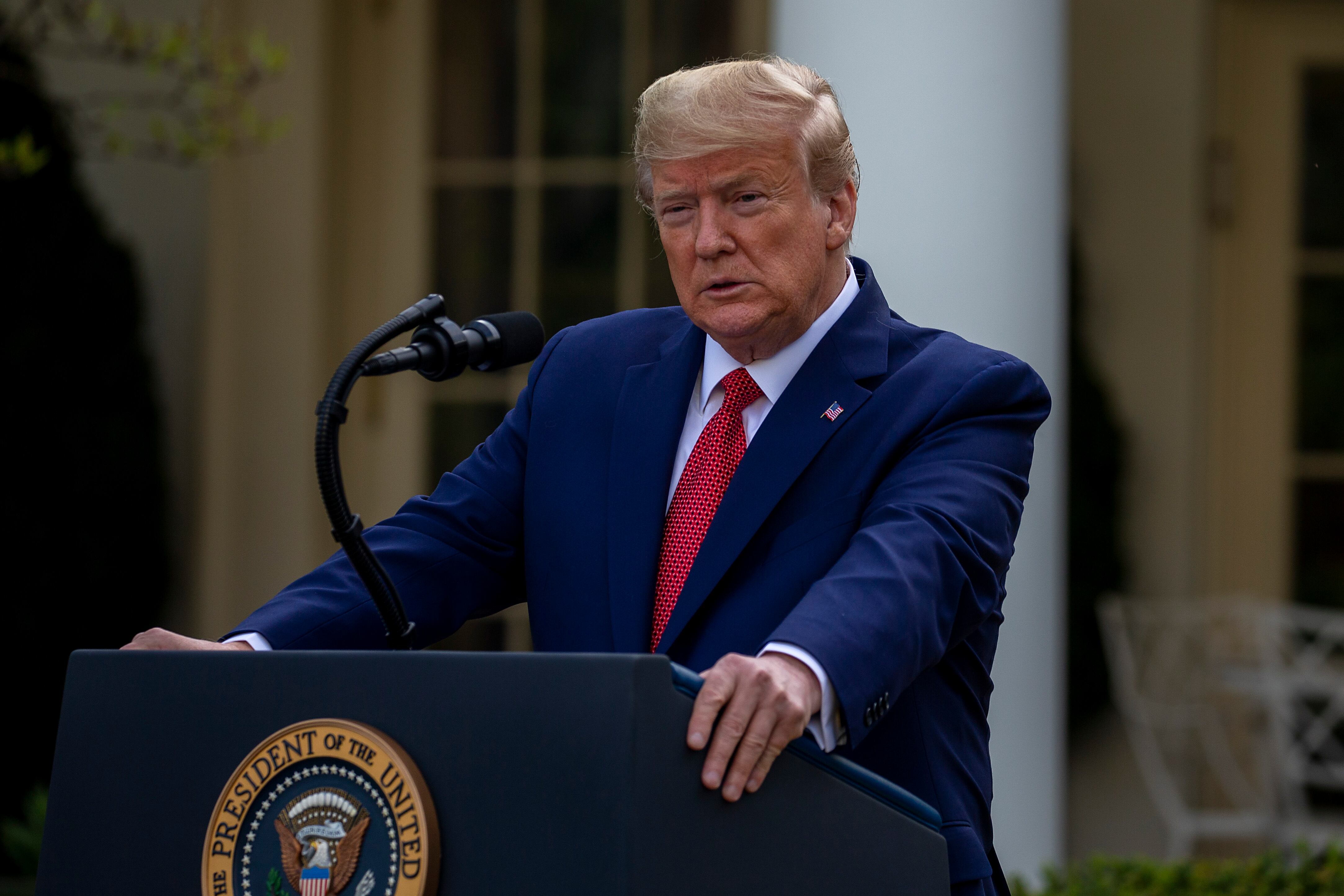
Bracing the nation for a coronavirus death toll that could exceed 100,000 people, President Donald Trump extended restrictive social distancing guidelines through April, bowing to public health experts who presented him with even more dire projections for the expanding coronavirus pandemic.
Trump said that the order will “require General Motors to accept, perform, and prioritize Federal contracts for ventilators." In a statement, he said the contracting process with the automaker was not moving quickly enough.
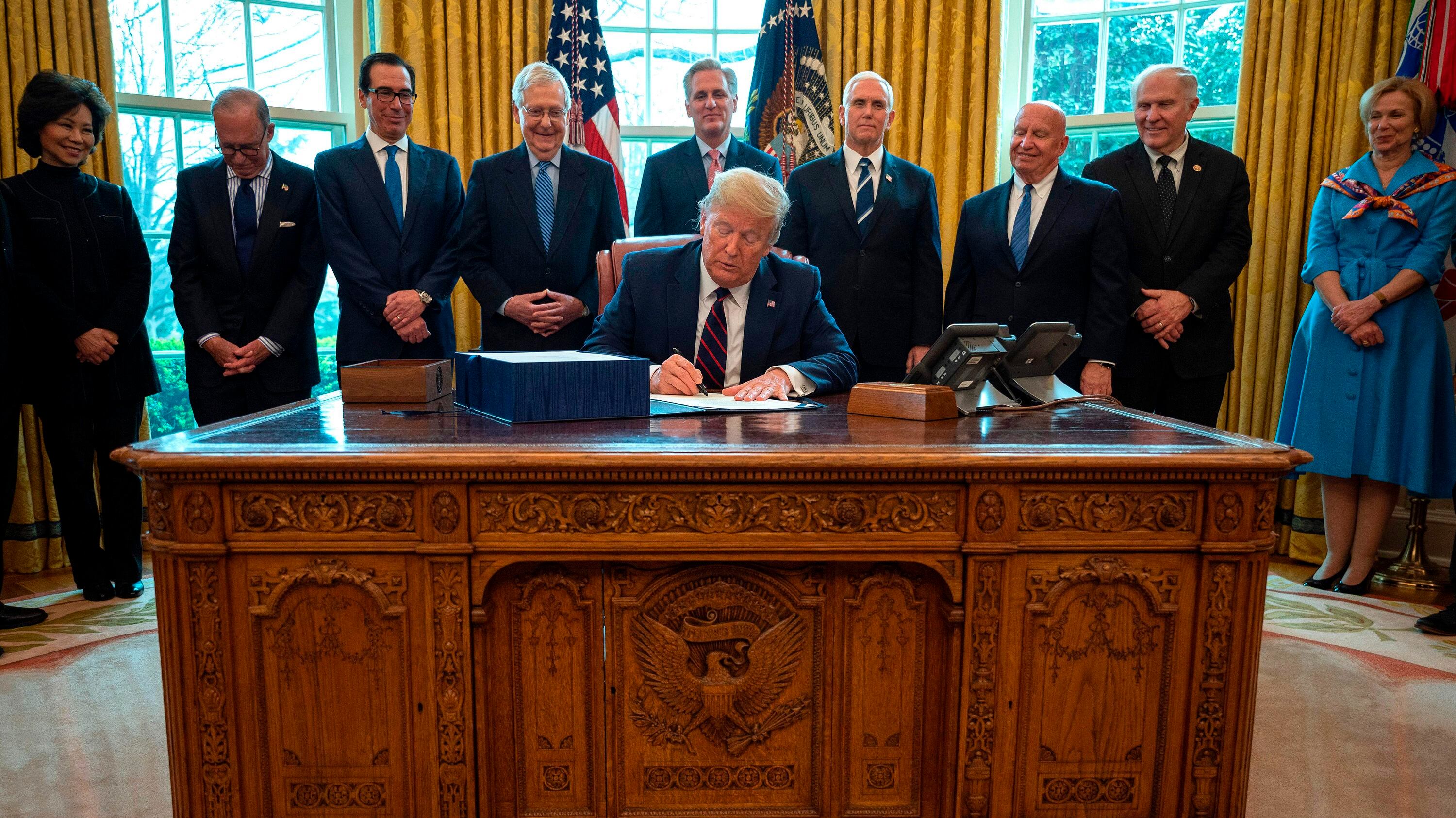
President Donald Trump has signed an unprecedented $2.2 trillion economic rescue package into law, after swift and near-unanimous action by Congress this week.
From Wall Street to Silicon Valley, these are the top stories that moved markets and had investors, business leaders, and entrepreneurs talking this week on Cheddar.
Stocks are moving lower on Wall Street as the market gives back some of the gains it piled up over the past three days. Major indexes are down more than 2% in afternoon trading Friday.
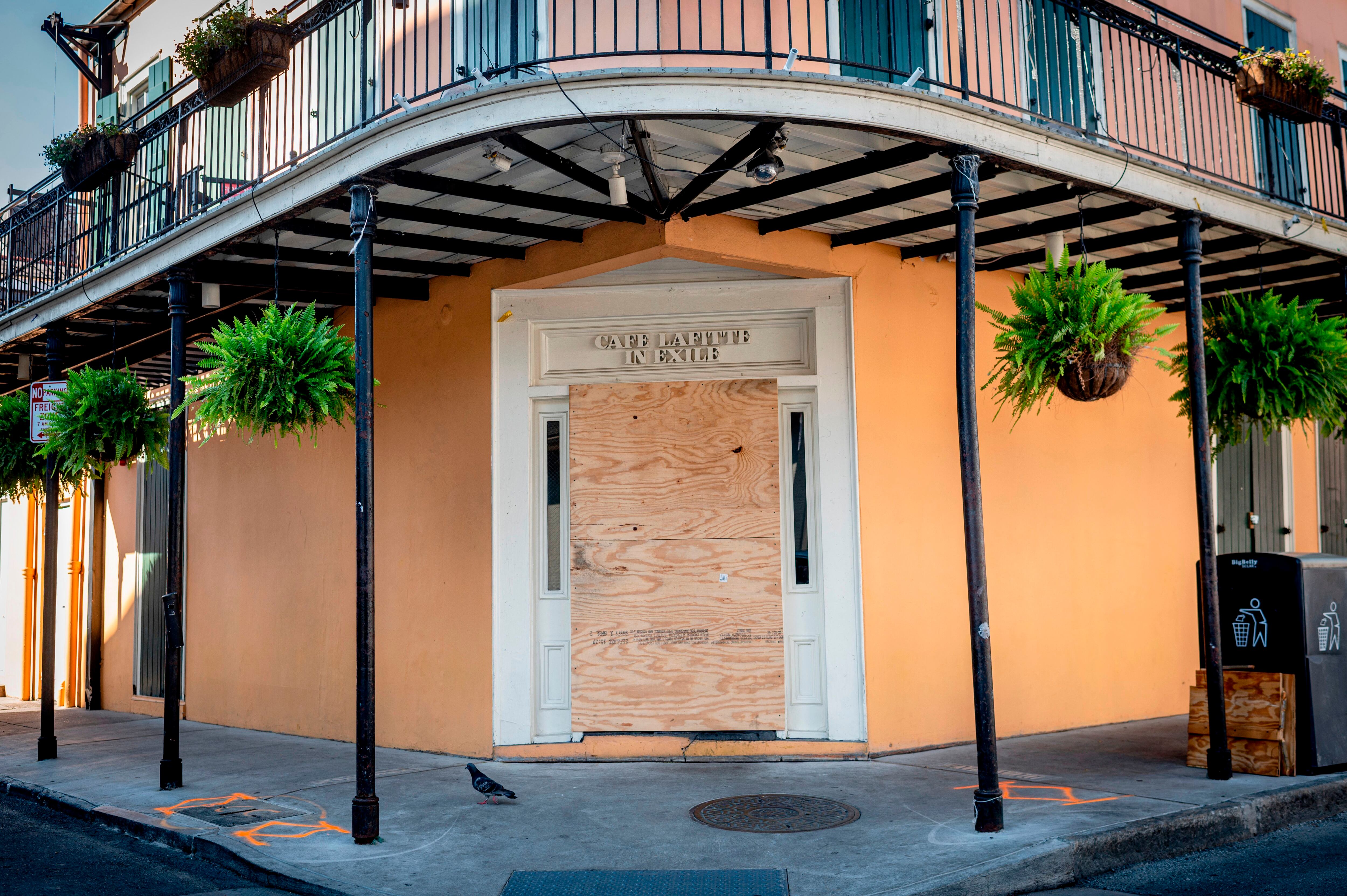
Restaurants are getting creative with private solutions as they hope to continue doing business, even while most of them are physically closed to the public, but the potential for saving most of these businesses may be a long shot.
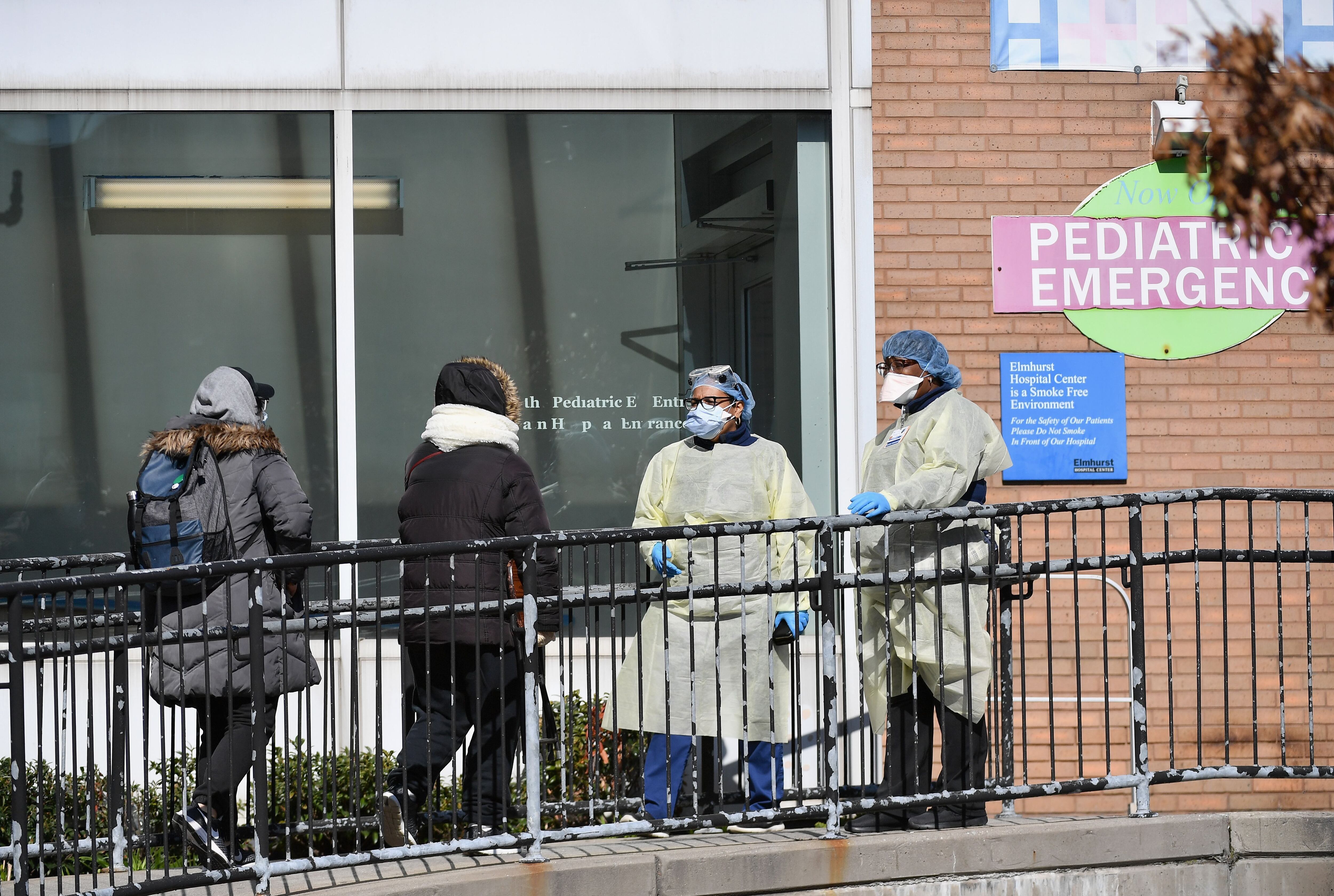
Healthcare workers have launched their own campaigns for gathering personal protective equipment as they fight the coronavirus on the frontlines, with #GetUsPPE trending across social media.
The House of Representatives overwhelmingly passed the $2.2 trillion coronavirus aid package Friday afternoon, but what was expected to be a smooth confirmation process devolved into a mad dash in the Capitol after one of the House’s own threatened to derail the vote with a procedural objection.
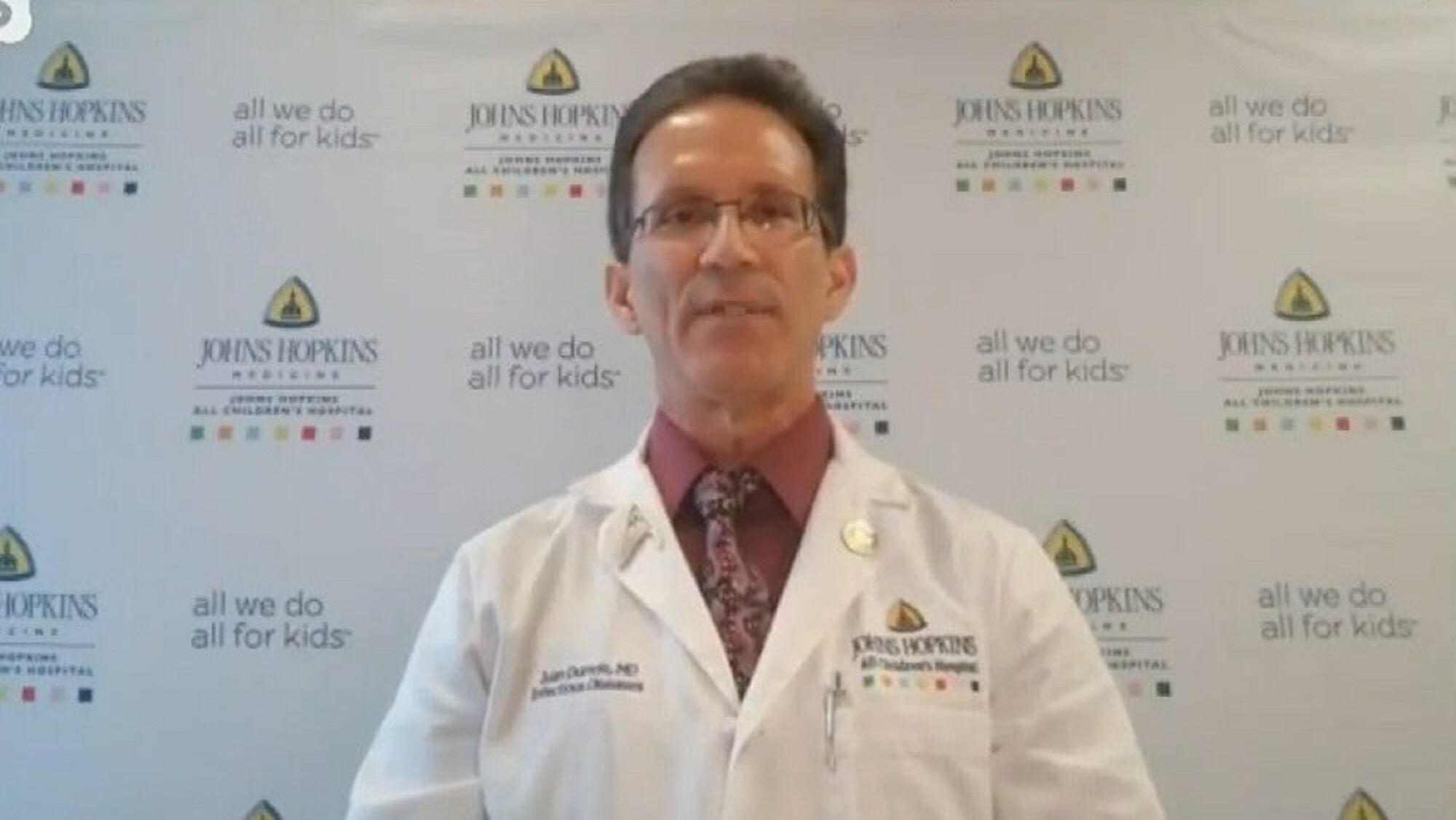
Despite President Donald Trump’s call to put the economy back to work by Easter, one Johns Hopkins physician says there may have to be “variability” in when states and cities restart their economies.