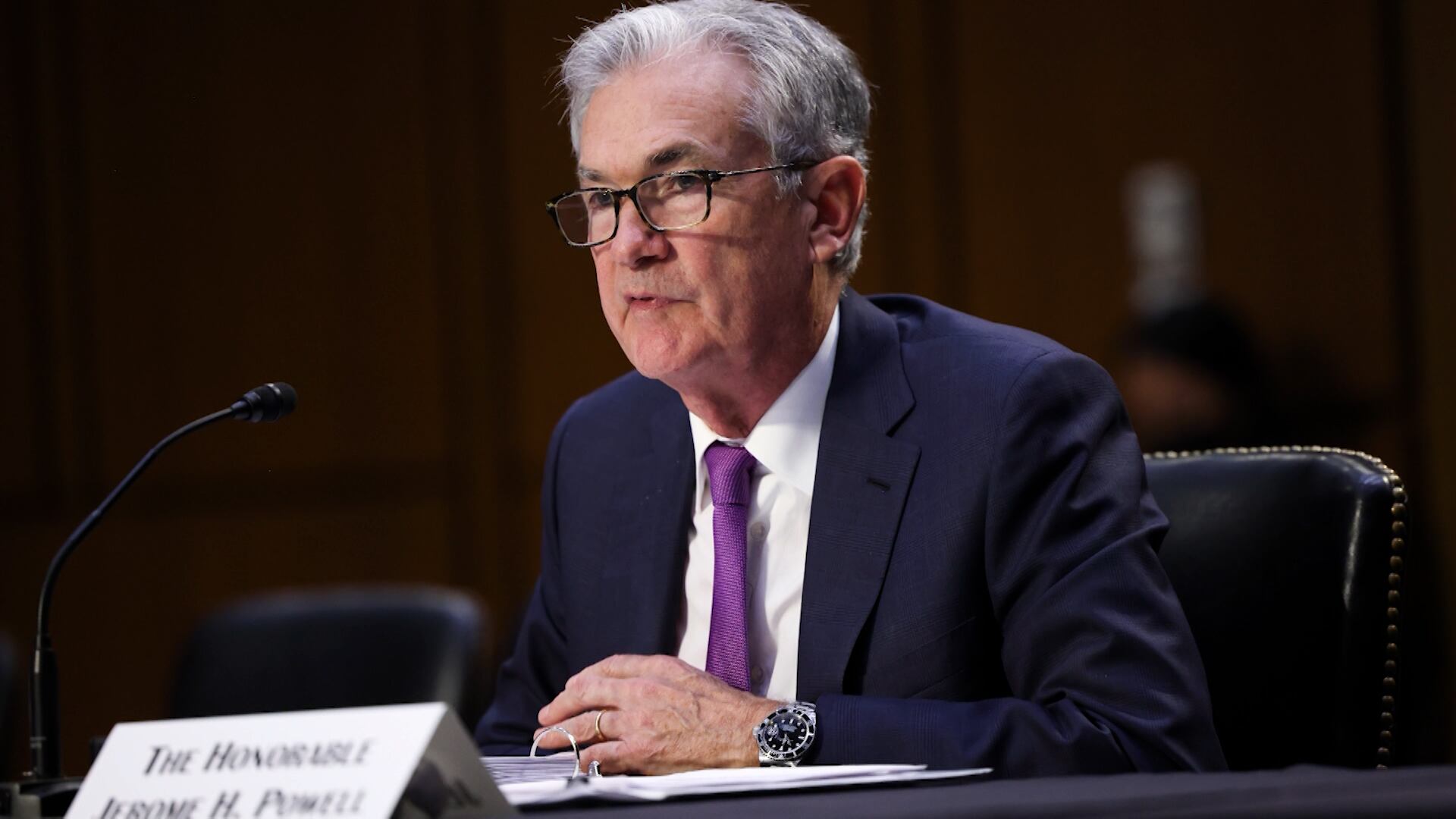
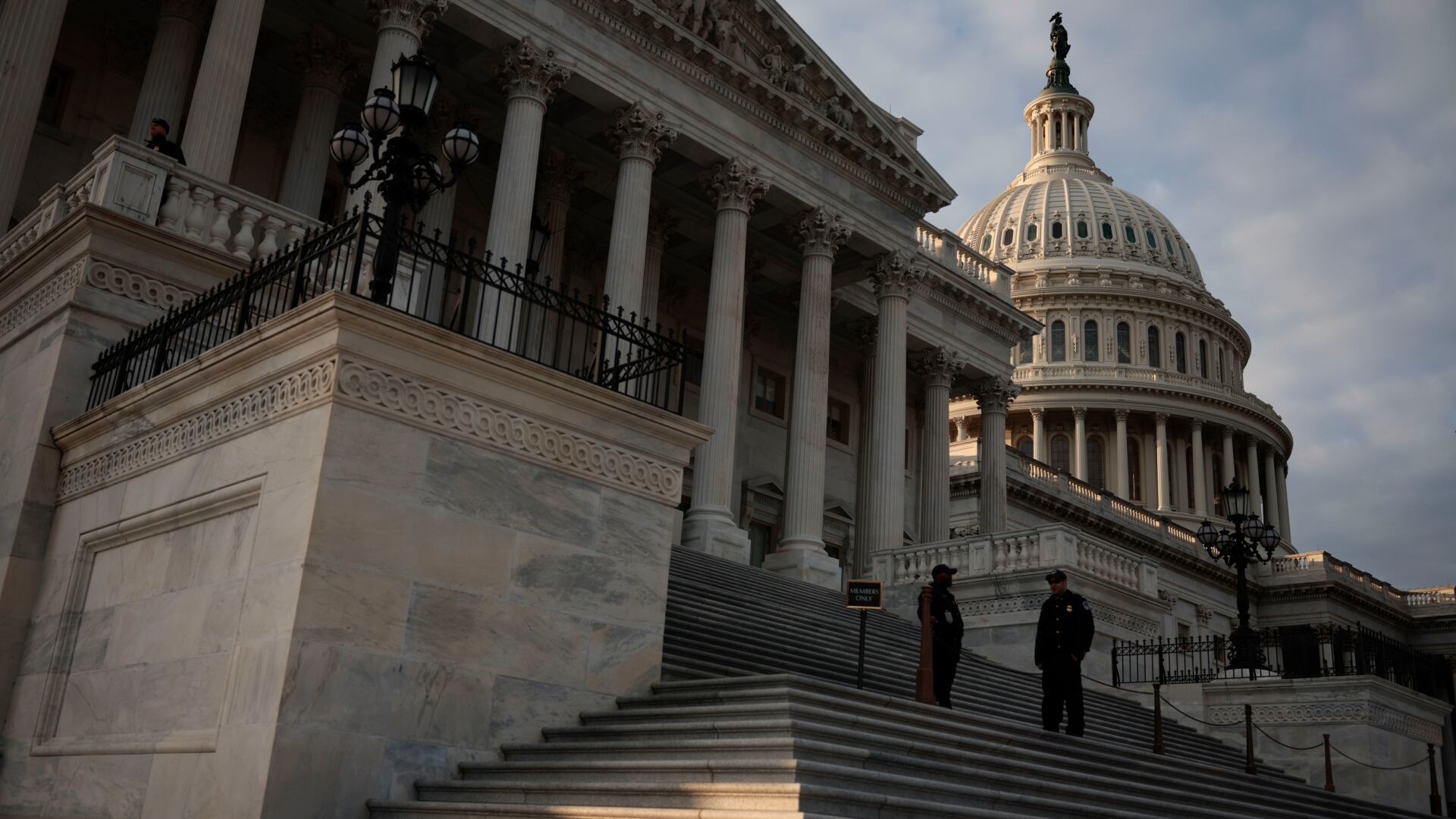
*By Carlo Versano* America's deep partisan divisions and simmering anger exploded into view Thursday in a Senate hearing room that combined the forces of the #MeToo movement with left-right antagonism and the stakes of a lifetime Supreme Court seat. For four hours, Dr. Christine Blasey Ford riveted the country [11 days](https://www.washingtonpost.com/investigations/california-professor-writer-of-confidential-brett-kavanaugh-letter-speaks-out-about-her-allegation-of-sexual-assault/2018/09/16/46982194-b846-11e8-94eb-3bd52dfe917b_story.html?utm_term=.52707f4a3889) after she was thrust into the spotlight when she publicly accused Supreme Court nominee Brett Kavanaugh of sexual assault. Following her testimony, Judge Brett Kavanaugh stridently rejected those allegations ー as well as others that have been made public ー in point-by-point denials punctuated with flashes of anger, interruption and indignance toward Senate Democrats. On the floor of the New York Stock Exchange, traders [stopped](https://twitter.com/thebradsmith/status/1045338088728408066) to hear Ford's testimony. On airplanes, [passengers](https://twitter.com/CNNnewsroom/status/104534692897899725) were glued to the in-flight television broadcasts. In waiting rooms, [patients](https://twitter.com/mekosoff/status/1045324371315892225) watched and cried. [Commuters] (https://twitter.com/aronczyk/status/1045372845537267712) listened via smartphones on the New York City subway. For a country in the throes of a reckoning on sexual misconduct ー galvanized in its views of a chaotic presidency and frustrated by a Congress that perpetually seems paralyzed by partisan bitterness ー the scene on Capitol Hill seemed to shift almost immediately from a hearing about a political appointment (a televised job interview, in essence) to a shared national moment. Ford's testimony relied almost entirely on her memory of a high-school gathering some 35 years ago, when the person she identified as Brett Kavanaugh, drunk and egged on by a friend, allegedly held her down on a bed and assaulted her. Ford was not able to offer corroborating witnesses during Thursday's testimony. Yet when asked by Sen. Dick Durbin (D-IL) if she was certain that Kavanaugh was the boy who attacked her, Ford did not equivocate: "One hundred percent," she said. Ford, a psychologist and teacher by trade, acted as both witness and expert. She calmly offered the Senate Judiciary Committee a doctor's reasoning as to why she remembered certain aspects of the event (who was present during the alleged assault, for example) and not others (how she got there). When asked about what she recalled most, Ford said: "Indelible in the hippocampus is the laughter, the uproarious laughter, between the two, and them having fun at my expense." Republican senators on the committee ceded their allotted time for questions to a seasoned Arizona sex crimes prosecutor, Rachel Mitchell, who questioned aspects of Ford's memory and a polygraph test she took last month. Meanwhile, the Democrats on the committee, some of whom are considering presidential runs, took a mostly hands-off approach in questioning Ford and instead offered praise and words of comfort for her decision to come forward and testify in public. During breaks, GOP senators largely deflected questions from reporters about her credibility, and instead directed their ire at the the other side of the aisle, criticizing how Democrats handled the accusations when Dr. Ford first contacted her local Congresswoman. "If this is the new norm, you better watch out for your nominees," an angry Sen. Lindsey Graham (R-SC) told reporters in a reference to Democrats. Other Republicans seemed unwavering in their support of Kavanaugh. Sen. John Cornyn (R-TX) said Ford's testimony was "what I expected." After Dr. Ford wrapped up her testimony, it was Kavanaugh's turn. The federal judge delivered a 45-minute opening statement ー far different and far longer than the one that was given to the media ー with a raised voice and furrowed brow in which he forcefully denied that he had ever committed sexual assault. President Trump reportedly told aides he wanted to see a more combative and defiant Brett Kavanaugh ー and that is exactly what he got. Kavanaugh did not accuse Dr. Ford of lying, instead directed his fury at the Democrats sitting in front of him, saying they were "lying in wait" to torpedo his nomination and that the allegations amounted to a "grotesque and coordinated character assassination." I fear that the whole country will reap the whirlwind," he said. Kavanaugh turned emotional when he said that his family had received threats, and that his reputation had been sullied: "My family and my name have been totally and permanently destroyed." His emotion was tempered by anger in his back and forth volleys with members of the committee. At one point, Kavanaugh responded to a question by Sen. Amy Klobuchar asking whether he had ever blacked out from drinking by asking her if she had. (He later apologized). Kavanaugh was repeatedly asked by Democrats if he would support an FBI investigation into the alleged assault, but he never gave a "yes" or "no" answer. Sen. Graham, voice raised, excoriated Democrats for dragging Kavanaugh's name through the mud. "This is not a job interview," he said. "This is hell." Meanwhile, while a transfixed nation watched the drama play out, the only audience that really mattered ー a handful of moderate senators like Susan Collins (R-ME), Lisa Murkowski (R-AK), and Jeff Flake (R-AZ) who will have to vote against Kavanaugh to spike the nomination ー were silent as of Thursday evening.