As Breast Cancer Awareness Month nears its end and the election looms, healthcare is top of people's minds. It became a focal point during Amy Coney Barrett's Supreme Court hearings as the Affordable Care Act waits for another day in court.
As the CEO of Susan G. Komen, Paula Schneider, a breast cancer survivor herself, told Cheddar's Opening Bell, "People need to care that their healthcare is one of the most important rights that they should have."
During the same interview, journalist Katie Couric, founder of Katie Couric Media, also called healthcare an essential right saying, "if you have a system that isn't open to people, it's just blatantly, terribly, un-American."
The National Cancer Institute estimates that as of January 2019, there are 16.9 million cancer survivors in the United States. This represents approximately 5 percent of the population, and that number of cancer survivors is projected to increase by nearly 30 percent, to nearly 22 million, by 2029.
Now amid the pandemic, people are delaying screening and routine care with a sharp drop in screenings and cancer diagnoses this year. According to a recent JAMA study, breast cancer diagnoses alone saw a 51.8 percent dip in March and April compared to previous years. According to Schneider, some reports show that drop being as large as 80 percent when it comes to breast cancer. "That doesn't mean it's not happening," she said. "It just means it's not being diagnosed, and therefore it's not being treated."
"Ladies get your mammograms."
As for Couric, she has faced the heartbreak of cancer within her own family. Her first husband Jay and her sister Emily both died following their battles with cancer. She said that one of the most important things a support system can do for a cancer patient is just to be there. "When Jay was sick he said having cancer is the loneliest experience in the world," Couric said.
That's part of the reason she partnered with pharmaceutical giant Merck for a new project called Your Cancer Story. The program provides information and support to cancer patients from diagnosis to treatment to survivorship. Couric said she wishes she had access to this kind of program for her own family years ago.
"You can see people talking about what they're going through. You can get advice. You can get guidance. You can get support," she explained. "Other survivors and other caregivers can talk about some of the things they wish they had known."
Adult-use cannabis sales kicked off in Nevada in 2017, but four years later, there isn’t a legal way for the 40 million tourists who visit the state annually to consume. That’s all about to change. Following the passage in June of a bill to legalize consumption lounges, the world’s largest dispensary, Planet 13, is planning a cannabis club as extravagant as Las Vegas. Cheddar’s Chloe Aiello visited the cannabis entertainment complex to find out more.
Guerdy Abraira, Global Event Planner and 'The Real Housewives of Miami' cast member joins Cheddar News to discuss the latest season as well as making the most out of your NYE celebrations.
David Ewalt, Editor-in-Chief at Gizmodo joins Cheddar News to discuss a TikTok moderator suing the platform over mental trauma caused by graphic videos
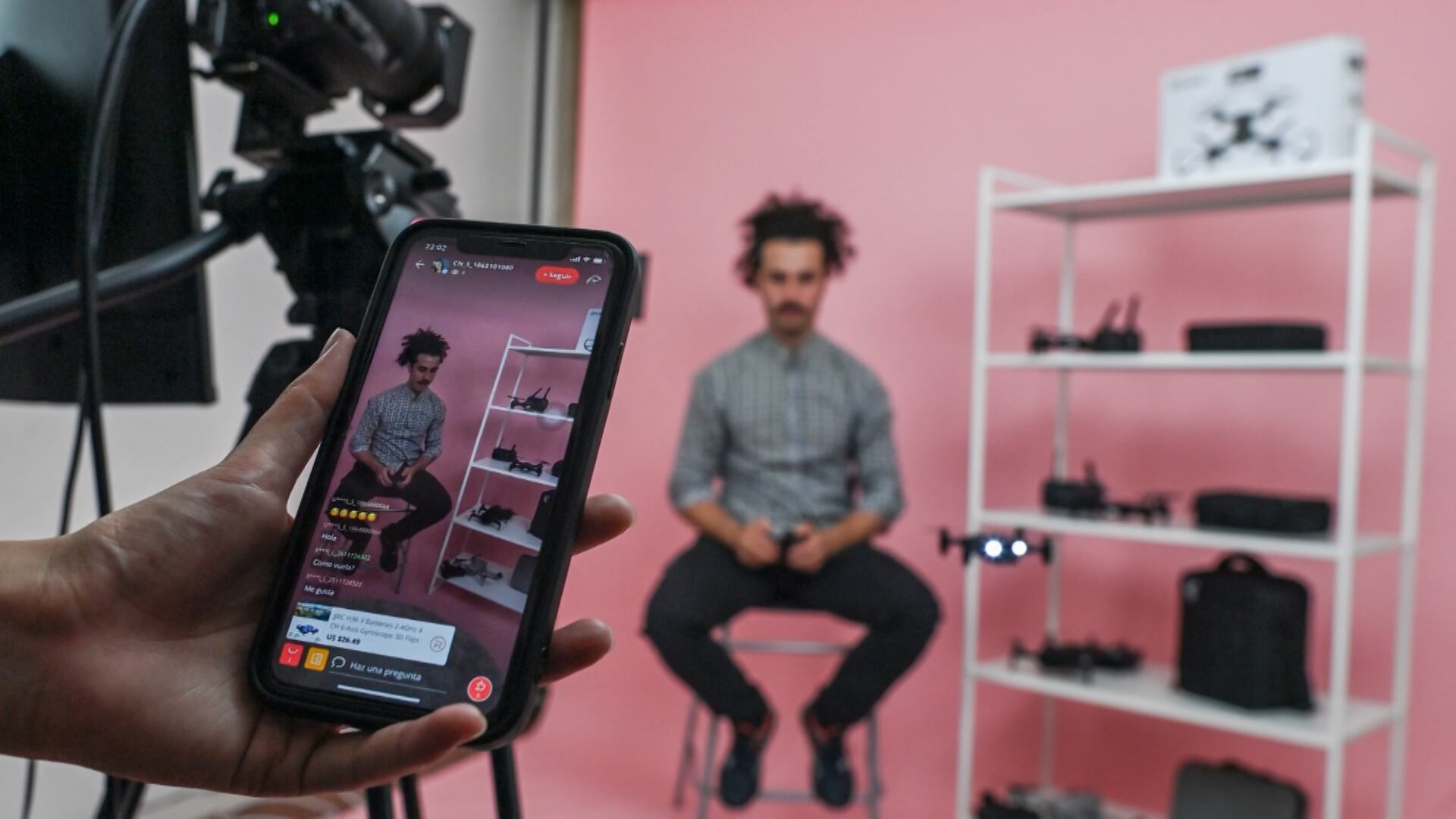
The pandemic has supercharged the creator economy, and there are no signs of it slowing down no matter when the pandemic officially ends. Creators prove to be a key factor in driving purchasing decisions and retail sales, and an increasing amount of platforms are taking advantage of the social influence. Karissa Bell, senior editor at Engadget, joins cheddar news to discuss the creator economy boom.
The E-V maker Tesla has had a wild year. The company managed to continue to dominate the U.S. electric vehicle space despite growing competition and production delays. As the end comes to an end, Tesla finds itself growing richer and richer. Author of Risk Ritual Newsletter Richard Smith, joined Cheddar to discuss more.
Venture capitalists and CEOs are clashing over the future of the internet. Web3 is the tech world's name for a decentralized, blockchain-based internet that runs on cryptocurrency. It was recently the topic of a tweet from Block CEO and former Twitter CEO Jack Dorsey who wrote that Web3 will not actually be owned by users, and instead be controlled by rich venture capitalists. Dorsey later shared that he was blocked on Twitter by Marc Andreesen, co-founder of VC firm Andreesen Horowitz, which has invested billions of dollars into Web3 and crypto projects. Correspondent for DealBook from the New York Times, Ephrat Livni, joins Cheddar News' Closing Bell to discuss what this could mean for the future of Web3.