As Breast Cancer Awareness Month nears its end and the election looms, healthcare is top of people's minds. It became a focal point during Amy Coney Barrett's Supreme Court hearings as the Affordable Care Act waits for another day in court.
As the CEO of Susan G. Komen, Paula Schneider, a breast cancer survivor herself, told Cheddar's Opening Bell, "People need to care that their healthcare is one of the most important rights that they should have."
During the same interview, journalist Katie Couric, founder of Katie Couric Media, also called healthcare an essential right saying, "if you have a system that isn't open to people, it's just blatantly, terribly, un-American."
The National Cancer Institute estimates that as of January 2019, there are 16.9 million cancer survivors in the United States. This represents approximately 5 percent of the population, and that number of cancer survivors is projected to increase by nearly 30 percent, to nearly 22 million, by 2029.
Now amid the pandemic, people are delaying screening and routine care with a sharp drop in screenings and cancer diagnoses this year. According to a recent JAMA study, breast cancer diagnoses alone saw a 51.8 percent dip in March and April compared to previous years. According to Schneider, some reports show that drop being as large as 80 percent when it comes to breast cancer. "That doesn't mean it's not happening," she said. "It just means it's not being diagnosed, and therefore it's not being treated."
"Ladies get your mammograms."
As for Couric, she has faced the heartbreak of cancer within her own family. Her first husband Jay and her sister Emily both died following their battles with cancer. She said that one of the most important things a support system can do for a cancer patient is just to be there. "When Jay was sick he said having cancer is the loneliest experience in the world," Couric said.
That's part of the reason she partnered with pharmaceutical giant Merck for a new project called Your Cancer Story. The program provides information and support to cancer patients from diagnosis to treatment to survivorship. Couric said she wishes she had access to this kind of program for her own family years ago.
"You can see people talking about what they're going through. You can get advice. You can get guidance. You can get support," she explained. "Other survivors and other caregivers can talk about some of the things they wish they had known."
After premiering at the 2022 Sundance Festival, Showtime is slated to drop the four-part docuseries "We Need to Talk About Bill Cosby" this Sunday. Director W. Kamau Bell joined Cheddar to discuss the sensitive project and about coming to grips with the reality of who Bill Cosby is following the numerous allegations of sexual assault. Bell said the biggest takeaway from the project is that survivors are not only looking for the 84-year-old comedian to be held accountable, they also want to prevent future assaults. "Maybe the key thing to learn is how do we create a society that is more supportive and accepting particularly women in this case who are survivors of sexual assault," Bell said.
Tax season is now underway, and it's going to be a bit different than in years past. For starters, the deadline is April 18, instead of the typical April 15th, and many Americans will need to account for advance child tax credit payments, the return of the recovery rebate credit, and a special break for charitable contributions, among other things. Brent Weiss, Co-Founder and certified financial planner at Facet Wealth, tells us what we need to know about filing our taxes this year, and when we can expect to receive our returns.
College enrollment has been on a steady decline for years, and the pandemic hasn't helped. Since the start of the pandemic, there has been a 6.6% — more than 1 million students — drop in undergraduate enrollment, according to a recent report. Douglas Belkin, higher education reporter at the Wall Street Journal, joined Cheddar to discuss the long-term implications of students sitting out of college, and what institutions can do about it.
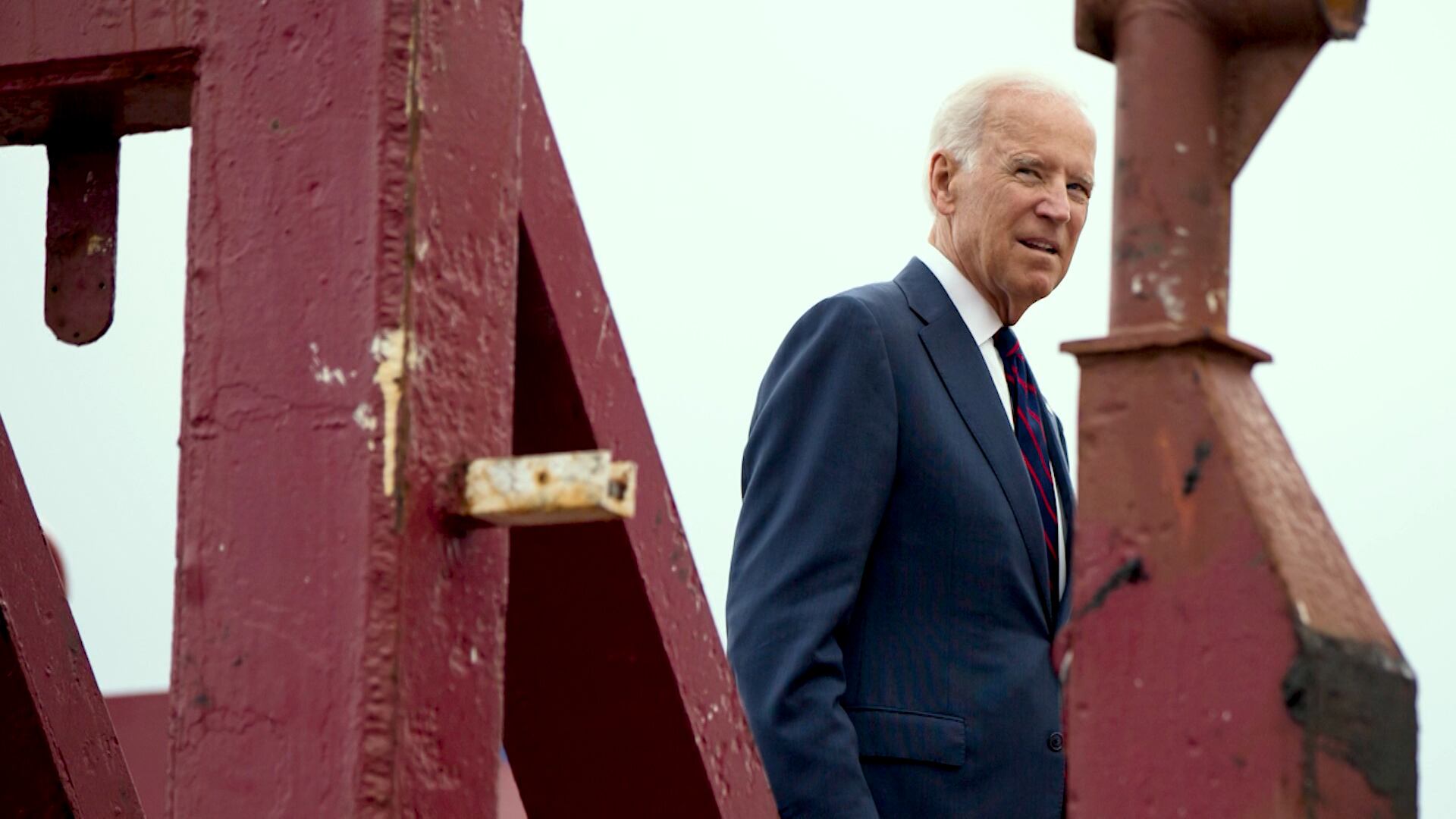
As the midterm election looms, things aren't looking too promising for President Joe Biden. One year into his term as president, Biden is facing one of the lowest approval ratings of any modern-day president, threatening his party's control of the House in 2022. Brian Bennett, Senior White House Correspondent for TIME, joined Cheddar's Opening Bell to discuss.
A full one year into his term as President of The United States, President Biden addressed the nation on Wednesday, facing questions on everything from inflation to chip shortages and covid-19. As Biden enters his second year in office, he is facing one of the lowest approval ratings of any modern-day president. Kate Davidson, Reporter, POLITICO joined Cheddar's Opening Bell to discuss.
San Diego has just implemented a new law that could set the stage for how the country deals with food waste. This new law hopes to make a dent in that. Businesses and groceries stores out in San Diego will need to put a plan in place to *donate edible food rather than toss it straight to the trash. Food Rescue Manager at Feeding San Diego, Kate Garret
The streaming giant Netflix posted its latest earnings from its fourth quarter after the close on Thursday. The company's stock plummeted shortly after the company warned that its rate of subscription additions are slowing down. Senior Reporter at MarketWatch Jon Swartz, joined Cheddar to discuss more.