As Breast Cancer Awareness Month nears its end and the election looms, healthcare is top of people's minds. It became a focal point during Amy Coney Barrett's Supreme Court hearings as the Affordable Care Act waits for another day in court.
As the CEO of Susan G. Komen, Paula Schneider, a breast cancer survivor herself, told Cheddar's Opening Bell, "People need to care that their healthcare is one of the most important rights that they should have."
During the same interview, journalist Katie Couric, founder of Katie Couric Media, also called healthcare an essential right saying, "if you have a system that isn't open to people, it's just blatantly, terribly, un-American."
The National Cancer Institute estimates that as of January 2019, there are 16.9 million cancer survivors in the United States. This represents approximately 5 percent of the population, and that number of cancer survivors is projected to increase by nearly 30 percent, to nearly 22 million, by 2029.
Now amid the pandemic, people are delaying screening and routine care with a sharp drop in screenings and cancer diagnoses this year. According to a recent JAMA study, breast cancer diagnoses alone saw a 51.8 percent dip in March and April compared to previous years. According to Schneider, some reports show that drop being as large as 80 percent when it comes to breast cancer. "That doesn't mean it's not happening," she said. "It just means it's not being diagnosed, and therefore it's not being treated."
"Ladies get your mammograms."
As for Couric, she has faced the heartbreak of cancer within her own family. Her first husband Jay and her sister Emily both died following their battles with cancer. She said that one of the most important things a support system can do for a cancer patient is just to be there. "When Jay was sick he said having cancer is the loneliest experience in the world," Couric said.
That's part of the reason she partnered with pharmaceutical giant Merck for a new project called Your Cancer Story. The program provides information and support to cancer patients from diagnosis to treatment to survivorship. Couric said she wishes she had access to this kind of program for her own family years ago.
"You can see people talking about what they're going through. You can get advice. You can get guidance. You can get support," she explained. "Other survivors and other caregivers can talk about some of the things they wish they had known."
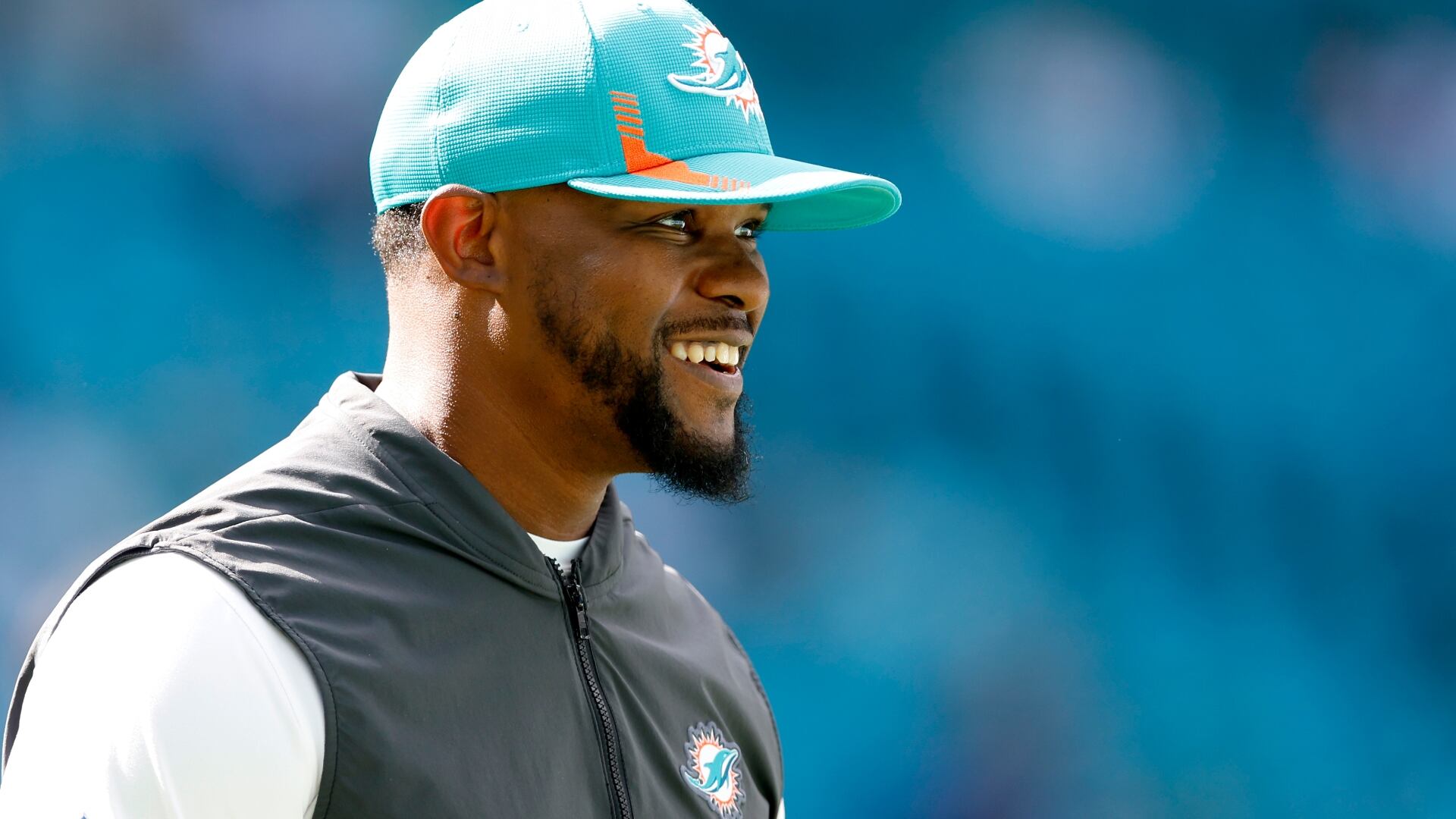
Former Miami Dolphins head coach Brian Flores has filed a lawsuit against his old team along with the Denver Broncos and the New York Giants. Flores alleged that the league has been following racist practices in its hiring process. Former NFL quarterback and Sports Analyst and Commentator, Lester Ray Ricard Jr, joined Cheddar to discuss more.
Although this week's weather is predicted to be less severe than the 2021 storm, Texans are preparing for the worst - stocking up on supplies and emptying shelves in grocery stores, once again. Some Texans still have not recovered from last year's tragedy, and are heading into the next few weeks with anxiety for what's to come. Leslie Beyer, CEO of the Houston-based energy workforce & technology council, joins Cheddar News to discuss if the Texas grid will fail again.
Student loan debt continues to be a major concern for tens of millions of Americans who collectively owe about $1.7 trillion. Black college students often take on larger amounts of student debt in order to pay for a higher education. In turn, they are more likely to struggle post-graduation with repaying their debt, creating a racial wealth gap divide. Andre Perry, senior fellow at Brookings Institution joined All Hands to help break down the black student debt crisis.
BTS’ hit single “Butter” tops the zeitgeist again, bumping back up to number one on Billboard’s Hot Trending Chart. The chart tracks what songs people are talking about rather than what they're listening to.
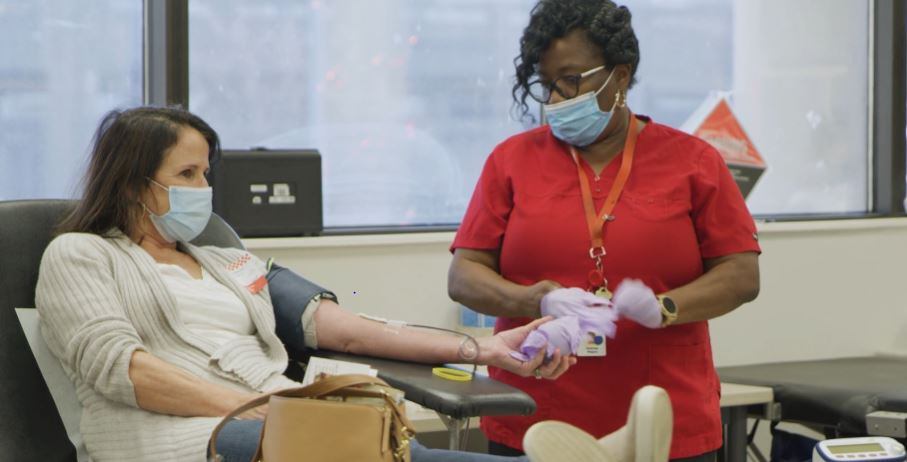
The American Red Cross has declared its first-ever "national blood crisis" in the United States. Since COVID hit the U.S. in March 2020, blood donations have declined by 10 percent. American Red Cross Medical Director, Dr. Baia Lasky joined Cheddar News to discuss the country facing the worst blood shortage in over a decade. Dr. Lasky noted that as much as 40 percent of Americans are eligible to donate blood but only about 4 percent do so. "This is going to be ongoing," she said. "This is not an acute shortage. We really do need the commitment of people to come out and donate and donate again." Appointments to donate can be made by using the Red Cross Donor App, at RedCrossBlood.org, or calling 1-800-RED CROSS (1-800-733-2767).
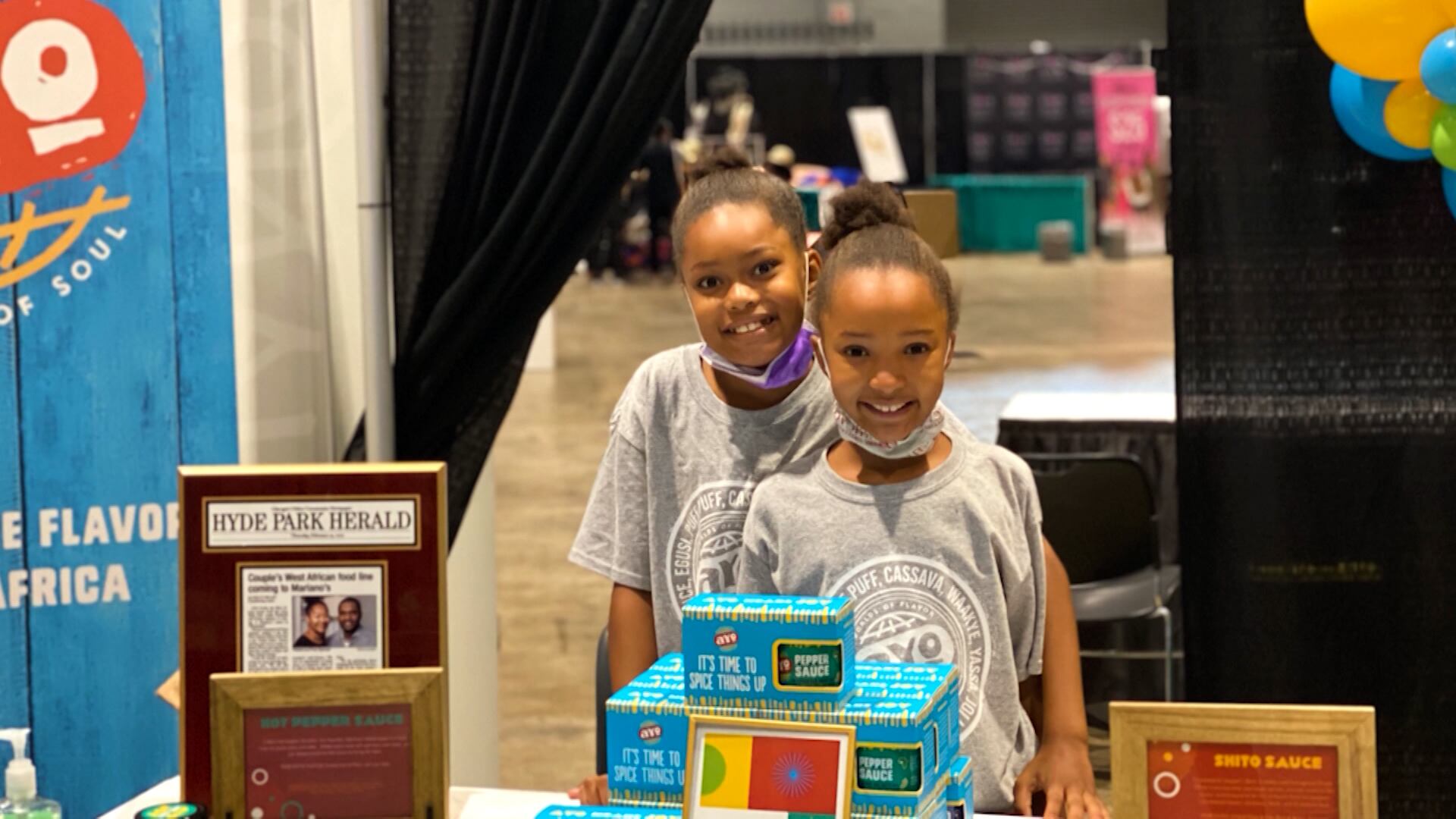
On this episode of ChedHER: Co-Founder of VC firm CaJE breaks down how she's creating a new era of venture capital and empowering Black women with 'soil' funding to start and grow their businesses; AYO Foods Co-Founder discusses how the brand is bringing West African cuisine to the frozen food industry and building a grocery aisle her daughters can be proud of; Chief Marketing & Customer Experience Officer at Chase Auto talks her experience being a woman of color in the auto industry, and why transportation is so important to financial freedom.
Renée Horne, chief marketing and customer experience officer at Chase Auto, joins ChedHER to discuss her experience being a woman of color in the auto industry and why transportation is so important to financial freedom.