Kansas State Rep Explains How a GOP 'Power Play' Convinced Her to Switch Parties
*By Christian Smith*
Kansas Rep. Stephanie Clayton is leaving the Republican Party behind after the GOP leaders in her state pulled their support for a bipartisan plan to fund the local education system in what she called a "power play" to damage the incoming Democratic governor.
"What ultimately did it for me was when party leadership decided that they wanted to completely scrap an education plan that we had all spent about two years working hard to put together," Clayton told Cheddar in an interview Thursday.
Clayton said she believes the GOP policy shift was, in fact, a political maneuver to damage incoming Democratic Gov. Laura Kelly's reputation.
"The area that I represent is an area that is very strongly supportive of education and as such, I knew that I really couldn't be in line with my party any more especially on that issue ー so I'm done," she said.
Clayton joins Kansas State Sens. Dinah Sykes and Barbara Bollier, who both officially left the Republican Party earlier this month and rebranded themselves as Democrats.
Education funding has been an intensely debated issue in Kansas politics since former Republican Gov. Sam Brownback stripped the state's education budget in 2012 as part of his tax cut experiment. Brownback believed the massive cuts would spur major economic growth in Kansas, but the state's economy eventually suffered.
Between 2013 and 2016, Kansas’ real gross domestic product only grew by 3.8 percent, while national GDP growth was nearly double that, at 7 percent, according to the [Federal Reserve Bank of St. Louis Economic Research](https://fred.stlouisfed.org/series/GDPC1).
Now Kansas is trying to put the pieces back together, working on a new education budget that right some of the wrongs of the Brownback era ー until the state's Republican leaders pulled the plug on the two-year long effort.
"They decided to scrap the whole thing as part of a power play, I assume, against our new Democratic governor," Clayton said.
Despite the decision by Clayton, Sykes, and Bollier to switch parties, Republicans still hold a supermajority in the Kansas state House and Senate.
For full interview [click here](https://cheddar.com/videos/why-one-kansas-state-representative-left-the-republican-party-behind).
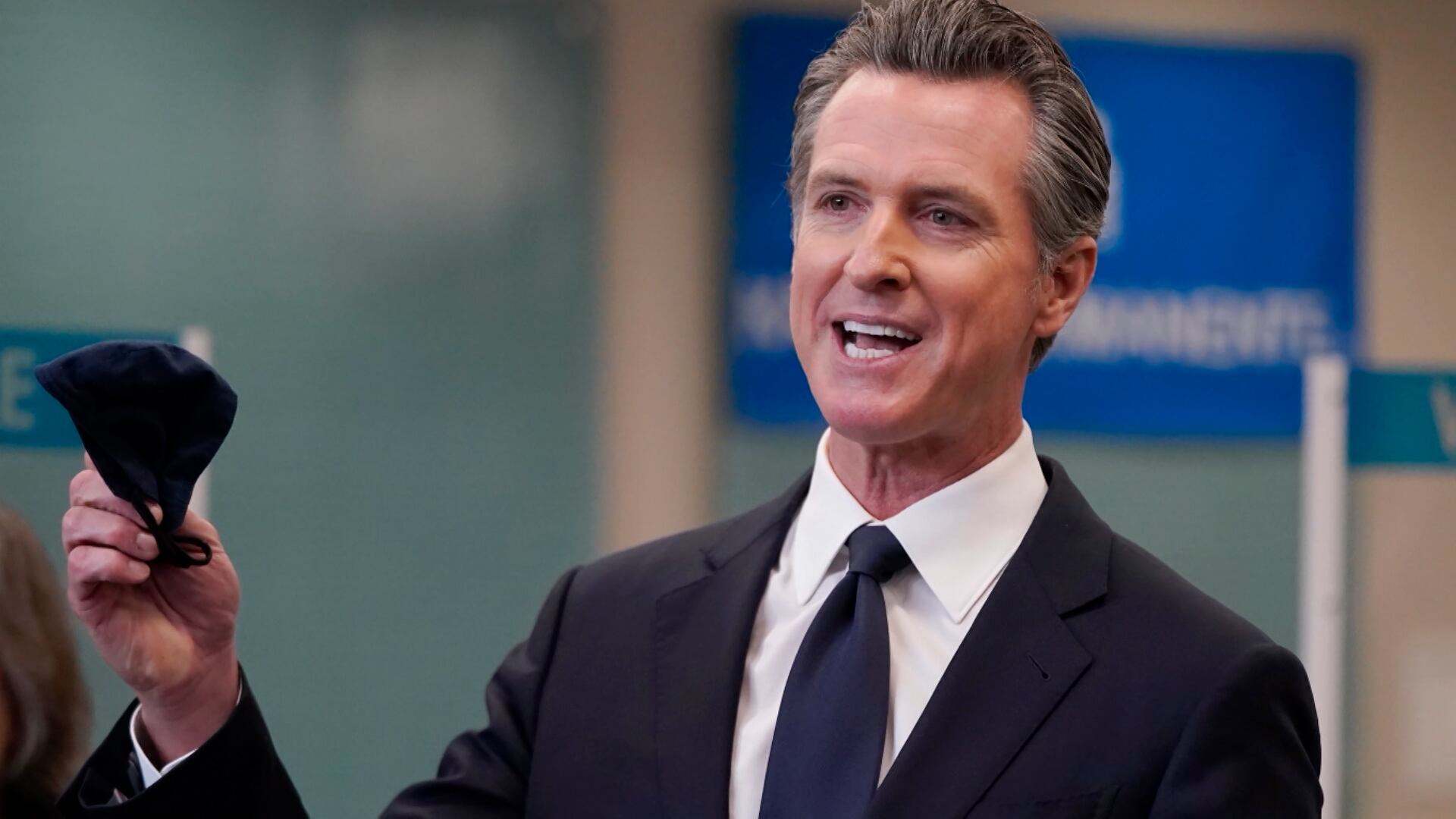
California Governor Gavin Newsom is projected to keep his job. Around two-thirds of the votes have been reported, and roughly 64% of those votes are in favor of keeping Newsom as their governor.
Daniel Strauss, senior political correspondent at The New Republic, joined Cheddar's Opening Bell to discuss more about what Newsom's win means to both political parties moving into Midterm elections season.
The Department of Justice is suing Texas over the state's new abortion law that prohibits abortions after six weeks, well before many women even know they're pregnant. The lawsuit argues the law is unconstitutional under long-standing Supreme Court precedent. It was filed last week in federal court in Texas, but could go all the way to the high court within weeks. Josh Blackman, a constitutional law professor at South Texas College of Law Houston, discusses the DOJ lawsuit and what it could mean for other abortion laws across the country.
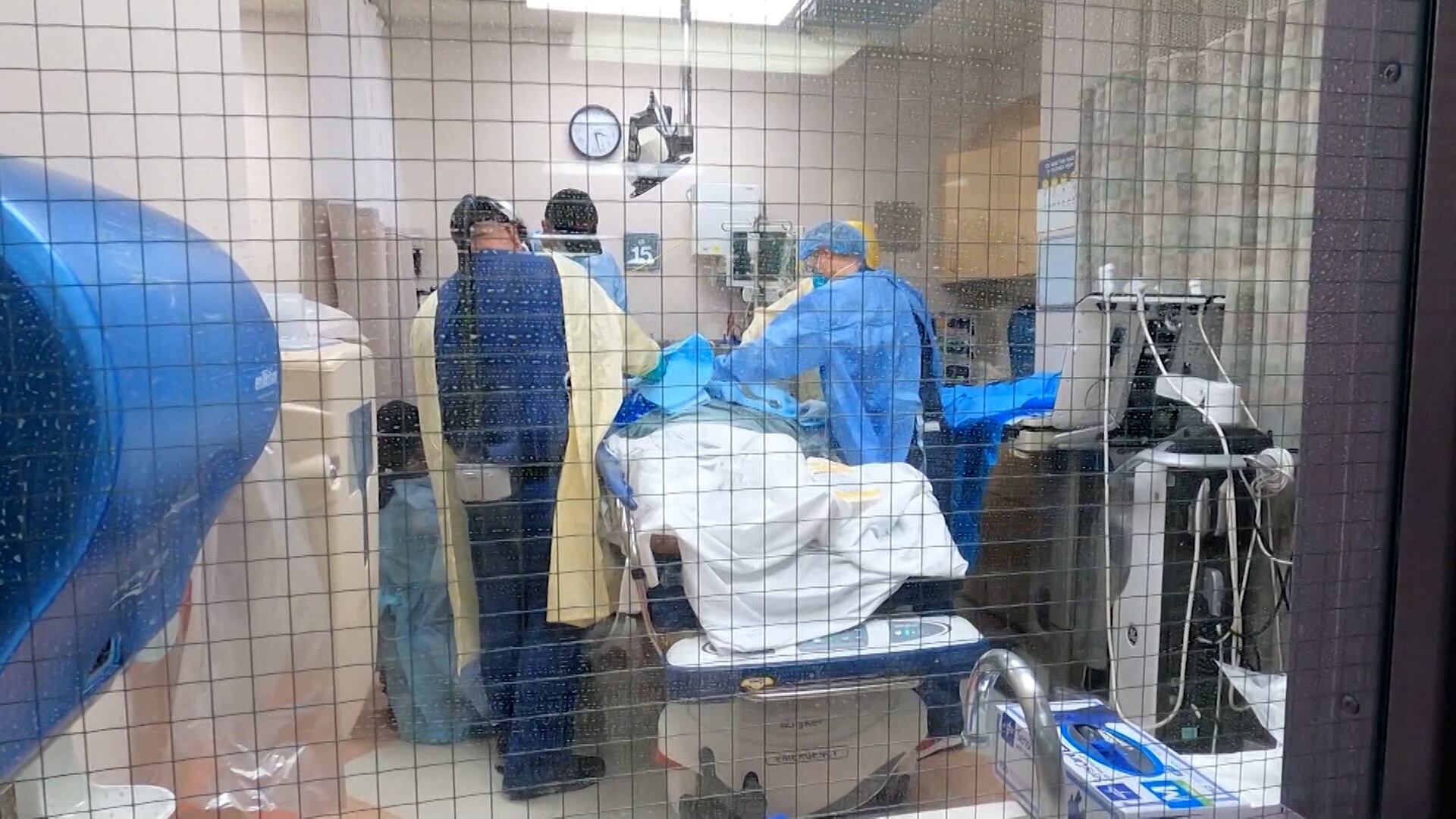
26 states have now fully vaccinated more than half of their population with Vermont, Connecticut, and Massachusetts fully vaccinating at least two-thirds of their residents. These three states are among the ones with the lowest new Covid-19 cases per capita, but in states with low vaccination rates, hospitals are filling up again.
Dr. Rob Davidson, ER doctor and executive director of Committee to Protect Health Care, joined Cheddar's Opening Bell to discuss more.
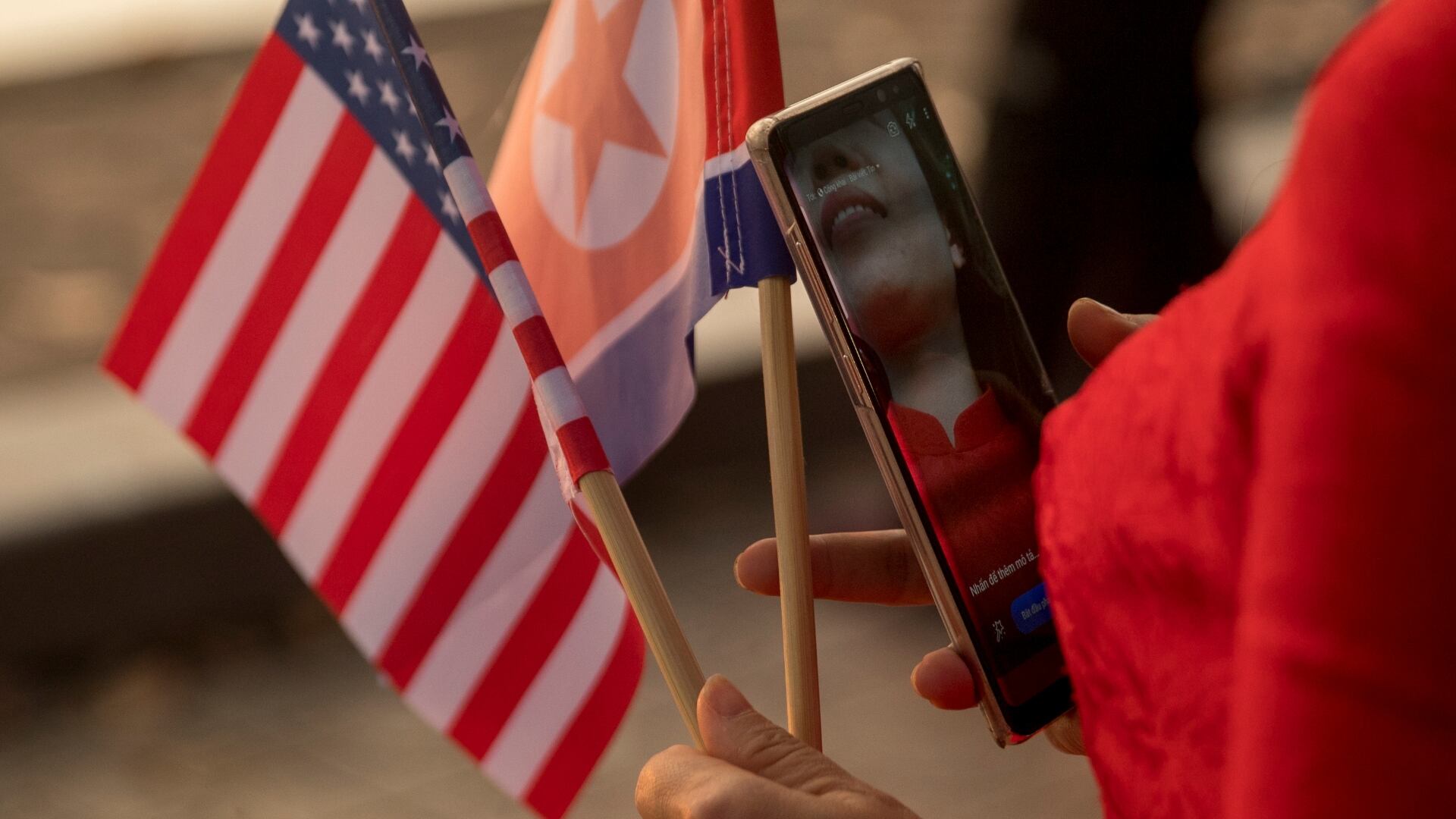
The Biden Administration has officially extended a ban on a Trump-era policy that prohibits traveling with a U.S. passport to North Korea. The extension is expected to last until August 2022. The ban was initially enforced after the death of Otto Warmbier, who entered a vegetative state while in North Korean custody. Advocates against the ban argue that it has caused crippling impacts on Korean Americans who have not been able to reunite with their families back home. Senior Fellow at The Foundation For Defense of Democracies Anthony Ruggiero joined Cheddar's News Wrap to discuss more.