If the election results were based on how many people attend a candidate's events, Kamala Harris would be the Democratic frontrunner.
Gravy Analytics, a location-based marketing technology company, analyzed the smartphone data of people who attended the 111 solo Democratic presidential candidate events held in June and July. (Gravy disqualified other official party events as well as rallies held for multiple candidates.)
The company analyzed data it received from 100,000 apps it partners with. Users opt in to the tracking via permissions given to the app and the company says it accounts for users who may be logged in to several of the apps at once. The results, which are anonymized and grouped for statistical purposes, were shared first with Cheddar.
"Whether it's a Democratic presidential candidate, whether it's a movie, or whether it's a new wine launching in Sonoma, we just believe a true interest level is gauged by people's time and commitment to attend things like events rather than interest online," said Gravy Analytics CEO Jeff White.
"It shows much more interest if someone goes to Joe Biden's speaking event versus reading an article online about him," he added.
Presidential campaign rallies have been an unofficial bellwether for popularity. President Barack Obama's events cemented his strong support among youth, while President Donald Trump's attendance showed his passionate following better than most polls predicted.
In terms of total attendance, Gravy Analytics found most people went to Harris' events, followed by Cory Booker, Elizabeth Warren, Bernie Sanders, and Julián Castro. More than a quarter of the people who attended these events were between the ages of 18 to 34, and 56 percent were men. More than nine out of 10 people only went to one event.
Other interesting insights include:
The U.S. Department of Agriculture announced a nearly $11 billion investment on Tuesday to help bring affordable clean energy to rural communities throughout the country.
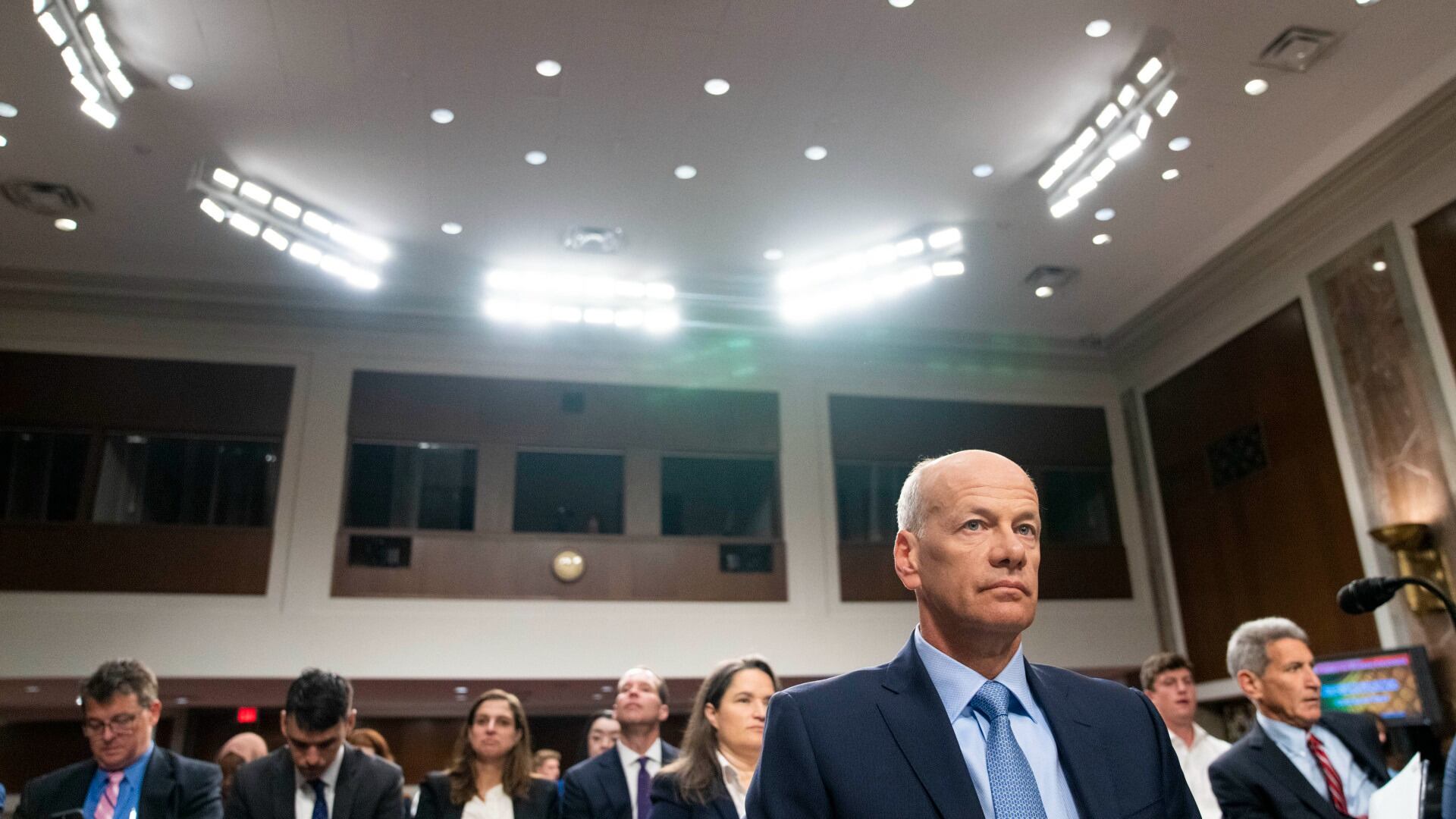
Top executives at Silicon Valley Bank and Signature Bank largely avoided taking responsibility for their banks’ dramatic failures at a Senate hearing Tuesday.
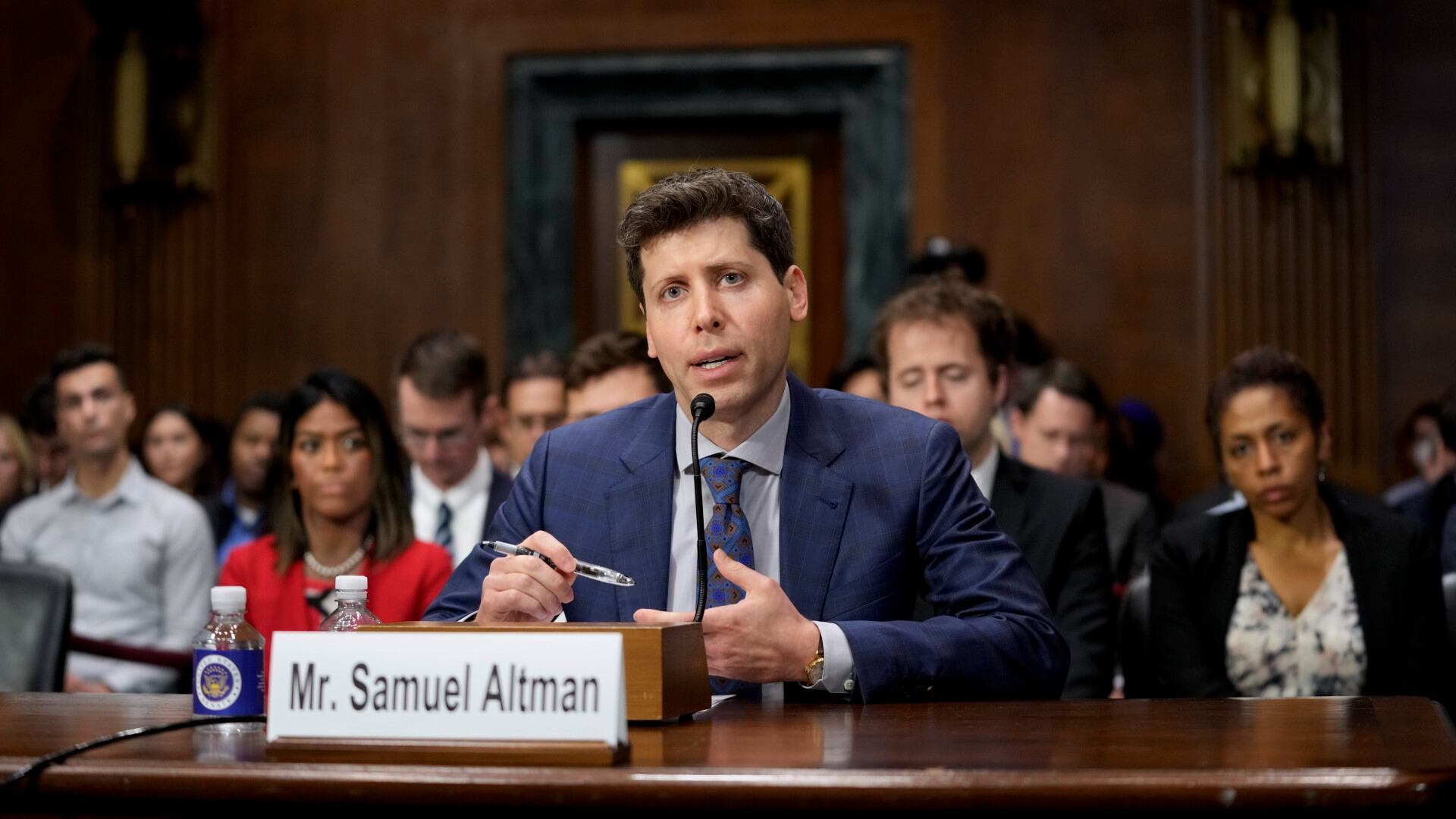
The head of the artificial intelligence company that makes ChatGPT will testify before Congress as lawmakers call for new rules to guide the rapid development of AI technology.
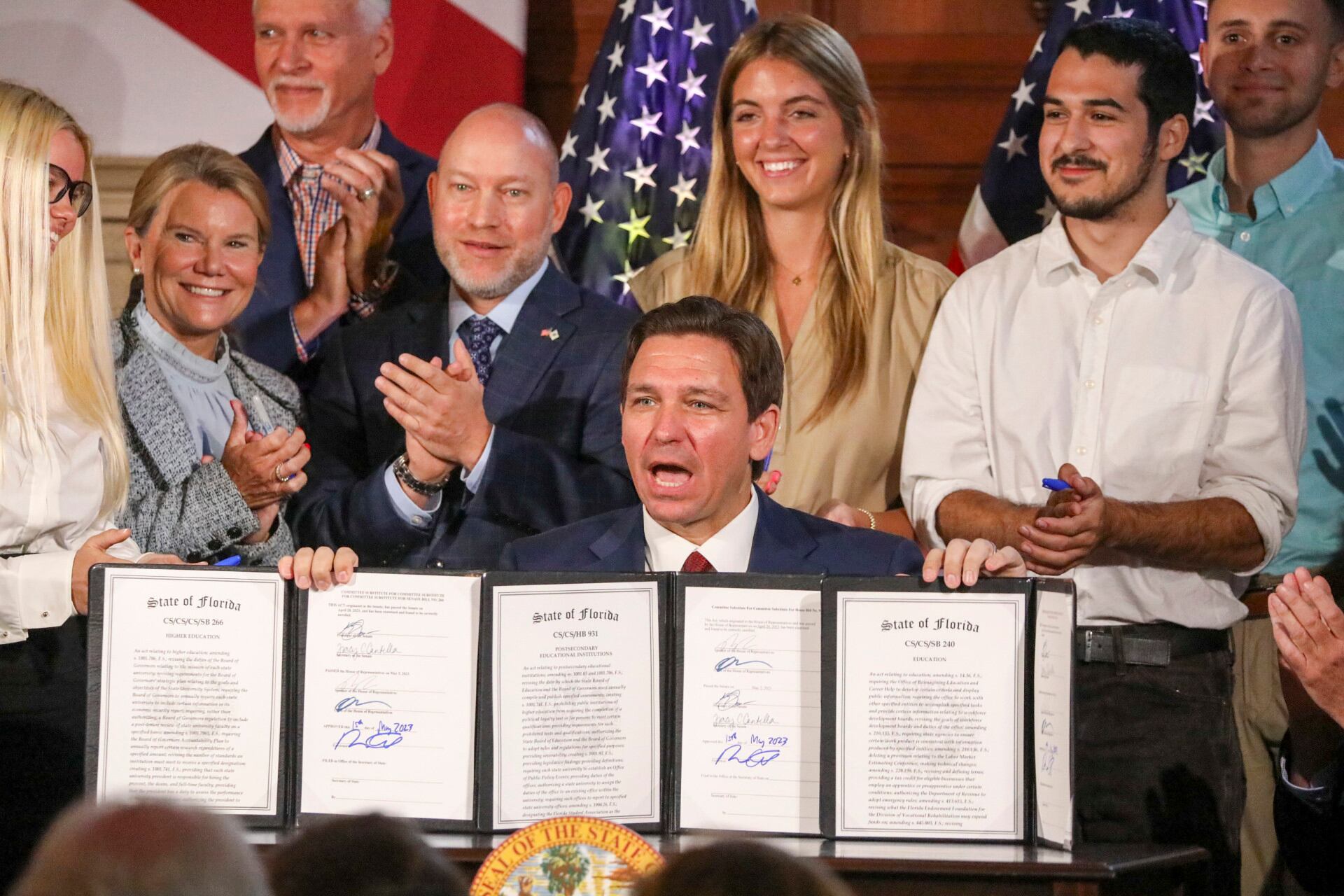
Florida Gov. Ron DeSantis on Monday signed a bill that blocks public colleges from using federal or state funding on diversity programs, addressing a concern of conservatives ahead of the Republican governor's expected presidential candidacy.
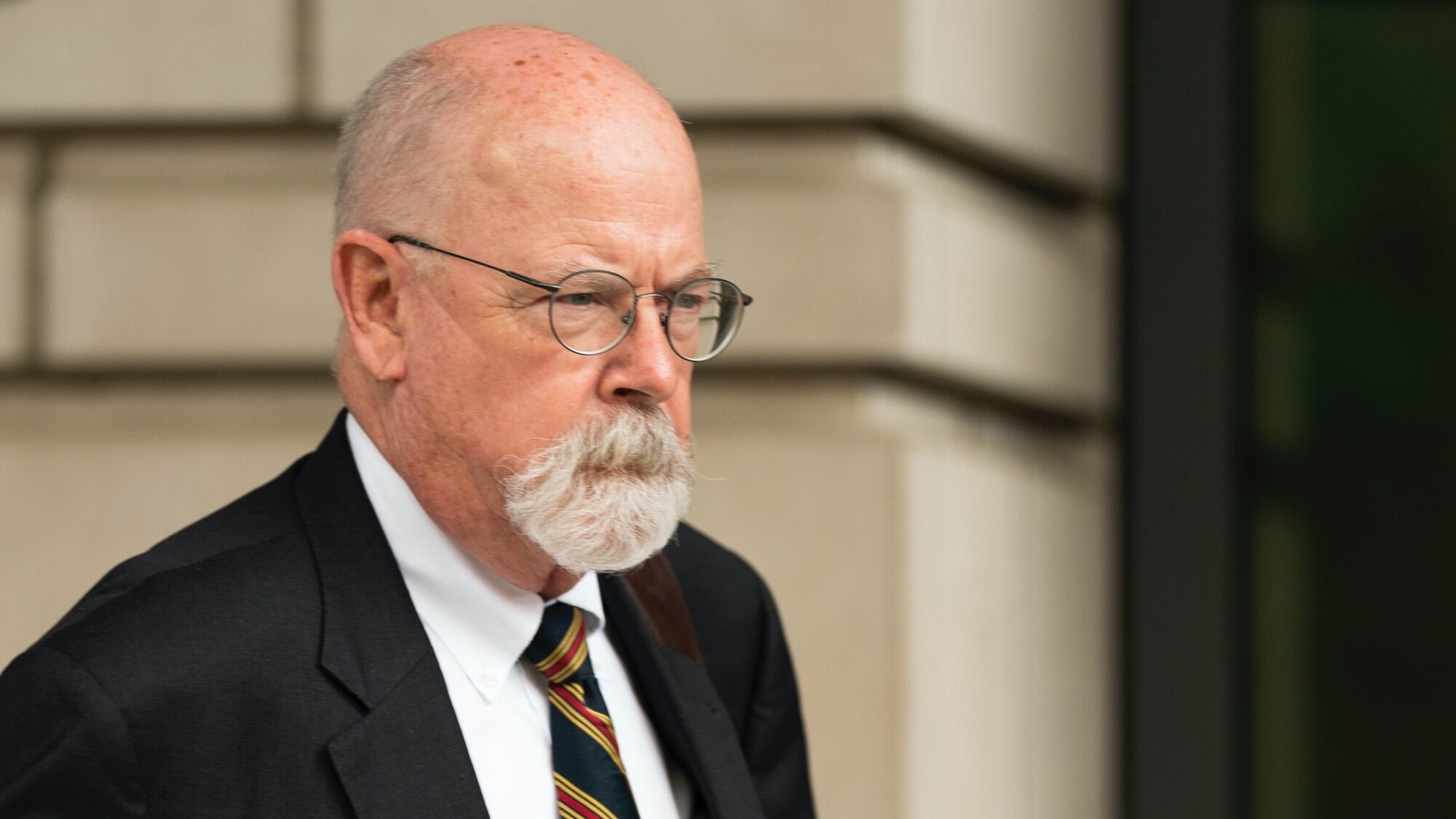
A special prosecutor found that the FBI rushed into its investigation of ties between Russia and Donald Trump's 2016 campaign and relied too much on raw and unconfirmed intelligence as he concluded a four-year probe that fell far short of the former president's prediction that the “crime of the century" would be uncovered.
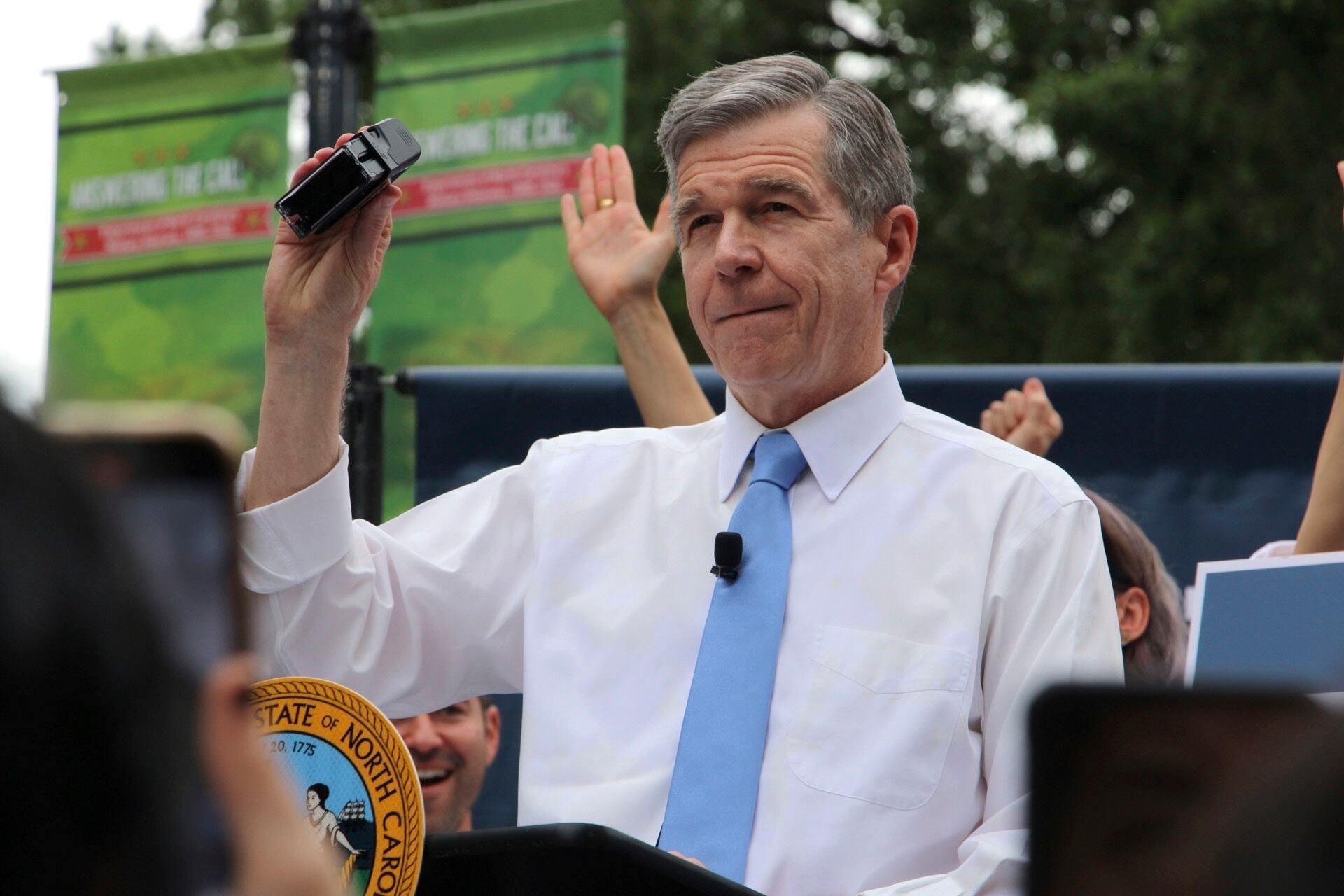
North Carolina Gov. Roy Cooper vetoed a bill passed by state lawmakers that would ban most abortions after 12 weeks.
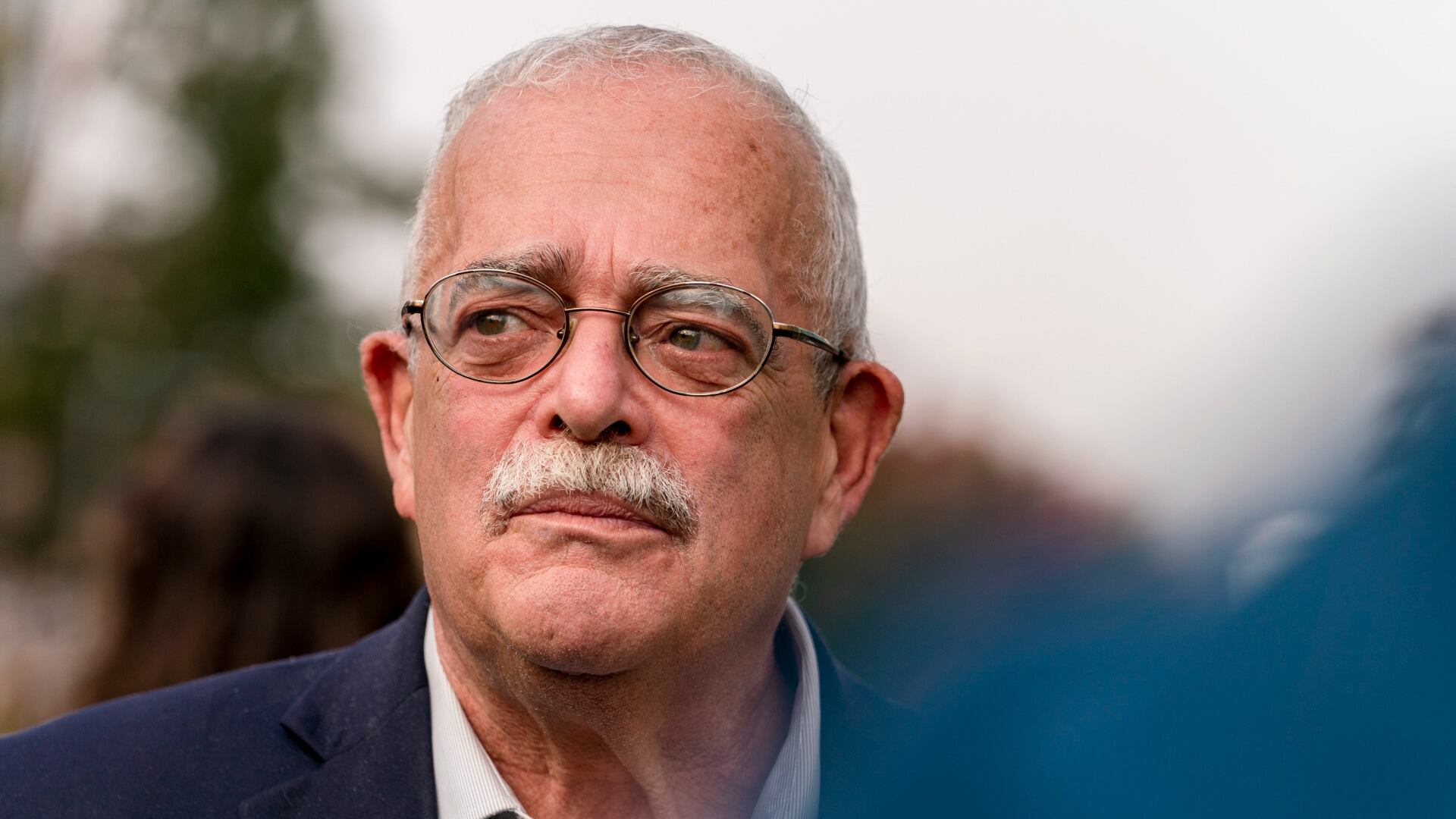
U.S. Rep. Gerry Connolly of Virginia says a man with a baseball bat walked into his Fairfax office, asked for him, and then assaulted two members of his staff.
Thanks to recent advances in artificial intelligence, tools that can create lifelike photos, video and audio are now cheap and readily available.
In front of an exuberant crowd, North Carolina’s Democratic governor vetoed legislation Saturday that would have banned nearly all abortions in his state after 12 weeks of pregnancy.
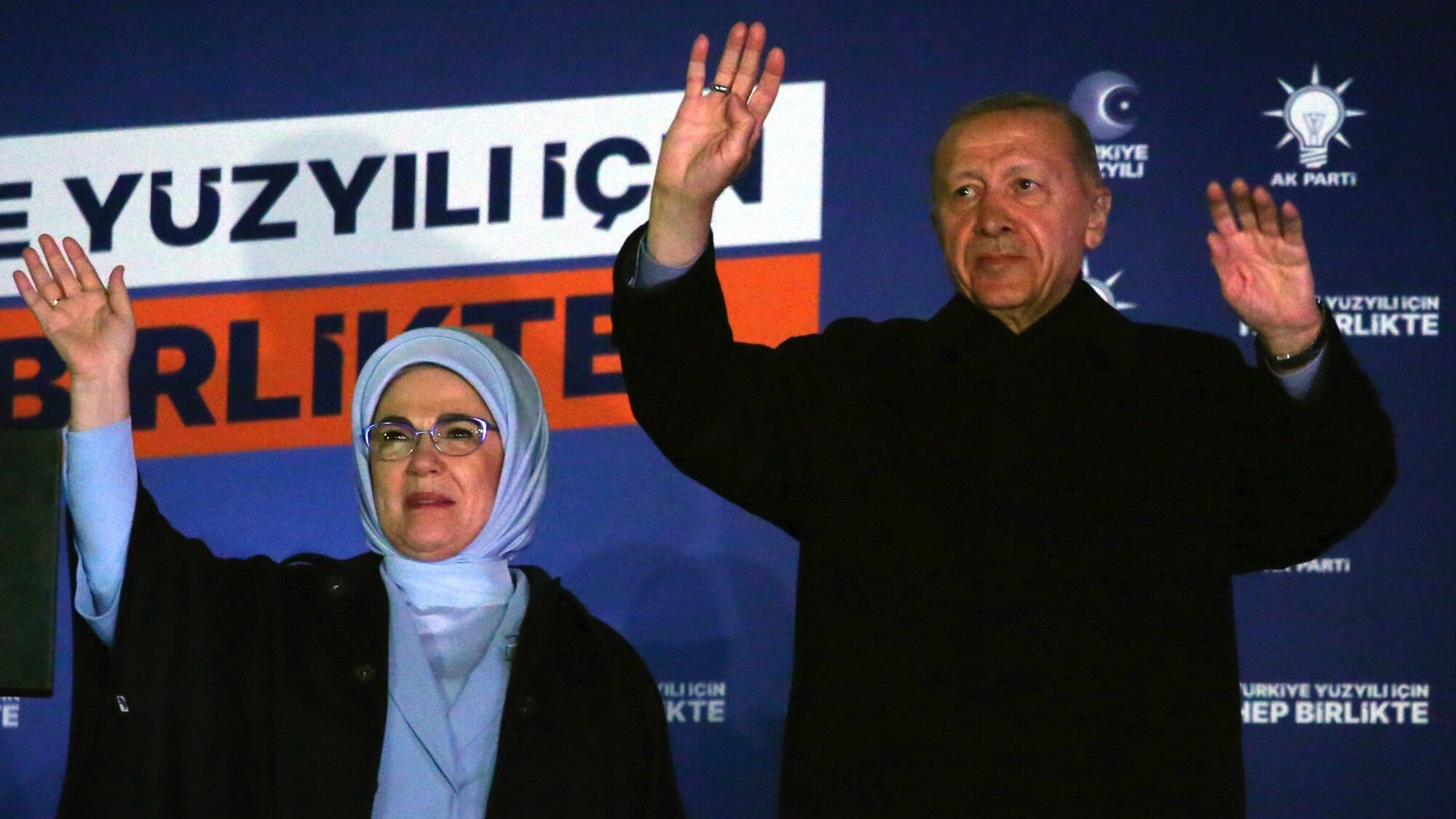
Turkey’s presidential elections appeared to be heading toward a second-round runoff on Monday, with President Recep Tayyip Erdogan, who has ruled his country with a firm grip for 20 years, leading over his chief challenger, but falling short of the votes needed for an outright win.