Justin Bieber's Pastor on How the Famous Deal With Faith
Justin Bieber, Kevin Durant, and Kyrie Irving all turn to Hillsong’s Carl Lentz for spiritual guidance. The pastor, who has more than 500,000 followers across all of his social media accounts, joined Cheddar to discuss his new book “Own The Moment," attracting millennials to the faith, and his star-studded church.
“Celebrities are really not that much different than the regular among us,” the pastor said Monday.
Hillsong’s churchgoers are not what you might think of as typical Sunday parishioners -- Lentz caters to hip and fashion-forward millennials. The service itself is more like a party than a sermon: lines outside are more reminiscent of what you’d see during a new product release at Supreme or the Apple Store. And all four of the Sunday services usually pack their portion of the 12,000-square-foot space in New York’s Hammerstein Ballroom. There are lights everywhere and the music is booming.
But how is Hillsong’s fandom possible during a time that millennials are, overall, less faith-oriented?
Pew Research has reported that, compared with their elders, young people are much less likely to affiliate with any religious tradition or to identify themselves as part of a Christian denomination. Fully one in four adults under the age of 30 describe themselves as “atheist,” “agnostic,” or “nothing in particular.” Pew says Americans aged 18 to 29 are considerably less religious than older Americans.
Lentz says that millennials who gravitate towards him are seeking relatability in a world that’s becoming more and more cynical. He says that he wrote his book to give clarity to those who don’t know whether they should believe in God.
“People want genuine, authentic people,” he said, calling surveys like Pew’s “weird.” “I’ve never been interviewed by one,” he points out.
Hillsong is a Pentecostal “megachurch” affiliated with the Australian Christian Churches group. There are almost 1,100 institutions within the organization and more than 250,000 members.
Lentz, who’s the lead pastor at the NYC location, credits the city with drawing in celebrities to his church.
“If I was in Montana, we would have cattle ranchers in our church,” he said. “We live right here in the
Mecca of the entertainment industry.”
Lentz says that the concept of faith to those like Bieber and Durant is no different than it is for the average American.
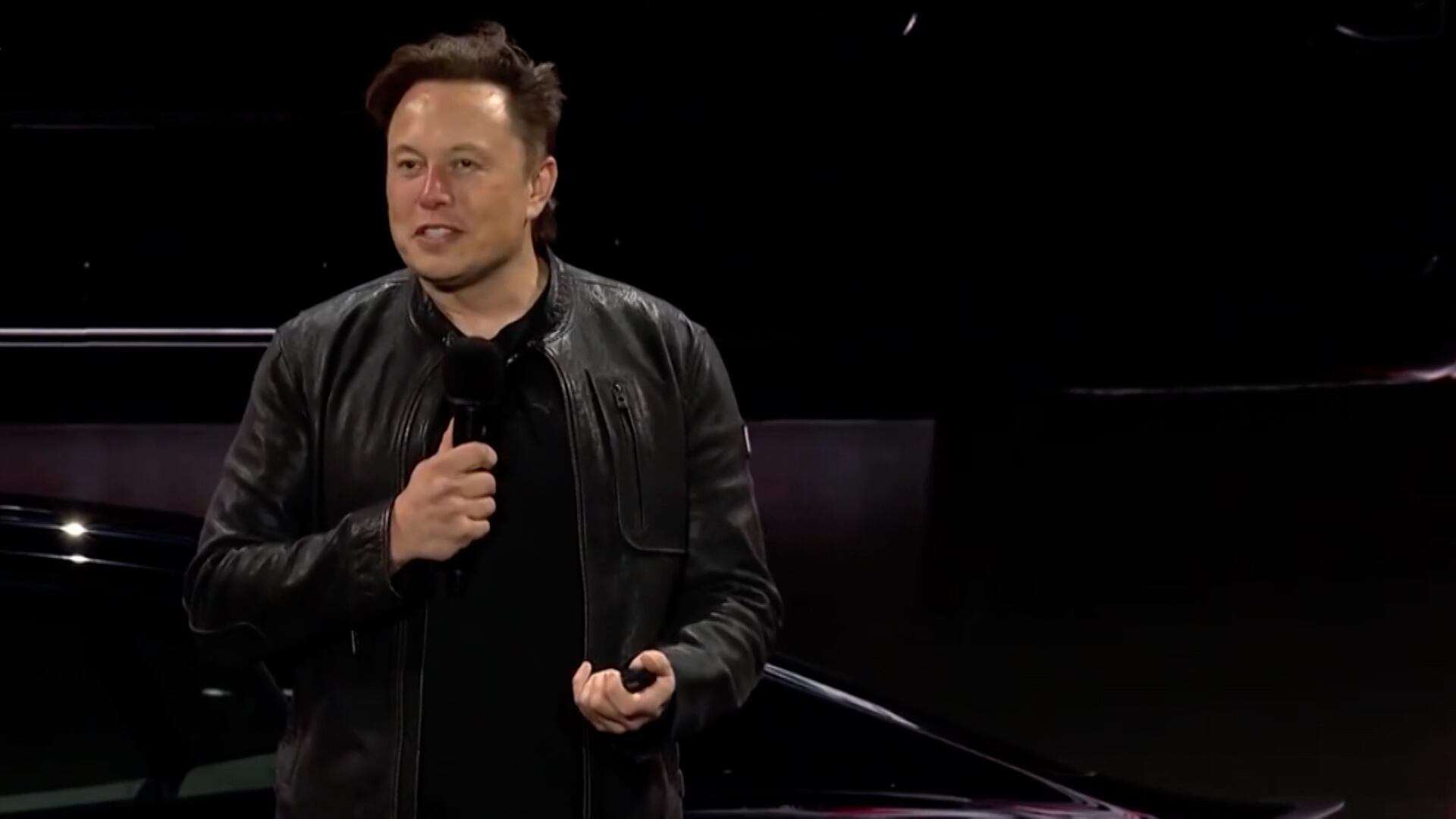
Although still early in development, blockchain technology, Web3, also known as Web 3.0 has been getting a lot of attention from some top tech names lately. Web3 is based on blockchain technology, which powers NFT’s and cryptocurrencies such as bitcoin. With Web3, users would ideally control their own data, rather than have it be controlled by a few large companies. But, Tesla CEO Elon musk isn't buying into Web3 just yet, tweeting over the weekend that the decentralized iteration of the internet seems more like a marketing "buzzword" right now than reality. Twitter co-founder Jack Dorsey also chiming in to the conversation, expressing doubt over whether or not Web3 would actually be decentralized if ownership still belonged to venture capital firms. Parker McCurley, co-founder & CEO of Decent Labs explains the significance of Web3 catching the eye of the tech giants, and what Web3 could mean for the future of the internet.
Carlo and Baker cover the heartening news on the Covid front ahead of the holiday, plus President Biden punting student loan repayments again, a new space telescope and Love, Hate, Ate: Christmas Eve Eve Edition!
This year's worldwide semiconductor shortage limited the supply of everything from new cars to smartphones; and now, many in the chip industry expect the shortage to continue deep into 2022, and maybe even 2023. Semiconductor senior research analyst for Robert W. Baird & Co., Tristan Gerra, joins Cheddar News' Closing Bell to discuss.
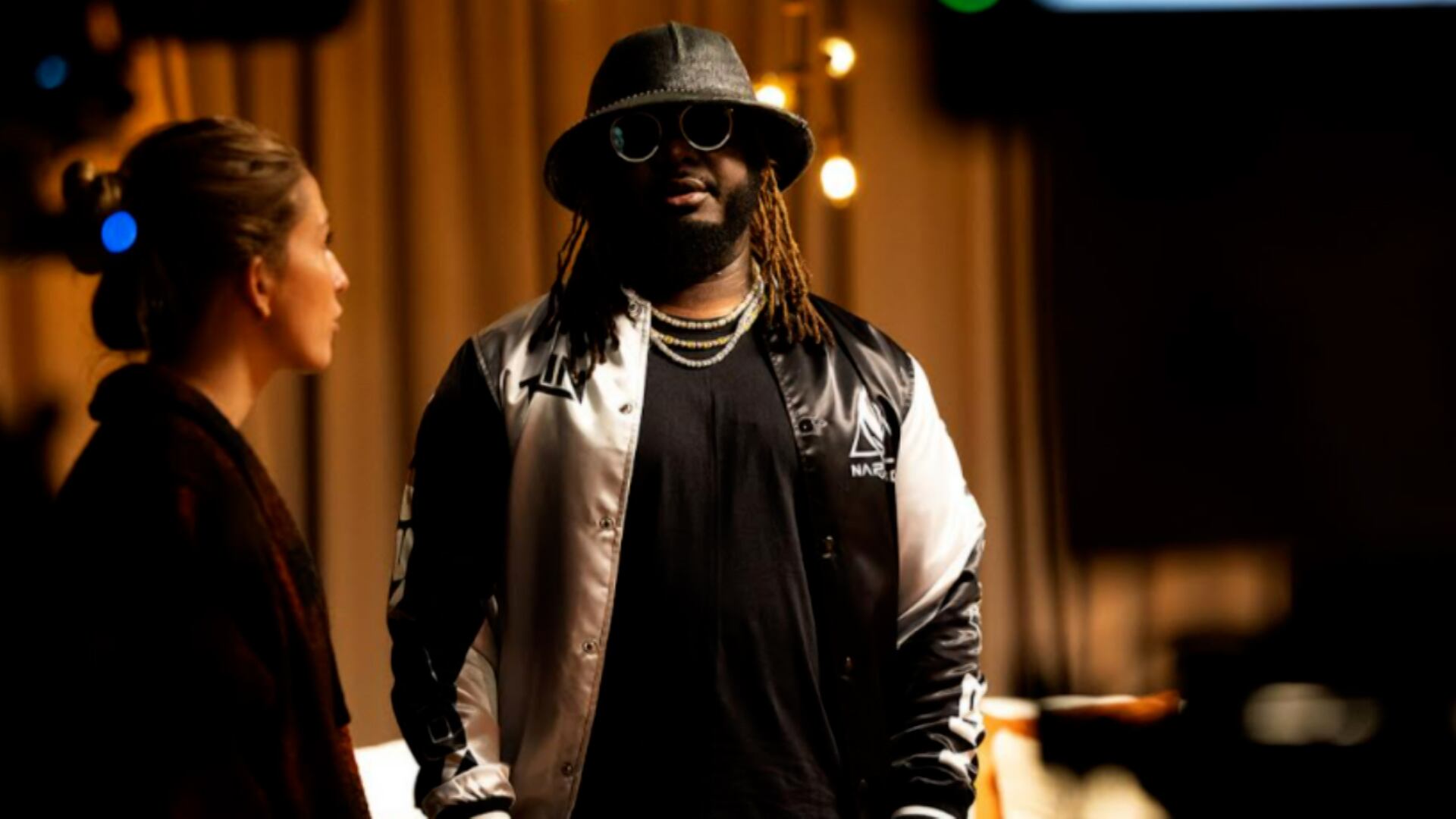
Pavel Bains, the Executive Producer of MixMob and CEO of Bluzelle, joins Cheddar News' Closing Bell to elaborate on an opinion piece he wrote for CoinDesk in which he compares the cultural significance of crypto to hip hop in the 1990s.
Direct health care company Nomi Health recently raised $110 million in a Series A round. Nomi Health lets public and private organizations directly purchase healthcare at reduced costs, and pay providers in real-time. It also delivers healthcare directly to under-served communities via its fleet of mobile care units, which the company says is the largest in the country. Nomi Health says its mission is to improve the health care experience for all Americans. Nomi Health CEO Mark Newman joined Cheddar News' Closing Bell to discuss.
Darby Fox, child and adolescent family therapist, joins Cheddar News to discuss how parents can navigate their child's mental wellness during the holidays.
A new series is looking to advance Black founders who have disruptive ideas and companies. 'Bet on Black' is a new series that allows black entrepreneurs to pitch their businesses in the hopes of securing $200,000 in funding. Revolt TV and Target teamed up to create the show. Detavio Samuels, CEO of Revolt, joins Cheddar News to discuss.
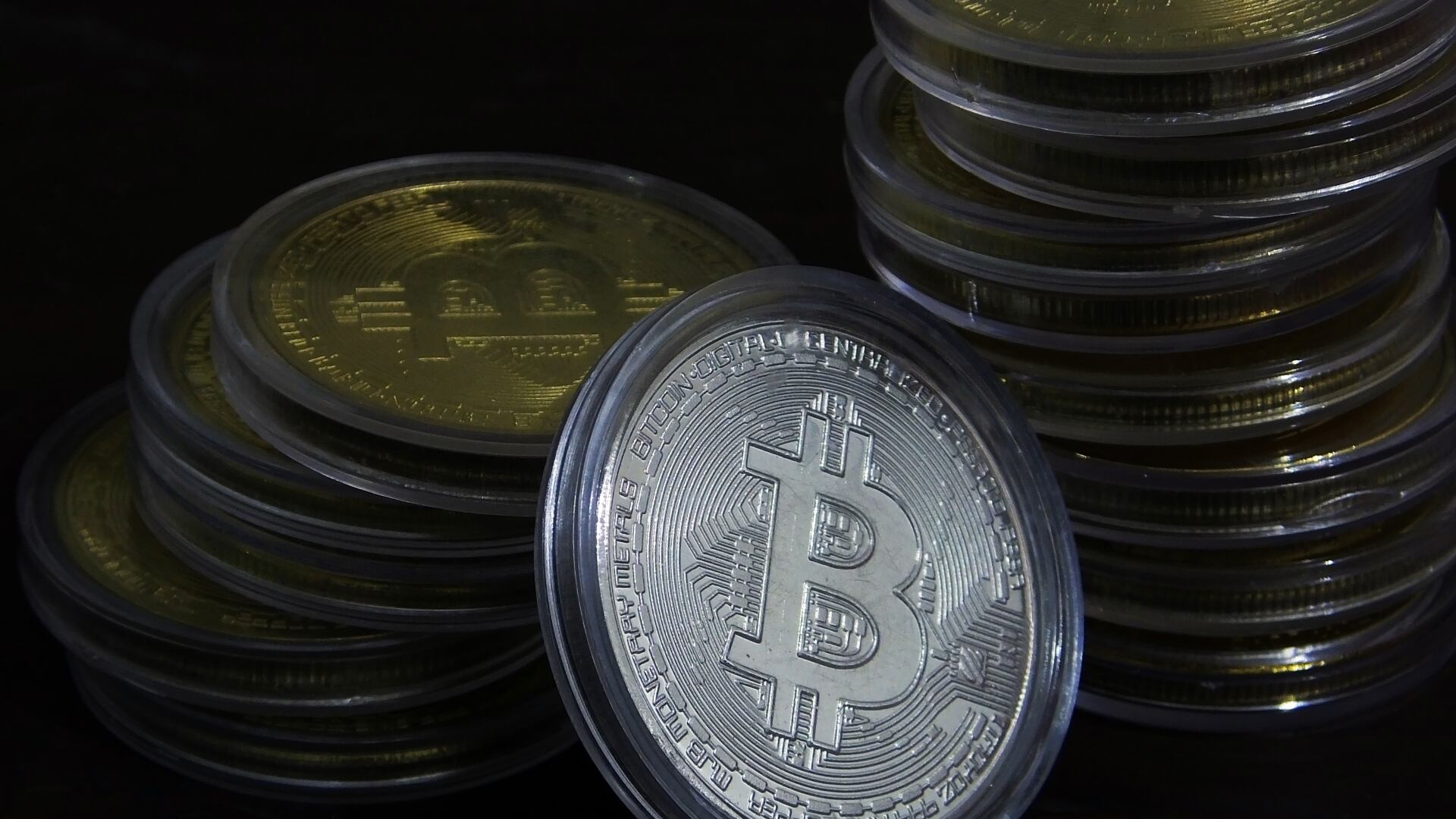
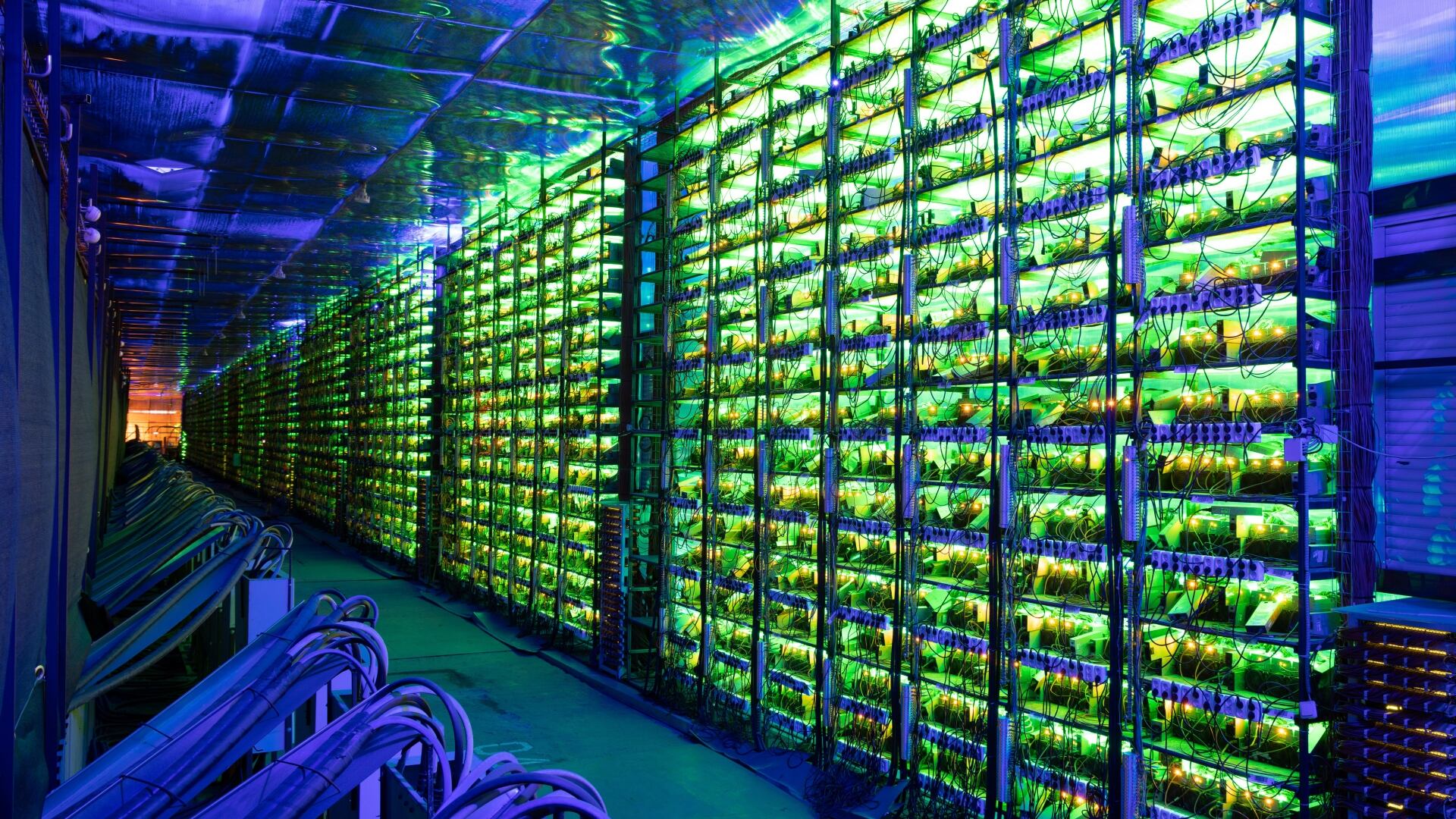
Bitcoin's rise to the mainstream has been a wild ride this year. The cryptocurrency is trading a little under $49,000 Wednesday morning and is set to finish the year sharply higher than where it began earlier this year. Ether prices also soared this year, rising from $730 per coin to nearly $4,000. Ben Armstrong, founder of Bitboy Crypto, joins us to discuss what's in store for crypto in 2022.