The Supreme Court is leaving in place a $2 billion verdict in favor of women who claim they developed ovarian cancer from using Johnson & Johnson talc products.
The justices did not comment Tuesday in rejecting Johnson & Johnson's appeal. The company argued that it was not treated fairly in facing one trial involving 22 cancer sufferers who came from 12 states and different backgrounds.
A Missouri jury initially awarded the women $4.7 billion, but a state appeals court dropped two women from the suit and reduced the award to $2 billion. The jury found that the company’s talc products contain asbestos and asbestos-laced talc can cause ovarian cancer. The company disputes both points.
Johnson & Johnson, which is based in New Brunswick, New Jersey, has stopped selling its iconic talc-based Johnson’s Baby Powder in the U.S. and Canada, though it remains on the market elsewhere.
Justices Samuel Alito and Brett Kavanaugh took no part in the court's action. Alito owns $15,000 to $50,000 in Johnson & Johnson stock. Kavanaugh's father headed the trade association that lobbied against labeling talc a carcinogen and including a warning label on talc products.
Ethicists contacted by The Associated Press said they did not think E. Edward Kavanaugh's role required his son to step aside from the case.
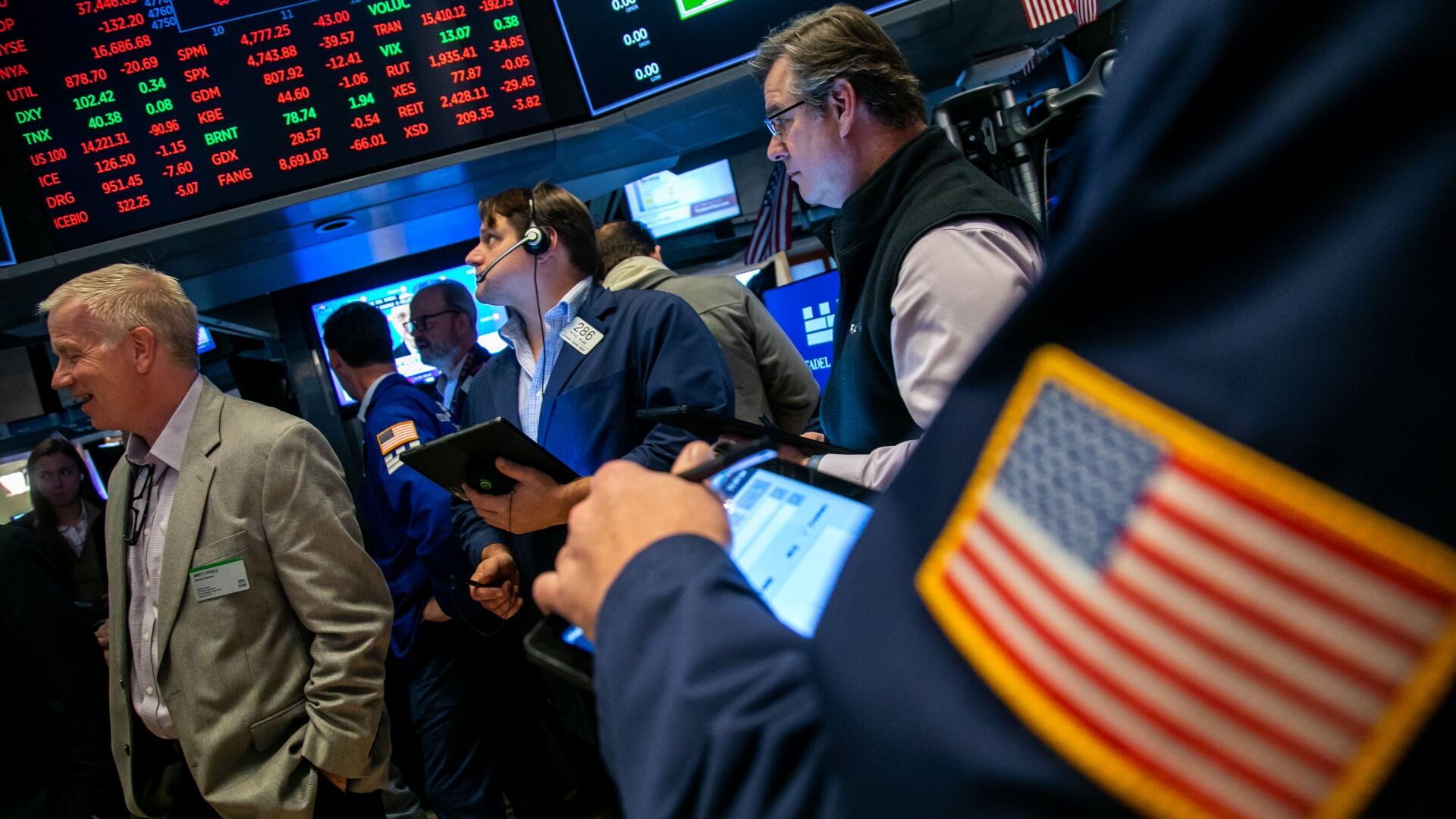
Christine Short, VP of Research at Wall Street Horizon, shares insights on small and big banks earnings, a fresh round of layoffs in the tech world, and what to expect from upcoming rate decisions.
More executives are feeling better about the global economy. But a growing number don’t think their companies will survive the coming decade without a major overhaul because of pressure from climate change and technology like artificial intelligence.
The International Olympic Committee has signed the first beer brand in the 40-year history of a sponsorship program that earns billions of dollars for the organization and international sports.
The latest calculations from several science agencies showing Earth obliterated global heat records last year may seem scary. But scientists worry that what’s behind those numbers could be even worse.
Along with the $122 million from delinquent millionaires in October, nearly half a billion dollars in back taxes from rich tax cheats has been collected.
Greg Moran, CEO of Zoomcar, joined Cheddar to talk about the growth of the car-sharing platform, the company's recent debut on the NASDAQ, and its continued work in emerging markets.