By Stan Choe
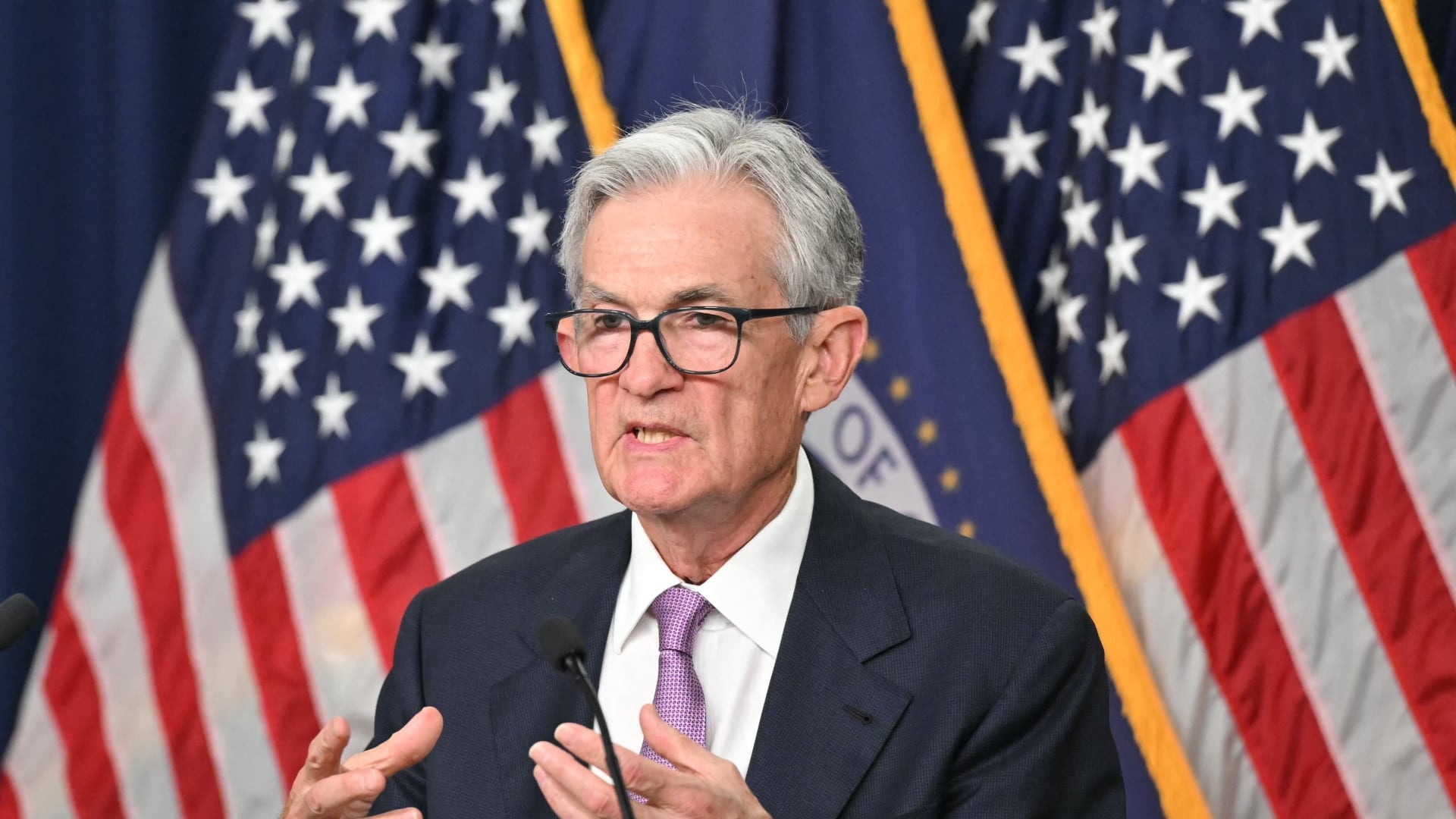
U.S. stocks are mixed in jumbled trading on Friday after a weak jobs report raised questions about the Federal Reserve's timeline to pare back its immense support for markets.
The S&P 500 was virtually unchanged in afternoon trading after earlier wavering between a 0.1% loss and 0.3% gain. The Dow Jones Industrial Average was up 6 points, or less than 0.1%, at 34.761, as of 12:11 p.m. Eastern time, and the Nasdaq composite was 0.3% lower.
The U.S. jobs report is usually the most anticipated piece of economic data each month on Wall Street, and the immediate reaction to its release was a confused one. U.S. stocks moved up, down and back again, as did Treasury yields.
The yield on the 10-year Treasury climbed to 1.60% from 1.57% late Thursday after initially dropping to 1.56% immediately following the jobs report’s release.
Much of Wall Street assumed the job market had improved enough for the Fed to soon begin paring back its monthly purchases of bonds meant to hold down longer-term interest rates. Investors had also pegged the central bank to begin lifting short-term interest rates late next year. Current super-low interest rates have been one of the main forces driving stocks to record heights.
But Friday’s jobs report showed that employers added just 194,000 jobs last month, well short of the 479,000 that economists expected. Many investors still expect the Fed to stick to its timetable, but the numbers were weak enough to at least raise questions about whether it may wait longer to taper its bond purchases or to eventually raise short-term rates.
“The miss on jobs isn’t pretty — there’s no way around it,” said Mike Loewengart, managing director of investment strategy at E-Trade Financial, in a statement. “And many may believe it will cause the Fed pause in terms of their tapering strategy. But the jury is out on how the market will interpret the data.”
Underneath the surface, the numbers don’t offer much more clarity. The unemployment rate ticked down to 4.8% from 5.1%, and the government revised past months' hiring numbers higher. But last month's hiring was still the weakest since December 2020. Average wages also rose a bit faster from August than expected, which helps workers but adds to worries about inflation.
“It gives the Fed a little bit more wiggle room on tapering and tightening in general,” said Cliff Hodge, chief investment officer for Cornerstone Wealth.
Inflation remains a big concern for investors after climbing to its highest level in at least a decade, in part because of snarled supply chains as the global economy reboots from its pandemic-caused shutdown. Those supply chain issues will be a key point for investors as they review companies' next round of quarterly financial reports.
“Earnings season is really going to be the next catalyst for the market to understand where to go through the end of the year,” Hodge said.
Rising energy prices have also contributed to inflation, and benchmark U.S. crude for delivery in November briefly topped $80 a barrel early Friday. That's the highest the front-month contract for U.S. oil has been since 2014.
That helped drive energy stocks in the S&P 500 up 2.6%, by far the biggest gain among the 11 sectors that make up the index. Exxon Mobil rose 2.2%, and Pioneer Natural Resources climbed 4.4%.
The rest of the market was more mixed. The S&P 500 was nearly evenly split between stocks rising and falling, with health care companies among the worst off.
Friday's choppy trading extends an already volatile run since the S&P 500 set its record high on Sept. 2. A swift rise in interest rates and the prospect of less support from the Fed have forced investors to reassess whether stock prices have grown too expensive. The worries about higher interest rates have also combined with political turmoil in Washington, D.C.
The S&P 500 had four straight days through Tuesday where it alternated between a gain of 1% and a loss of 1%. In recent days, the market has been more stable amid relief that Congress looks like it will at least delay a disastrous default on the U.S. federal debt.
The S&P 500 is still on track for a gain of 1% this week, which would roughly halve its loss from the prior week.
Stock markets overseas were mixed on Friday. In Europe, Germany's DAX lost 0.3%, and France's CAC 40 fell 0.6%. London's FTSE 100 rose 0.2%.
Asian markets were stronger. Japan's Nikkei 225 rose 1.3%, South Korea's Kospi added 0.6% and stocks in Shanghai gained 0.7%.
AP Business Writer Joe McDonald contributed.
Updated October 8, 2021 at 12:30pm ET with updates throughout.