Democratic presidential candidates are pouncing on President Donald Trump's hard-line border stance a day after a devastating image went viral, showing a father and young daughter who appeared to have drowned in the Rio Grande which flows between the U.S. and Mexico.
Julián Castro, former HUD Secretary under the Obama administration and 2020 presidential hopeful, said the image was "heartbreaking."
"It's heartbreaking because you know what they were looking for was a better life in this country," Castro told Cheddar hours before he was set to take the stage at the first Democratic debate in Miami, Florida.
The photo, shot by Julia Le Duc of the Associated Press, shows Andrés Manuel Lopez Óbrador laying dead with his 23-month-old daughter Valeria.
"I hate it," President Trump told reporters prior to departing the White House Wednesday en route to Japan for the G20 Summit.
The deaths come as the Trump administration faces new criticism for returning more than 100 migrant children to a Border Patrol facility in Clint, Texas that was reported to be unsanitary.
At an event in the White House on Tuesday, President Trump told reporters he is "very concerned" about the situation with detainee facilities, but claimed, "They're much better than they were under President Obama."
On Wednesday, the Senate approved bipartisan legislation which would provide $4.6 billion in aid for the migrant crisis at the border. The bill is similar to a package the House approved on Tuesday. Now the two chambers will have to work together to approve a bill which they can send to the president before the Independence Day recess.
Nevertheless, Castro says the deaths of Óscar, and his daughter, Valeria, were avoidable.
"This is preventable, and my immigration plan would end metering, and prevent situations like this," Castro said.
Castro, the only Latino running for president, has received praise for his comprehensive immigration proposal released in early April. The plan explicitly states it would end "metering" - a policy that limits the number of asylum seekers per day - as well as provide a path to naturalization for people without authorization.
"The family separations that we see today are made possible by the fact that you criminalize somebody being undocumented in this country, and I don't believe that that's the way to go," Castro added.
He referred to his proposal as a new Marshall Plan, explaining that it would guarantee safety for individuals in Central America so they do not feel the need to come to the United States in the first place.
On Tuesday, Sen. Elizabeth Warren (D-Mass.), who is the clear frontrunner on Wednesday's debate stage, submitted a statement to HuffPost, that supported Castro's plan to make "illegal entry" a civil offense rather a federal misdemeanor.
Warren said, "We should not be criminalizing mamas and babies trying to flee violence at home or trying to build a better future."
Castro is clear as to what is a driving force behind his immigration plan: saving lives.
"We need to immediately stop denying the ability of people trying to make their asylum claim so that tragedies like the one that we saw, that happened to Óscar and Valeria, don't happen again," Castro later said.
Anu Gaggar, global investment strategist for Commonwealth Financial Network, joined Cheddar News to discuss how global supply chains could be disrupted even further by an armed conflict in Ukraine.
Solid-state battery maker Factorial Energy recently raised $200 million in a Series D round led by Mercedes-Benz and Stellantis. Factorial says the funding will be used to accelerate commercial production and deployment of its solid-state battery technology, which the company says is safer, and offers up to 50% more driving range than current lithium-ion technology. Factorial also has joint development agreements (announced in late 2021) with Mercedes-Benz, Stellantis, and Hyundai, three of the top 10 global automotive manufacturers, to commercialize its batteries. Factorial CEO Siyu Huang joined Cheddar News' Closing Bell to discuss.
A new report by the Foreign Correspondents Club of China warns that press freedom in the most populous country in the world is declining at an alarming speed. Cheddar News speaks with Steven Butler, Asia Program Coordinator at the Committee to Protect Journalists, about the hardships journalists face in China.
Rep. Nancy Mace (R-S.C. 1st District) joined Cheddar to discuss her cannabis legalization bill, the States Reform Act, and the prospects for gaining bipartisan support for a bill that has garnered the endorsement of e-commerce giant Amazon. This legislation is supported by businesses large and small, Amazon obviously being the most recent and largest business to support it," Mace said. "They don't want to sell pot. But what it does do is it affects their working employment pool." She stated that 10 percent of eligible new hires for Amazon are affected by restrictive marijuana laws. The representative also explained that the bill leaves equity provisions up to the states rather than mandating them on a federal level.
After a number of tragic subway incidents, the MTA is facing increased pressure to install subway platform screens to help prevent injury or death. However, according to an earlier report from the MTA, installing these prevented measures isn't feasible. New York City Council Member Keith Powers, joined Cheddar to discuss more.
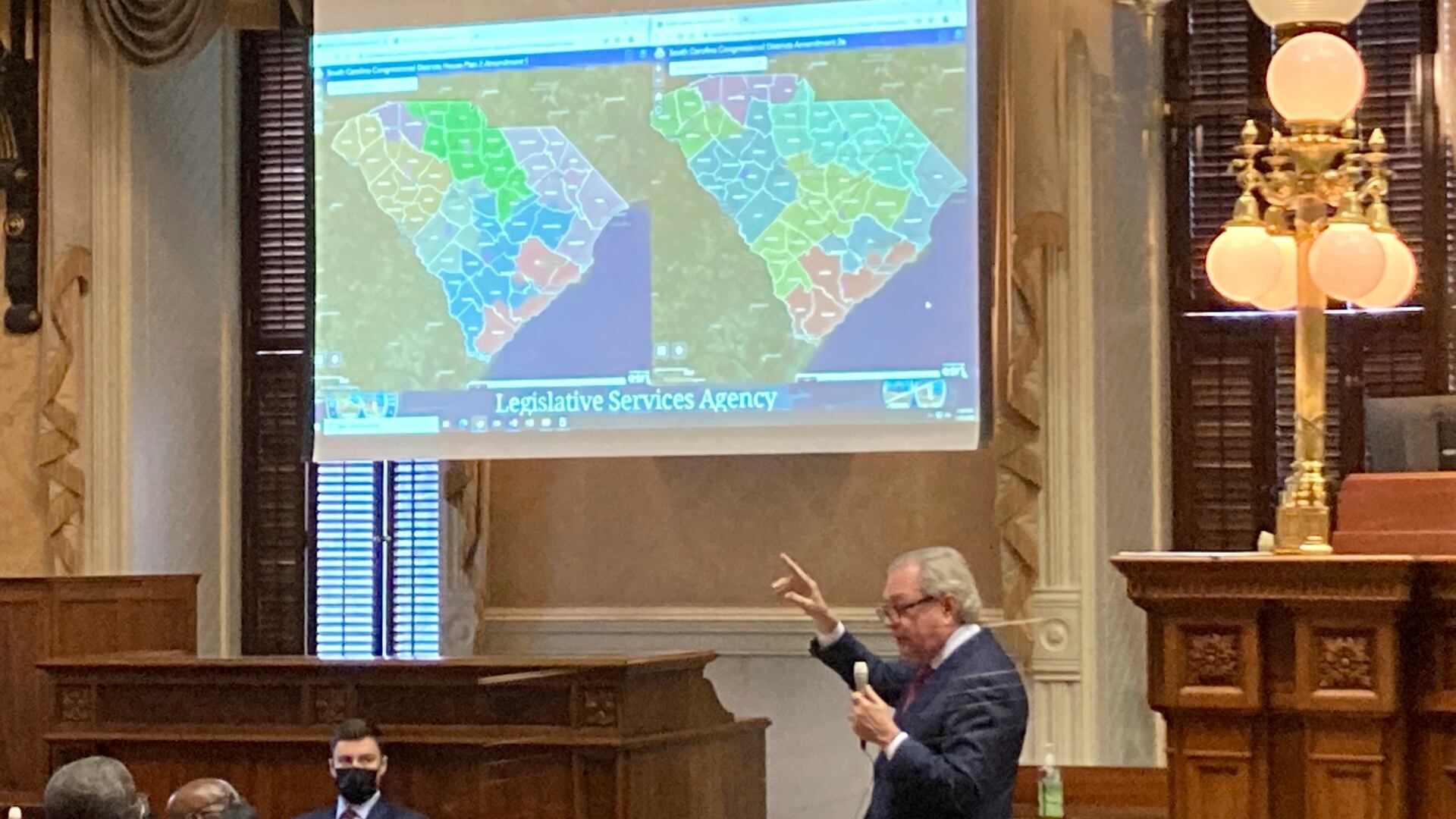
Across the country, states are working to redraw their congressional lines in what is often known as gerrymandering. These news lines are expected to determine the balance of power between Democrats and Republicans within the next decade. Senior Counsel for the Brennan Center's Democracy Program, Michael Li, joined Cheddar to discuss more.
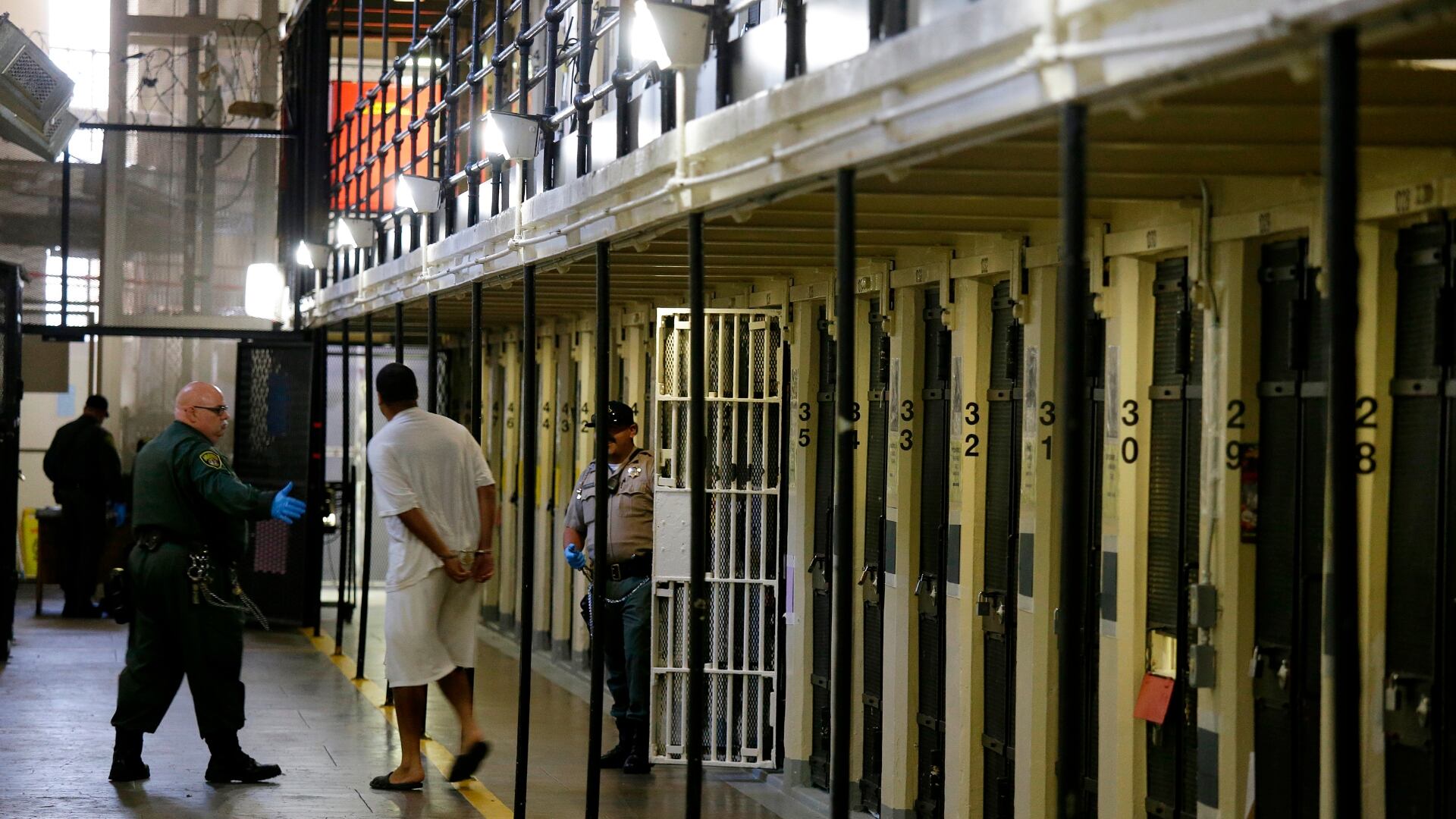
The state of California is officially planning to close its death row in the next two years. That state's governor Democrat Gavin Newsom says the plan is now to move all condemned inmates to other prisons and turn it into, as he calls it, a positive healing environment. Former U. S. Assistant Attorney and Legal Analyst, David Katz, joined Cheddar to discuss more.
Anthony Saccaro, Founder and President of Providence Financial, joins Cheddar News' Closing Bell, where he elaborates on why he is excited that the market is beginning to rebound and believes February has the potential to be a good month after a turbulent January.
Cryptocurrency is expected to become a part of our daily lives — but what sort of environmental impact does it have? As the U.S. becomes the crypto mining capital of the world, climate advocates are worried about mining companies reopening old coal plants, using massive amounts of energy, wasteful hardware, and more. Congressional Democrats led by Senator Elizabeth Warren are demanding answers from mining firms about their electricity use and waste levels. John Belizaire, CEO of Soluna Computing, joins Cheddar Climate to discuss the congressional letters, how crypto mining can become a green industry, and more.