Democratic presidential candidates are pouncing on President Donald Trump's hard-line border stance a day after a devastating image went viral, showing a father and young daughter who appeared to have drowned in the Rio Grande which flows between the U.S. and Mexico.
Julián Castro, former HUD Secretary under the Obama administration and 2020 presidential hopeful, said the image was "heartbreaking."
"It's heartbreaking because you know what they were looking for was a better life in this country," Castro told Cheddar hours before he was set to take the stage at the first Democratic debate in Miami, Florida.
The photo, shot by Julia Le Duc of the Associated Press, shows Andrés Manuel Lopez Óbrador laying dead with his 23-month-old daughter Valeria.
"I hate it," President Trump told reporters prior to departing the White House Wednesday en route to Japan for the G20 Summit.
The deaths come as the Trump administration faces new criticism for returning more than 100 migrant children to a Border Patrol facility in Clint, Texas that was reported to be unsanitary.
At an event in the White House on Tuesday, President Trump told reporters he is "very concerned" about the situation with detainee facilities, but claimed, "They're much better than they were under President Obama."
On Wednesday, the Senate approved bipartisan legislation which would provide $4.6 billion in aid for the migrant crisis at the border. The bill is similar to a package the House approved on Tuesday. Now the two chambers will have to work together to approve a bill which they can send to the president before the Independence Day recess.
Nevertheless, Castro says the deaths of Óscar, and his daughter, Valeria, were avoidable.
"This is preventable, and my immigration plan would end metering, and prevent situations like this," Castro said.
Castro, the only Latino running for president, has received praise for his comprehensive immigration proposal released in early April. The plan explicitly states it would end "metering" - a policy that limits the number of asylum seekers per day - as well as provide a path to naturalization for people without authorization.
"The family separations that we see today are made possible by the fact that you criminalize somebody being undocumented in this country, and I don't believe that that's the way to go," Castro added.
He referred to his proposal as a new Marshall Plan, explaining that it would guarantee safety for individuals in Central America so they do not feel the need to come to the United States in the first place.
On Tuesday, Sen. Elizabeth Warren (D-Mass.), who is the clear frontrunner on Wednesday's debate stage, submitted a statement to HuffPost, that supported Castro's plan to make "illegal entry" a civil offense rather a federal misdemeanor.
Warren said, "We should not be criminalizing mamas and babies trying to flee violence at home or trying to build a better future."
Castro is clear as to what is a driving force behind his immigration plan: saving lives.
"We need to immediately stop denying the ability of people trying to make their asylum claim so that tragedies like the one that we saw, that happened to Óscar and Valeria, don't happen again," Castro later said.
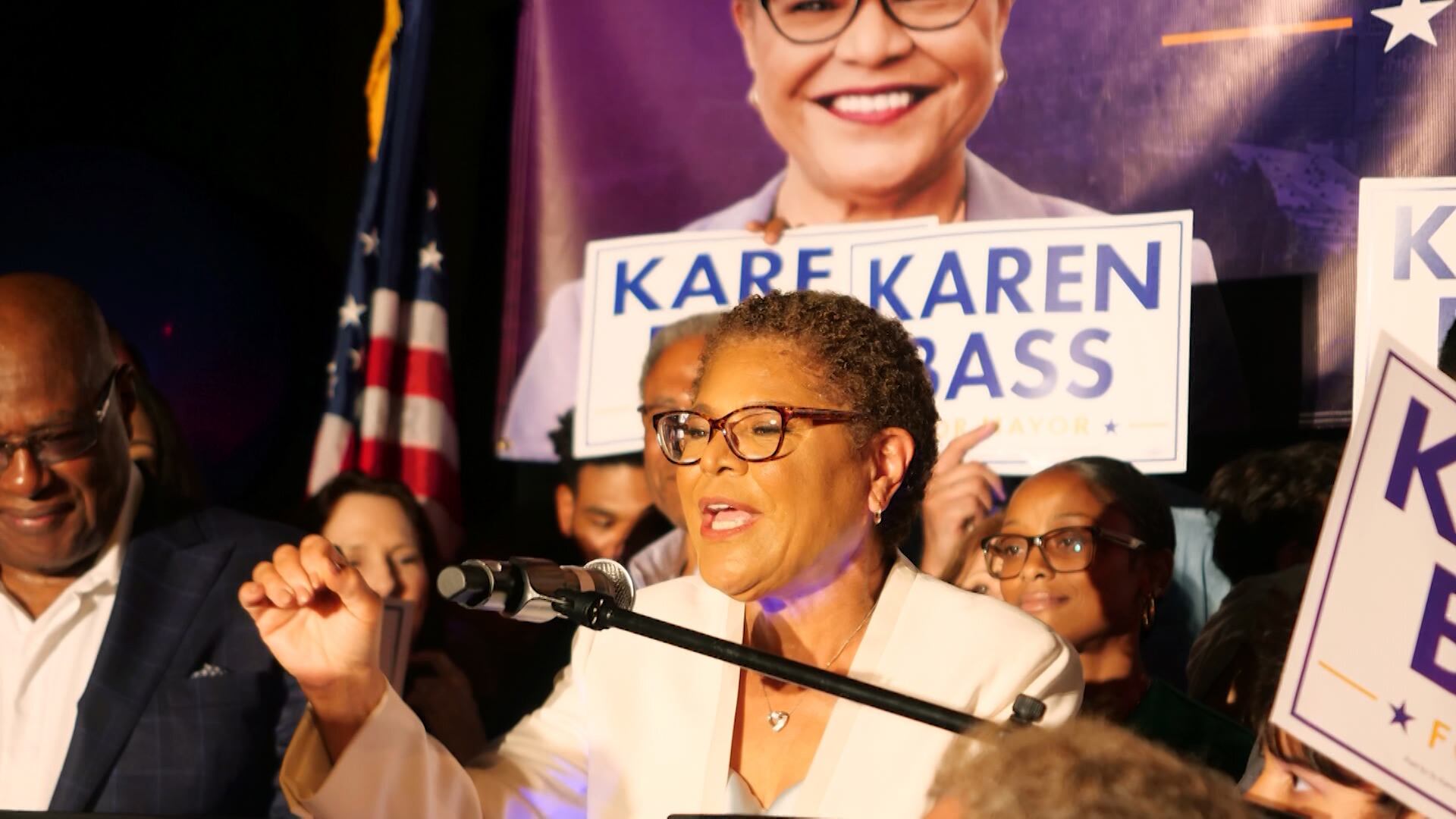
Claudia Rosenbaum, freelance reporter for Vanity Fair, joins Cheddar Politics to discuss the race for Los Angeles mayor.
Rick Caruso, a billionaire real estate developer, forced a runoff with the longtime Democratic Rep. Karen Bass, who had been the favorite in the race until an ad blitz from Caruso leaning on the city's issues with crime and homelessness.
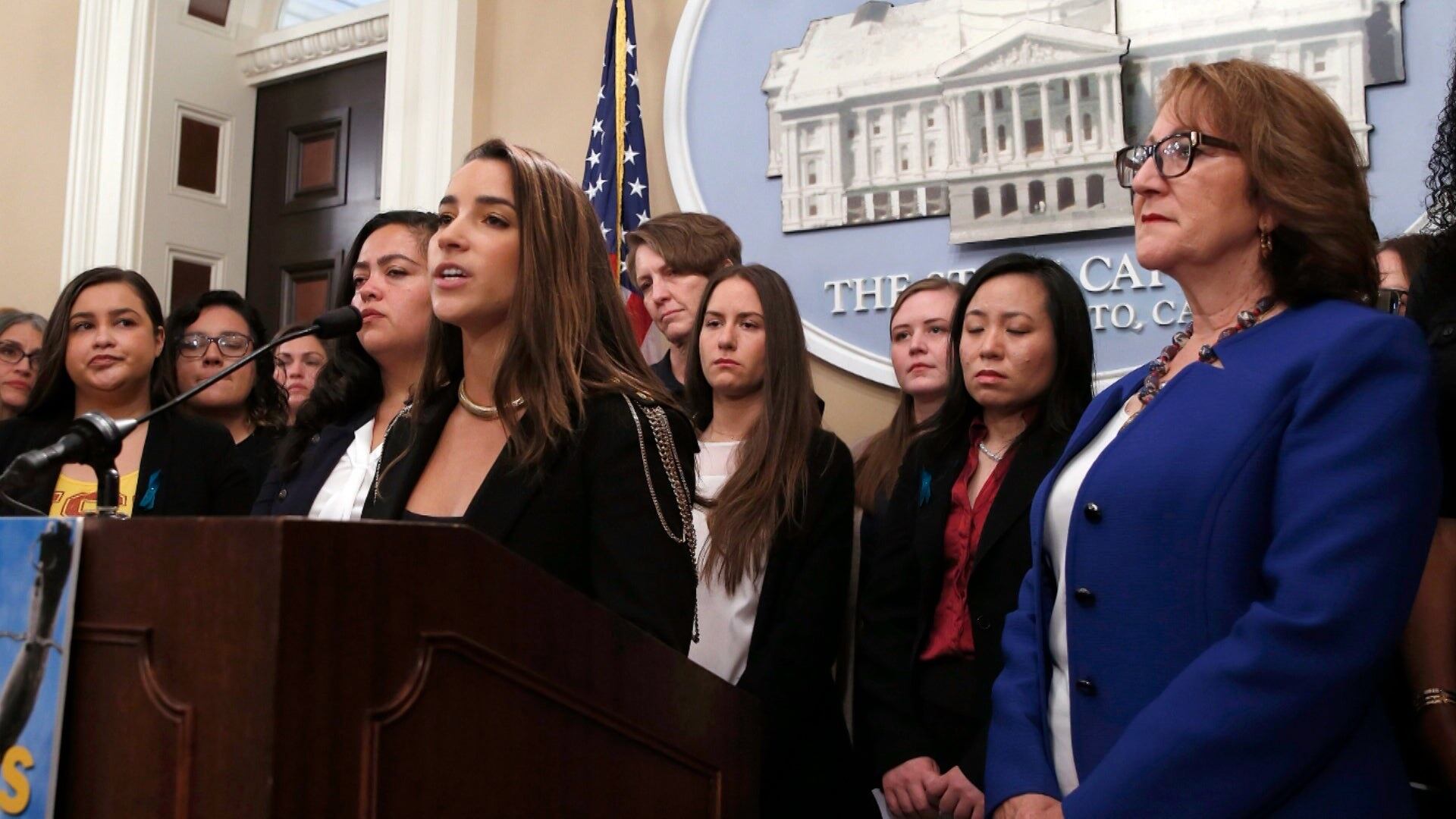
Survivors of Larry Nassar, including Olympian Simone Biles, are seeking $1 billion in damages from the FBI due to its failure to investigate the former gymnastics team doctor convicted of committing years of serial sexual abuse of minors. Jack Queen, a senior reporter at Law360, joined Cheddar News to break down the legal grounds of this case. "This is one of the biggest black eyes that the Bureau has faced in generations, quite frankly, and the FBI has taken full responsibility and admitted that it completely botched this investigation," he said. "So, there's a lot of pressure to settle."
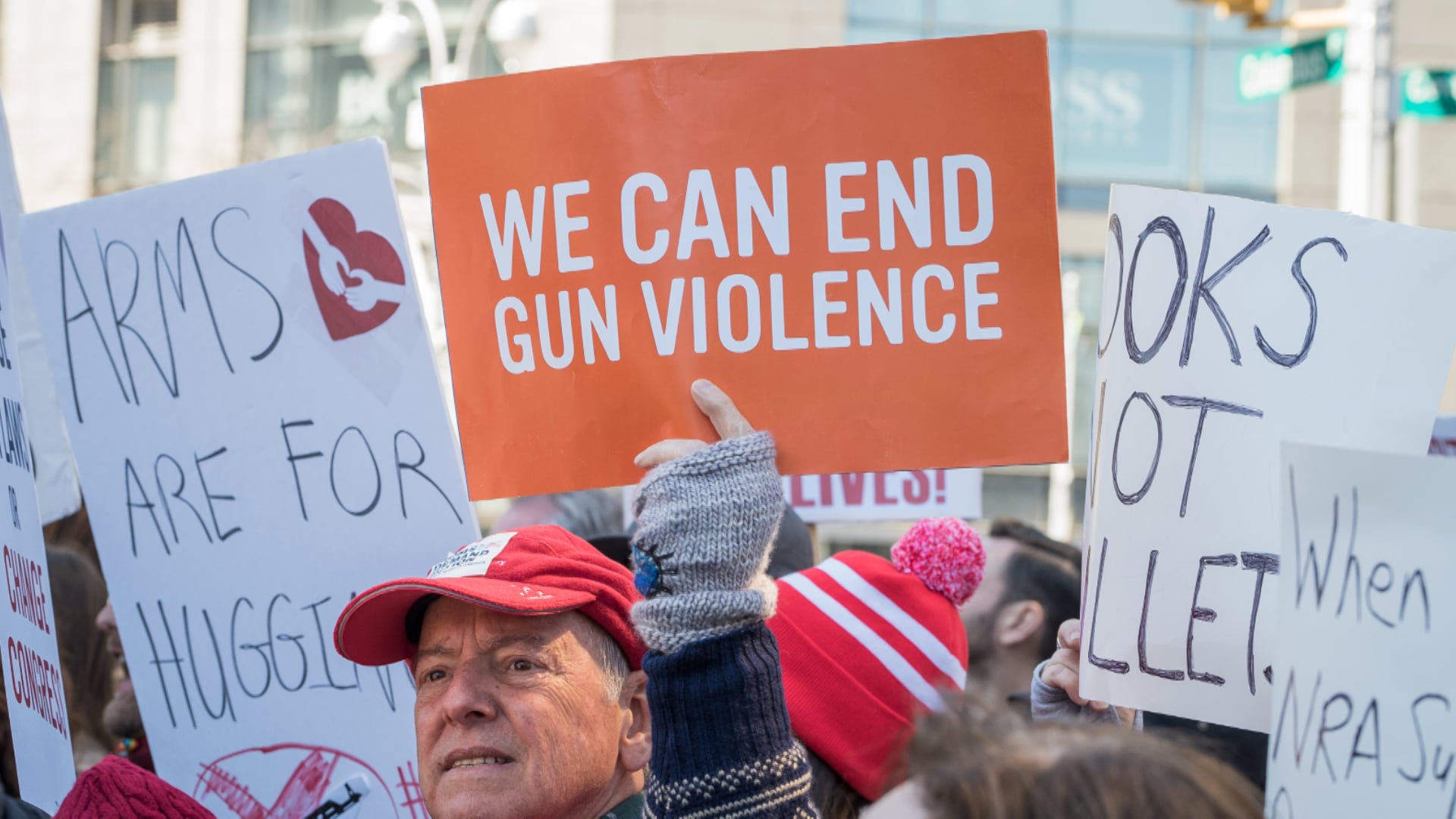
The House has passed some of the most aggressive gun-control measures in years, including raising the minimum age to buy semi-automatic rifles from 18 to 21 and banning high-capacity magazines. Daniel Webster, Co-Director of the Center for Gun Violence Solutions, explains why this legislation has little chance to pass in the Senate, and what else can be done to curb gun violence in this country.
We are already starting to feel the effects of summer. Heat waves in Texas and California are already sending temperatures soaring. That could spell trouble for the nation's power supply. there are new concerns about outages in many areas of the country. Cheddar's Shannon Lanier explains the two main causes of blackouts, and what states are doing to keep the lights on and the air conditioning running.
If you have been on the road this past year, you've probably seen more accidents on the road than you ever have. You're not wrong. Traffic fatalities are not only increasing they are hitting historic highs. Almost 43,000 people died in motor vehicle accidents in 2021. Cheddar's Shannon Lanier investigates - and finds out why.
U.S. stocks close Tuesday at session highs after a subpar start to the trading day. Tim Chubb, Chief Investment Officer at the wealth advisory firm, Girard, joins Cheddar News' Closing Bell to discuss. 'We're starting to see the moderation of three core things -- we've seen the moderation of prices, we've seen the moderation of wage growth we've seen in the labor market, and we've also seen a moderation of job openings,' he says.
Catching you up on the stories you need to know this morning, mass shooting victims testify on Capitol Hill, the White House outlines its plan to vaccinate kids younger than five years old, and we break down how to protect yourself from monkeypox.
A lot has changed since the pandemic began back in march 2020. COVID-19 caused a huge disruption in the U.S. labor force that is just beginning to normalize. As of last month, about 96% of jobs lost in the pandemic have returned. Still, where people work now looks very different from two years ago. Cheddar's Shannon Lanier looks at where the jobs are now and where they aren't.
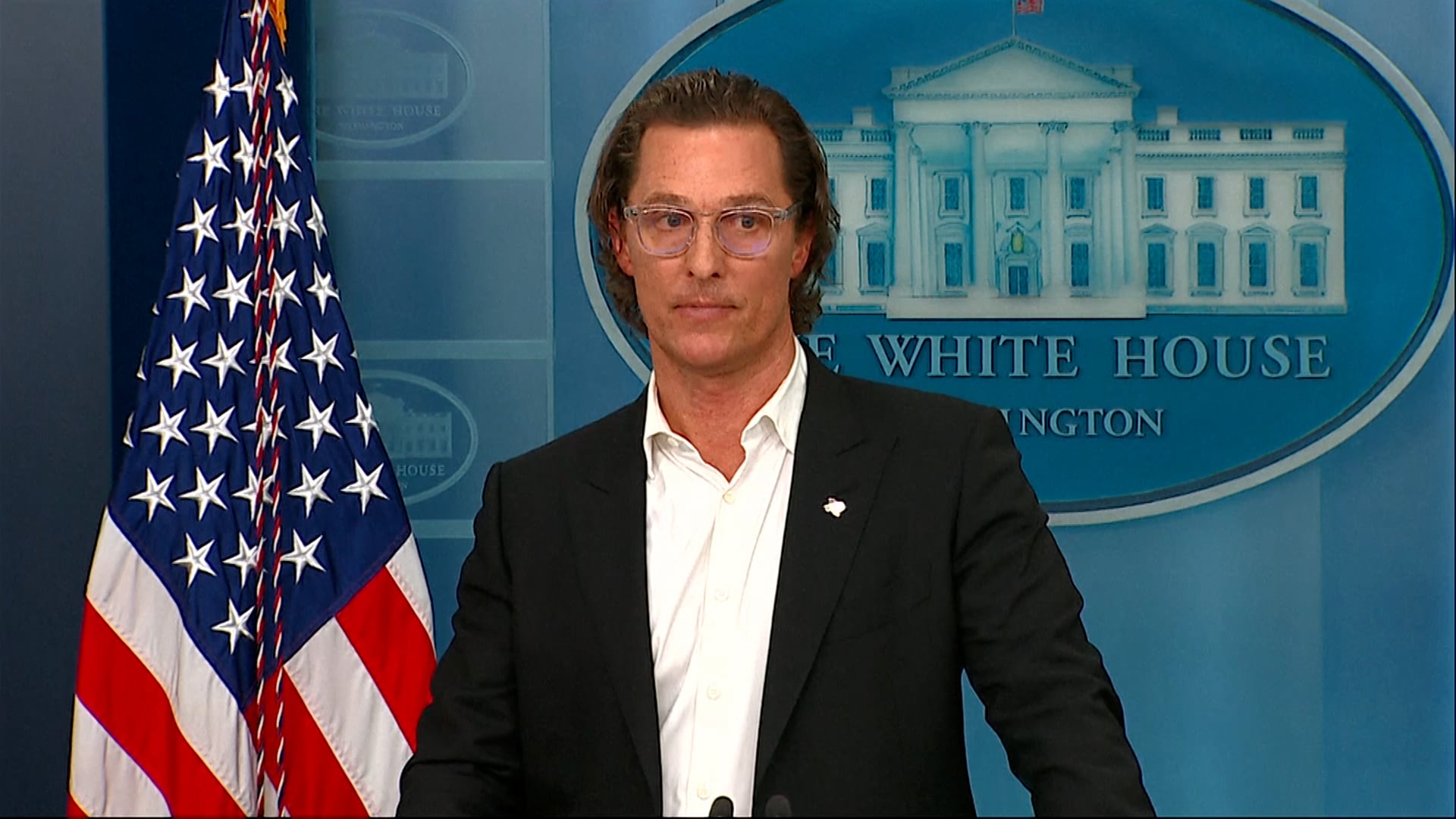
Getting you caught up on the stories you need to know this morning: Matthew McConaughey lends his voice to the gun control fight in congress, at least 30 people were injured in Germany after a car plows into a crowd, and a new weight loss drug shows promising results.